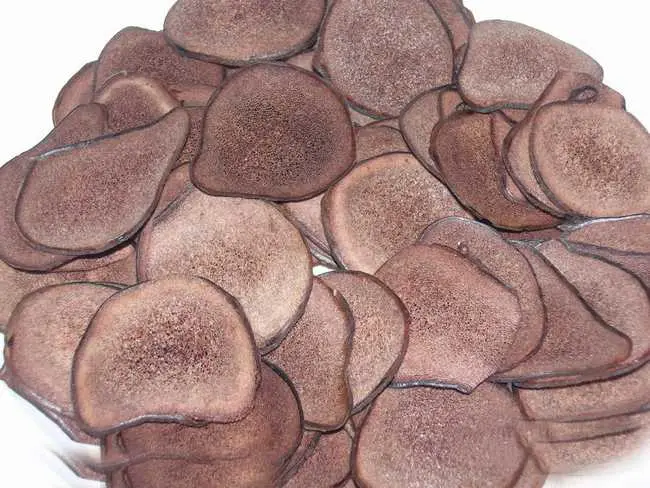
Deer Antler (Lu Rong)
Deer antler is a traditional tonic for kidney yang and essence-blood deficiency.
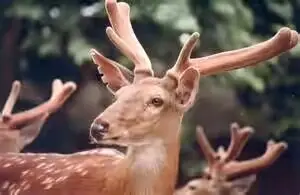
The unossified, densely hairy young antlers of the male sika deer (Cervus nippon Temminck) or red deer (Cervus elaphus Linnaeus), family Cervidae.
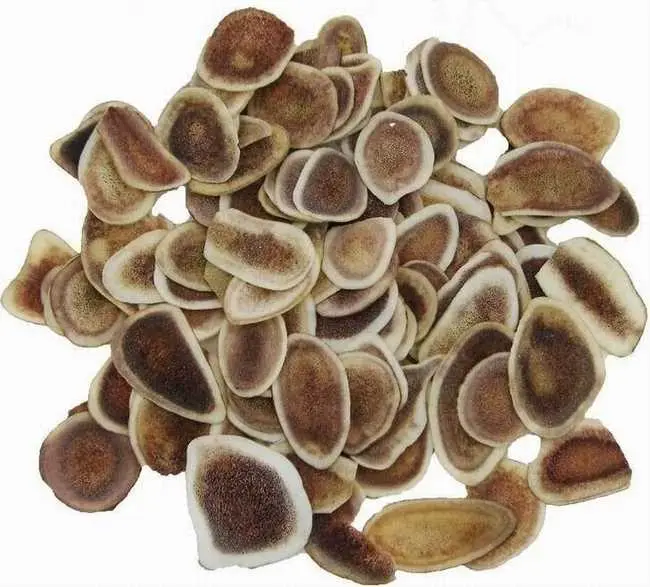
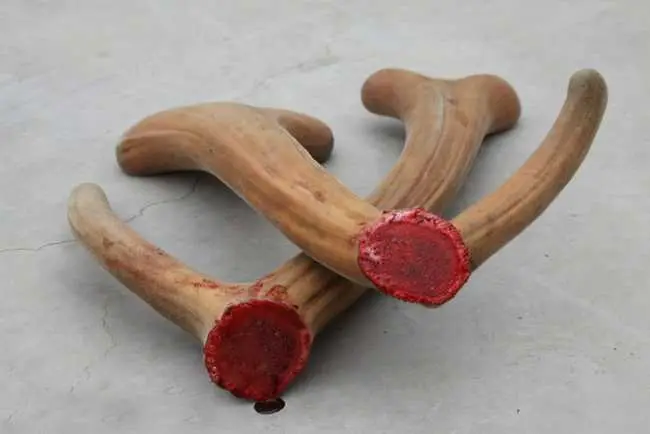
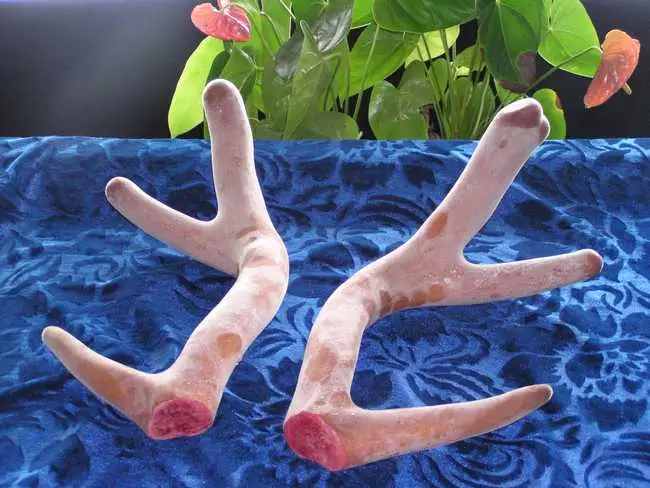
Sika deer antler: cylindrical, branched. A single branch is called 'er gang'; main shaft 'da ting', 17–20 cm long, sawed end 4–5 cm in diameter; a side branch 'men zhuang' about 1 cm from the sawed end, 9–15 cm long, slightly thinner than the main shaft. Outer skin reddish-brown or brown, mostly smooth, densely covered with reddish-yellow or brownish-yellow fine hairs, denser at the upper end, sparser at the lower; a grayish-black tendon line between branches; skin and hairs closely attached. Sawed end yellowish-white, periphery without bone, center densely porous. Two-branched type called 'san cha'; main shaft 23–33 cm, thinner than er gang, slightly arched, slightly flattened, tip slightly pointed, lower part often with longitudinal ridges and raised nodules; skin reddish-yellow, hairs sparser and coarser. Light in weight. Slight fishy odor, slightly salty taste. Second-cut antler similar to first-cut but longer and not round, or thick below and thin above, with longitudinal ridges below; skin grayish-yellow, hairs coarser, sawed end periphery mostly ossified; heavier; no fishy odor. Red deer antler: thicker and larger than sika deer antler, more branches; one side branch 'dan men', two 'lian hua', three 'san cha', four 'si cha' or more. Divided by origin into 'East red deer antler' and 'West red deer antler'. East red deer antler 'dan men' main shaft 25–27 cm, about 3 cm in diameter; outer skin grayish-black, hairs grayish-brown or grayish-yellow, sawed surface with thick grayish-black periphery, center densely porous, tender; 'lian hua' main shaft up to 33 cm, lower part with ridges, sawed surface with slightly larger honeycomb-like pores; 'san cha' darker skin, older; 'si cha' hairs coarse and sparse, main shaft lower part with ridges and nodules, branch tips mostly hairless, called 'nian tou'. West red deer antler main shaft often not round, tip round or flat, 30–100 cm long; surface ridged, often shriveled, branches longer and curved, hairs coarse and long, gray or blackish-gray; sawed end darker, bone often visible; fishy odor, salty taste.
Long ago, three brothers divided their property after their parents died. The eldest was harsh, the second stingy and cunning, and the youngest honest and brave. One day they went hunting and encountered a deer with young antlers. The youngest shot it. When dividing the spoils, the eldest and second argued over the best parts, leaving the youngest with only the antlerless head. According to village custom, game must be shared. The youngest boiled the head, including the young antlers, making a soup that he distributed. Surprisingly, those who drank the soup felt warm, energetic, and stronger, while those who ate the meat did not. People realized that the young antlers had a tonic effect, and because they are covered with fine hairs, the medicine was named 'Lu Rong' (deer antler).
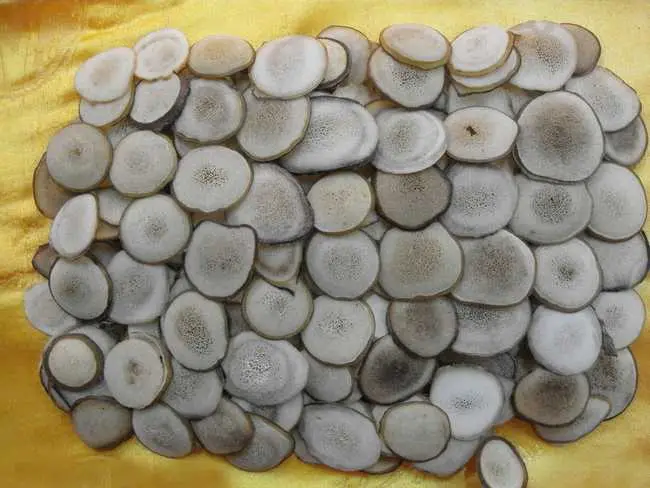
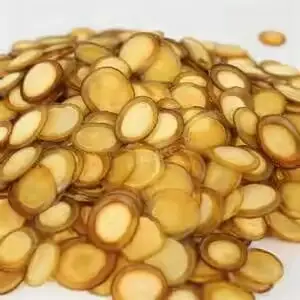
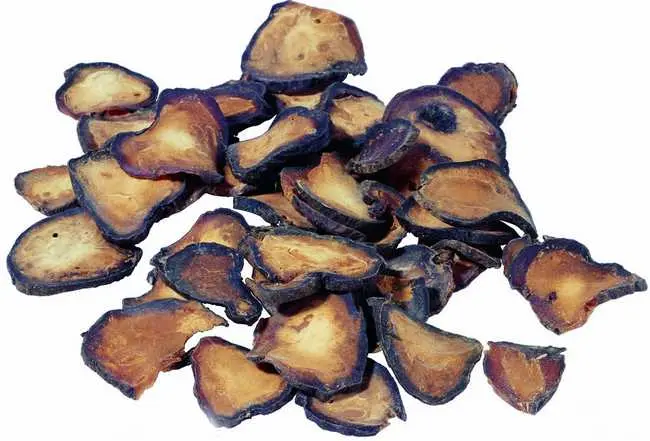
3 cultivation notes and 19 authentication articles exist for this herb. They are long-form field material and are published in Chinese only.
Chinese version · All herbs