Notoginseng (San Qi)
Notoginseng, the dried root and rhizome of Panax notoginseng, is a key herb for stopping bleeding and resolving blood stasis.
This product is the dried root and rhizome of Panax notoginseng (Burk.) F.H.Chen (Araliaceae).
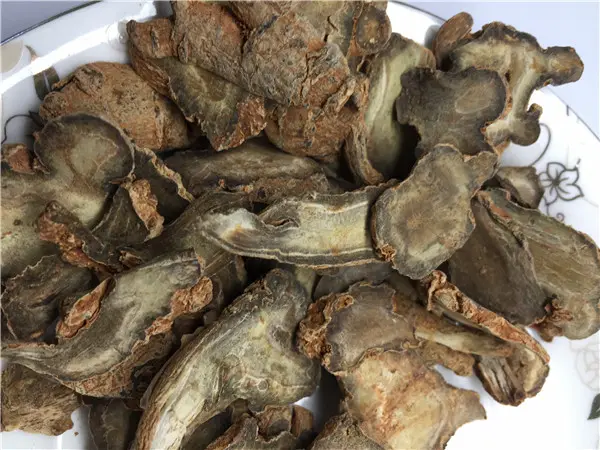
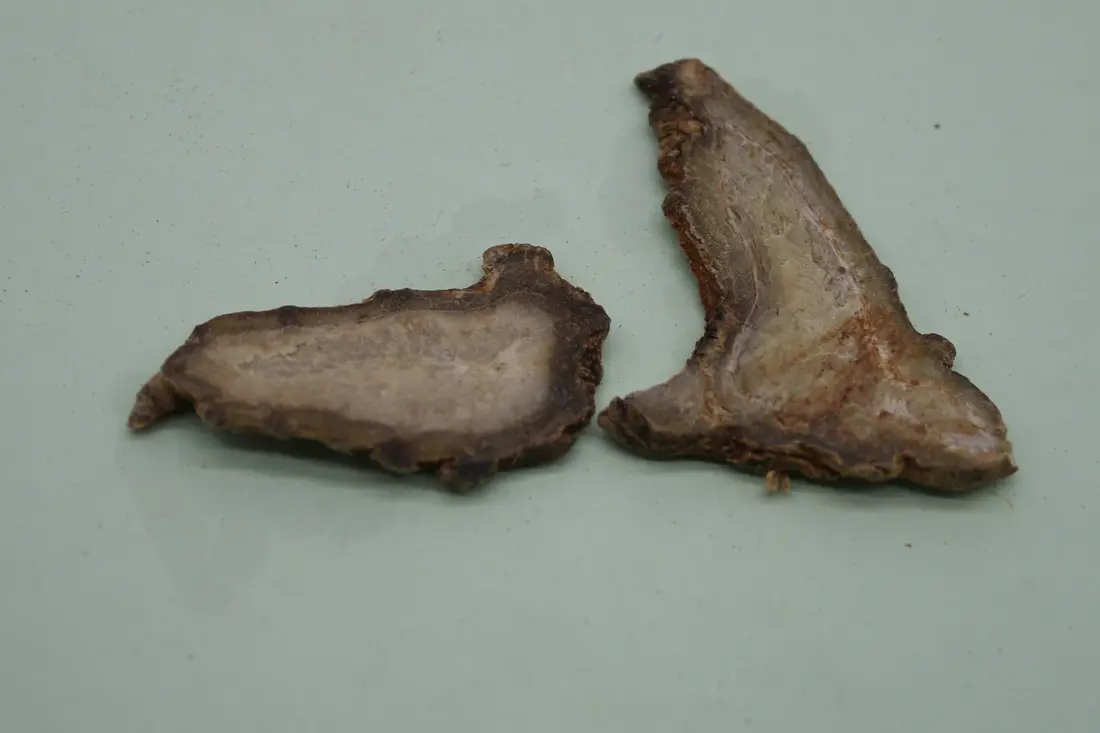
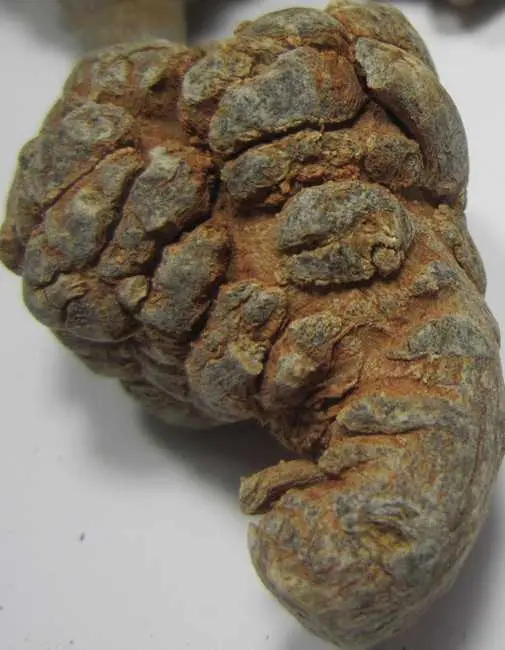
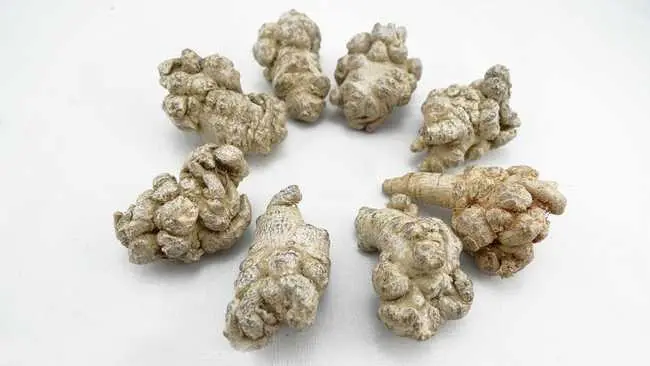
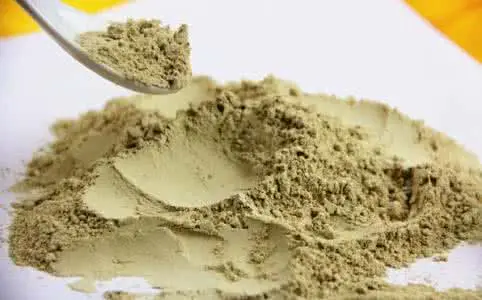
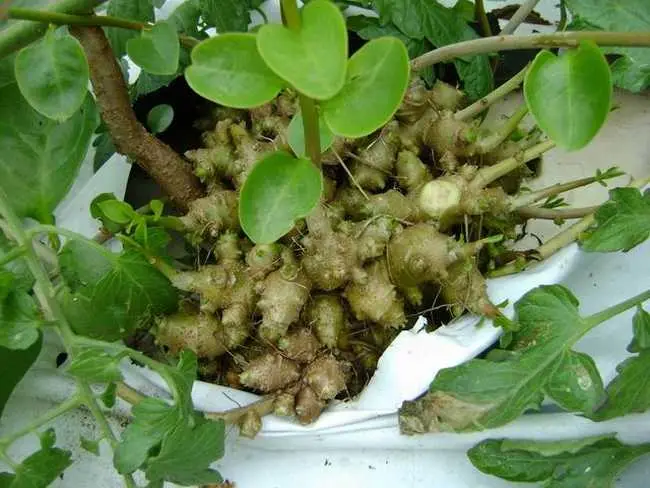
Main root conical or cylindrical, 1–6 cm long, 1–4 cm in diameter. Surface grayish-brown or grayish-yellow, with interrupted longitudinal wrinkles and rootlet scars. Apex with stem scar, surrounded by nodular protrusions. Heavy, hard and solid; fracture grayish-green, yellowish-green or grayish-white, xylem slightly radiate. Odor slight; taste bitter with a sweet aftertaste. Branch roots cylindrical or conical, 2–6 cm long, about 0.8 cm in diameter at upper end, about 0.3 cm at lower end. Cut ends irregularly wrinkled, lumpy or strip-like, surface with several distinct stem scars and annular rings; fracture center grayish-green or white, margin dark green or gray.
Notoginseng has been used as medicine for over 400 years, recorded in Bencao Gangmu, Yi Yi Za Bing Fang, and Xian Bo Fang. According to Xian Bo Fang, a herb called San Qi grew in the mountains of Guangxi and was used by soldiers as a gunshot wound remedy. Legend says that a fairy named San Qi descended to Wenshan, Yunnan, and was saved by a Miao man named Ka Xiang; to repay him, she told him of a herb with three branches and seven leaves that could cure his mother's illness. Another legend tells of a boy named San Qi, born on March 7th, who used a herb to heal his brother's broken leg, and the herb was named after him. An elderly man who had angina at 70 took ginseng and Notoginseng daily for 20 years and remained free of attacks with normal blood pressure.
43 cultivation notes and 35 authentication articles exist for this herb. They are long-form field material and are published in Chinese only.
Chinese version · All herbs