Deer Antler
Deer antler is a traditional yang-tonifying herb used to strengthen bones and muscles and to promote blood circulation and reduce swelling.
This product is the osseous horn of Cervus elaphus Linnaeus or Cervus nippon Temminck (Cervidae), or the base of the antler shed in the spring of the following year after sawing off the velvet, commonly known as 'deer antler of red deer', 'deer antler of sika deer', and 'deer antler shed base'.
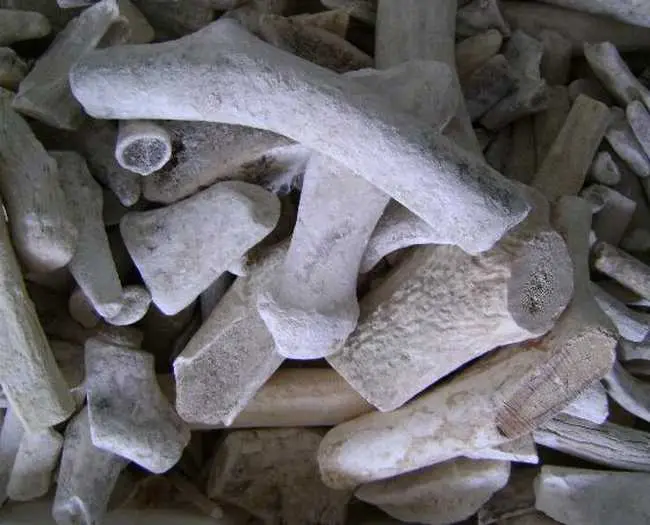
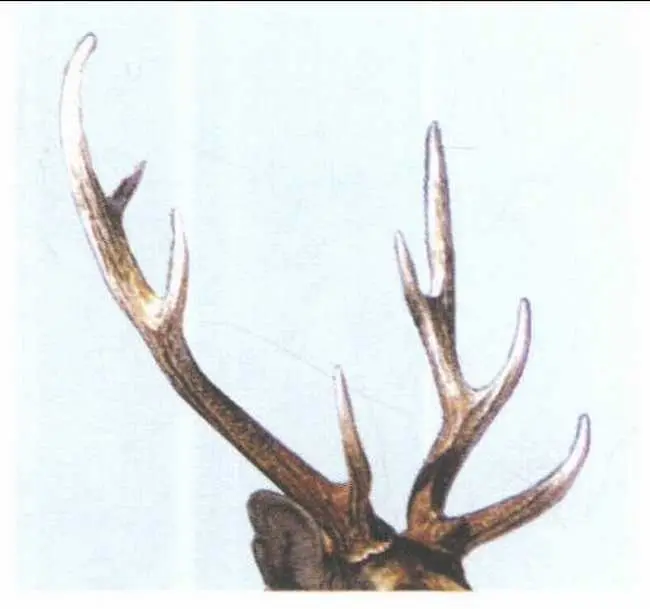
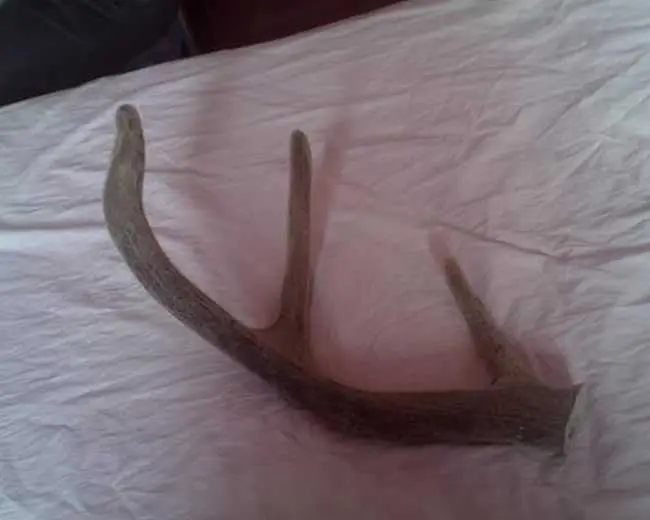
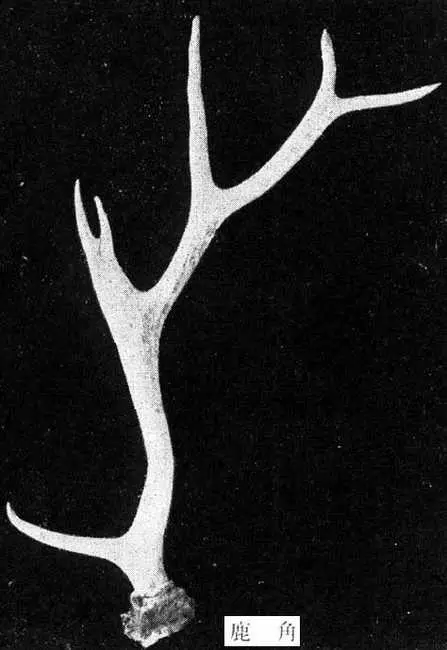
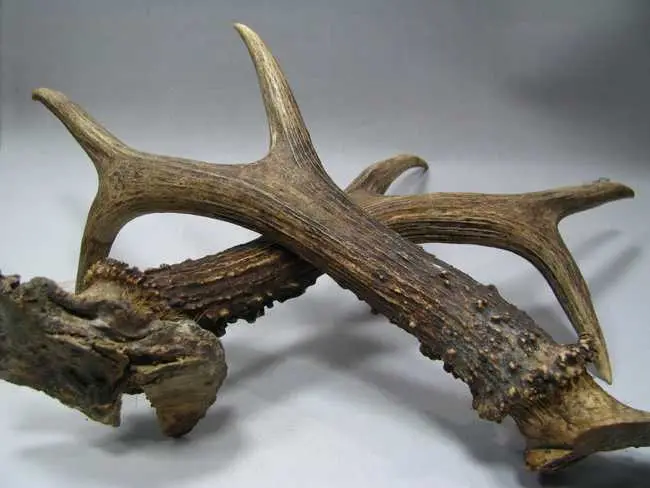
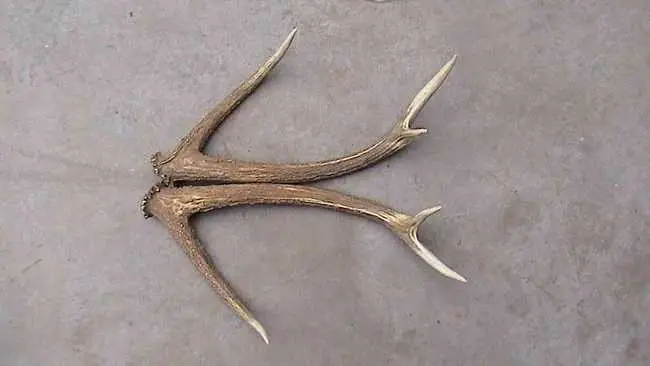
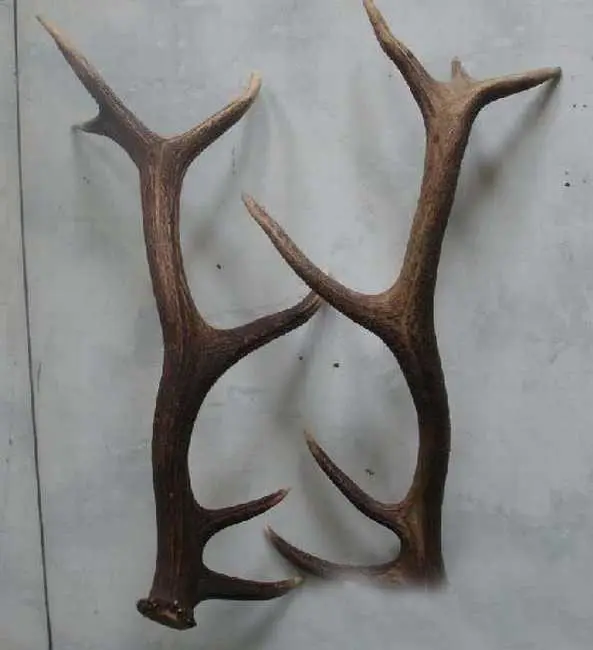
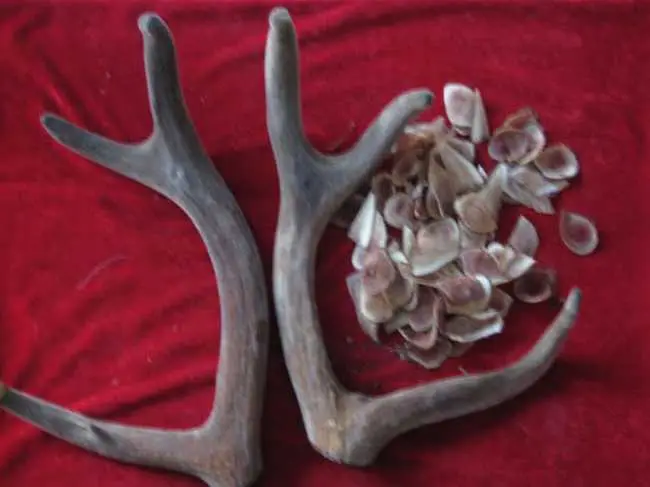
Red deer antler: Branched, usually 4-6 branches, total length 50-120 cm. Main branch curved, diameter 3-6 cm. Base disc-shaped with irregular nodular protrusions, commonly known as 'pearl disc', periphery often with sparse small holes. Side branches mostly extend to one side, the first branch close to the pearl disc, protruding at nearly right or obtuse angle to the main stem, the second branch close to the first, commonly known as 'sitting branch'; the second and third branches are farther apart. Surface grayish-brown or grayish-yellow, lustrous, tip smooth, middle and lower parts often with verrucous protrusions, commonly known as 'bone nails', and with interrupted longitudinal ridges of varying lengths, commonly known as 'bitter melon ridges'. Texture hard, fracture outer ring bony, grayish-white or slightly light brown, central part mostly grayish-brown or bluish-gray, with honeycomb-like holes. Odor slight, taste slightly salty. Sika deer antler: Usually 3-4 branches, total length 30-60 cm, diameter 2.5-5 cm. Side branches mostly extend to both sides, first branch close to pearl disc, second branch farther from first, main branch end divided into two small branches. Surface yellowish-brown or grayish-brown, branch tips grayish-white. Below the tip, obvious bone nails arranged longitudinally forming 'bitter melon ridges', top grayish-white or grayish-yellow, lustrous. Deer antler shed base: Helmet-shaped or flat helmet-shaped, diameter 3-6 cm (pearl disc diameter 4.5-6.5 cm), height 1.5-4 cm. Surface grayish-brown or grayish-yellow, lustrous. Bottom flat, honeycomb-like, mostly yellowish-white or yellowish-brown. Pearl disc periphery often with sparse small holes. Upper surface slightly flat or irregularly hemispherical. Texture hard, fracture outer ring bony, grayish-white or nearly white.
Once upon a time, three brothers divided their family property after their parents died. The eldest was harsh and cruel; the second was stingy and cunning; the third was honest, brave, and hardworking, and was praised by people. One day, the three brothers went hunting in the forest. The third walked bravely ahead, the second timidly in the middle, and the eldest, fearing death, followed behind. As they walked, unusual noises came from the woods. The eldest and second hid behind large trees, squatting and not daring to move, while only the third fearlessly walked toward the sound. Oh! It was a deer with tender antlers. The third calmly raised his hunting gun, pulled the trigger, and with a 'bang', the red deer was hit in the head and fell motionless in the grass. How to divide the dead deer? 'I think we should divide it like this! The eldest brother is the head of the family, so he should get the head; the younger brother is the tail of the family, so he should get the feet and tail,' said the cunning second, 'I am neither above nor below, neither front nor back, neither head nor tail, so I should get the body.' The harsh eldest waved his hand repeatedly and said: 'No, no, hunting is not about who is older or younger! The most reasonable way is that whoever shot which part gets that part, and whoever shot what gets what.' The shrewd second also strongly agreed. The honest third could not argue with them and had to take home a deer head with no meat. According to the village rules, no matter who hunted the game, a part must be shared with everyone to taste. The third was in a difficult position: there was no meat on the deer head, how could he share it? He came up with an idea: he borrowed a large pot and filled it with two full buckets of water. Then he put the deer head into the pot to boil. Since there was too little meat, and the antlers were not cut off and thrown away as before, he put them all in and boiled them into a pot of bone soup, and gave a bowl of soup to every villager in the village. Strange things happened: the eldest and second, who had eaten a lot of deer meat, did not get their bodies tonified, but those who drank the deer head soup all felt their whole body warm, their hands and feet full of energy, and their bodies became stronger. 'Why is this?' The experienced elderly thought: previously, when eating deer meat, they had never cooked it with deer antlers, so it had no effect. This time, the third put a pair of tender antlers into the pot and boiled them, so the effect was completely different. Later, people tried repeatedly and proved that tender deer antlers indeed have the effect of nourishing the body. Because the tender antlers have many fine hairs, people called this great tonic 'deer velvet' (Lu Rong).
0 cultivation notes and 11 authentication articles exist for this herb. They are long-form field material and are published in Chinese only.
Chinese version · All herbs