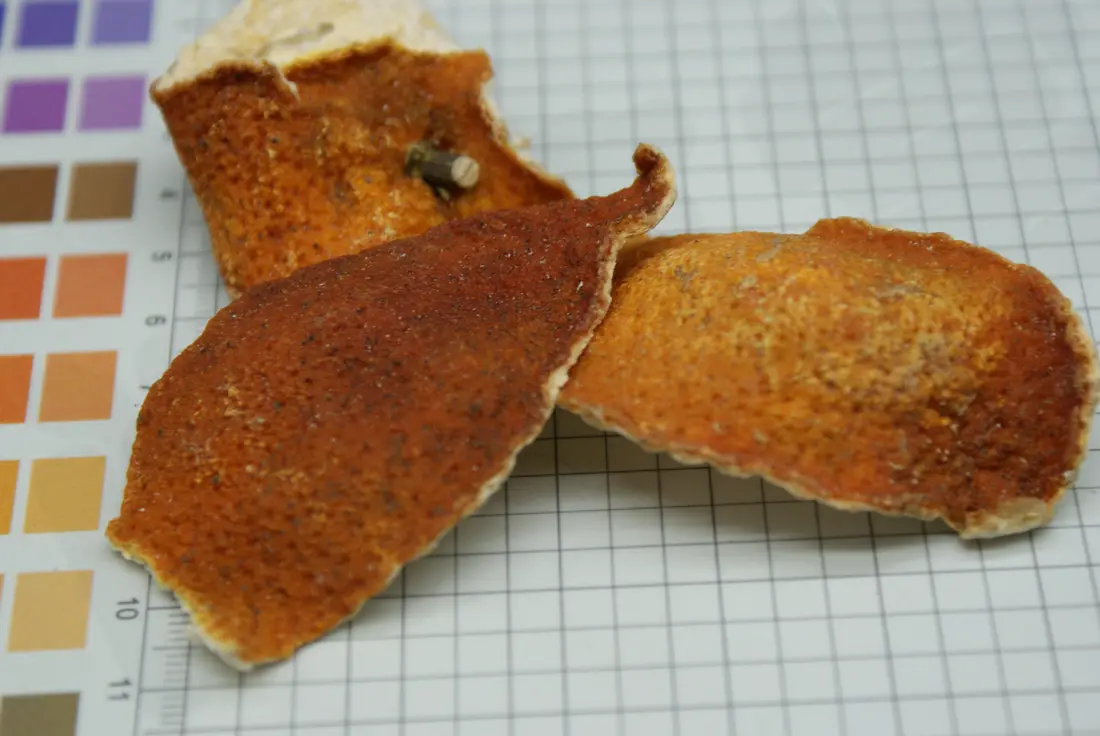
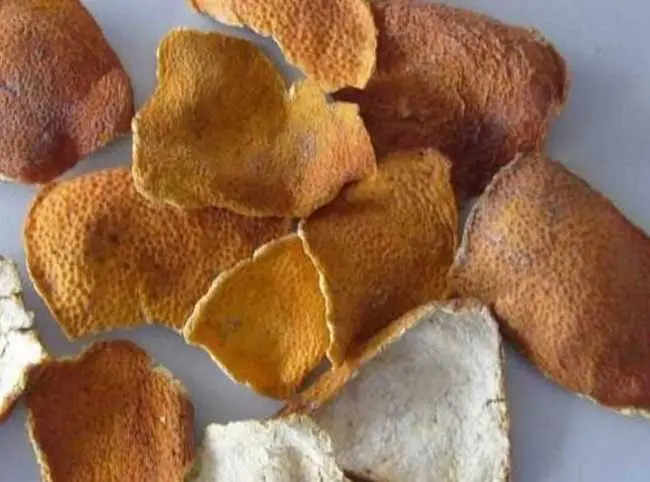
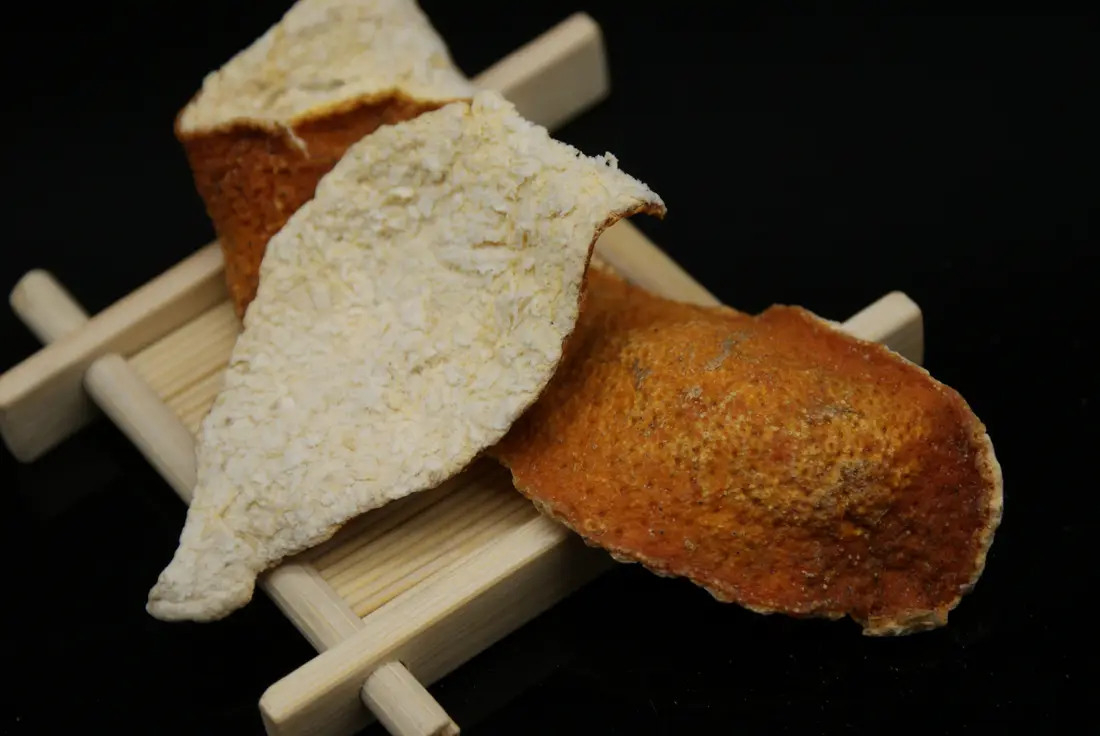
Wu Xu Yan Nian Dou (Black Bean for Black Hair and Longevity)Polygonum multiflorum (red and white, 90 g each), Eclipta juice 90 g, goji berries 60 g, Chen Pi 45 g, Rehmannia 45 g, mulberry juice 90 g, Sophora japonica fruit 45 g, Psoralea 30 g, angelica body 60 g, one black-boned old hen, black beans 1 kg.
Slaughter the black-boned hen, remove feathers and innards, wash, and cook to make 2 large bowls of soup. Put the above herbs and black beans into a clay pot with the chicken soup and aged wine, and simmer over gentle heat until the liquid is absorbed. Remove the herbs and keep the beans. Eat 50–100 g of beans each morning and drink 1 cup of wine.
Darkens hair and beard, promotes longevity. Suitable for daily health maintenance.
Zhu Liao Dou (Boiled Medicinal Black Beans)Prepared Polygonum multiflorum 24 g, goji berries 24 g, Rehmannia (raw and prepared) 12 g each, angelica 12 g, stir-fried Eucommia 12 g, Achyranthes 12 g, chrysanthemum 3 g, licorice 3 g, Ligusticum 3 g, Chen Pi 3 g, Atractylodes 3 g, white peony 3 g, Moutan 3 g, astragalus 6 g, salt 18 g, black beans 500 g.
Boil the above herbs with black beans until thoroughly cooked, then sun-dry. Remove the herbs and eat the black beans as a snack, about 30–50 g per day.
Darkens hair and beard, strengthens teeth and brightens eyes. Suitable for premature white hair due to blood deficiency, dizziness, palpitations, and pale complexion, lips and nails.
Liang Jiang Ji Rou Chao Fan (Galangal Chicken Fried Rice)Alpinia officinarum 6 g, Amomum tsao-ko 6 g, Chen Pi 3 g, chicken 150 g, cooked rice 150 g, chopped scallion, salt, cooking wine and MSG to taste.
Wash the first three herbs, add water and decoct to obtain 50 ml of concentrated juice. Slice the chicken. Heat oil in a wok, add chicken slices, stir-fry briefly with cooking wine and scallion, then add rice, salt, MSG and the herbal juice, and stir-fry briefly.
Warms the stomach, dispels cold and removes dampness, promotes qi, relieves pain and lowers rebellion. Suitable for cold pain and distension of the epigastrium and abdomen due to cold in the spleen and stomach with dampness obstructing the middle, belching, vomiting and regurgitation.
Bai Mao Gen Xue Li Zhu Fei Tang (Imperata and Pear Pork Lung Soup)Fresh Imperata cylindrica rhizome 200 g, snow pears 2, pig lungs 1 set, Chen Pi 5 g.
(1) Wash pig lungs, cut into pieces, blanch in boiling water for 5 minutes, remove and rinse.
(2) Cut snow pears into pieces, remove core and seeds; cut Imperata rhizome into short lengths.
(3) Soak Chen Pi in water until soft, then simmer with pig lungs, snow pears and Imperata rhizome over gentle heat for 2 hours.
Clears heat, moistens the lungs, resolves phlegm and stops cough, cools the blood and aids digestion. Used for autumn heat with nosebleeds, cough, or dry cough without phlegm, or blood-streaked phlegm, thick yellow phlegm, sore throat, hoarseness, dry lips and tongue, and constipation. Also suitable for patients with hepatitis, cirrhosis, bronchitis and pneumonia.
Chen Pi Zhou (Chen Pi Porridge)Chen Pi 10 g, rice 50 g.
Wash and finely cut Chen Pi, decoct in water, strain and keep the juice. Wash rice, put in a pot, add Chen Pi juice and appropriate amount of water, and cook into a thin porridge. Take once daily. Alternatively, grind Chen Pi into fine powder and add 3–5 g to the porridge each time.
Promotes qi and strengthens the spleen, resolves phlegm and stops cough. Suitable for qi stagnation in the spleen and stomach, indigestion, distension and fullness of the epigastrium and abdomen, poor appetite, nausea and vomiting, cough with profuse phlegm, and chest oppression.
Su Ye Ju Pi Yin (Perilla Leaf and Tangerine Peel Drink)Perilla leaf 15 g (fresh 30 g), Chen Pi 10 g, fresh ginger 3 slices.
Put Perilla leaf 15 g (fresh 30 g), Chen Pi 10 g and fresh ginger 3 slices into a clay pot, bring to a boil over high heat, then decoct over medium heat for 10 minutes and drink.
This formula has the effect of releasing the exterior, dispelling cold and stopping cough. Suitable for patients with wind-cold common cold or gastrointestinal cold presenting with aversion to cold, nasal congestion, runny nose, headache, sore throat, epigastric distension and nausea.
Shan Yao Bai Shan Bao (Yam and White Eel Casserole)Ingredients: one white eel, lily bulb 25 g, Chinese yam 25 g. Seasonings: clear soup, Chen Pi, scallion-ginger juice, yellow wine, salt.
1. Wash lily bulb and soak in water; wash Chinese yam and cut into long strips; clean white eel, cut into sections, drain, add yellow wine, scallion-ginger juice and salt, mix well and leave for 15 minutes.
2. Pour clear soup into a clay pot, add Chinese yam, white eel, Chen Pi and lily bulb, bring to a boil over high heat, skim off foam, then simmer over low heat for 2 hours until the eel is tender, and finally add salt to taste.
This dietary formula tonifies qi, nourishes the lungs, stops cough and calms the spirit, strengthens the body and has good nourishing effects. However, it should not be consumed by those with weakness of the spleen and kidneys after illness, profuse phlegm, or diarrhea.
Wu Fa Dou (Black Beans for Dark Hair)Polygonum multiflorum, black sesame, Rehmannia, raw Platycladus orientalis, Eclipta, Ligustrum lucidum, etc. 30 g each, Sichuan pepper 9 g, large green salt 12 g, Chen Pi 15 g, black beans 500 g.
Decoct the above herbs (Polygonum multiflorum, black sesame, Rehmannia, raw Platycladus orientalis, Eclipta, Ligustrum lucidum, etc. 30 g each, Sichuan pepper 9 g, large green salt 12 g, Chen Pi 15 g) twice in water, strain and keep the liquid. Add 500 g of washed black beans to the liquid and boil until the liquid is fully absorbed by the beans. Finally, take out the beans and dry in a cool place.
This medicinal diet tonifies the liver and kidneys, benefits essence and blood, and darkens hair and beard. Suitable for premature white hair and hair loss due to deficiency of liver and kidney and depletion of essence and blood.
Liu Wei Niu Rou Fu (Six-Flavor Beef Jerky)Beef 2500 g, black pepper 15 g, long pepper 15 g, Chen Pi 6 g, Amomum tsao-ko 6 g, Amomum villosum 6 g, galangal 6 g, ginger juice 100 ml, scallion juice 20 ml, salt 100 g.
Select yellow cow leg meat, wash and cut into small strips. Grind the six herbs (black pepper, long pepper, Chen Pi, Amomum tsao-ko, Amomum villosum, galangal) into powder, add ginger juice, scallion juice and salt, mix well with the beef, put into a jar, seal and marinate for two days. Remove and bake in an oven until dry and cooked as jerky. Eat as desired.
Strengthens the spleen and tonifies deficiency, warms the middle and relieves pain.
Liang Jiang Dun Ji Kuai (Stewed Chicken with Galangal)Alpinia officinarum 6 g, Amomum tsao-ko 6 g, Chen Pi 3 g, black pepper 3 g, one rooster (about 800 g), scallion, salt and other seasonings to taste.
Wash the herbs and put them into a gauze bag, tie the opening. Slaughter the rooster, remove feathers and innards, wash and cut into pieces, remove head and claws. Put the chicken and herb bag into a clay pot, add appropriate amount of water, bring to a boil over high heat, skim off impurities, add salt, scallion and other seasonings, and simmer over low heat for 2 hours. Finally, remove the herb bag and serve the chicken and soup in portions 2–3 times, drinking the soup and eating the meat as desired.
Warms the middle and dispels cold, benefits qi and tonifies deficiency.