Xu Chang Qing (Cynanchum paniculatum root and rhizome)Materia Medica

Xu Chang Qing (Cynanchum paniculatum root and rhizome)

Xu Chang Qing
CYNANCHI PANICULATI RADIX ET RHIZOMA
Nature and flavorPungent, warm. Enters Liver and Stomach meridians.
Meridians enteredLiver, Stomach
Dosage3–12 g, added near the end of decoction.
Reference market price¥24 / kgBozhou market · spec 统根 · Shandong · snapshot 2026-11-21

Xu Chang Qing is a wind-damp herb used to relieve pain and itching in wind-damp bi syndrome and various painful conditions.

Source药物来源

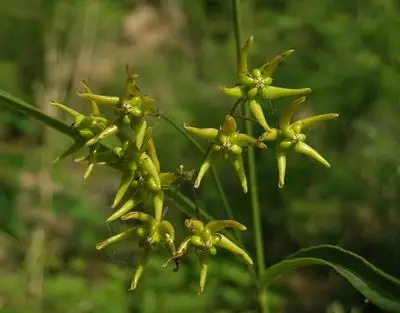
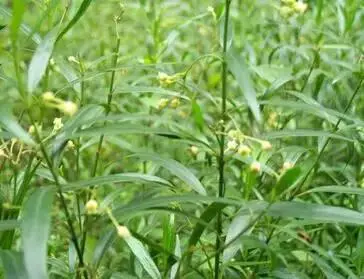
This product is the dried root and rhizome of Cynanchum paniculatum (Bge.) Kitag. (Asclepiadaceae). The name originates from a person's name: 'Xu Chang Qing is a person's name. Often this herb was used to treat evil diseases, so people named it after him' (Bencao Gangmu).

Identification性状特征

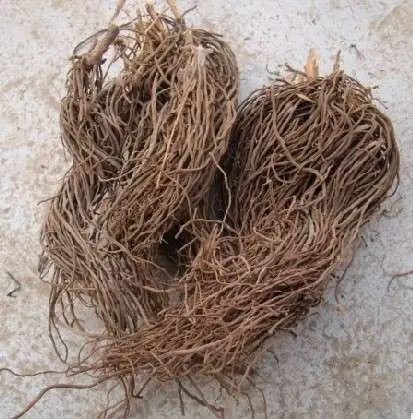
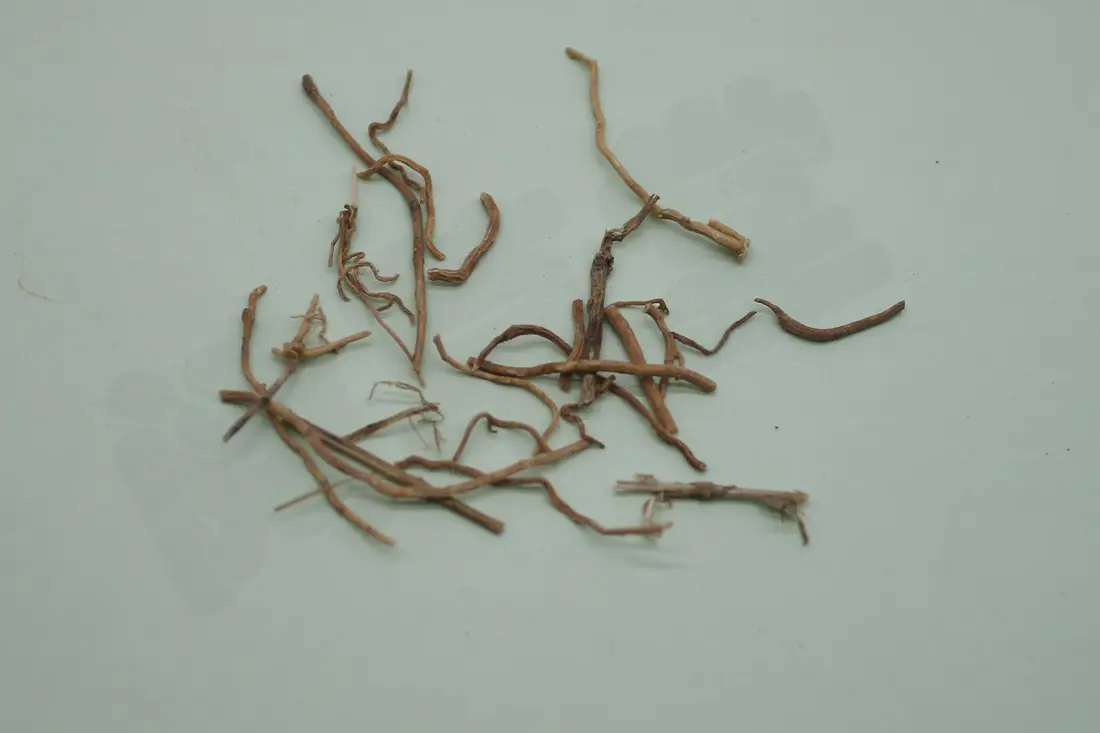
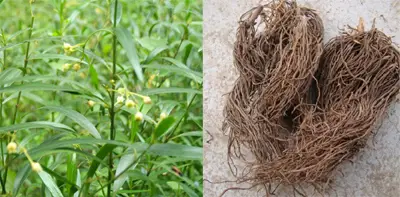
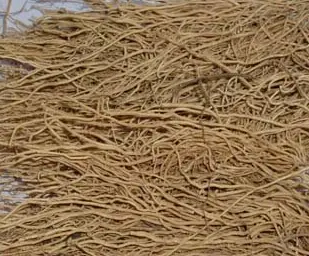
The rhizome is irregularly columnar, with disklike nodes, 0.5–3.5 cm long, 2–4 mm in diameter. Some have a residual stem at the top, slender cylindrical, about 2 cm long, 1–2 mm in diameter, hollow in cross-section; numerous roots grow around the nodes. Roots are slender cylindrical, curved, 10–16 cm long, 1–1.5 mm in diameter. Surface pale yellowish-white to pale brownish-yellow or brown, with fine longitudinal wrinkles and slender fibrous rootlets. Texture brittle, easily broken, fracture starchy, cortex whitish or yellowish-white, cambium ring pale brown, xylem small. Odor fragrant, taste slightly pungent and cool.

Properties and actions性味与功效
Actions
Dispel wind · Drain dampness · Relieve pain · Relieve itching
Indications
Used for wind-damp bi pain, stomach pain with distension, toothache, lumbar pain, traumatic injuries, wind rash, and eczema.
Dosage
3–12 g, added near the end of decoction.
Caution
Pungent and warm; use with caution in cases of yin deficiency with heat or excessive fire. General reminder: consult a qualified practitioner before use.
Processing炮制
Raw
Remove impurities, quickly wash, cut into segments, and dry in the shade.
Modern research现代药理
Paeonol
Paeonol (C9H10O3)
Classical records历代本草
Li Shizhen recorded in Bencao Gangmu that the herb is named after the physician Xu Chang Qing, who used it to treat various diseases. The name 'Gui Du You' refers to its ability to treat 'gui' (ghost) diseases.
Folklore本草传说

According to legend, a physician named Xu Chang Qing was highly skilled, especially in using a certain herb to treat pain caused by wind, dampness, cold, and warmth. He used it to cure a patient with decades of rheumatic joint and lumbar pain by soaking 10 qian of the herb in wine, and the patient recovered in about half a month. He also treated abdominal pain with equal amounts of the herb and Corydalis yanhusuo, and cured pruritic skin diseases by external washing. People associated this herb with the famous doctor and gradually called it Xu Chang Qing.
Audio and video语音与视频
Latin name · pronunciation
Narration and video are shared by all language versions and are in Chinese; the images and footage themselves are language-independent.
Photographs药材图片
Xu Chang Qing (Cynanchum paniculatum root and rhizome)
Cultivation and authentication栽培与鉴别

4 cultivation notes and 0 authentication articles exist for this herb. They are long-form field material and are published in Chinese only.

Read them in Chinese →

Compiled from public Chinese materia medica sources for study and reference. Not medical advice.
Chinese version · All herbs