Rose flower (Mei Gui Hua)Materia Medica

Rose flower (Mei Gui Hua)

Mei Gui Hua
ROSAE RUGOSAE FLOS
Nature and flavorSweet, slightly bitter, warm. Meridian tropism: liver, spleen.
Meridians enteredLiver, spleen
Dosage3–6 g
Reference market price¥88 / kgBozhou market · spec common grade · Shandong · snapshot 2026-11-21

Rose flower is a warming aromatic herb used in traditional medicine to promote qi movement, harmonize blood, and relieve pain.

Source药物来源

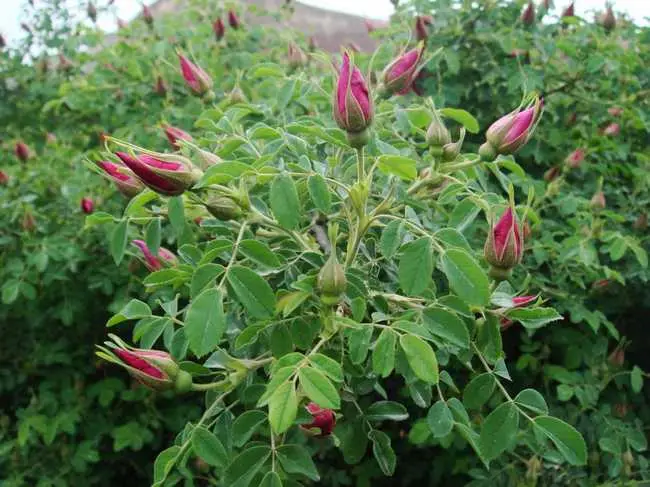
The dried flower buds of Rosa rugosa Thunb. (Rosaceae).

Identification性状特征

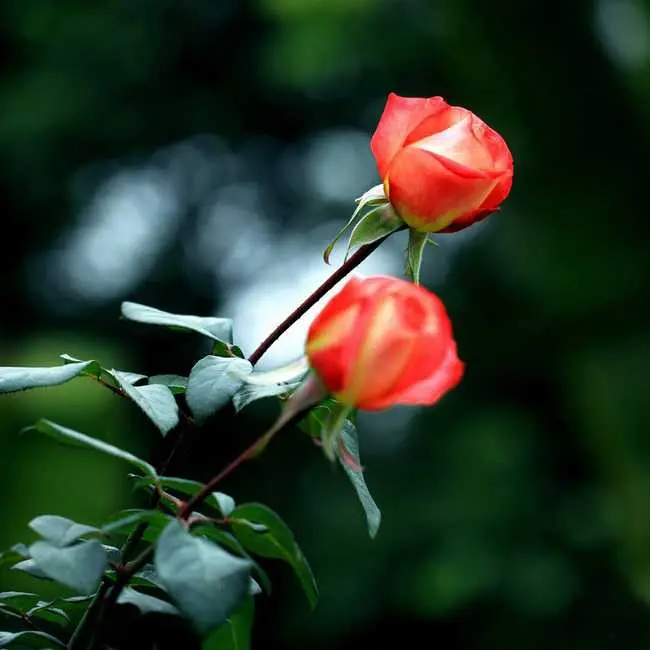
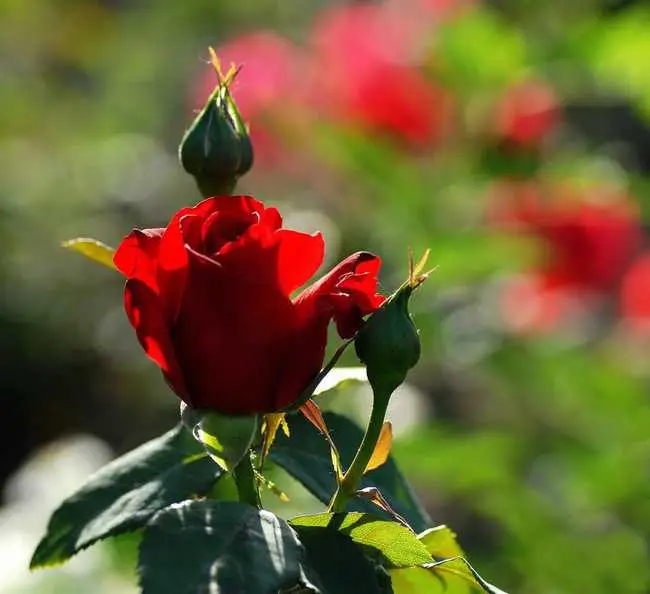
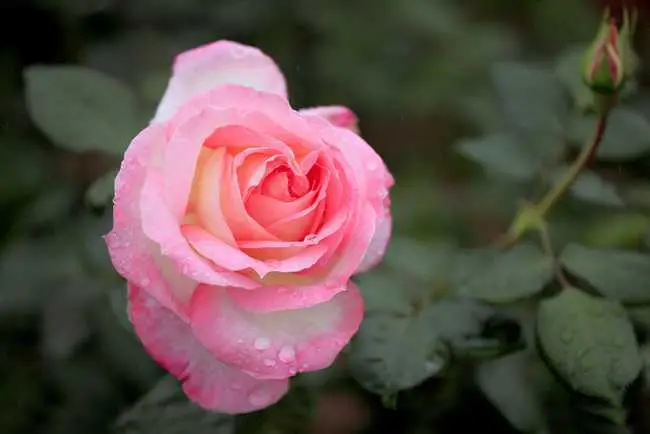
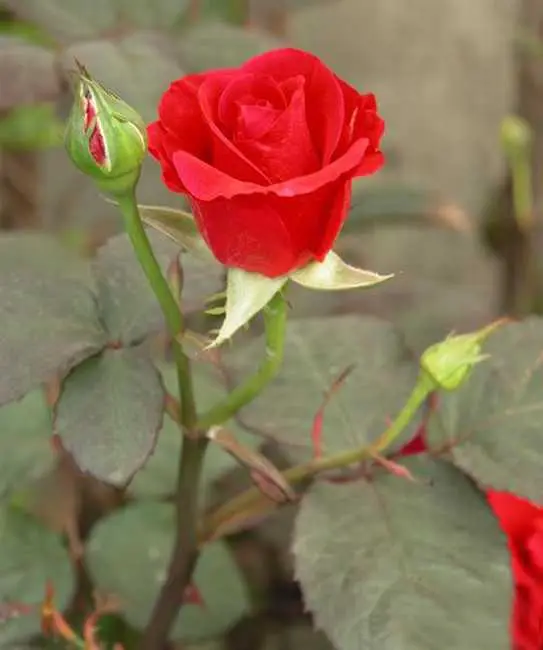
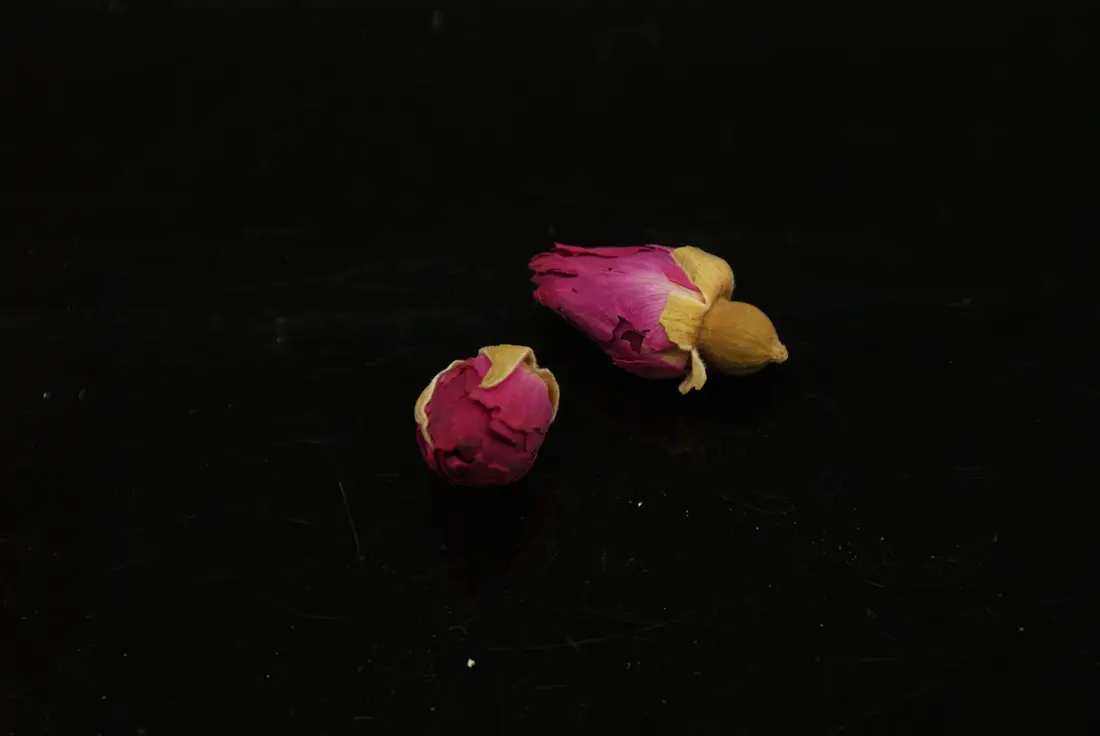
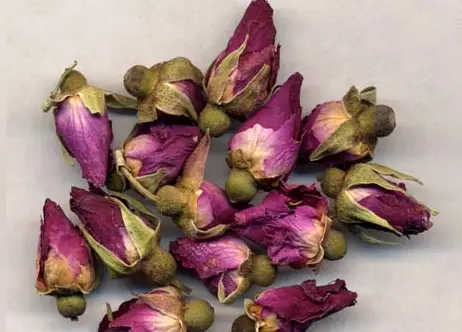
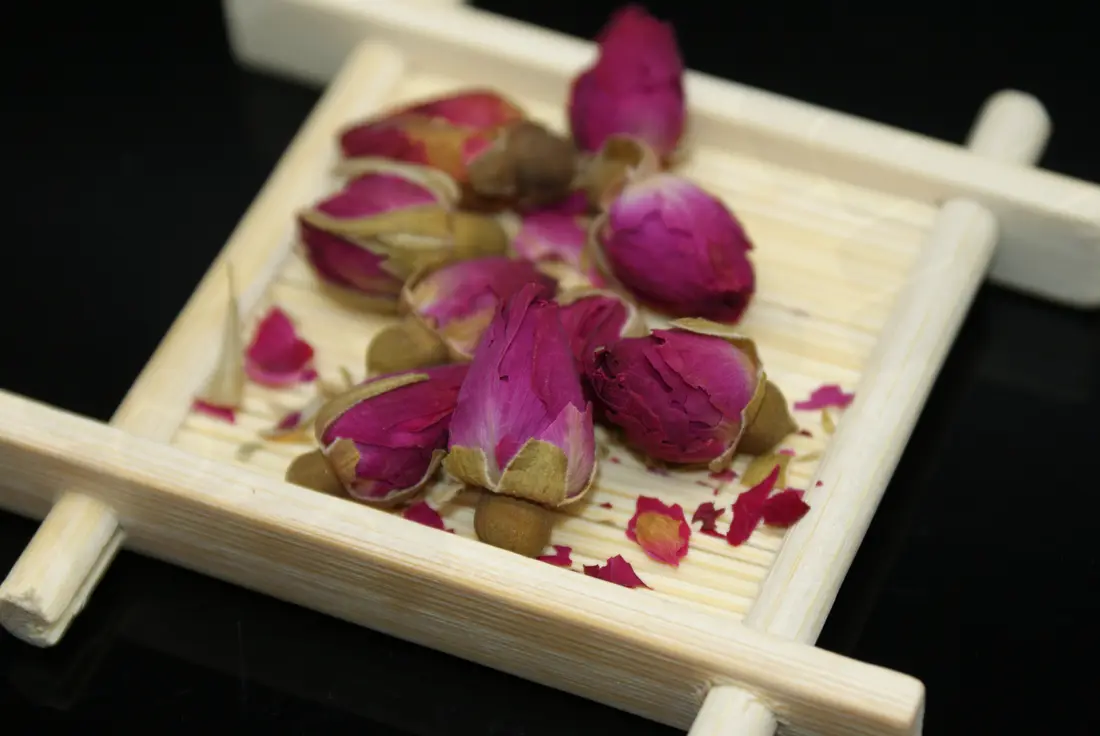
Slightly hemispherical or irregularly clustered, 0.7–1.5 cm in diameter. Remaining pedicels covered with fine soft hairs; receptacle hemispherical, fused with the base of the calyx; 5 sepals, lanceolate, yellow-green or brown-green, covered with fine soft hairs. Petals mostly wrinkled, broadly ovate when flattened, imbricate, purplish-red, some yellow-brown; stamens numerous, yellow-brown; styles numerous, stigmas aggregated into a head at the mouth of the receptacle, slightly protruding, shorter than stamens. Light, brittle. Strongly aromatic odor; taste slightly bitter and astringent.

Properties and actions性味与功效
Actions
Promote qi movement and relieve depression · Harmonize blood · Relieve pain
Indications
Used for liver-stomach qi pain, poor appetite with nausea and vomiting, irregular menstruation, and traumatic injuries with pain.
Dosage
3–6 g.
Caution
Use with caution in cases of yin deficiency or qi stagnation with heat; consult a qualified practitioner before use.
Modern research现代药理
Choleretic effect
Rose flower promotes bile secretion and has a choleretic effect.
Anti-aging and immune function
Rose hips have anti-aging and immune-enhancing effects.
Myocardial ischemia
An oral liquid chiefly formulated with rose improves myocardial ischemia and reduces the extent of myocardial infarction.
Antimony toxicity
In mice, oral rose decoction reduced the toxicity of oral antimony preparations (e.g., tartar emetic).
Classical records历代本草
Classical texts such as Bencao Gangmu Shiyi and Bencao Fenjing record rose as warm, aromatic, and entering the liver and spleen meridians, used to harmonize blood, promote qi movement, and treat wind-bi. Other texts mention its use for hematemesis, dysentery, and breast abscesses.
《本草纲目拾遗》:气香性温,味甘微苦,入脾、肝经,和血行血,理气治风痹。 《药性考》云:玫瑰性温,行血破积,损伤瘀痛,浸酒饮益。 治吐血玫瑰膏:《救生苦海》:用玫瑰花一百朵,初开者去心蒂,河水二碗,煎半;再用河水一碗,煎半去渣,和匀,共有碗半,复煎至一碗,白糖一斤,收成稠膏,不时服之。 噤口痢:用玫瑰花阴干煎服。 治乳痈:玫瑰花七朵,母丁香七粒,无灰酒煎服,自愈。 肿毒初起:《百草镜》:玫瑰花去心蒂,焙为末一钱,好酒和服。 乳痈初起,郁症宜此:《百草镜》:玫瑰花初开者,阴干燥者三十朵,去心蒂,陈酒煎,食后服。 肝胃气痛:用玫瑰花阴干,冲汤代茶服。 新久风痹:《百草镜》:玫瑰花去净蕊蒂,阴干三钱,红花、全当归各一钱,水煎,去渣,好酒和服七剂,陈根,永不再发。 吐红:《集听》:用玫瑰花不拘多少,去蒂,捣汁熬膏贮瓶内,每早空心茶匙挑四五匙,白滚水冲服,一二日即愈。 《少林拳经》:玫瑰花能治跌打损伤。 风痹药酒:《救生苦海》:用白槿花、大红月季花、玫瑰花去蒂各一两,闹羊花五钱,风茄花五朵,龙眼肉、北枣肉各一两,绍酒五壶浸,封七日,隔水煮之;坛上置白米一撮,米熟成饭为度,取出,每服二三杯,盖暖卧,避风,即愈。 保真丸:朱排山《柑园小识》:保真丸能通经络、和百脉、壮腰肾、健脾胃、加饮食、健步履,除一切痼疾,能固真元。用玫瑰花去蒂摘瓣,以竹纸糊袋装之,薄摊晒干,取净末一斤,不宜见火。此花色能益血,香能补气,妙难尽述。补骨脂一斤,淘净泥土,用甘、术、芪、苓各五钱,煎汁一碗拌晒,以汁尽晒燥炒;菟丝子一斤,用芎、归、芍、生地各五钱,煎汁去渣,以汁煮菟丝子,俟吐丝为度,晒干炒;胡桃仁六两,连皮捣如泥;杜仲四两;盐水炒去丝,韭子四两;淘净微火炒,各为细末,炼蜜为丸,如桐子大,每晨空心白汤服四钱,忌羊肉、芸薹并诸血。一方加鱼膘四两,男妇共服,可以种子,极效;或加鹿角胶、枸杞子。 《本草分经》:气味甘平,香而不散。肝病用之多效。蒸露尤佳。
Folklore本草传说

Rose, Rosa multiflora, and Rosa chinensis are known as the 'three roses of the garden'. In Western tradition, the rose symbolizes beauty and nobility; in Christianity, it is said to have been colored red by the blood of Christ, and in Islam, by the sweat of the Prophet Muhammad. The 15th-century English civil wars were called the Wars of the Roses. In Chinese legend, a rose garden saved a maiden from being burned as a witch. Another tale tells of a poor scholar who impressed a young lady with a rose-themed couplet and later married her after passing the imperial examination.
Culinary use民间药膳
Steamed Hashima with Rose
Dried rose flowers 25 g, safflower, cockscomb flower, trumpet creeper flower, wild chrysanthemum flower 15 g each, rice flour and glutinous rice flour 250 g each, white sugar 100 g.
Soak hashima oil in warm water for 3 hours until expanded, remove black sinews, and wash. Steam ham and cut into 1–2 cm slices. Place expanded hashima oil in a bowl, add chicken broth, cooking wine, and salt; steam for 1.5 hours. Add MSG and sugar, sprinkle ham slices on top. Serve alone or with meals.
Nourishes yin and moistens the lung, tonifies the kidney and strengthens sinews, and beautifies the face. Suitable for aging, sallow complexion, weakness of limbs, and emaciation due to liver-kidney deficiency and depleted original qi; also used as a tonic for postpartum weakness and the elderly.
Rose Five-Flower Paste
Dried rose flowers 25 g, safflower, cockscomb flower, trumpet creeper flower, wild chrysanthemum flower 15 g each, rice flour and glutinous rice flour 250 g each, white sugar 100 g.
Crush the dried flowers and set aside. Mix rice flour and glutinous rice flour; dissolve sugar in water. Add the flowers and stir quickly, gradually adding sugar water until the powder is evenly moistened and turns semi-transparent, forming cake powder. The moisture is right when a handful holds together and crumbles when rubbed. Sieve the powder into a cake mold and steam over high heat for 12–15 minutes. Eat as a snack, 30–50 g each time, once daily.
Promotes qi movement and relieves depression, cools the blood and invigorates blood, disperses wind and resolves toxicity. Suitable for chest oppression, freckles, and chloasma due to liver qi stagnation and emotional distress.
Rose Liqueur
Fresh rose flowers 3500 g, baijiu (white liquor) 15000 g, rock sugar 2000 g.
Pick rose buds just before opening; steep flowers and rock sugar in liquor in a ceramic jar or glass bottle. Do not heat; seal for over a month. Take 10–30 ml twice daily.
Harmonizes blood and dissipates stasis, regulates qi and relieves depression. Suitable for irregular menstruation, liver-stomach qi pain, acute and chronic wind-bi, and breast abscess pain due to blood stasis and qi stagnation.
Two-Flower Menstrual Tea
Rosa chinensis flower 9 g (double for fresh), rose flower 9 g (double for fresh), black tea 3 g.
Grind the three ingredients into coarse powder, brew with boiling water for 10 minutes, and drink warm at any time, one dose daily. Take for several days, and again a few days before menstruation.
Regulates qi and invigorates blood, regulates menstruation and relieves pain. Suitable for irregular menstruation or dysmenorrhea of the qi stagnation and blood stasis type.
Audio and video语音与视频
Latin name · pronunciation
Narration and video are shared by all language versions and are in Chinese; the images and footage themselves are language-independent.
Photographs药材图片
Rose flower (Mei Gui Hua)
Cultivation and authentication栽培与鉴别

7 cultivation notes and 4 authentication articles exist for this herb. They are long-form field material and are published in Chinese only.

Read them in Chinese →

Compiled from public Chinese materia medica sources for study and reference. Not medical advice.
Chinese version · All herbs