Zhi Shi (Immature Bitter Orange)
Zhi Shi
AURANTII FRUCTUS IMMATURUS
Nature and flavorBitter, pungent, sour, slightly cold. Meridian tropism: spleen, stomach.
Meridians enteredSpleen, stomach
Dosage3–10 g
Reference market price¥22 / kgBozhou market · spec common grade · 浙江 · snapshot 2026-11-21
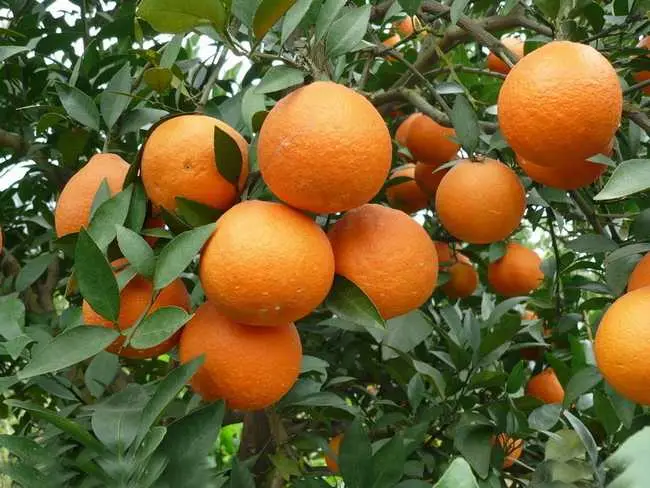
Zhi Shi is the dried immature fruit of Citrus aurantium or C. sinensis, used to break qi and reduce accumulation.
Source药物来源
This product is the dried immature fruit of Citrus aurantium L. or its cultivated varieties, or Citrus sinensis Osbeck (Rutaceae). Name origin: 'Zhi' is the name of the tree, 'shi' means its fruit; it is named for its use as a fruit in medicine.
Identification性状特征
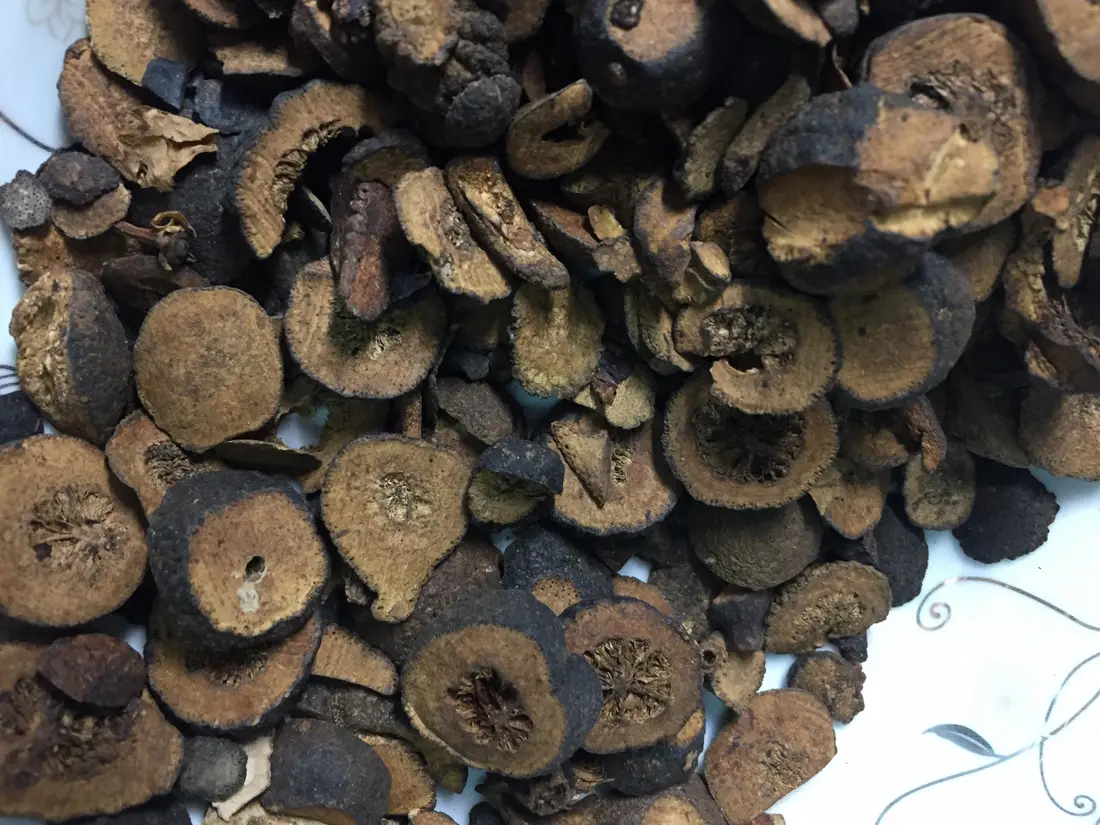
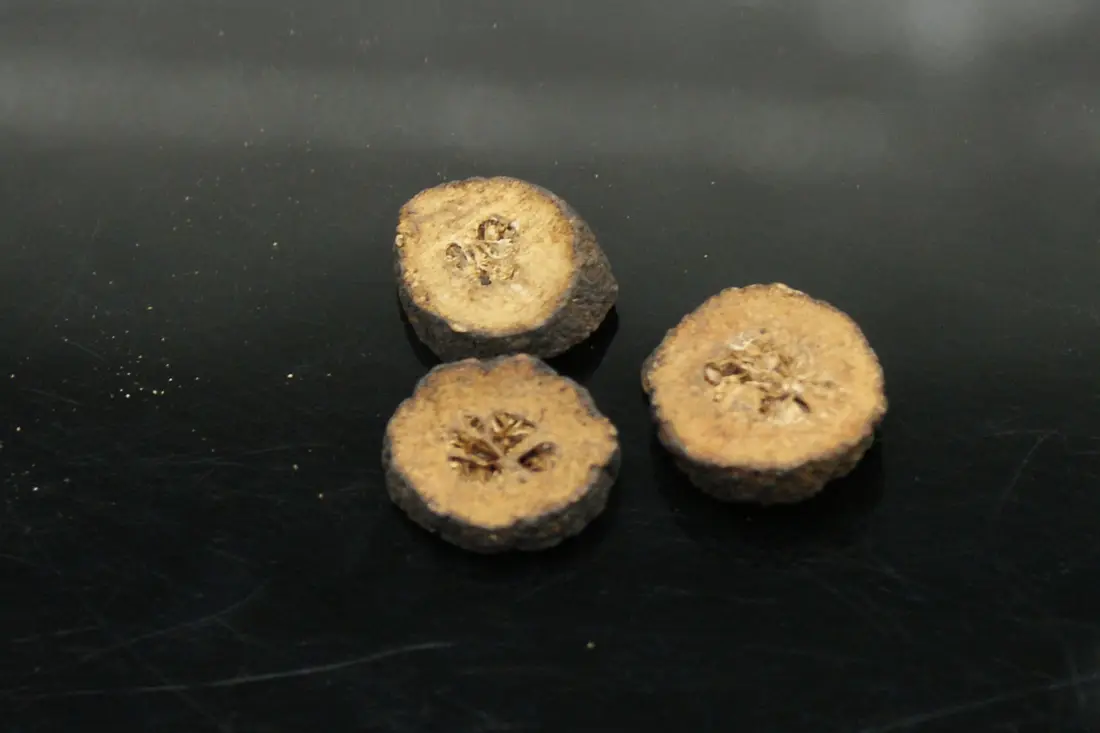
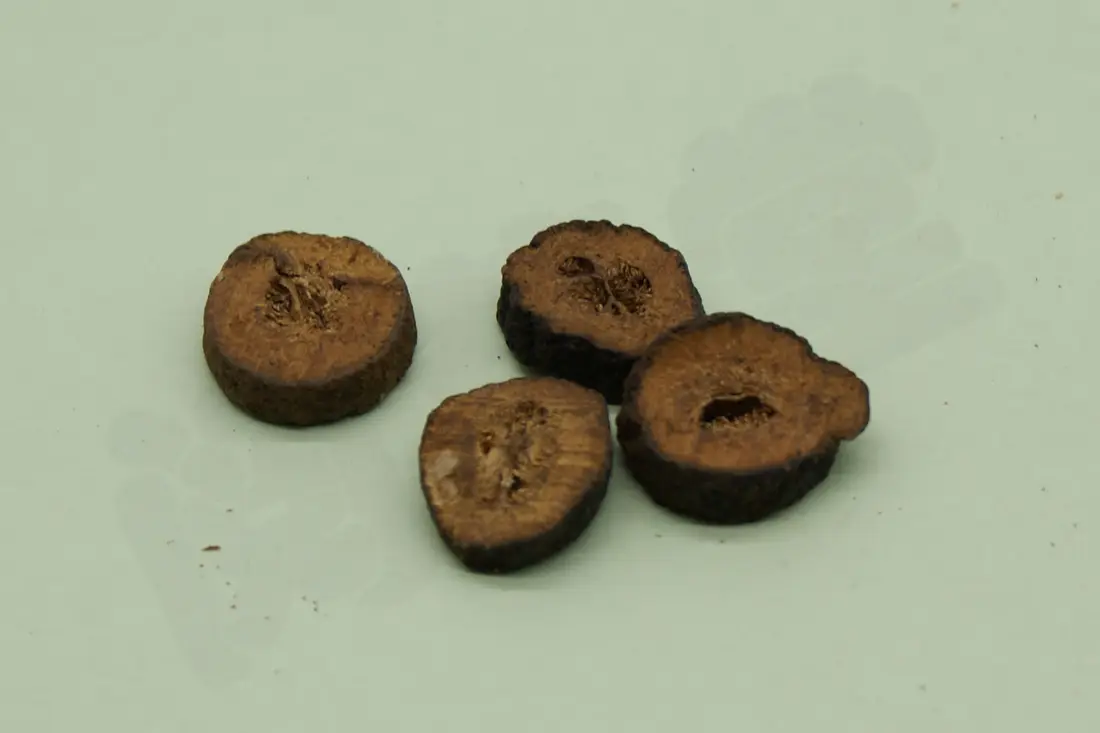
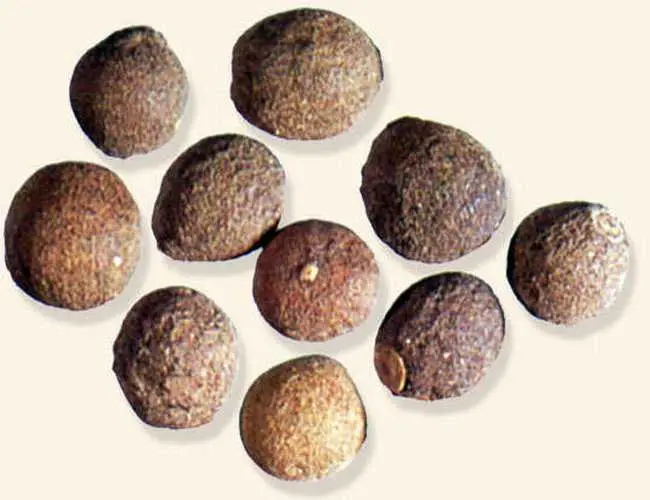
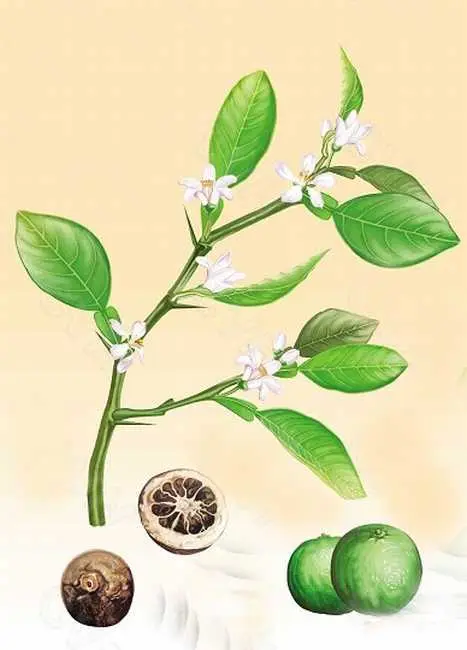
Hemispherical, rarely spherical, 0.5–2.5 cm in diameter. Exocarp dark green or brownish, with granular protrusions and wrinkles, distinct style remnants or fruit stalk scars. Cut surface: mesocarp slightly raised, 0.3–1.2 cm thick, yellowish white or yellowish brown, with 1–2 rows of oil cavities at the margin; pulp sacs brownish. Hard in texture. Fragrant odor, bitter and slightly sour taste.
Properties and actions性味与功效
ActionsBreak qi and reduce accumulation · Resolve phlegm and relieve distention
IndicationsUsed for internal retention of accumulation and stagnation, distention and pain, diarrhea and dysentery with tenesmus, constipation, phlegm and qi obstruction, chest impediment, binding chest, and organ prolapse.
CautionContraindicated in deficiency-cold of the spleen and stomach or in pregnant women with qi deficiency.
Processing炮制
Zhi Shi (raw)Remove impurities, wash, moisten thoroughly, slice thinly, dry, and sift out broken pulp and seeds.
Stir-baked with branFirst heat bran until hot, add clean Zhi Shi, stir-bake until color darkens, sift out bran, spread out to cool.
Stir-baked with flourMix clean Zhi Shi with flour paste, air-dry, then stir-bake over gentle fire until yellow and slightly charred, remove and spread out to cool.
Modern research现代药理
Gastrointestinal smooth muscleZhi Shi has a dual regulatory effect on gastrointestinal smooth muscle, possibly related to the body's functional state, different components of the drug, and animal species.
Cardiovascular systemZhi Shi injection and its constituents synephrine and N-methyltyramine significantly enhance various myocardial contractility and pump function indices in anesthetized dogs, with cardiotonic effects, increased cardiac output, and vasoconstriction leading to increased peripheral resistance and elevated left ventricular pressure and arterial blood pressure.
Anti-inflammatoryZhi Shi has anti-inflammatory effects.
Antibacterial and antiviralZhi Shi has antibacterial and antiviral effects.
Anti-allergicZhi Shi has anti-allergic effects.
AntioxidantZhi Shi has antioxidant effects. Its constituent naringin strongly scavenges superoxide anions.
Analgesic and antipyreticSubcutaneous injection of the ethyl acetate extract of Zhi Shi has analgesic effects; Zhi Shi also has antipyretic effects.
Classical records历代本草
Shennong Bencao Jing records it as bitter and cold, treating skin itching, eliminating cold-heat and heat accumulation, stopping dysentery, and promoting muscle growth. Bencao Gangmu summarizes its main function as regulating qi: when qi descends, phlegm and asthma stop; when qi moves, distention resolves; when qi flows, pain stops; when qi is regulated, tenesmus is eliminated. It also notes that Zhi Shi is key for chest impediment and distention, while Zhi Qiao is commonly used for hemorrhoids and dysentery with tenesmus.《神农本草经》:味苦,寒。主治大风在皮肤中,如麻豆苦痒,除寒热,热结,止痢,长肌肉。利五脏。
《本草纲目》:大抵其功皆能利气。气下则痰喘止,气行则痞胀消,气通则痛刺止,气利则后除。故以枳实利胸膈,枳壳利肠胃。然仲景治胸痹痞满,以枳实为要药;诸方治下血痔痢,大肠秘塞,里急后重,又以枳壳为通用。则枳实不独治下而枳壳不独治高也。盖自飞门至魄门,皆肺主之,三焦相通,一气而已,则二物分之可也,不分亦无伤。
湖阳公主苦难产,有方士进瘦胎散方,用枳壳四两,甘草二两,为末,每服一钱,白汤点服,自五月后一日一服,至临月,不惟男产,仍无胎中恶病也。洁古改以枳术丸日服,令胎瘦易生,谓之束胎丸。而宗奭言:胎壮则子有力易生,令服枳壳药反致无力,兼子亦气弱难差,所谓缩胎易产者,大不然也。以理思上,寇氏之说似觉为优。或胎前气盛壅滞者宜用之,所谓八、九胎必用枳壳,苏梗以顺气,胎前无滞,则产后无虚也。若气禀弱者,即大非所宜矣。
治里急后重。
《本草蒙筌》:味苦、酸,气寒。味薄气厚,阴也,阴中微阳。无毒。惟视皮厚小者为实,完大者为壳也。壳大则性详而缓治高,高者主气,治在胸膈;实小则性酷而速治下,下者主血,治在心腹。故胸中痞,肺气结也,有桔梗枳壳汤之煎;心下痞,脾血积也,有白术枳实汤之用。白术补脾,枳实去脾经积血,脾无积血,则不痞也。此高下缓急之分,易老详定以为准的也。除胀满,消宿食,削坚积,化稠痰。破气佐牵牛大黄芒硝,益气佐人参干姜白术。仲景加承气汤内,取疏通破结之功。丹溪入泻痰药中,有倒壁冲墙之捷。其大枳壳,亦贵陈年。泻肺脏,宽大肠。结气胸中,两胁虚胀者急服;发疹肌表,遍身苦痒者宜加。逐水饮停留,关节并利;破痰癖积聚,宿食亦推。同甘草瘦胎,即枳壳散。和黄连灭痔。即连壳丸。能损至高之气,不宜接迹服多。虚怯劳伤,尤当全禁。
《开宝本草》:味苦、酸,微寒,无毒。除胸胁痰癖,逐停水,破结实,消胀满、心下急、痞痛、逆气、胁风痛,安胃气,止溏泄,明目。
枳壳,味苦、酸,微寒,无毒。主风痒麻痹,通利关节,劳气咳嗽,背膊闷倦,散留结胸膈痰滞,逐水,消胀满大肠风,安胃,止风痛。
《名医别录》:味酸,微寒,无毒。主除胸肋淡癖,逐停水,破结实,消胀满、心下急、痞痛、逆气、肋风痛,安胃气、止溏泄,明目。
《本草拾遗》:枳壳,根皮主野鸡病(痔),末服方寸匕。
Folklore本草传说
In Dream of the Red Chamber, when Bao Yu's maid Qing Wen caught a cold, Dr. Hu prescribed a formula including Zi Su, Jie Geng, Fang Feng, Jing Jie, Zhi Shi, and Ma Huang. Bao Yu objected to the use of Zhi Shi and Ma Huang for a young girl. Later, Dr. Wang revised the formula, removing Zhi Shi and Ma Huang and adding Dang Gui, Chen Pi, and Bai Shao. However, Qing Wen's condition worsened and she eventually died. The story illustrates the debate over the appropriate use of potent herbs like Zhi Shi and Ma Huang in weak patients.
Cultivation and authentication栽培与鉴别
2 cultivation notes and 3 authentication articles exist for this herb. They are long-form field material and are published in Chinese only.
Read them in Chinese →