Atractylodes rhizome (Cang Zhu)
Cang Zhu
ATRACTYLODIS RHIZOMA
Nature and flavorPungent, bitter, warm; enters the Spleen, Stomach and Liver meridians.
Meridians enteredSpleen, Stomach, Liver
Dosage3–9 g
Reference market price¥110 / kgBozhou market · spec 光 · 内蒙古 · snapshot 2026-11-21
Atractylodes rhizome (Cang Zhu) is an aromatic herb used to dry dampness, strengthen the spleen, and dispel wind-cold.
Source药物来源
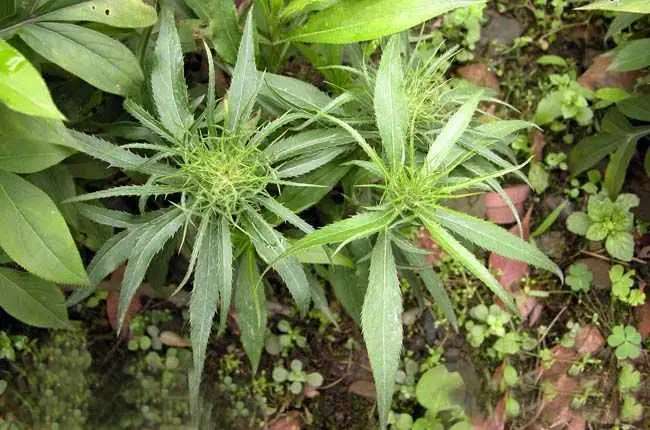
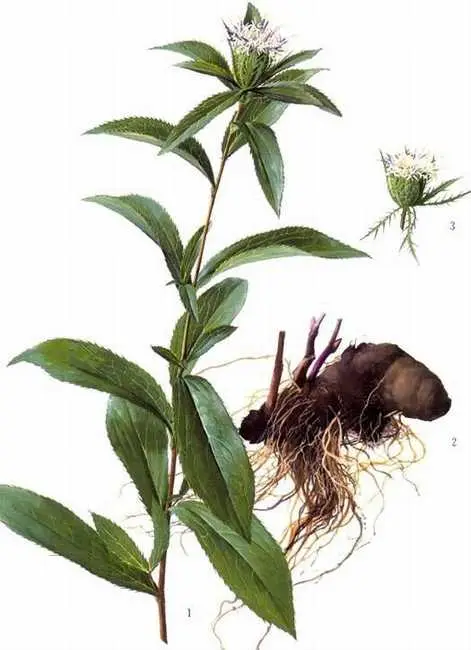
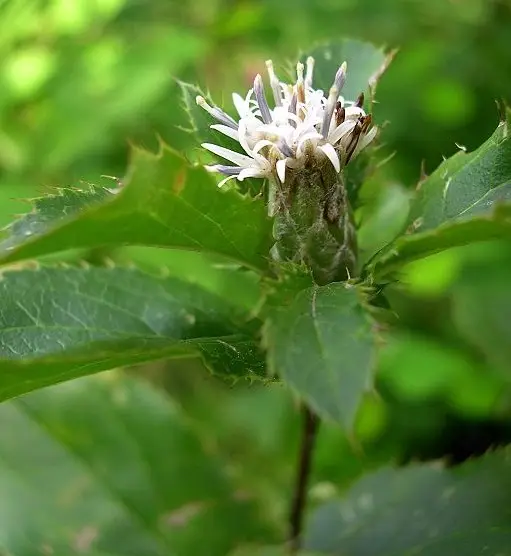
The dried rhizome of Atractylodes lancea (Thunb.) DC. or Atractylodes chinensis (DC.) Koidz. (family Asteraceae).
Identification性状特征
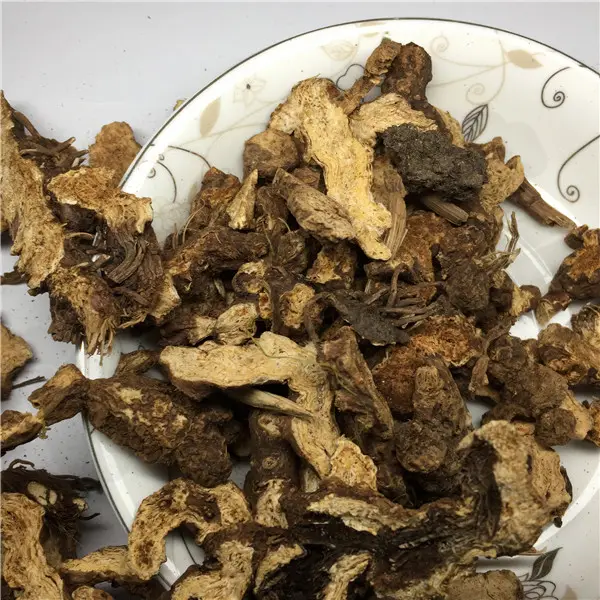
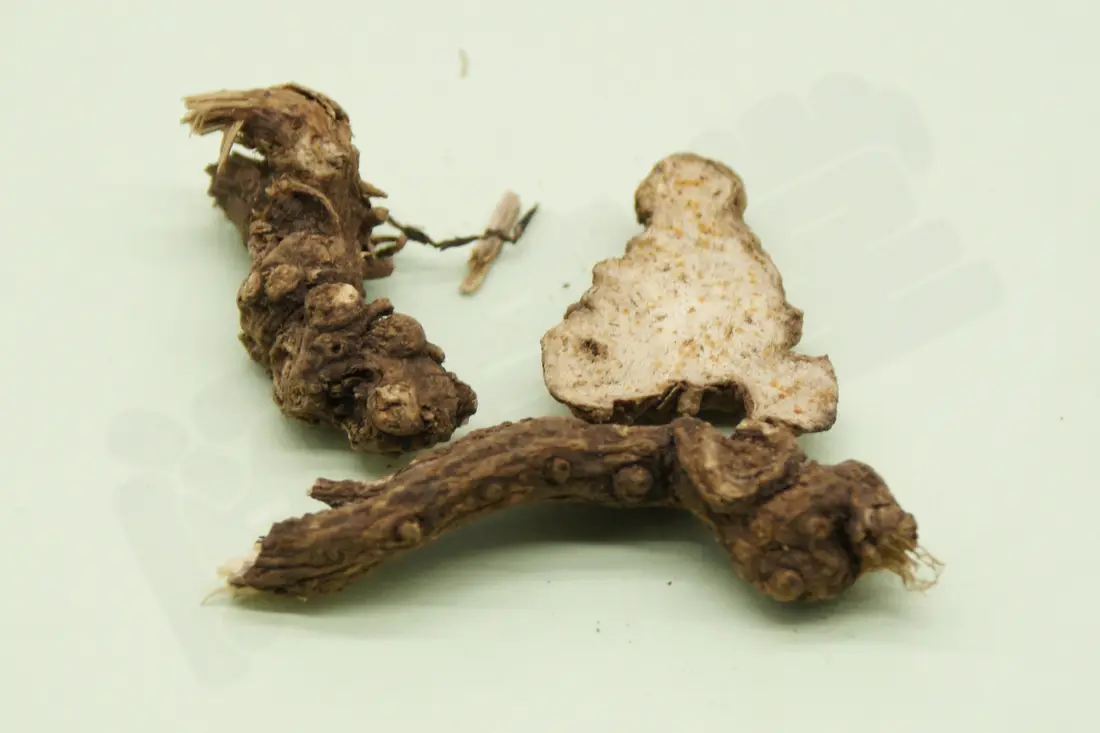
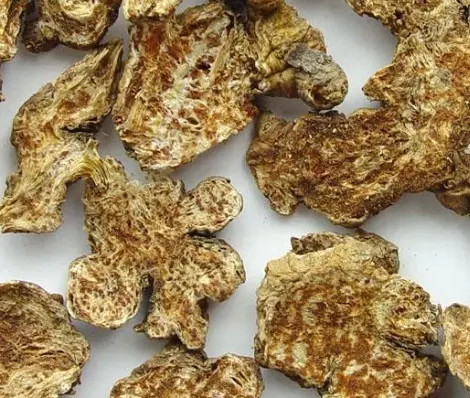
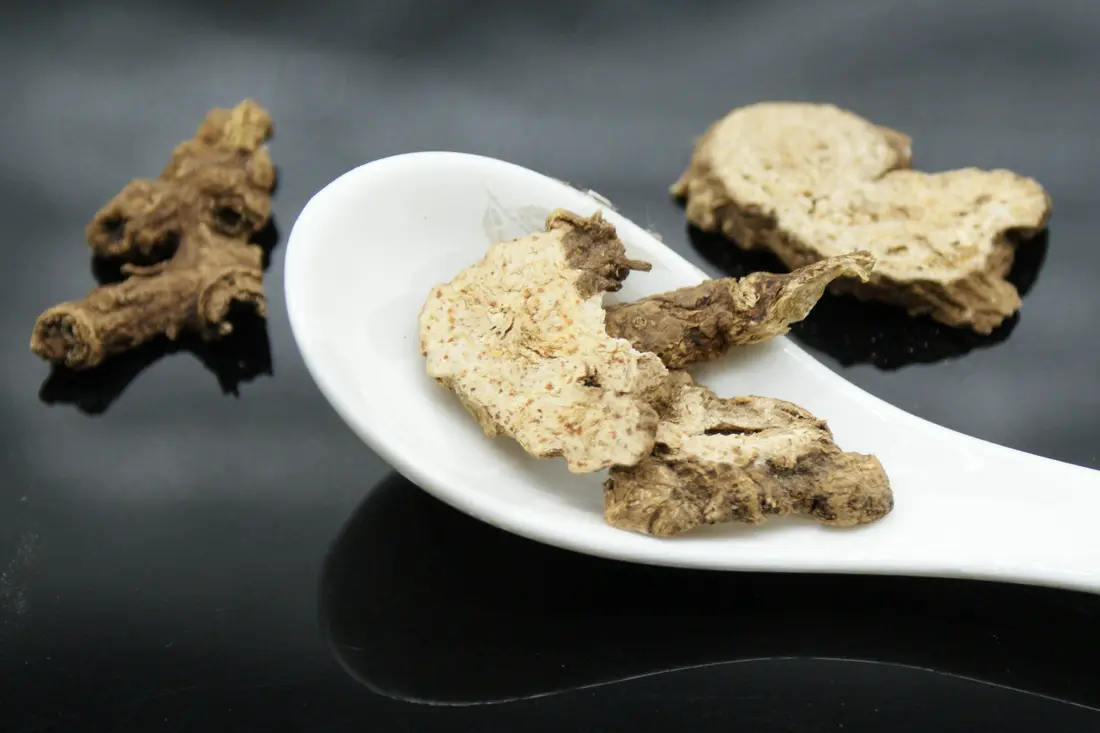
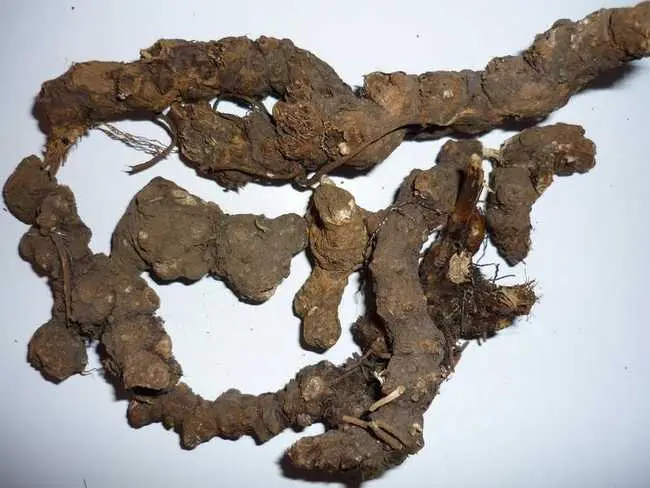
Mao Cang Zhu: irregular, bead-like or nodular cylindrical, slightly curved, occasionally branched, 3–10 cm long, 1–2 cm in diameter. Surface grayish-brown, wrinkled, with transverse curved striations and residual fibrous roots; apex with stem scar or residual stem base. Texture firm; fracture yellowish-white or grayish-white, scattered with numerous orange-yellow or brownish-red oil cavities; on exposure, white fine needle-like crystals may precipitate. Odor characteristic, taste slightly sweet, pungent and bitter. Bei Cang Zhu: lumpy or nodular cylindrical, 4–9 cm long, 1–2 cm in diameter. Surface dark brown; peeled surface yellowish-brown. Texture relatively loose; fracture with scattered yellowish-brown oil cavities. Aroma weaker, taste pungent and bitter.
Properties and actions性味与功效
ActionsDry dampness and strengthen the spleen · Dispel wind and dissipate cold · Brighten the eyes
IndicationsUsed for dampness obstructing the middle jiao with abdominal distention and fullness, diarrhea, edema, weakness and atrophy of the legs due to dampness (foot qi), wind-damp painful obstruction, common cold of the wind-cold type, night blindness, and blurred vision.
Dosage3–9 g, decocted and taken orally.
CautionCaution in cases of yin deficiency with heat or deficiency of qi and blood.
Processing炮制
Cang Zhu (raw)Remove impurities, wash, soften thoroughly, slice thickly, dry, and sift out fragments.
Stir-baked with branHeat the container, add wheat bran, heat over medium fire until smoking, add clean Cang Zhu slices, stir constantly until deep yellow, remove, sift out bran, and cool. For every 100 kg of clean slices, use 10 kg of wheat bran.
Charred Cang ZhuPlace clean slices in a preheated container, heat over medium fire until brown, spray with a little water, stir-fry over gentle fire until dry, remove, cool, and sift out fragments.
Modern research现代药理
Anti-ulcer effectCang Zhu has a bidirectional regulatory effect on gastrointestinal motility by acting on acetylcholine or directly on smooth muscle; its acetone extract significantly promotes gastrointestinal motility; its alcohol extract and aqueous solution significantly inhibit duodenal activity.
Hypoglycemic effectAtractylodin can lower blood glucose concentration, inhibit glycogen production, reduce muscle and liver glycogen stores and oxygen consumption, but increase blood lactate levels.
Antimicrobial and antiviral effectsWhen combined with other herbs such as mugwort leaf, it has killing effects on various cocci, bacilli, and viruses.
Other effectsIt also has diuretic, anti-hypoxic, and vasodilatory effects. Its volatile oil, hinesol, and eudesmol can significantly inhibit the growth of esophageal cancer cells.
Classical records历代本草
The Shen Nong Ben Cao Jing records its bitter, warm nature and use for wind-damp painful obstruction, dead muscle, spasms, jaundice, stopping sweating, clearing heat, and promoting digestion. The Bencao Gangmu cites cases of long-term use for various ailments and discusses its difference from Bai Zhu.《神农本草经》:味苦,温。主治风寒湿痹,死肌,痉,疸,止汗,除热,消食。
《本草纲目》:《夷坚志》载江西一士人,为女妖所染,其鬼将别曰:君为阴气所侵,必当暴泄,但多服平胃散为良,中有苍术能去邪也。许叔微《本高方》云:微患饮癖三十年。始因少年夜生写文,左向伏几,是以饮食多坠左边,中夜必饮酒数杯,又向左卧,壮时不觉,三、五年后,觉酒止从左下有声,胁痛食减嘈杂,饮酒半杯即止。十数日,必呕酸水数升。暑月止右边有汗,左边绝无。遍访名医及海上方,间或中病,止得月余复作。其补,如天雄,附子辈;利,如牵牛、甘遂、大戟、备尝之矣。自揣必有辟浊,如水之有窠臼,不盈窠不行,但清者可行,而浊者停滞,无路以决之,故积至五、七月必呕而去。脾土恶湿,而水则流湿,萸若燥脾以玄湿,崇土以填窠臼。乃恶屏诸药,只以苍术一斤,油麻半两,大枣五十枚,捣和丸梧子大,每日空腹温服五十丸,增至一、二百丸。服三月而疾除。自此常服,不呕不痛,胸膈宽利,饮啖如故,暑月汗亦周身,灯下能书细字,皆术之力也。初服时必觉微燥,以山栀子末,沸汤点服解之,久服亦自不燥也。
白术,甘而微苦,性温而和。赤术、甘而辛烈,性温而燥,阴中阳也,可升可降,入足太阴、阳明,手太阴、阳明,太阳之经。
治湿痰留饮,或挟瘀血成窠囊,及脾湿下流,浊沥带下,滑泻肠风。
《本草图经》:服食多单饵术,或合白茯苓,或合石菖蒲,并捣末,但日水服,晚再进,久久弥佳。
《药性赋》:气味主治与白术同。补中除湿力不及白,宽中发汗功过于白。
《药性解》:苍术,味甘辛,性温,无毒,入脾、胃二经,主平胃健脾,宽中散结,发汗祛湿,压山岚气,散温疟。使、忌同白术。
按:苍术辛甘祛湿,脾胃最喜,故宜入之,大约与白术同功,乃《药性》谓宽中发汗,功过于白,固矣。又谓其补中除湿,力不及白,于理未然。夫除湿之道,莫过于发汗,安有汗大发而湿未除者耶。湿去而脾受其益矣。若以为发汗故不能补中,则古何以称之山精。炼服可长生也,亦以其结阴阳之精气耳。俗医泥其燥而不常用,不知脾为脏主,所喜惟燥,未有脾气健而诸脏犹受其损者。独火炎土燥,脾虚作闷者忌之,恐益其火也。
Folklore本草传说
In ancient times, Cang Zhu was regarded as a herb of longevity. The Shenxian Zhuan records that Chen Zihuang obtained a formula for taking Cang Zhu and became an immortal; Huo Shan's wife recovered from illness by taking it and lived to 170. Ge Hong's Baopuzi mentions a person who escaped famine by eating Cang Zhu. It was also used to purify air and ward off pests during festivals.
Cultivation and authentication栽培与鉴别
3 cultivation notes and 5 authentication articles exist for this herb. They are long-form field material and are published in Chinese only.
Read them in Chinese →