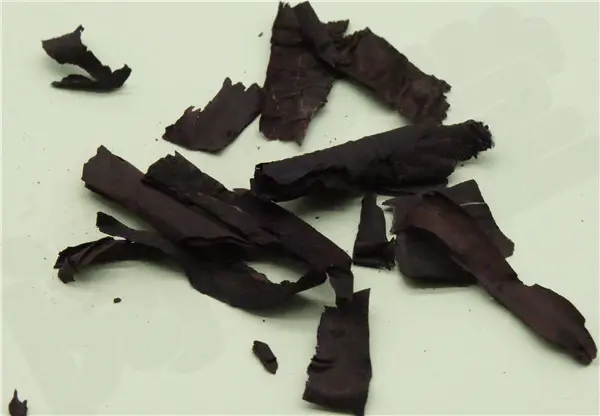
Arnebia root (Zi Cao)
Arnebia root is a cooling herb used to clear heat, cool the blood, and resolve toxicity, often applied for skin eruptions and burns.
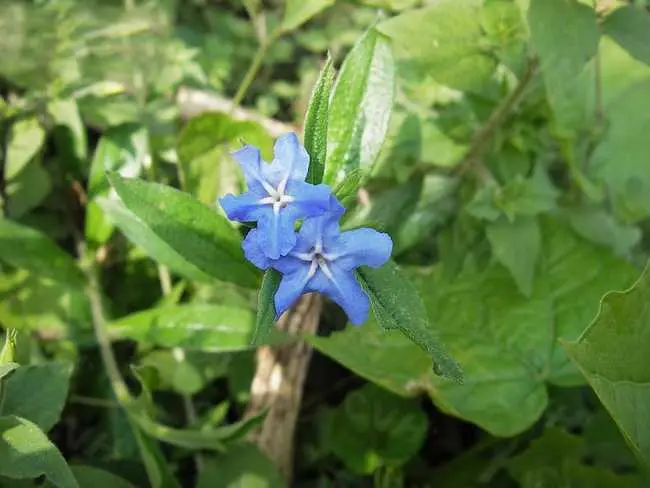
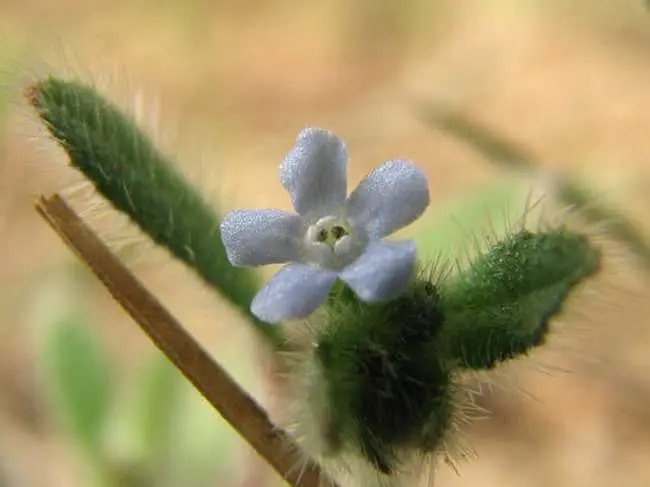
The dried root of Arnebia euchroma (Royle) Johnst. or Arnebia guttata Bunge (family Boraginaceae). The name derives from its purple flowers and roots, which can be used for dyeing, as recorded in the Compendium of Materia Medica (Bencao Gangmu). The medicinal part is the root, not the whole plant.
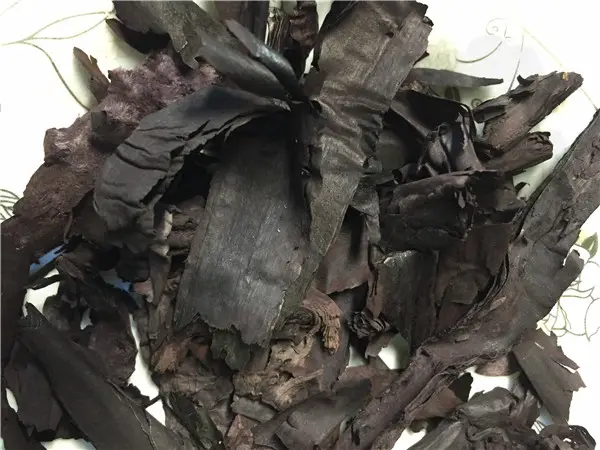
Xinjiang Arnebia (soft Arnebia): irregular long cylindrical, often twisted, 7–20 cm long, 1–2.5 cm in diameter. Surface purplish-red or purplish-brown; bark loose, in strips, often overlapping in more than 10 layers, easily peeled off. Stem remnants may be visible at the top. Light, soft, easily broken; fracture uneven, wood small, yellowish-white or yellow. Odor distinctive; taste slightly bitter and astringent. Inner Mongolia Arnebia: conical or cylindrical, twisted, 6–20 cm long, 0.5–4 cm in diameter. Root head slightly enlarged, with one or more stem remnants covered with short bristles. Surface purplish-red or dark purple; bark slightly thin, often in several overlapping layers, easily peeled off. Hard and brittle, easily broken; fracture relatively even, bark purplish-red, wood small, yellowish-white. Odor distinctive; taste astringent.
Legend tells of a young couple deeply in love. The girl fell into a deep sleep from an illness that no medicine could cure. The boy prayed daily until the Buddha, moved by his bleeding knees, asked if he would sacrifice his life. He agreed without hesitation. The Buddha told him to water a plant with his own blood daily; when it bloomed, the girl would be cured by drinking a decoction of its purple root. The boy cut his wrist to water the plant until it finally bore purple flowers. He dug up the root, made a decoction, and gave it to the girl. She awoke, but the boy passed away with a smile. The plant is said to be Zi Cao.
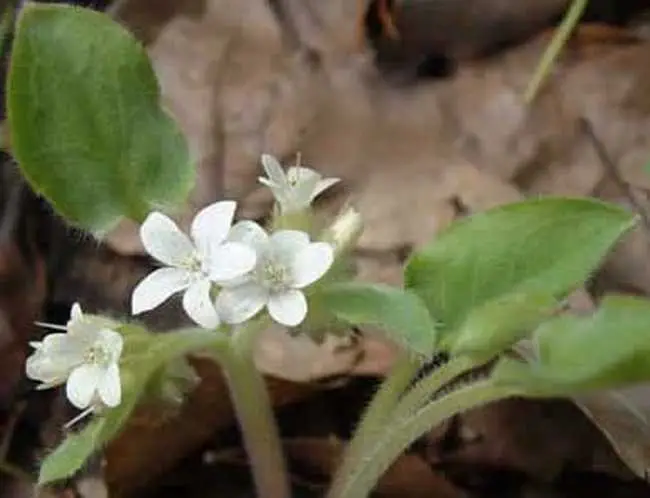
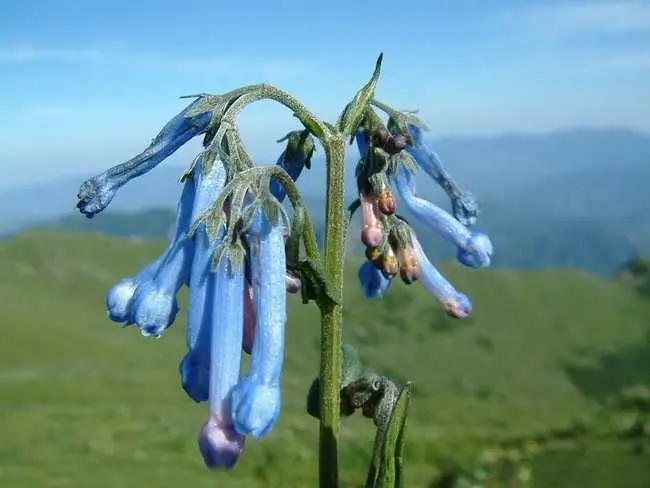
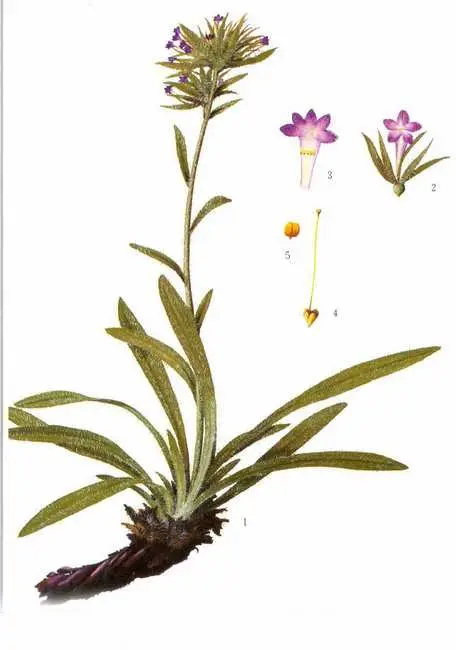
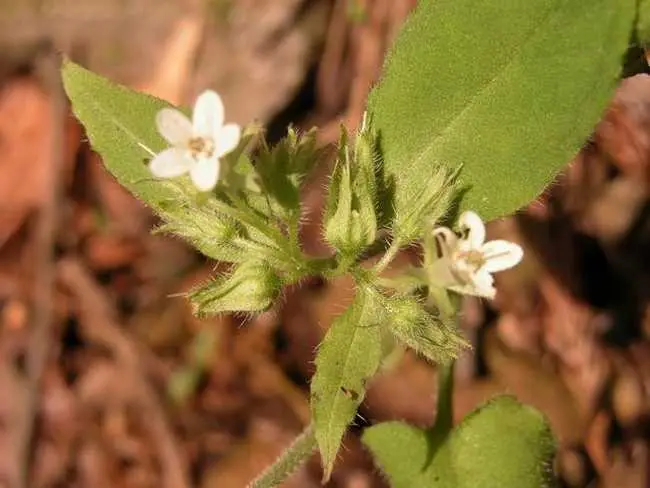
5 cultivation notes and 6 authentication articles exist for this herb. They are long-form field material and are published in Chinese only.
Chinese version · All herbs