Mosla (Xiang Ru)
Mosla is an aromatic herb used to release the exterior, resolve dampness and harmonize the middle.
The dried aerial parts of Mosla chinensis Maxim. or Mosla chinensis 'Jiangxiangru' (Lamiaceae).
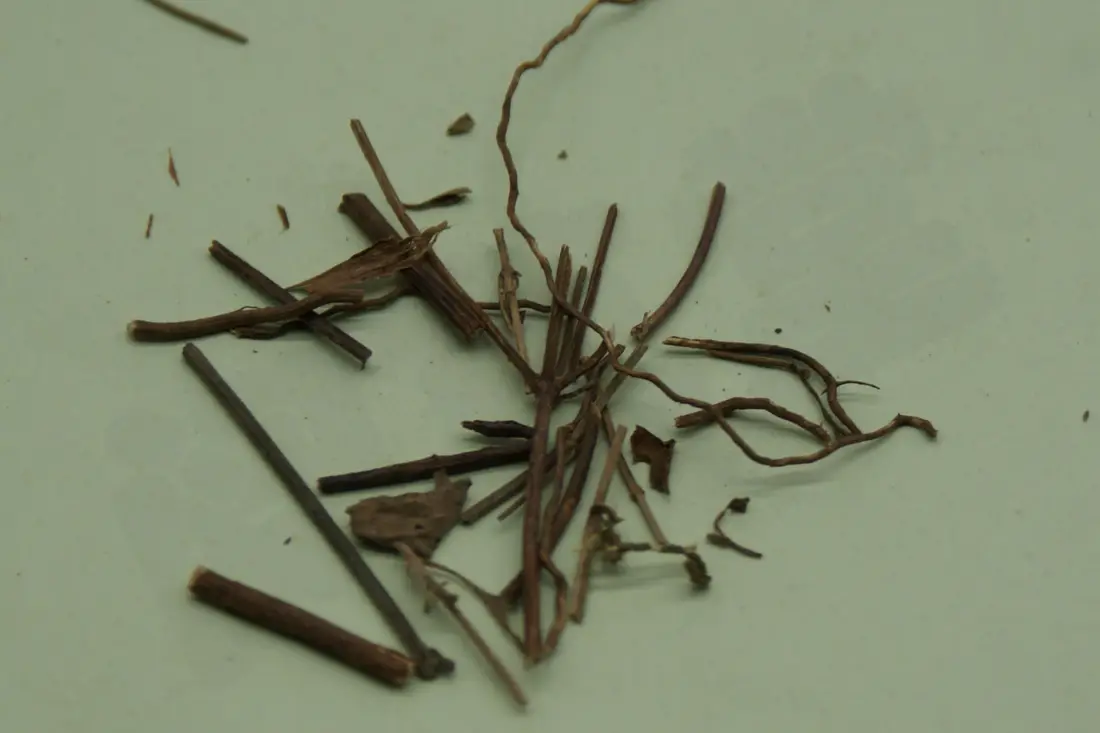
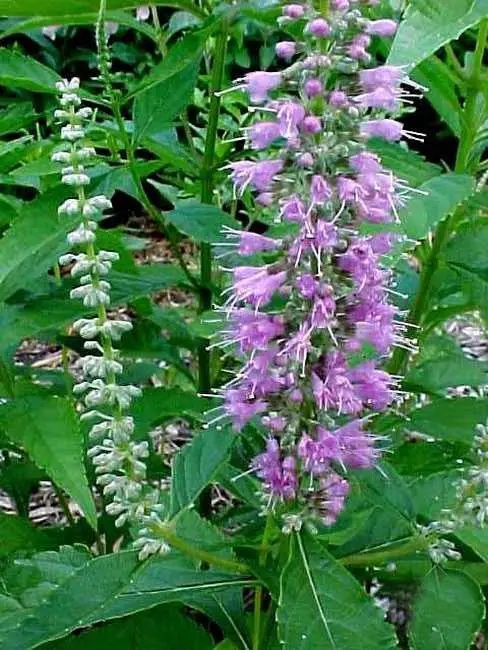
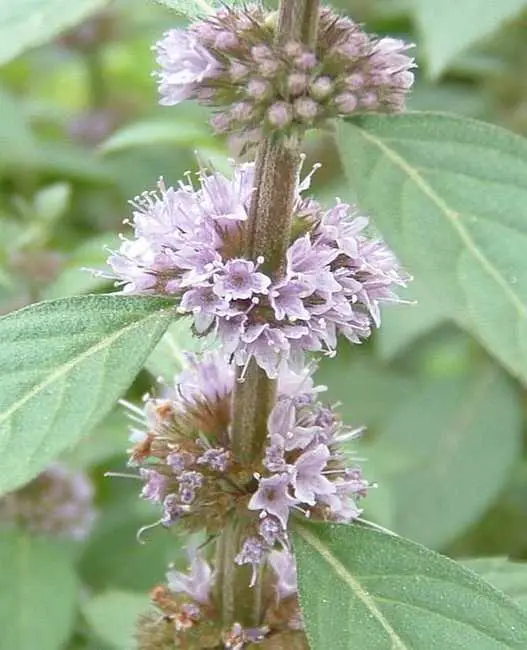
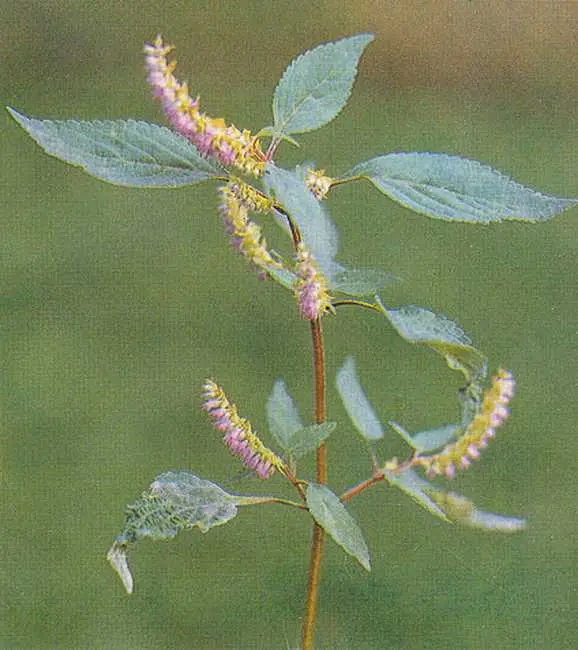
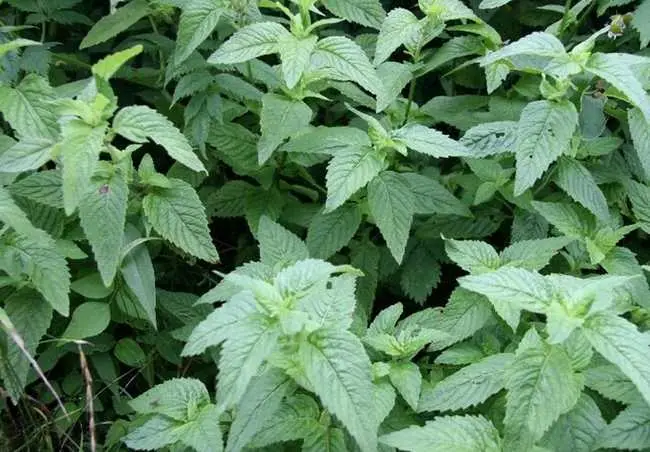
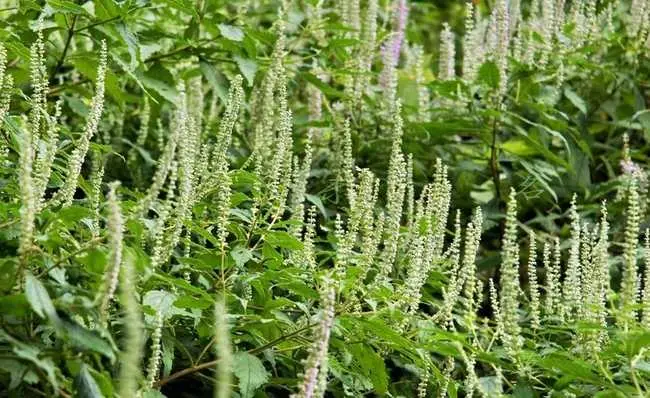
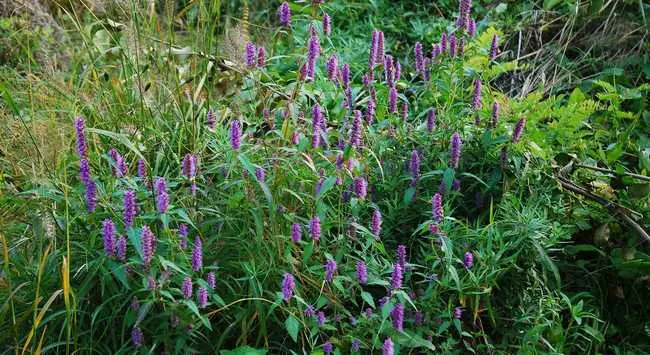
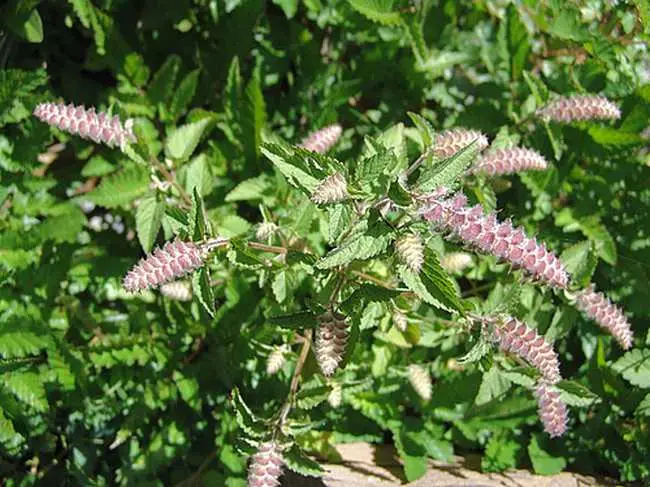
Green Mosla: 30–50 cm long, base purplish-red, upper part yellow-green or pale yellow, densely covered with white hairs. Stem quadrangular, base subrounded, 1–2 mm in diameter, nodes distinct, internodes 4–7 cm; brittle, easily broken. Leaves opposite, mostly wrinkled or fallen; when flattened, long ovate or lanceolate, dark green or yellow-green, margin with 3–5 sparse shallow teeth. Spike terminal and axillary; bracts rounded-ovate or rounded-obovate, persistent or fallen; calyx persistent, campanulate, pale purplish-red or grayish-green, apex 5-lobed, densely hairy. Nutlets 4, 0.7–1.1 mm in diameter, subglobose, reticulate. Odor fresh and strong; taste slightly pungent and cool.
Long ago, a woodcutter in the foothills of South Taiwu Mountain rescued a white rabbit from a giant snake. The rabbit led him to a cave where an immortal old man offered him treasures, but the woodcutter asked only for the rabbit. On the way home, he fell into a ravine and fainted. The rabbit pleaded with the immortal to turn her into a woman to save him. A beautiful girl named Xiangru appeared, revived him with her blood and herbs, and later married him. When a local official tried to take her by force and exiled the woodcutter, Xiangru jumped from a stone tower, and from the rocks where her blood splashed grew fragrant herbs. These were named Taiwu Xiangru, now known as the herb Mosla (Xiang Ru).
3 cultivation notes and 4 authentication articles exist for this herb. They are long-form field material and are published in Chinese only.
Chinese version · All herbs