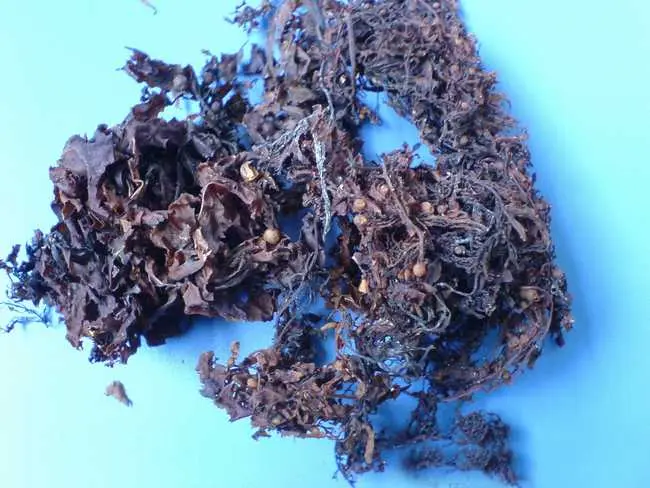
Sargassum (Hai Zao)
Sargassum is a cold, bitter and salty seaweed used in traditional medicine to resolve phlegm, soften hardness and reduce swelling.
The dried algal body of Sargassum pallidum (Turn.) C.Ag. or Sargassum fusiforme (Harv.) Setch. (family Sargassaceae).
Large-leaf Sargassum: wrinkled and curled, dark brown, sometimes covered with a white bloom, 30–60 cm long. The main axis is cylindrical with conical projections; main branches arise from both sides of the main axis, lateral branches from the axils of main branches, with short spine-like projections. Primary leaves lanceolate or obovate, 5–7 cm long, about 1 cm wide, entire or coarsely serrate; secondary leaves linear or lanceolate, with small branches bearing linear leaves in the axils. Air bladders dark brown, spherical or ovoid, sometimes stalked, apex obtuse-rounded, sometimes with a fine short point. Texture brittle, soft when moist; swells after soaking in water, fleshy and sticky. Odor fishy, taste slightly salty. Small-leaf Sargassum: smaller, 15–40 cm long. Branches alternate, without spine-like projections. Leaves linear or narrowly spoon-shaped, apex slightly swollen, hollow. Air bladders axillary, spindle-shaped or spherical, with longer stalks. Texture relatively hard.
Sargassum, bitter and cold, is used for goiter, neck nodules, and edema. Ancient texts record it as growing in ponds and marshes, and in the eastern sea, harvested on the seventh day of the seventh month and sun-dried. It is also called sea moss or sea vegetable, resembling tangled hair and growing in the sea.
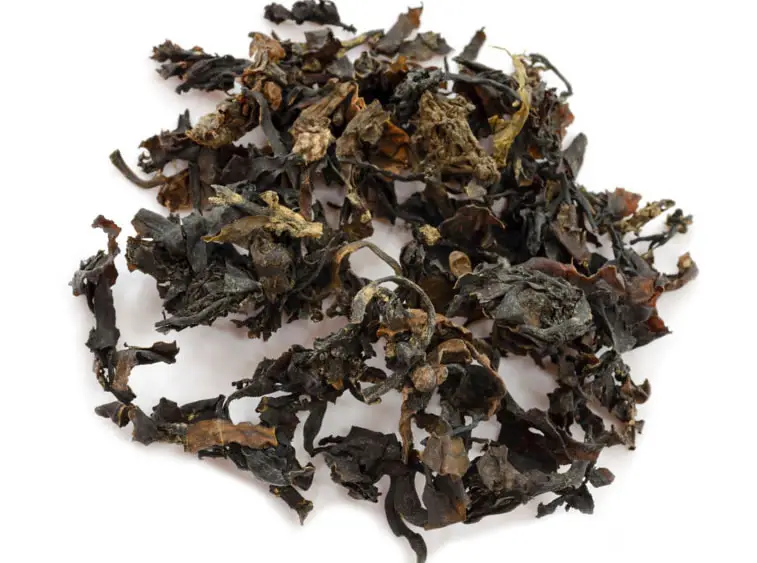
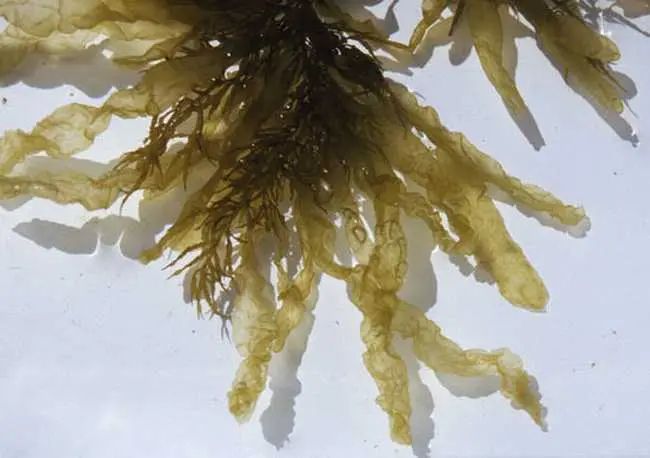

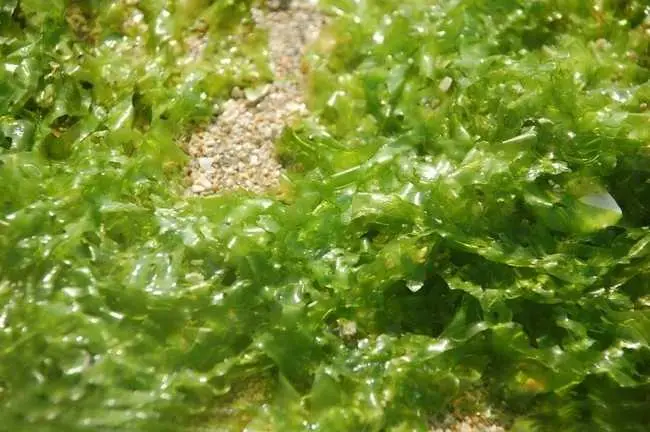
0 cultivation notes and 2 authentication articles exist for this herb. They are long-form field material and are published in Chinese only.
Chinese version · All herbs