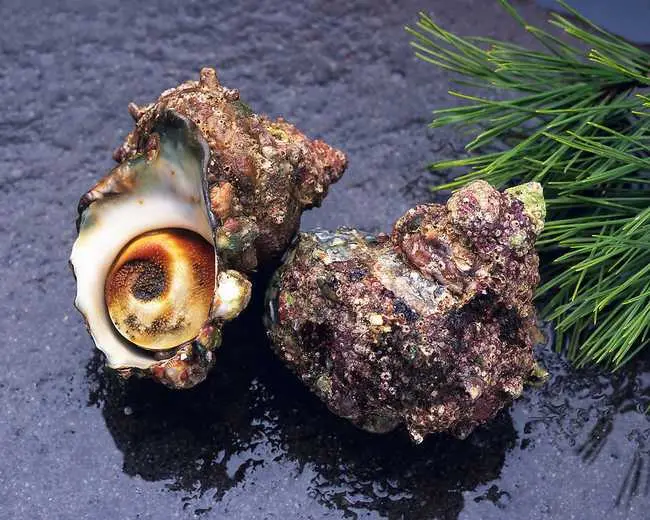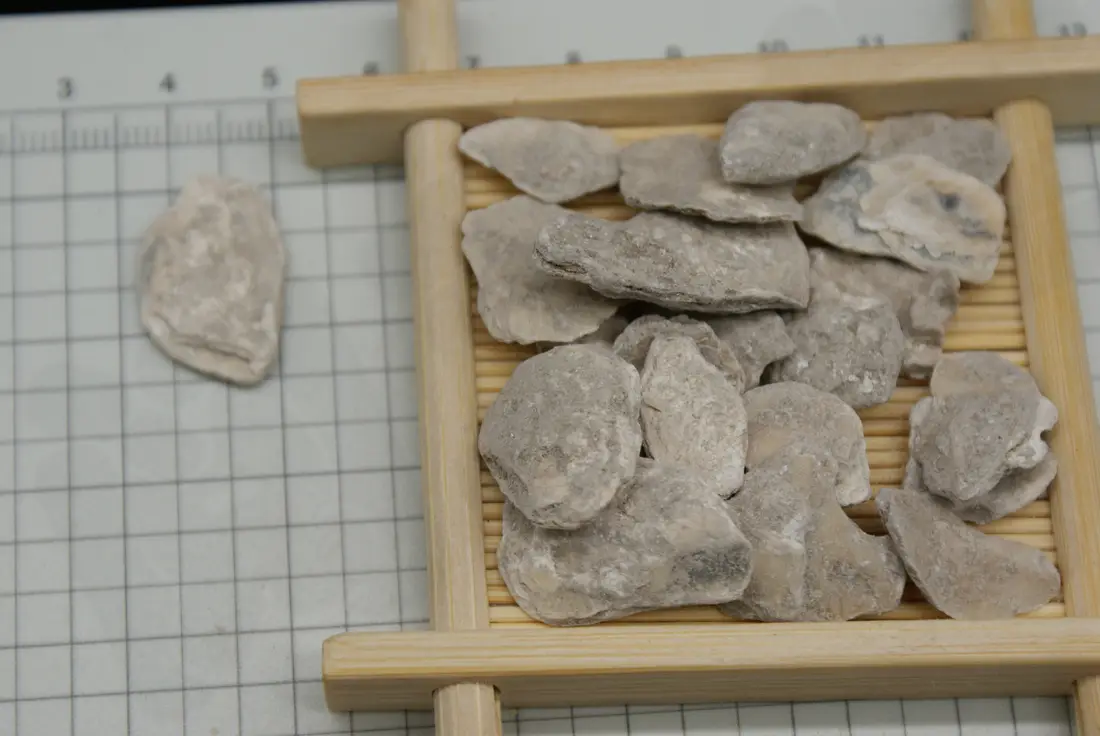
Oyster shell (Mu Li)Materia Medica

Oyster shell (Mu Li)

Mu Li
OSTREAE CONCHA
Nature and flavorSalty, slightly cold; enters Liver, Gallbladder and Kidney meridians.
Meridians enteredLiver, Gallbladder, Kidney
Dosage9–30 g, decocted first.
Reference market price¥2.4 / kgBozhou market · spec common grade · Shandong · snapshot 2026-11-21

Oyster shell is a classic mineral-based herb used to calm the spirit, anchor yang, and soften hardness in traditional Chinese medicine.

Source药物来源

The shell of the oyster species Ostrea gigas Thimberg, Ostrea talienwhanensis Crosse, or Ostrea rivularis Gould (family Ostreidae).

Identification性状特征

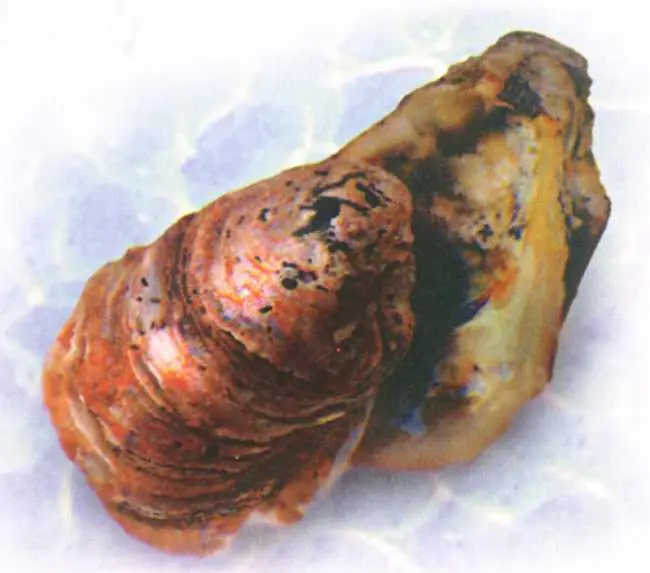
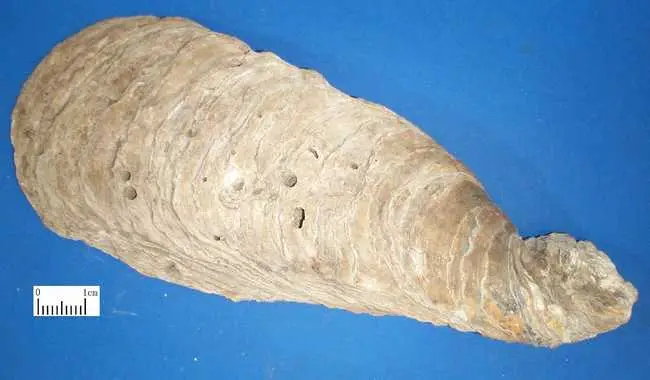
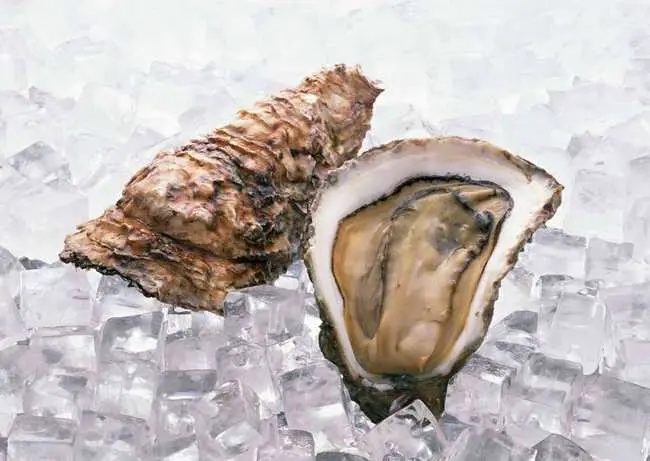
Long oyster: elongated片状, dorsal and ventral margins nearly parallel, 10–50 cm long, 4–15 cm high. Right valve smaller, scales firm and thick, arranged in layers or concentric lines. Outer surface flat or with several depressions, pale purple, grayish-white or yellowish-brown; inner surface porcelain white, no small teeth on either side of the umbo. Left valve deeply concave, scales coarser than right valve, attachment area small. Hard, fracture layered, white. Slight odor, slightly salty taste. Dalian Bay oyster: roughly triangular, dorsal and ventral margins splayed. Right valve outer surface pale yellow with loose concentric scales, scales undulating; inner surface white. Left valve scales firm and thick, several radial ribs from umbo, distinct; inner surface concave box-like, hinge area small. Rivularis oyster: round, oval or triangular. Right valve outer surface slightly uneven, gray, purple, brown or yellow, concentric scales; young scales thin and brittle, older scales layered; inner surface white, margin sometimes pale purple.

Properties and actions性味与功效
Actions
Calm the spirit and anchor yang · Nourish yin and soften hardness · Resolve masses and dissipate nodules
Indications
Used for palpitations and insomnia, dizziness and tinnitus, scrofula and phlegm nodules, abdominal masses and accumulations. Calcined oyster shell is astringent and used to control acidity and relieve pain: for spontaneous sweating and night sweats, nocturnal emission and spermatorrhea, uterine bleeding and leukorrhea, stomach pain with acid regurgitation.
Dosage
9–30 g, decocted first.
Caution
Use with caution in cases of deficiency-cold of the spleen and stomach; not suitable for long-term use without guidance.
Processing炮制
Raw oyster shell
Wash the raw medicinal material, sun-dry, and crush.
Calcined oyster shell
Place clean oyster shells on a smokeless fire or in a refractory container, calcine with strong fire until酥脆, remove, cool, and crush.
Modern research现代药理
Antiviral
Oyster shell inhibits poliovirus.
Immune enhancement
Promotes phagocytosis and enhances resistance to Klebsiella pneumoniae infection in animals, dose-dependent by intraperitoneal route.
Anti-ulcer
Oyster shell has anti-ulcer effects.
Digestive aid
Oyster shell enhances digestive power.
Radiosensitization
Enhances γ-ray killing of cancer cells with a sensitization rate of 34.5%–52.6%, but no sensitization when given before radiotherapy.
Yin nourishment
Nourishes yin, moistens dryness, protects the liver and benefits the kidney.
Oyster polysaccharides
Extracted oyster polysaccharides lower blood lipids, have anticoagulant and antithrombotic effects, promote immune function, and counteract leukopenia.
Classical records历代本草
The Shennong Bencao Jing records oyster as salty and neutral, used for chills and fever, warm malaria, and leukorrhea. The Bencao Gangmu notes it resolves phlegm, softens hardness, clears heat, and removes dampness, and is used for heart and spleen pain, dysentery, and goiter. The Bencao Mengquan emphasizes its use with other herbs to soften accumulations and treat hernias and scrofula.
《神农本草经》:味咸,平。主治伤寒、寒热,温疟洒洒,惊恚怒气,除拘缓,鼠瘘,女子带下赤白。久服强骨节,杀邪鬼。 《本草纲目》:化痰软坚,清热除湿,止心脾气痛,痢下赤白浊,消疝瘕积块,瘿疾结核。 《本草蒙筌》:牡蛎一名蛎蛤,味咸,气平、微寒。无毒。宜蛇床、牛膝、甘远甘草、远志,恶吴茱、麻黄、辛夷。入少阴肾经,以贝母为使。能软积癖,总因味咸。茶清引消结核疽,柴胡引去胁下硬。同大黄泻热,焮肿即平;同熟芣益精,尿遗可禁。麻黄根共作散,敛阴汗如神;川杜仲共煎汤,固盗汗立效。髓疽日深嗜卧,泽泻和剂频调。又单末蜜丸水吞,令面光时气不染。摩宿血,消老痰。闭塞鬼交精遗,收涩气虚带下。 《开宝本草》:味咸,平、微寒,无毒。除留热在关节、荣卫虚热去来不定,烦满,止汗,心痛气结,止渴,除老血,涩大小肠,止大小便,疗泄精,喉痹,咳嗽,心胁下痞热。 《名医别录》:微寒,无毒。主除留热在关节荣卫,虚热去来不定,烦满,止汗,心痛气结,止渴,除老血,涩大小肠,止大小便,治泄精、喉痹、咳嗽、心肋下痞热。 《本草拾遗》:捣为粉,粉身,主大人小儿盗汗。和麻黄根,蛇床子、干姜为粉,去阴汗。 《海药本草》:主男子遗精,虚劳乏损,补肾正气,止盗汗,去烦热,治伤阴热疾,能补养,安神,治孩子惊痫。
Folklore本草传说

Oyster shells can withstand immense pressure—1.2 square millimeters can bear 100 kilograms, and opening a closed shell requires thousands of grams of force. The famous Luoyang Bridge in Quanzhou (Song Dynasty) used oysters grown on the embankments for years to solidify the foundation before building the piers. In history, the Roman mathematician Hypatia was killed with sharp oyster shells in 415 AD. The Russian writer Chekhov died in Germany in 1904; his coffin was temporarily lost and later found in a freight car carrying seafood oysters. This shows the widespread consumption of oysters worldwide. French writer Maupassant described tourists eating oysters at sea in his story. Shakespeare once said, 'He who owns the oyster owns the world,' highlighting the long history and adaptability of this global marine shellfish.
Culinary use民间药膳
Chicken Soup with Ephedra Root and Oyster Shell for Sweating
Ephedra root 30g, oyster shell 30g, Cistanche 30g, one hen, salt and MSG to taste.
Slaughter the chicken, remove feathers, innards, head, and feet; wash and place in a clay pot with ephedra root and water. Simmer until chicken is tender, remove bones and herb residue, add washed Cistanche and oyster shell, continue cooking until done, season with salt and MSG. Take 2–3 times weekly, eating meat and soup, as a side dish for breakfast and dinner.
Tonifies qi and consolidates the exterior, astringes yin and stops sweating.
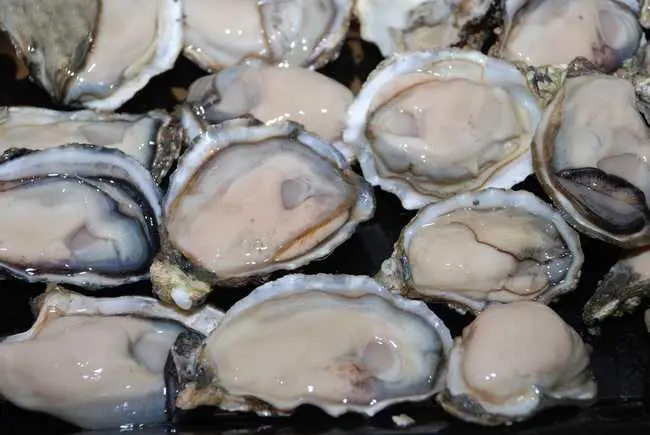
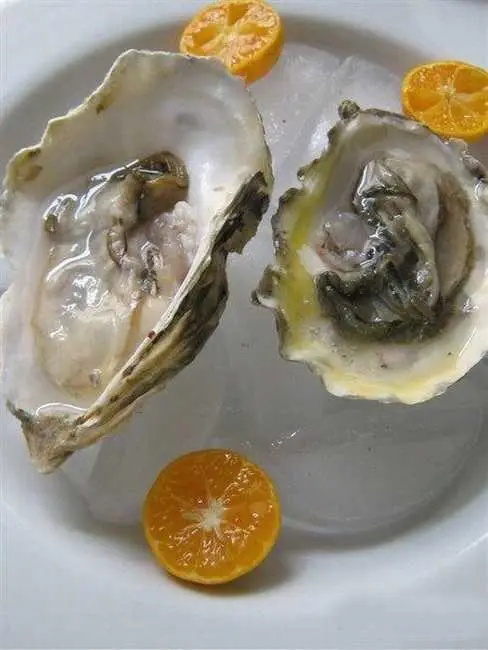
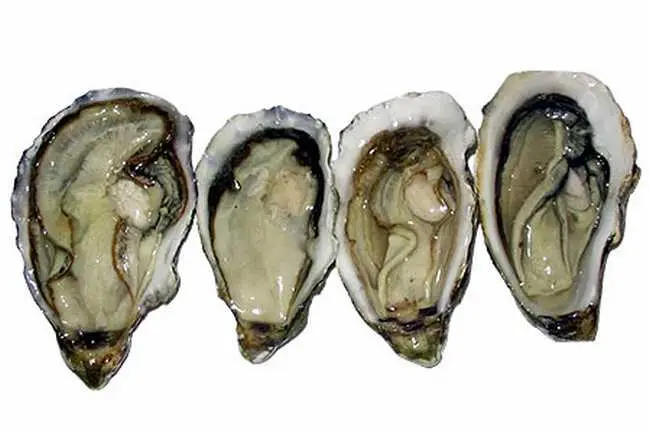
Fresh Oysters
Fresh oysters 250g.
Wash, marinate with yellow wine, salt, scallion and ginger for half an hour. Remove and grill over fire until cooked. Serve as a side dish.
Oyster's health benefits have been recorded since ancient times. Li Shizhen's Bencao Gangmu (Ming Dynasty) states: oyster 'sweet and warm, non-toxic. Cooked, treats deficiency and regulates the middle... grilled, it is very delicious, refines the skin, and beautifies the complexion.' Ancient Japanese texts also record oyster as 'sweet and warm, non-toxic, removes internal heat of the spleen and stomach, stops sweating, quenches thirst, relieves alcohol, nourishes yin and blood; long-term consumption makes the skin delicate.'
Audio and video语音与视频
Narration · Chinese · 7:34
Latin name · pronunciation
Narration and video are shared by all language versions and are in Chinese; the images and footage themselves are language-independent.
Photographs药材图片
Oyster shell (Mu Li)
Cultivation and authentication栽培与鉴别

1 cultivation notes and 7 authentication articles exist for this herb. They are long-form field material and are published in Chinese only.

Read them in Chinese →

Compiled from public Chinese materia medica sources for study and reference. Not medical advice.
Chinese version · All herbs