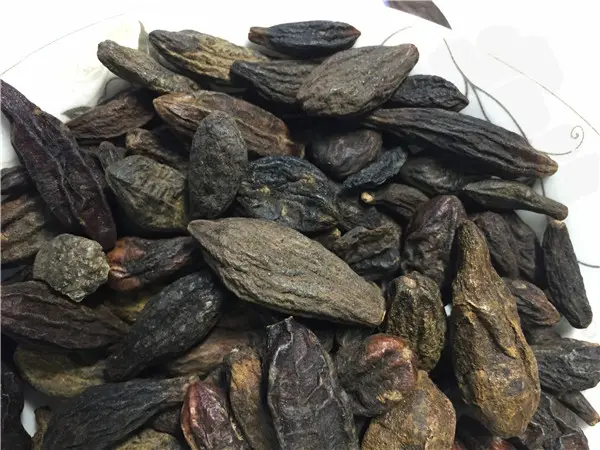
Chinese olive fruit (Qing Guo)
Chinese olive fruit is a heat-clearing medicinal used for sore throat, cough with sticky phlegm and thirst.
The dried ripe fruit of Canarium album Raeusch. (family Burseraceae).
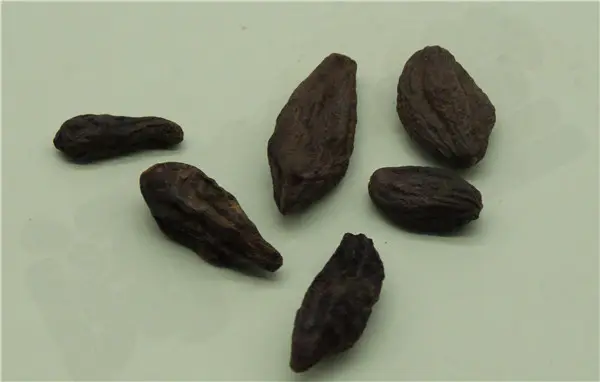
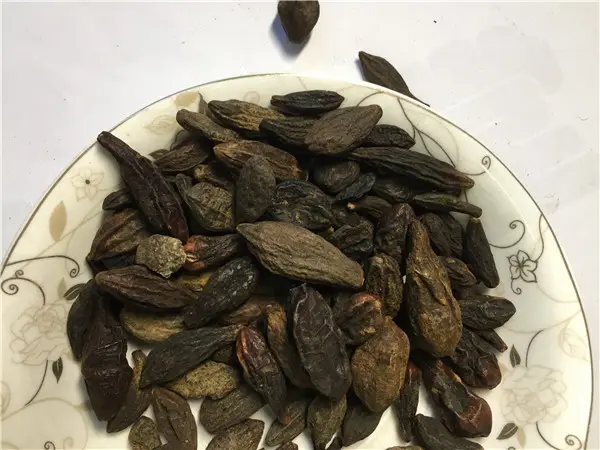
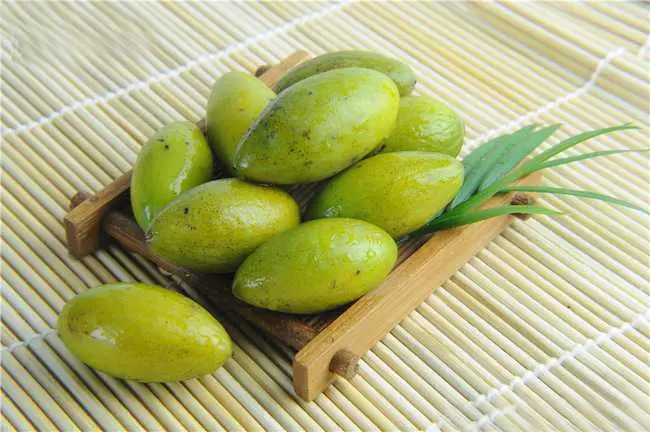
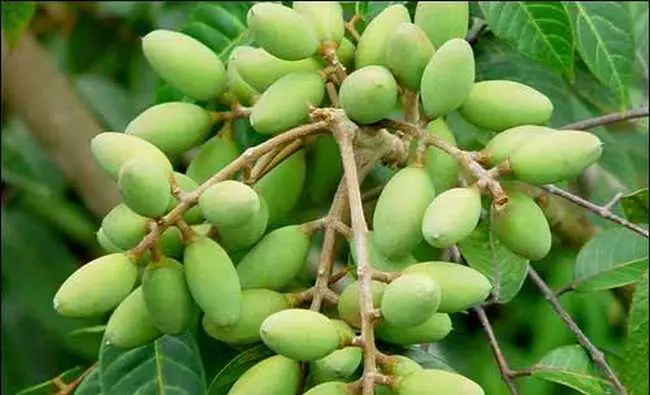
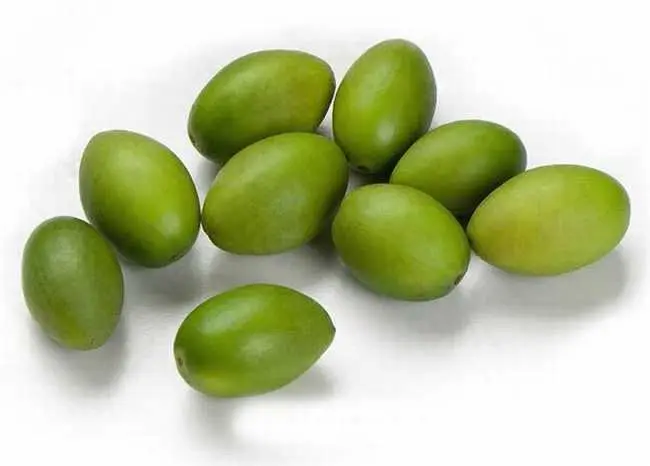
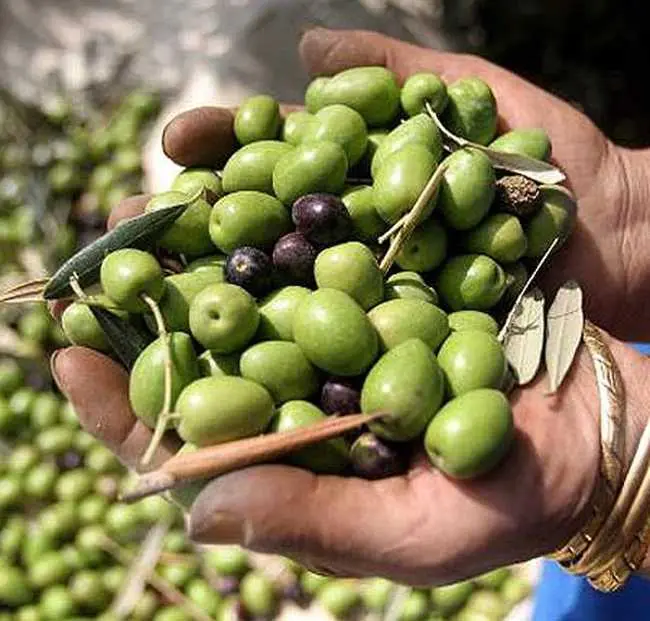
Fusiform, with blunt pointed ends, 2.5–4 cm long, 1–1.5 cm in diameter. Surface brownish-yellow or dark brown with irregular wrinkles. Flesh greyish-brown or brownish, hard. Stone spindle-shaped, dark reddish-brown, with longitudinal ridges; internally 3 locules, each with 1 seed. Odour slight; flesh astringent on chewing, slightly sweet after prolonged chewing.
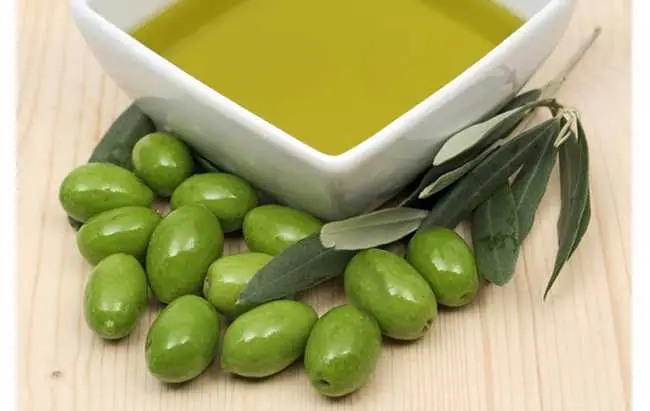
In 1004, during the Jingde era of Emperor Zhenzong of Song, the Liao army invaded Chanzhou. The emperor personally led a campaign but was defeated, and the Treaty of Chanyuan established the precedent of paying annual tribute to buy peace, increasing the burden on the people. That year also brought severe drought and crop failure. As people fled south, famine and disease spread. Suffering from sore throats, thirst and dysentery, they prayed to Mazu. Mazu wept in heaven, and her tears fell like pearls onto olive trees, producing green fruits. People ate these fruits and recovered within days. Because the fruits were green and astringent, they were called Qing Guo (green fruit).
1 cultivation notes and 1 authentication articles exist for this herb. They are long-form field material and are published in Chinese only.
Chinese version · All herbs