Yi Zhi (Alpinia fruit)
Yi Zhi Ren
ALPINIAE OXYPHYLLAE FRUCTUS
Nature and flavorPungent, warm. Enters the spleen and kidney meridians.
Meridians enteredSpleen and kidney meridians
Dosage3–10 g
Reference market price¥118 / kgBozhou market · spec 米 · 海南 · snapshot 2026-11-21
Yi Zhi, the dried ripe fruit of Alpinia oxyphylla, is a tonic herb that warms the kidney and spleen.
Source药物来源
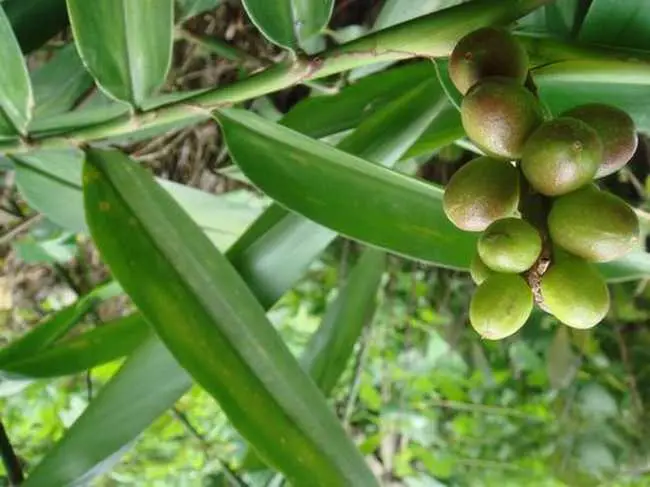
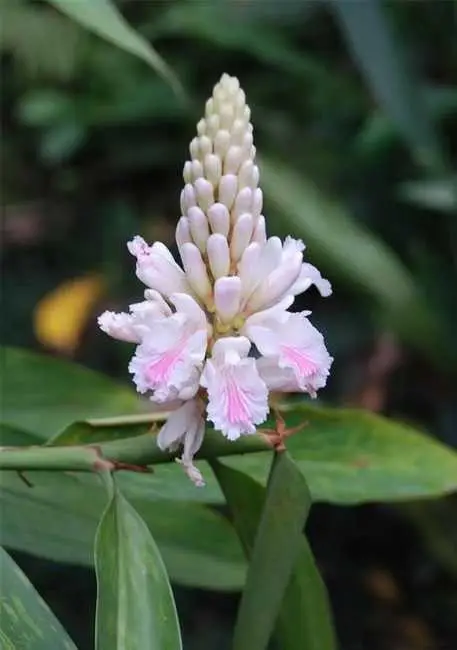
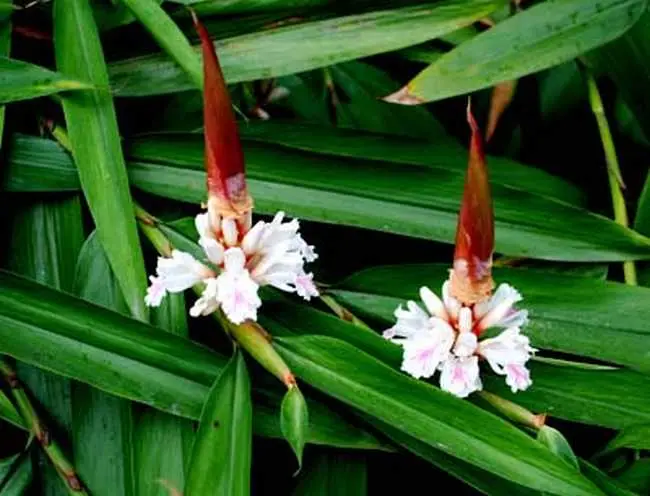
The dried ripe fruit of Alpinia oxyphylla Miq. (Zingiberaceae).
Identification性状特征
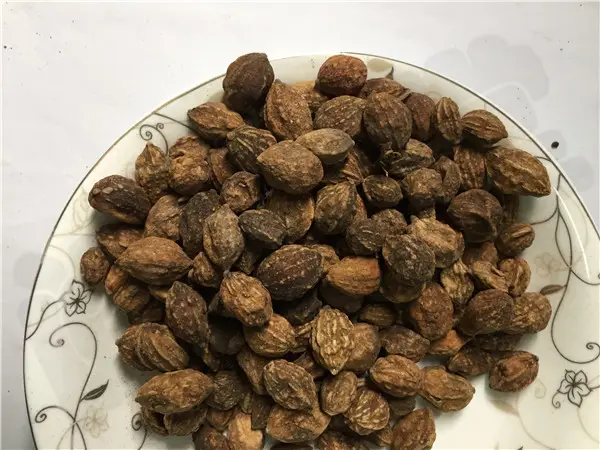
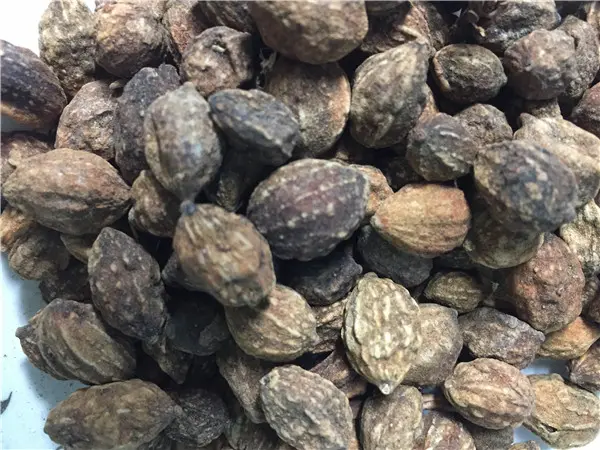
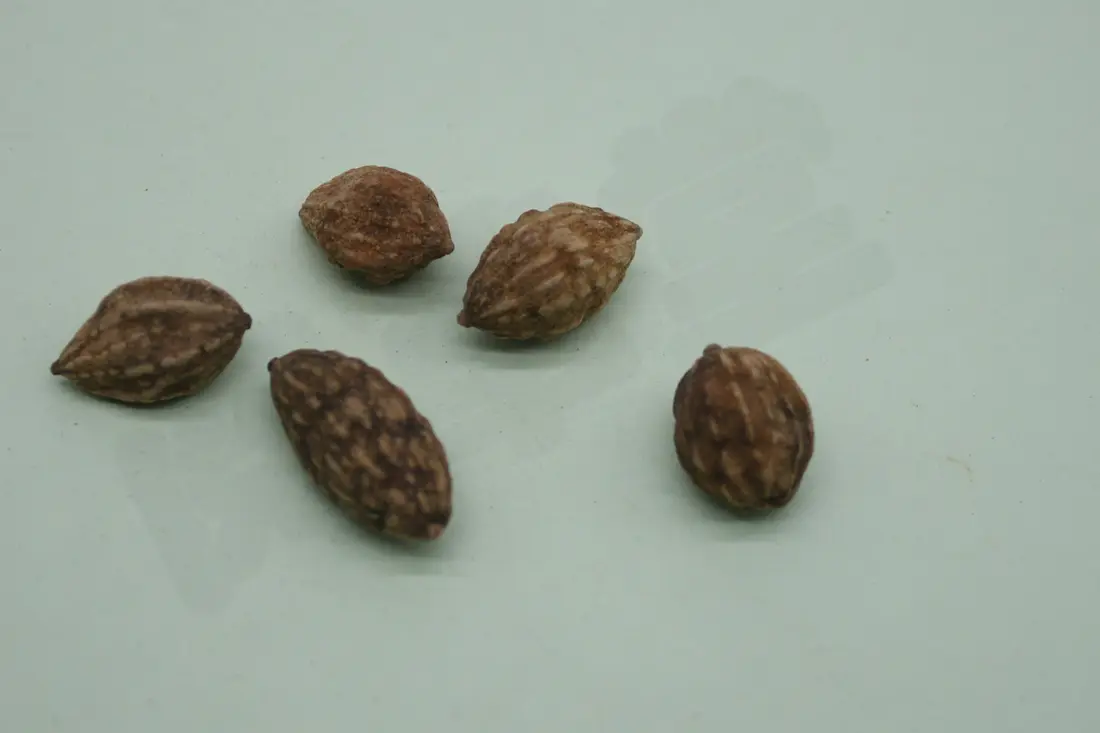
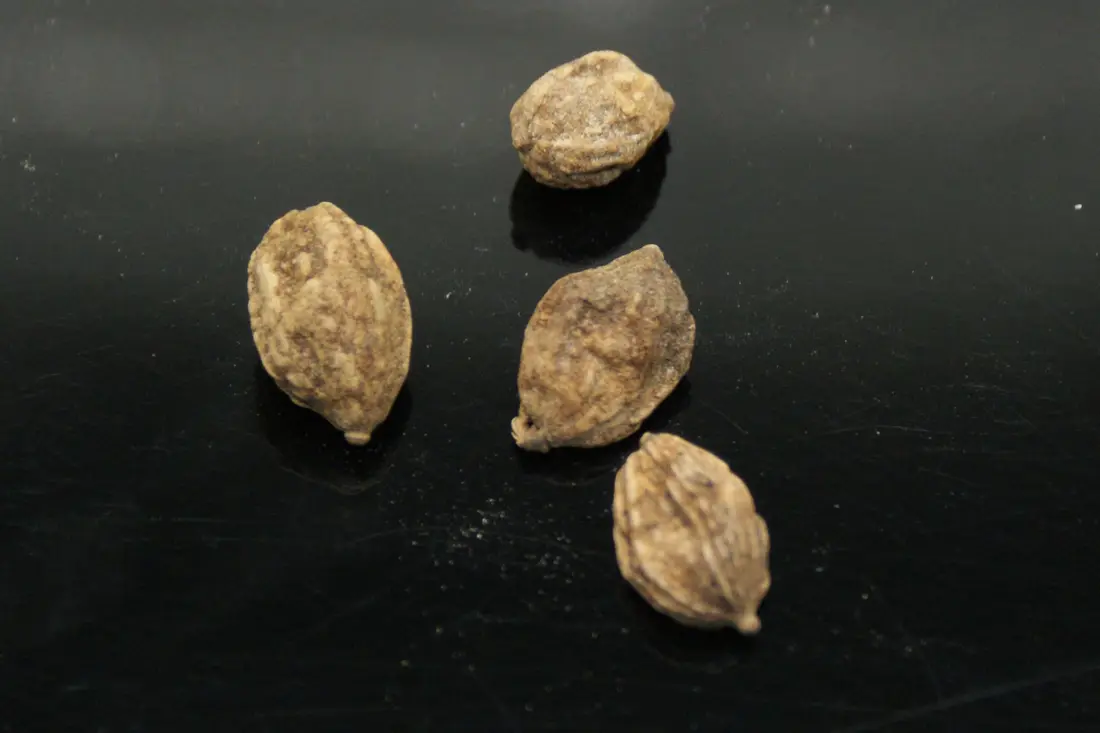
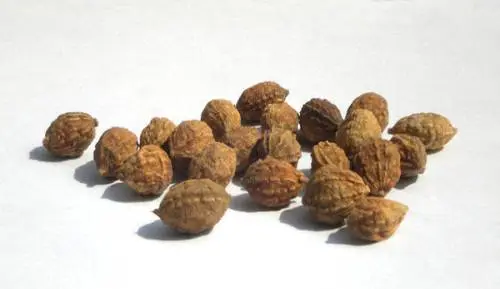
Ellipsoidal, slightly pointed at both ends, 1.2–2 cm long, 1–1.3 cm in diameter. Surface brown or grayish-brown with 13–20 longitudinal ridges; apex with remnants of perianth, base often with fruit stalk. Pericarp thin and slightly tough, closely adhering to seeds. Seeds aggregated into a mass, divided into 3 valves by septa, each valve with 6–11 seeds. Seeds irregularly扁圆形, slightly blunt-edged, about 3 mm in diameter, surface grayish-brown or grayish-yellow, covered with a pale brown membranous aril; hard, endosperm white. Characteristic aroma; taste pungent, slightly bitter.
Properties and actions性味与功效
ActionsWarm the kidney, secure essence and reduce urination · Warm the spleen, stop diarrhea and control salivation
IndicationsUsed for enuresis due to kidney deficiency, frequent urination, spermatorrhea and white turbidity, diarrhea due to spleen cold, cold pain in the abdomen, and excessive salivation.
CautionContraindicated in yin deficiency with heat or damp-heat patterns. Use with caution in patients with spleen-stomach deficiency-cold.
Processing炮制
Salt-processed Yi ZhiMix clean Yi Zhi with salt water, moisten until absorbed, then stir-fry over gentle heat (or in sand) until dry. Remove, cool, and sift out sand.
Modern research现代药理
Volatile oilContains volatile oil as a main component.
Classical records历代本草
In classical materia medica, Yi Zhi is described as warming the kidney and spleen, securing essence and reducing urination, and stopping diarrhea. It is often mentioned in works such as the Bencao Gangmu.
Folklore本草传说
Legend has it that a wealthy man had a son late in life named Laifu, who was frail, slow, and bedwetting. A Daoist advised him to seek a magical fruit 8,000 li away. The father set out and, after many hardships, found the plant and ate the fruit, which improved his memory and energy. His son ate the fruit and became strong and intelligent, eventually passing the imperial examination as zhuangyuan. The fruit was thus called 'zhuangyuan fruit' or Yi Zhi Ren, and people give it to students to promote intelligence and memory.
Culinary use民间药膳
Yi Zhi Ren and Sang Piao Xiao Stewed Pig BladderGlutinous rice, salt, MSG, mantis egg-case (Sang Piao Xiao), Yi Zhi Ren, black beans, pig bladder.
1. Wash the pig bladder; 2. Wash glutinous rice, stuff into the pig bladder, tie tightly, and prick some holes; 3. Wash black beans, Yi Zhi Ren, and Sang Piao Xiao; 4. Put water in a pot, add pig bladder, black beans, Sang Piao Xiao, and Yi Zhi Ren, simmer until the bladder is cooked; 5. Add salt and a little MSG, simmer briefly, then remove the herbs.
Warms the kidney, supports yang, secures essence and reduces urination; suitable for frequent urination in middle-aged and elderly people.
Cultivation and authentication栽培与鉴别
7 cultivation notes and 4 authentication articles exist for this herb. They are long-form field material and are published in Chinese only.
Read them in Chinese →