Lotus Leaf (He Ye)
He Ye
NELUMBINIS FOLIUM
Nature and flavorBitter, neutral. Enters liver, spleen and stomach meridians.
Meridians enteredLiver, spleen, stomach
Dosage3–10 g; charred lotus leaf 3–6 g.
Reference market price¥8.8 / kgBozhou market · spec common grade · 湖南 · snapshot 2026-11-21
Lotus Leaf is a heat-clearing herb used for summer-heat, diarrhea and bleeding disorders.
Source药物来源
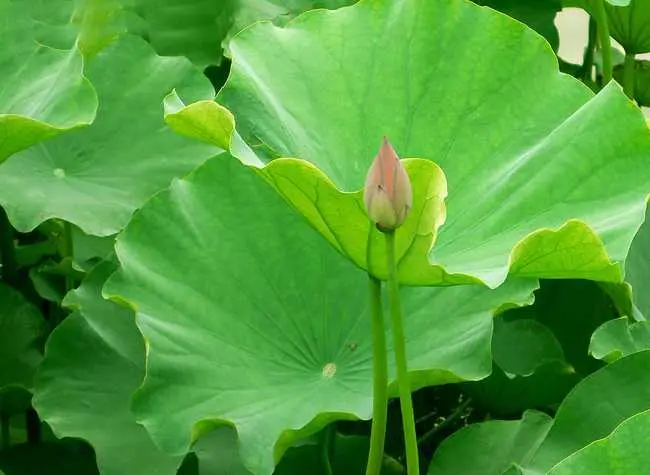
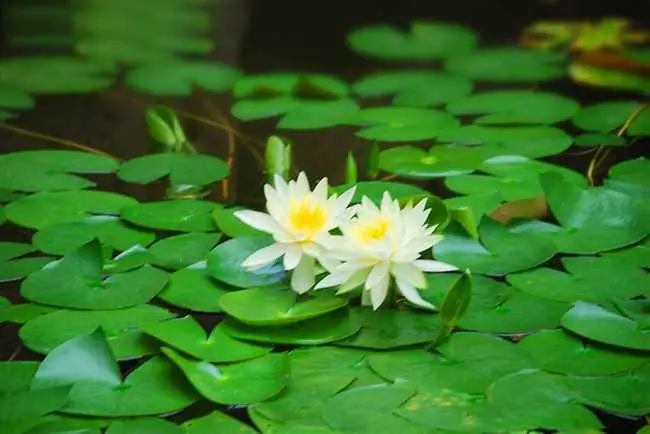
The dried leaf of Nelumbo nucifera Gaertn. (Nymphaeaceae).
Identification性状特征
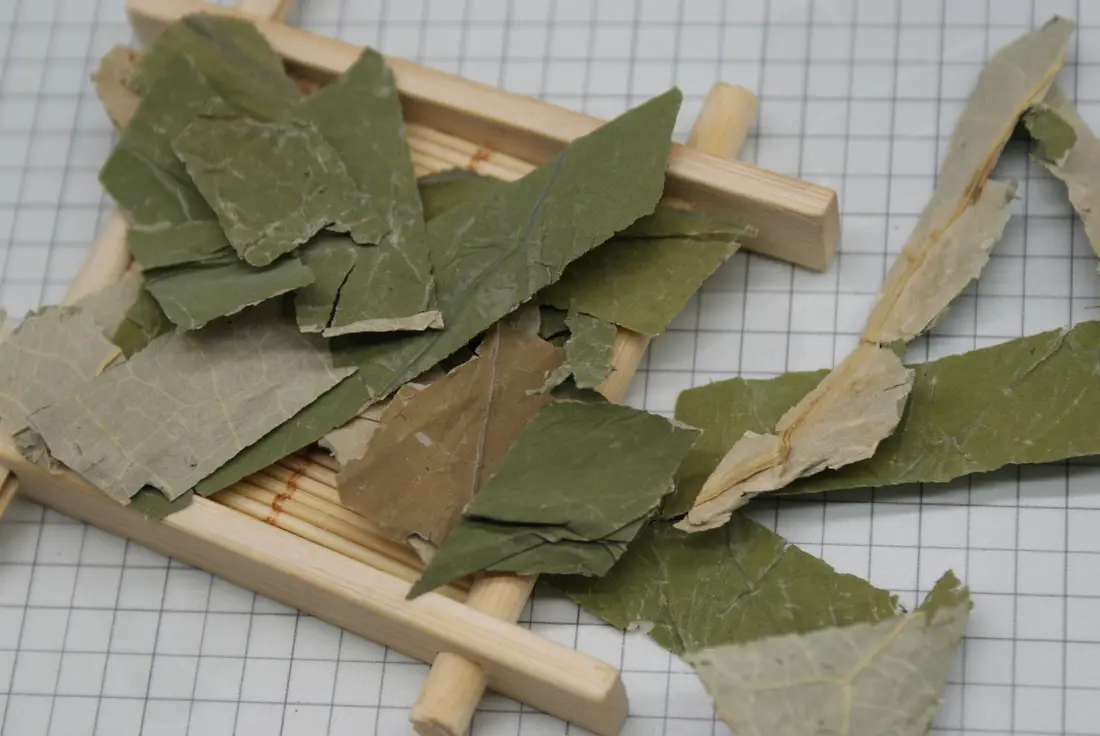
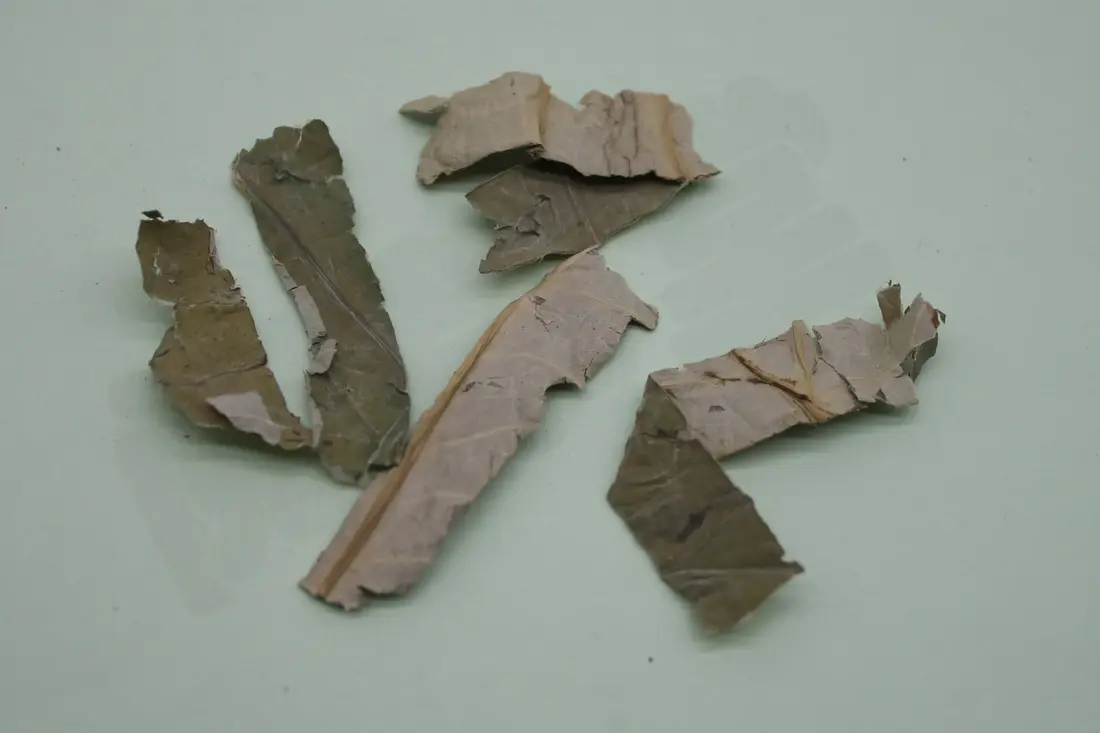
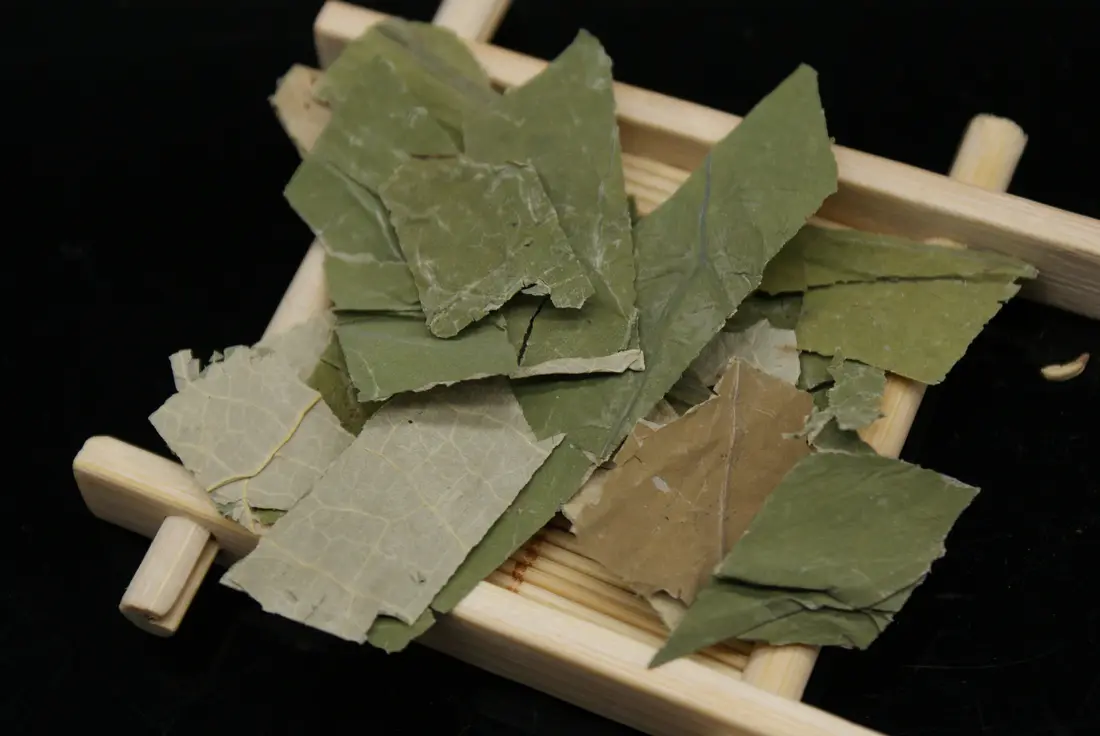
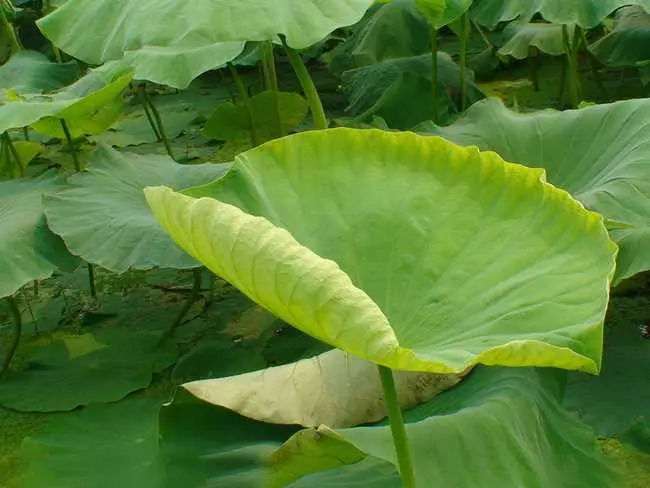
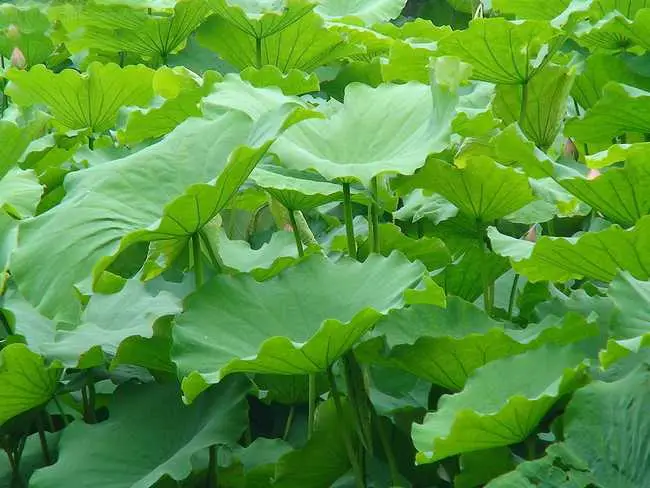
Semicircular or fan-shaped, entire or slightly wavy, 20–50 cm in diameter. Upper surface dark green or yellow-green, rough; lower surface pale gray-brown, smoother, with 21–22 coarse veins radiating from the center; a raised petiole base at the center. Brittle, easily broken. Slight fresh aroma; slightly bitter taste.
Properties and actions性味与功效
Actions
Clear summer heat and drain dampness · Ascend and disperse clear yang · Cool the blood and stop bleeding
Indications
Used for summer-heat with thirst and irritability, summer-heat dampness diarrhea, diarrhea due to spleen deficiency, and bleeding due to blood heat such as hematemesis, epistaxis, hemafecia and metrorrhagia. Charred Lotus Leaf astringes and resolves blood stasis to stop bleeding; used for bleeding disorders and postpartum dizziness due to blood stasis.
Dosage
3–10 g; charred Lotus Leaf 3–6 g.
Caution
Use with caution in patients with spleen-stomach deficiency-cold. Pregnant women and those with yin deficiency should use under medical guidance.
Processing炮制
Lotus Leaf
Remove impurities and petioles, rinse quickly, soften slightly, cut into shreds, and dry.
Charred Lotus Leaf
Fold clean leaves, place in a pot, cover with a smaller pot, seal with salt-clay, heat until a white paper strip or rice grains turn dark yellow, then cool and remove.
Modern research现代药理
Pharmacology
Contains nuciferine (C19H21NO2).
Culinary use民间药膳
Lotus Leaf Slimming Tea
Lotus leaf 60 g, raw hawthorn fruit 10 g, raw coix seed 10 g, tangerine peel 5 g.
Wash fresh tender lotus leaves, dry and grind into fine powder; dry and grind the other herbs separately, then mix well. Place the powder in a thermos, pour boiling water, cover and steep for about 30 minutes. Drink as tea, one dose daily; refill with boiling water when finished. Take for 3–4 months.
Regulates qi and promotes urination, promotes digestion, and reduces fat.
Mugwort and Garlic Soup
Garlic 50 g, fresh lotus leaf 20 g, fresh mugwort leaf 20 g, fresh arborvitae leaf 20 g, fresh rehmannia 20 g.
Mix all ingredients and pound into a paste.
Decoct in water and take orally; calms rebellious qi and stops bleeding.
Lotus Leaf and Winter Melon Soup
Fresh lotus leaf 1 piece, fresh winter melon 500 g, salt to taste.
Put lotus leaf and winter melon in a pot, add water, simmer into soup, season with salt. Drink soup and eat winter melon.
Clears heat and relieves summer heat, promotes urination and drains dampness.
Mint Tea
Mint leaves 30 pieces, fresh ginger 2 slices, ginseng 5 g, raw gypsum 30 g, ephedra 2 g.
Grind all herbs into coarse powder, decoct in water, filter the juice. Drink warm as tea in several portions.
Tonifies qi and releases the exterior, disperses wind and clears heat.
Audio and video语音与视频
Latin name · pronunciation
Photographs药材图片
Cultivation and authentication栽培与鉴别
1 cultivation notes and 0 authentication articles exist for this herb. They are long-form field material and are published in Chinese only.
Compiled from public Chinese materia medica sources for study and reference. Not medical advice.
Chinese version · All herbs
Chinese version · All herbs