Chinese garlic (Xie Bai)
Xie Bai
ALLII MACROSTEMONIS BULBUS
Nature and flavorPungent, bitter, warm. Enters the Heart, Lung, Stomach, and Large Intestine meridians.
Meridians enteredHeart, Lung, Stomach, Large Intestine
Dosage5–10 g
Reference market price¥33 / kgBozhou market · spec common grade · Shandong · snapshot 2026-11-21
Xie Bai is the dried bulb of Allium macrostemon or Allium chinense, used in traditional medicine to promote qi movement and unblock yang.
Source药物来源
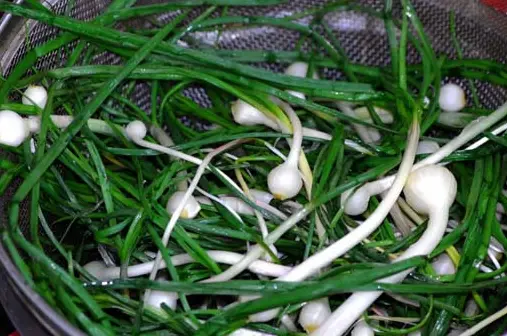
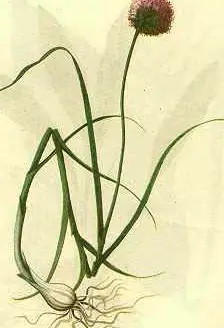
The dried bulbs of Allium macrostemon Bge. or Allium chinense G.Don (family Liliaceae).
Identification性状特征
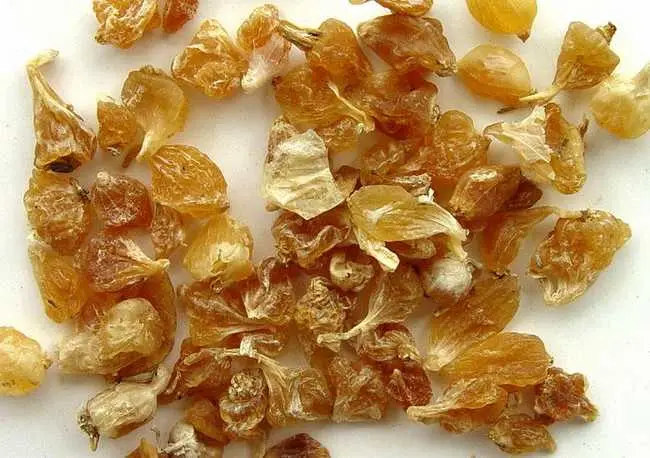
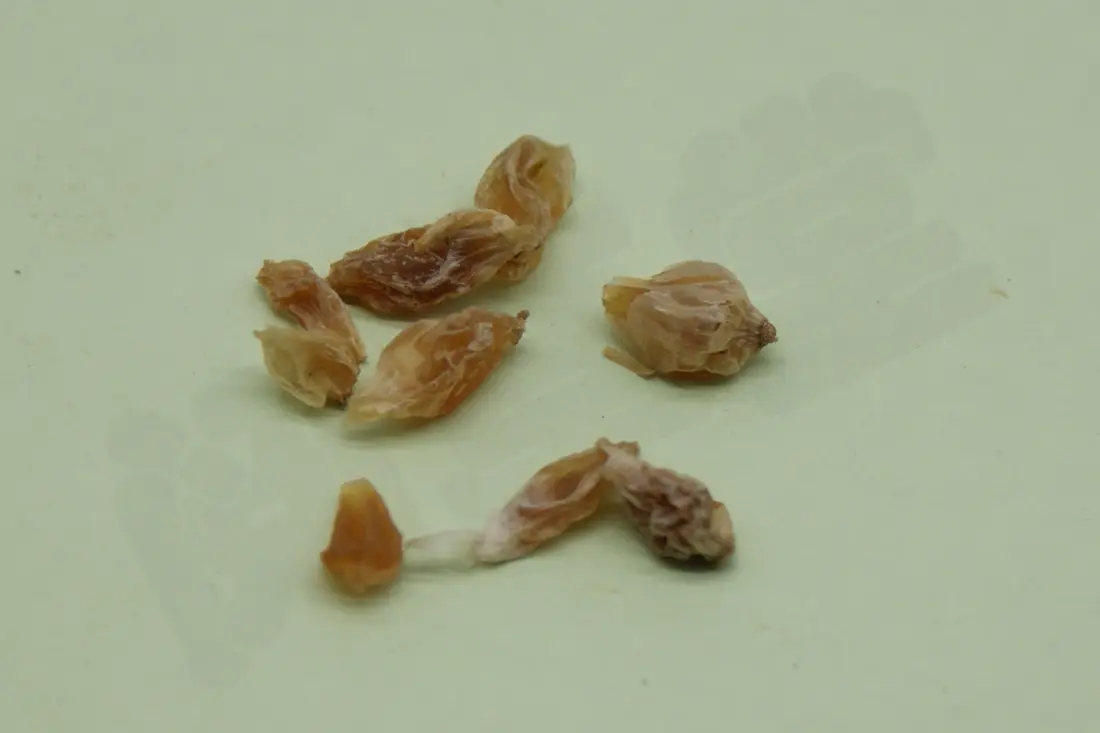
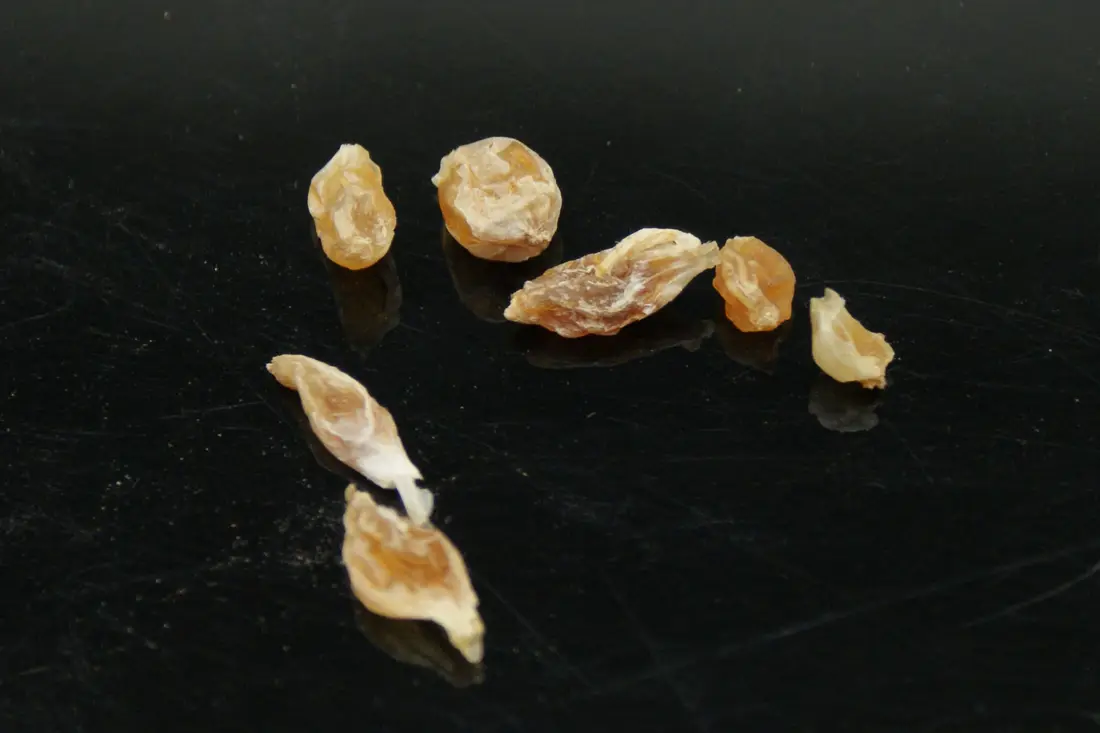
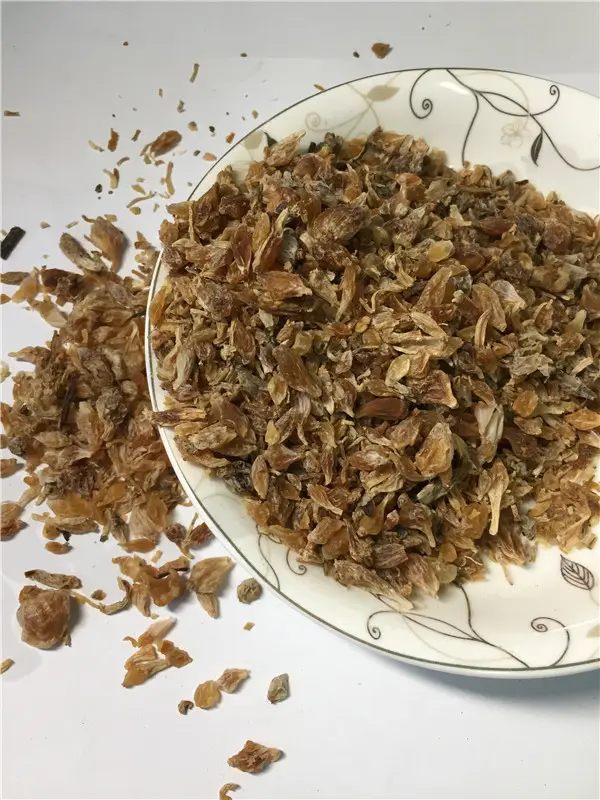
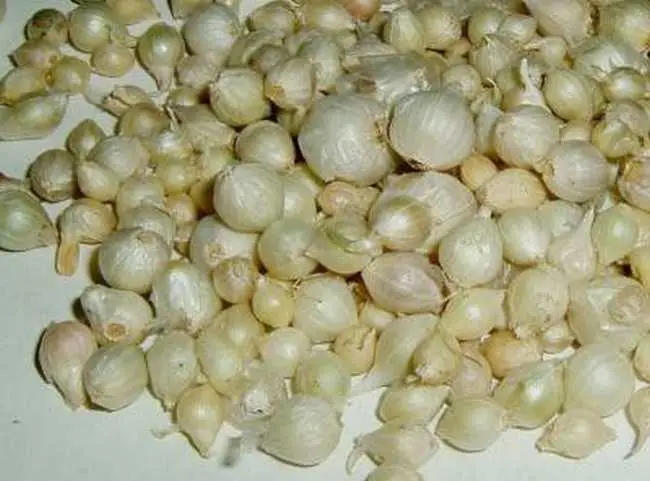
Allium macrostemon: irregularly ovoid, 0.5–1.5 cm high, 0.5–1.8 cm in diameter. Surface yellowish-white or pale yellowish-brown, wrinkled, semi-translucent, covered with whitish membranous scales; base with a protruding stem disc. Hard, horny. Garlic odor, slightly pungent taste.
Allium chinense: slightly flattened long-ovoid, 1–3 cm high, 0.3–1.2 cm in diameter. Surface pale yellowish-brown or brownish, with shallow longitudinal wrinkles. Softer; cross-section shows 2–3 layers of scale leaves. Chews sticky to teeth.
Properties and actions性味与功效
ActionsUnblock yang and resolve clumps · Promote qi movement and relieve stagnation
IndicationsUsed for chest bi with heart pain, epigastric and abdominal distension and fullness with pain, and diarrhea or dysentery with tenesmus.
CautionPungent, bitter, and warm; use with caution in cases of yin deficiency with heat or in those with a dry mouth and throat. General reminder: consult a qualified practitioner before use.
Processing炮制
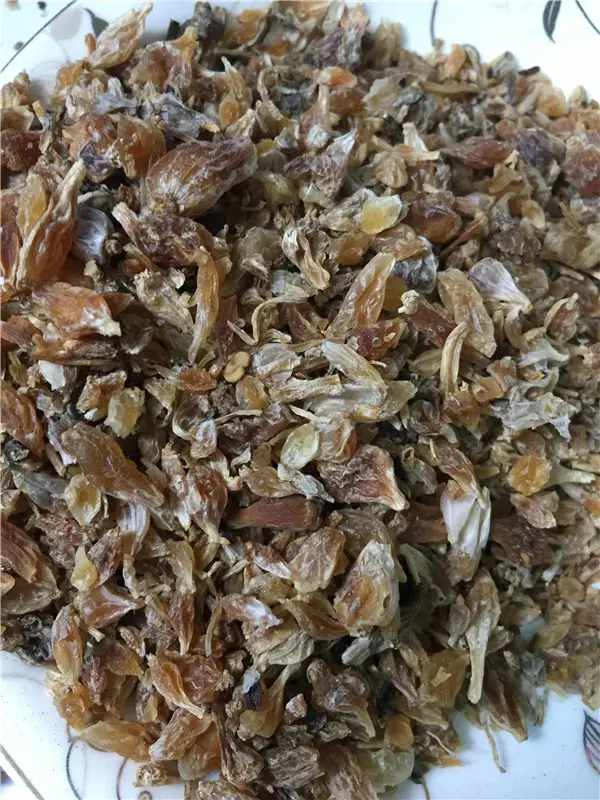
RawRemove impurities and winnow away thin skin fragments.
Modern research现代药理
Anti-atherosclerotic effectXie Bai has anti-atherosclerotic effects in animal experiments.
Anti-platelet aggregationXie Bai inhibits platelet aggregation.
Antibacterial effectIn vitro experiments show that the water decoction of Xie Bai inhibits Shigella dysenteriae and Staphylococcus aureus.
Classical records历代本草
The Shennong Bencao Jing records it as pungent, bitter, warm, and slippery, non-toxic, and used for incised wounds and ulcers. The Bencao Gangmu states it warms and tonifies, supports yang, disperses clumps, and treats chest bi with stabbing pain, diarrhea, and tenesmus. The Bencao Mengquan notes its use for cough and dyspnea, and for various sores with wind-cold edema when applied topically.《神农本草经》:气味辛苦温滑无毒,主治金疮溃败。
《本草纲目》:温补,助阳道。
薤散结,蒜消徵。
治少阴病厥逆泄痢,及胸痹刺痛,下气散血,安胎。
《本草蒙筌》:味辛、苦,气温。无毒。《千金》书名治肺喘急,亦取滑泄而然。为归骨菜芝,入阳明手腑。颇利病者,但少煮尝。除寒热调中,去水气散结。耐寒止冷,泻肥健身。主女妇带下久来,治老幼泄痢后重。诸疮中风寒水肿,生捣热涂上立瘥。又疗汤火金疮,和蜜捣敷即愈。新正宜食。启疠驱邪。牛肉同餐,作癥成瘕。生啖引涕唾,多食防热侵。骨鲠在喉,煮食即下。
《开宝本草》:味辛、苦,温,无毒。除寒热,去水气,温中,散结,利病人。诸疮中风寒水肿以涂之。
《名医别录》:味苦,无毒。除寒热,去水气,温中,散结,利病人。诸疮中风寒水肿以涂之。
《本草拾遗》:调中,主只痢不差,腹内常恶者,但多煮食之。赤痢取薤致黄柏煮服之差。
《本草图经》:补虚解者。
Folklore本草传说
According to the Shennong Bencao Jing, Xie Bai has the ability to 'lighten the body, prevent hunger, and delay aging.' The famous health practitioner Meng Shen said that eating it as a soup 'can communicate with the spirit and calm the soul, boost qi, and strengthen sinews.' Tao Hongjing noted that Xie Bai is warm and tonifying, and that 'immortals and those who consume it for health all require it.' Sun Simiao said, 'For heart disease, it is suitable to eat it.' The poet Wei Wendi wrote, 'Night after night I cannot sleep, and I hasten to discard scallions and Xie Bai.' The Longevity Medicinal Porridge Manual records a porridge of Xie Bai 10–15 g (fresh 30–45 g) with 100 g of polished rice, suitable for chronic enteritis, bacillary dysentery, and bloody dysentery in the elderly. Li Shizhen in the Bencao Gangmu recorded a case where a man who ate a large amount of Xie Bai and garlic vomited a dragon-like object and was cured, illustrating the clump-dissolving effect of Xie Bai and the mass-resolving effect of garlic.
Cultivation and authentication栽培与鉴别
2 cultivation notes and 3 authentication articles exist for this herb. They are long-form field material and are published in Chinese only.
Read them in Chinese →