Prepared Aconite Lateral Root (Fu Zi)Materia Medica

Prepared Aconite Lateral Root (Fu Zi)

Fu Zi
ACONITI LATERALIS RADIX PRAEPARATA
Nature and flavorPungent, sweet, very hot; toxic. Enters the Heart, Kidney and Spleen meridians.
Meridians enteredHeart, Kidney, Spleen
Dosage3–15 g, decocted first and for a long time.
Reference market price¥70 / kgBozhou market · spec 盐附子 · 四川 · snapshot 2026-11-21

Fu Zi is the processed lateral root of Aconitum carmichaelii, a potent yang-restoring herb used for collapse and deep cold patterns.

Source药物来源

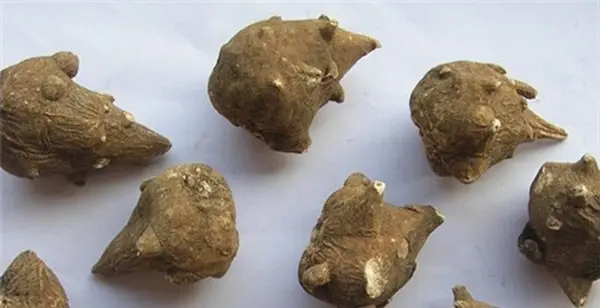
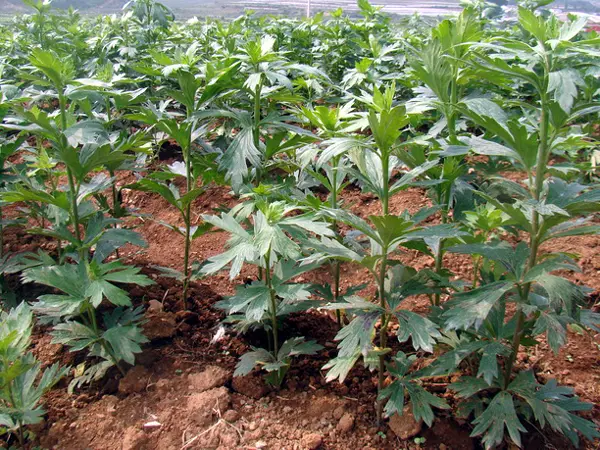
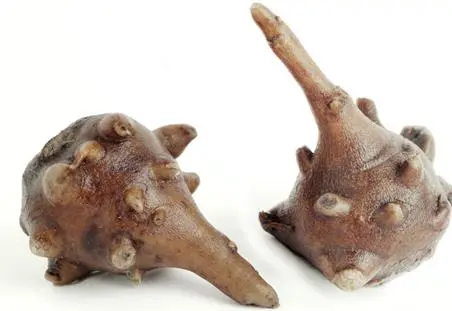
The processed lateral root of Aconitum carmichaelii Debx. (Ranunculaceae). Name origin: both come from the same plant; the first-formed root resembles a crow's head (wu tou), while the lateral root attached to it is called fu zi, as a child attached to its mother (Bencao Gangmu).

Identification性状特征

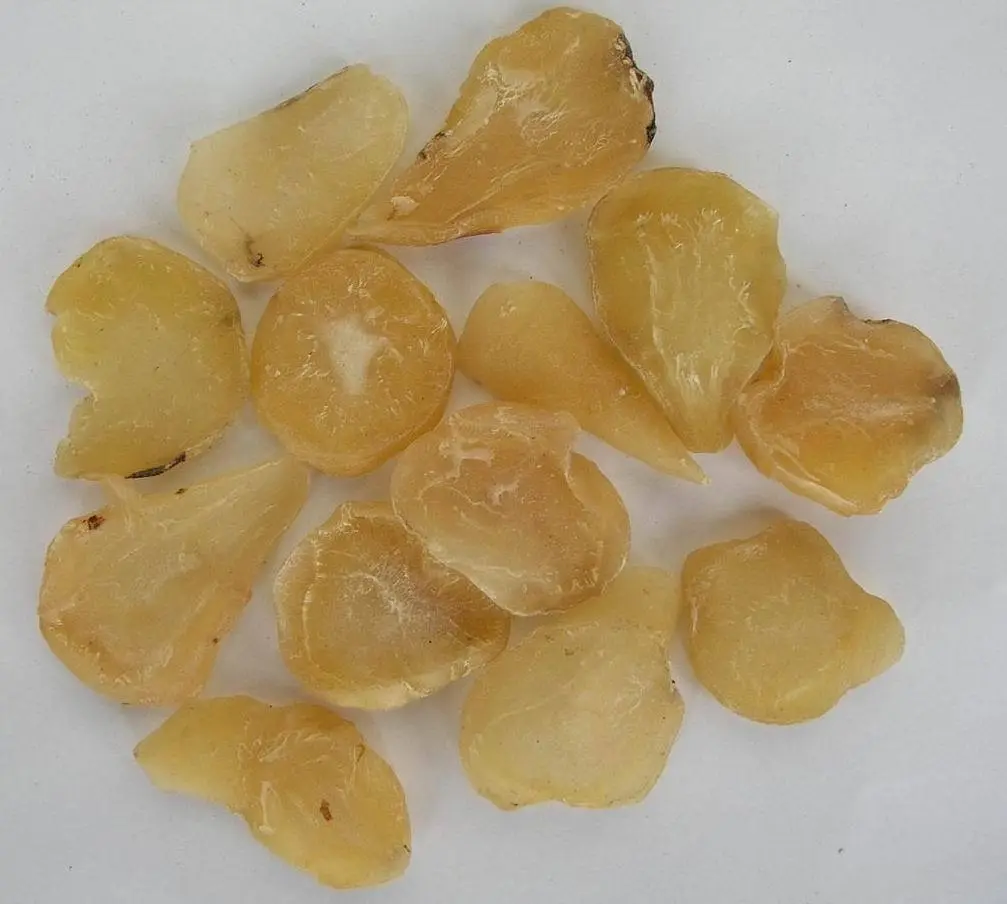
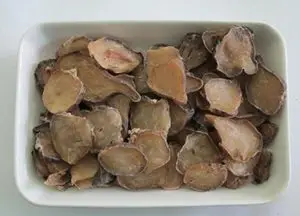
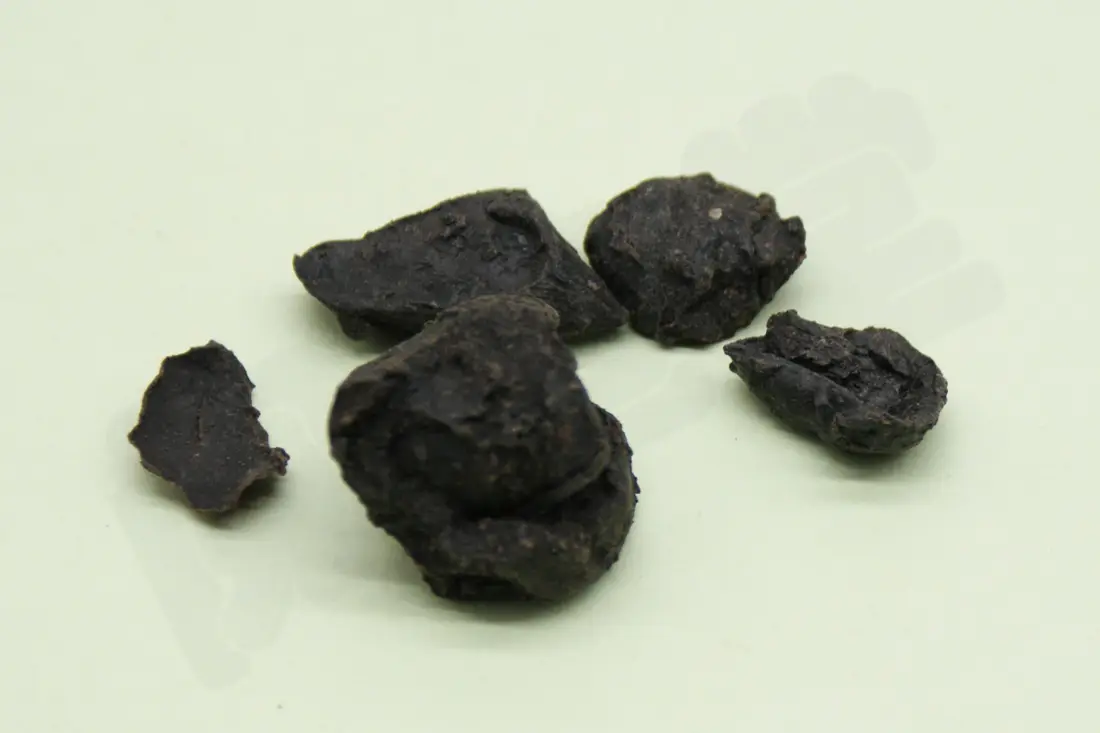
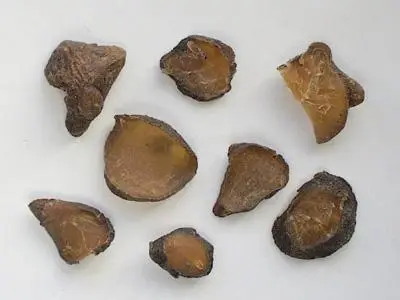
Yan Fu Zi: conical, 4–7 cm long, 3–5 cm diameter; grayish-black surface covered with salt efflorescence, depressed bud scar at apex, tubercular rootlet scars around. Heavy; cross-section grayish-brown with small salt-filled cavities and polygonal cambium ring, vascular bundles inside the ring irregularly arranged. Slight odor; salty, numbing, tongue-prickling taste. Hei Shun Pian: longitudinal slice, wide above and narrow below, 1.7–5 cm long, 0.9–3 cm wide, 0.2–0.5 cm thick; dark brown outer bark, dark yellow cut surface, oily and glossy, semi-translucent, with longitudinal vascular bundles. Hard and brittle, horny fracture. Slight odor, bland taste. Bai Fu Pian: without outer bark, yellowish-white, semi-translucent, about 0.3 cm thick.

Properties and actions性味与功效
Actions
restore yang and rescue from collapse · supplement fire and assist yang · disperse cold and relieve pain
Indications
Used for yang collapse with cold limbs and faint pulse, deficiency of heart yang, chest impediment and heart pain, vomiting and diarrhea due to deficiency-cold, cold pain in the epigastrium and abdomen, kidney yang deficiency with impotence and cold uterus, edema due to yin-cold, exterior pattern with yang deficiency, and painful obstruction due to cold-dampness.
Dosage
3–15 g, decocted first and for a long time.
Caution
Toxic; use with caution in deficiency-cold of the spleen and stomach, and contraindicated in yin deficiency with heat. Must be decocted first and for a long time; excessive use may cause numbness and palpitations.
Processing炮制
Hei Shun Pian (black sliced)
Take mud Fu Zi, sort by size, wash, soak in edible bittern solution for several days, boil until thoroughly penetrated, rinse, cut longitudinally into about 5 mm thick slices, soak again, dye with coloring liquid to dark tea color, steam until oily and glossy, bake until half-dry, then sun-dry or continue drying.
Bai Fu Pian (white sliced)
Take mud Fu Zi, sort, wash, soak in bittern solution for several days, boil until thoroughly penetrated, peel off outer bark, cut longitudinally into about 3 mm thick slices, soak, steam thoroughly, and sun-dry.
Yan Fu Zi (salt-processed)
Take uniform mud Fu Zi, wash, soak in bittern solution overnight, add salt, continue soaking, remove and air-dry daily with gradually prolonged drying time until a large amount of salt crystals appears on the surface and the body becomes hard.
Dan Fu Pian (unsalted)
Take clean Yan Fu Zi, soak in water changing 2–3 times daily until salt is removed, boil with licorice and black bean until thoroughly penetrated, cut open and taste to ensure no numbing sensation, remove licorice and black bean, cut into thin slices and dry. For every 100 kg Yan Fu Zi, use 5 kg licorice and 10 kg black bean.
Pao Fu Pian (roasted)
Heat sand in a preheated wok over high heat, add clean Fu Pian, stir-fry until puffed and slightly discolored, remove, sift out sand and cool.
Modern research现代药理
Sedative and analgesic effects
Fu Zi has sedative and analgesic actions; it inhibits the fall in body temperature under cold conditions and may even restore it, and markedly inhibits contractions induced by electrical stimulation of the parasympathetic nervous system.
Immune function
Fu Zi may enhance certain immune functions.
Platelet aggregation
Fu Zi promotes platelet aggregation and inhibits cell stabilization and protein denaturation.
Anti-ulcer and bowel effects
Fu Zi has anti-ulcer activity and enhances bowel movement.
Blood glucose
Fu Zi significantly lowers blood glucose.
Local anesthetic effect
Fu Zi stimulates local skin, mucosa and sensory nerve endings, first causing itching and burning, then numbness and loss of sensation, showing a local anesthetic effect.
Renal effects
Higenamine in Fu Zi significantly reduces renal blood flow and urinary sodium excretion in rabbits, without obvious effect on urine volume or potassium excretion.
Enzyme interaction
Aconitine in Fu Zi antagonizes calmodulin-dependent cyclic nucleotide phosphodiesterase.
Classical records历代本草
The Shennong Bencao Jing records Fu Zi as pungent and warm, used for wind-cold cough, warming the middle, and breaking accumulations. The Bencao Gangmu discusses its toxicity and cautions that it should be used only for severe diseases, noting individual constitutional differences.
《神农本草经》:味辛,温。主治风寒咳逆,邪气,温中,金创,破徵坚积聚,血瘕,寒湿,痿躄,拘挛,膝痛不能步行。 《本草纲目》:乌附毒药,非危病不用,而补药中少加引导,其功甚捷。有人才服钱匕即发燥不堪,而昔人补剂用为常药,岂古今运气不同耶?荆府都昌王,体瘦而冷,无他病。日以附子煎汤饮,兼嚼硫黄,如此数岁。蕲州卫张百户,平生服鹿茸、附子,至八十余,康健倍常。宋《医说》载:赵知府耽酒色,每日煎干姜熟附汤、吞硫黄金液丹百粒,乃能健啖,否则倦弱不支,寿至九十。他人服一粒即为害。若此数人,此皆脏腑禀赋之偏,不可以常理概论也。又《琐碎录》言:滑台风土极寒,民啖附子如啖芋栗,此则弛气使然乐。 附子性重滞,温脾逐寒。川乌性轻疏,温脾去风。若是寒疾,即用附子;若是风疾,即用川乌。一云:凡人中风,不可先用风药及乌、附。若先用气药,后用乌附乃宜也。又凡用乌、附,并宜冷服者,热因寒用也。盖阴寒在下,虚阳上浮。治之以寒,则阴气益甚,而病增,治之以热,则拒格而不纳。热药冷饮,下嗌之后,冷体既消,热性便发,而病气随愈。不违其情,而致大益,此反治之妙也。昔仲景治寒疝内结,用蜜煎乌头。《近效方》治喉痹,用蜜炙附子含之咽汁。丹溪治疝气,用乌头、栀子,并热因寒用也。东垣治冯翰林侄阴盛格阳伤寒,面赤目赤,烦渴引饮,脉来七、八至,但按之则散。用姜附汤加人参,报半斤,得汗而愈,此则神圣之妙也。 [附]治三阴伤寒,阴毒寒疝,中寒中风,痰厥气厥,柔痉癫痫,小儿慢惊,风湿麻痹,肿满脚气,头风肾厥头痛,暴泻脱阳,久痢脾泄,寒疟瘴气,久病呕哕,反胃噎膈,痈疽不敛,久漏冷疮。合葱涕,塞耳治聋。 [乌]助阳退阴,功同附子而稍缓。 《本草蒙筌》:味辛、甘,气温、大热。浮也。阳中之阳也。有大毒。系乌头傍出,故附子佥名。畏人参、黄芪、甘草,防风。恶蜈蚣,气因浮中有沉,功专走而不守。凡和群家,可使通行诸经,以为引导佐使之剂也。除四肢厥逆,去五脏沉寒。噤闭牙关,末纳鹅管吹入;红突疔毒,末调酽醋涂消。口疮久不瘥,醋面和末贴脚底;脚气暴发肿。口疮久不瘥,醋面和末贴脚底;脚气暴发肿,醋汁搅末敷患间。漏疮锉片如钱,封口加艾可灸。暖脚膝健步,坚筋骨强阴。佐八味丸中,壮元阳益肾。非附子不能补下焦阳虚,故八味九加桂附,乃补肾经之阳;六味丸去桂附,盖补肾经阴也。丹溪谓:加为少阴向导,恐非是。君术附汤内,散寒湿温脾。阴经直中真寒,姜附汤煎可御。此须生用,不在制拘。助甘缓参芪成功,健润滞地黄建效。内伤热甚,速入勿疑。此药治外感证,非遍身表凉,四肢厥者,不可僭用。经云:壮火食气故也。治内伤证,纵身表热甚而气虚脉细者,正宜速入。经云:温能除大热是也。俗医不知、误为补剂。日相匀用,宁不杀人。孕妇忌煎,堕胎甚速。立春生者,乃谓乌头。气味制度,俱与附同。《本经》云:春采为乌头,冬采为附子。忌豉汁,恶藜芦。反半夏栝蒌,暨贝母及蔹。白芨、白蔹。远志为使,诸经通行
Folklore本草传说

Fu Zi has been used since the Shennong Bencao Jing and is highly toxic. Li Shizhen warned that it should be used only for critical illness. A Song dynasty record tells of an emperor who personally selected large Fu Zi roots to bestow on a seriously ill official. The Hanshu recounts the earliest case of Fu Zi poisoning, involving a palace intrigue. Zhang Zhongjing praised Fu Zi and Da Huang as 'valiant generals' among herbs, and it is considered the first choice for restoring yang and rescuing from collapse.
Culinary use民间药膳
Jili Decoction
Roasted Tribulus fruit (horns removed) 30 g, roasted Fu Zi (peeled) 30 g, gardenia fruit 30 g.
Grind the three ingredients. Take 15 g, add 230 ml water, decoct to 180 ml, remove dregs, take warm on an empty stomach.
For yin hernia with dragging pain in the lower abdomen, difficult urination, cold limbs, or chest and hypochondriac distending pain.
Huangdan Wubeizi Water
Lead oxide 12 g, burnt alum 12 g, alum 12 g, Chinese gall 15 g, Stemona root 15 g, realgar 6 g, Angelica dahurica 6 g, Dictamnus root bark 6 g, sulfur 6 g, cinnabar 3 g, calomel 3 g, Cnidium fruit 9 g, Bai Fu Zi 9 g, Impatiens balsamina 9 g, aged rice vinegar 1500 ml.
Grind each herb separately. Boil the vinegar in an iron pot, add lead oxide and stir well, then add the fine powders of Chinese gall, Stemona, Cnidium, Bai Fu Zi, Angelica, Dictamnus and Impatiens, stir, then slowly add the remaining six powders, stir well and remove from heat.
For various tinea, hand dermatitis and onychomycosis.
Fu Zi, Prepared Rehmannia and Soft-shelled Turtle Soup
Fu Zi 15 g, cinnamon 5 g, angelica 20 g, goji 10 g, Chinese yam 20 g, prepared rehmannia 10 g, one soft-shelled turtle, chicken oil, cooking wine, ginger slices, pepper, MSG, salt.
1. Wash cinnamon, Fu Zi, angelica, goji, yam and prepared rehmannia, wrap in gauze bag and tie. 2. Slaughter the turtle, remove head, tail and viscera, wash. 3. Place turtle and herb bag in a pot, add water and ginger, bring to boil, simmer for 1 hour, season with pepper, salt, MSG, chicken oil and cooking wine.
Warm and tonify the five viscera, replenish essence and strengthen the spleen, tonify kidney and yang.
Fu Zi Porridge
Prepared Fu Zi 3–5 g, dried ginger 1–3 g, japonica rice 60 g, a little brown sugar.
Grind prepared Fu Zi and dried ginger into fine powder and sift. Cook rice porridge; when boiling, add the powder, taste to ensure no tongue numbness, then add brown sugar and cook. Alternatively, decoct Fu Zi and ginger, remove dregs, and cook rice and brown sugar in the decoction.
Restore yang and disperse cold, warm the kidney and relieve pain.
Audio and video语音与视频
Narration · Chinese · 7:34
Latin name · pronunciation
Narration and video are shared by all language versions and are in Chinese; the images and footage themselves are language-independent.
Photographs药材图片
Prepared Aconite Lateral Root (Fu Zi)
Cultivation and authentication栽培与鉴别

11 cultivation notes and 14 authentication articles exist for this herb. They are long-form field material and are published in Chinese only.

Read them in Chinese →

Compiled from public Chinese materia medica sources for study and reference. Not medical advice.
Chinese version · All herbs