Juncus pith (Deng Xin Cao)
Deng Xin Cao
JUNCI MEDULLA
Nature and flavorSweet and bland, slightly cold; enters the Heart, Lung and Small Intestine meridians.
Meridians enteredHeart, Lung, Small Intestine
Dosage1–3 g
Reference market price¥175 / kgBozhou market · spec 整草 · 江西 · snapshot 2026-11-21
Juncus pith is a light, neutral-natured herb used in traditional medicine to clear heart fire and promote urination.
Source药物来源
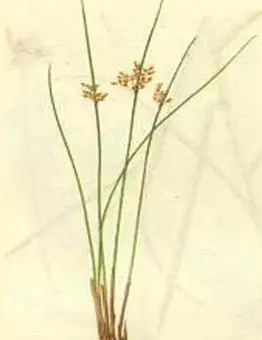
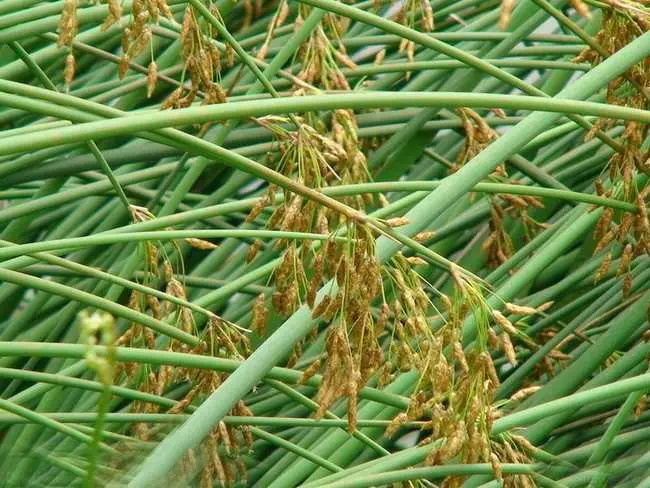
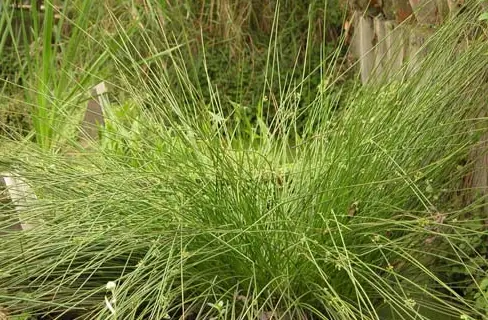
The dried stem pith of Juncus effusus L. (family Juncaceae).
Identification性状特征
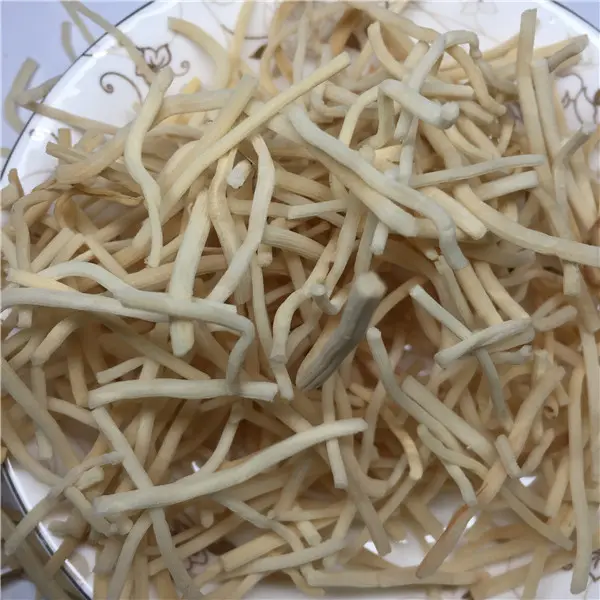
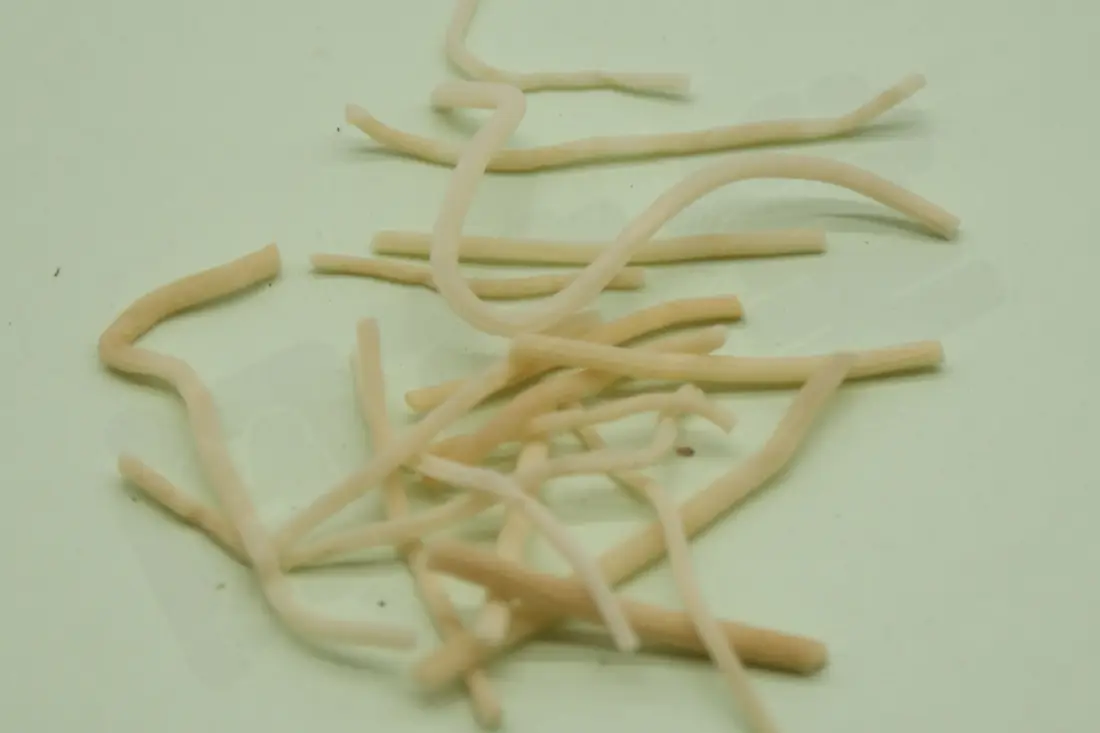
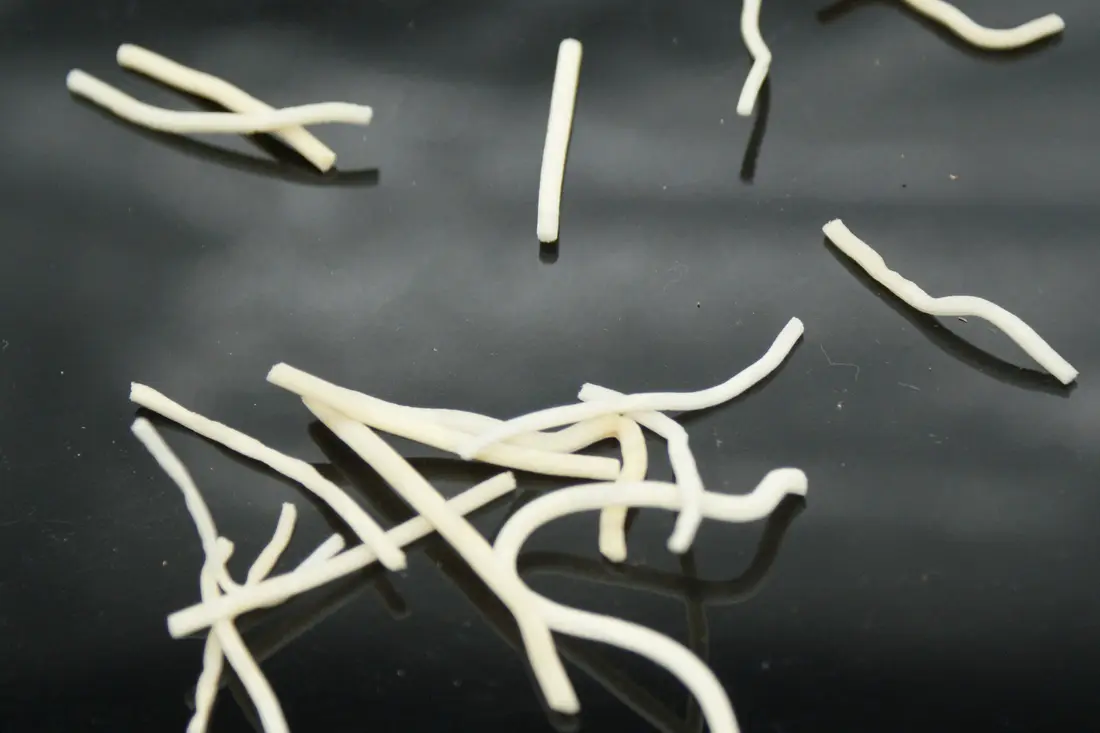
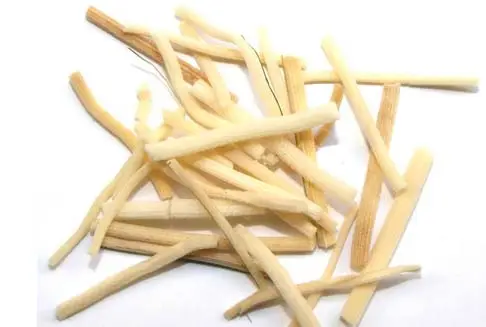
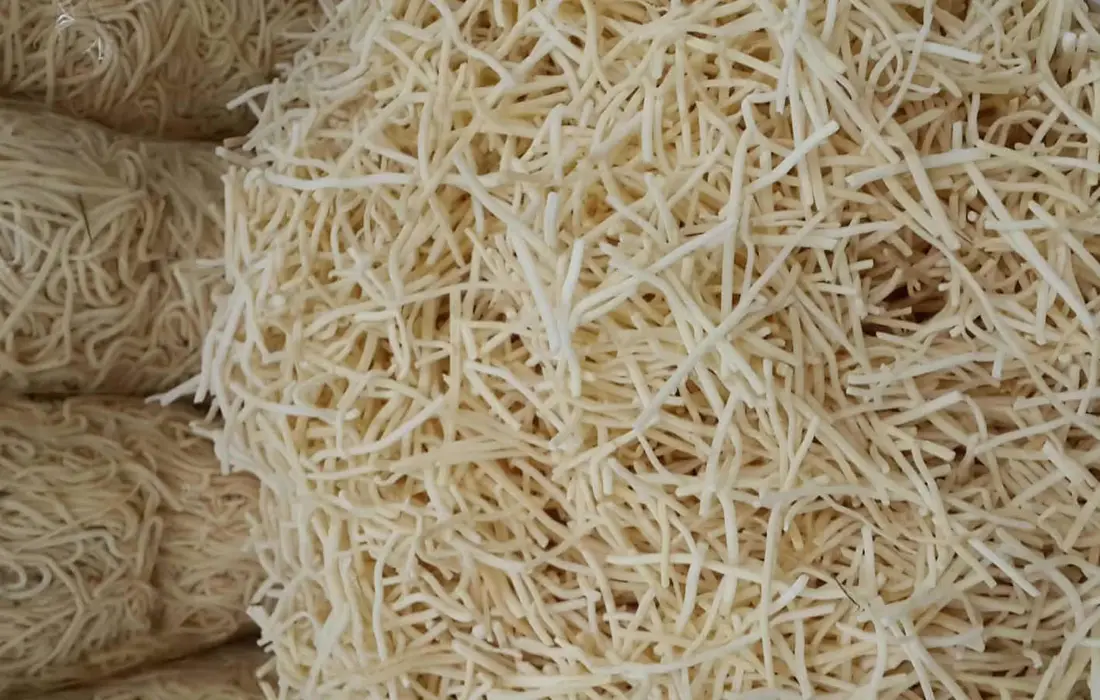
Fine cylindrical pieces up to 90 cm long and 0.1–0.3 cm in diameter. Surface white or pale yellowish-white with fine longitudinal striations. Light, soft, slightly elastic, easily broken; fracture white. Faint odor, bland taste.
Properties and actions性味与功效
Actions
clear heart fire · promote urination · calm the spirit
Indications
Used for palpitations and insomnia, scanty painful urination, and mouth and tongue ulcers.
Dosage
1–3 g.
Caution
Its action is strongly draining; not suitable for debilitated or collapsed patients. Because it is slightly cold, use with care in deficiency-cold of the spleen and stomach.
Processing炮制
Juncus pith (raw)
Remove impurities and cut into sections.
Juncus pith charcoal
Take clean juncus pith and prepare charcoal by the calcination method.
Modern research现代药理
Antioxidant and antimicrobial effects
The acetone, ethanol and ethyl acetate extracts of juncus pith all show antioxidant and antimicrobial activity, with the ethyl acetate extract being the strongest.
Classical records历代本草
The Bencao Gangmu (Compendium of Materia Medica) records that it lowers heart fire, stops bleeding, promotes qi movement, disperses swelling and relieves thirst; burned to ash with calomel and musk, it treats yin gan (genital sores). The Bencao Mengquan notes it is sweet, cold, non-toxic and enters the metal and fire elements, and that its white pith is used for lamps; it opens the yin orifices and promotes urination, resolving urinary retention and edema. The Bencao Jingshu explains that its light, penetrating, cold, sweet and bland nature allows it to drain heat from the small intestine downward through urine. It also warns that because it is strongly draining, it should not be used in debilitated patients.
《本草纲目》:降心火,止血通气,散肿止渴。
烧灰,入轻粉、麝香,治阴疳。
《本草蒙筌》:味甘、气寒。属金与火。无毒。拆取中心白穰,用之燃灯照夜。通阴窍,利小便。除癃闭成淋,消水湿作肿。钵擂乳香少入,油润全无罐藏。冰片多,分两不耗。
《开宝本草》:味甘,寒,无毒。根及苗主五淋,生煮服之。
《本草拾遗》:味甘,寒,无毒。根及苗,主五淋,生煮服之。
《本草经疏》:灯心草,气味甘寒,则无毒可知。入心、小肠药也。其质轻通,其性寒,味甘淡,故能通利小肠热气下行从小便出,小肠为心之腑,故亦除心经热也。
简误:性专通利,虚脱人不宜用。
Audio and video语音与视频
Narration · Chinese · 7:34
Latin name · pronunciation
Photographs药材图片
Cultivation and authentication栽培与鉴别
1 cultivation notes and 1 authentication articles exist for this herb. They are long-form field material and are published in Chinese only.
Compiled from public Chinese materia medica sources for study and reference. Not medical advice.
Chinese version · All herbs
Chinese version · All herbs