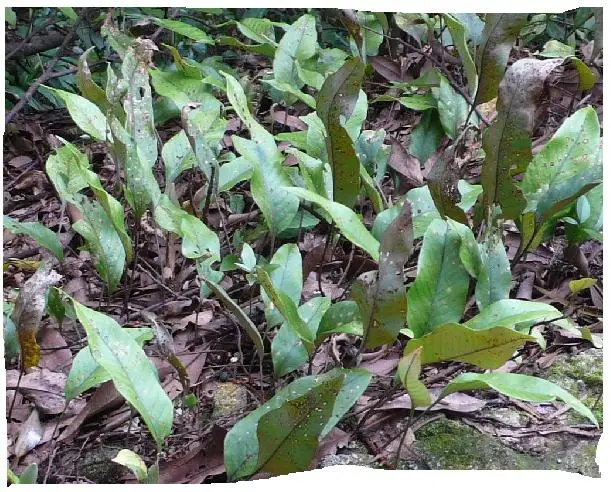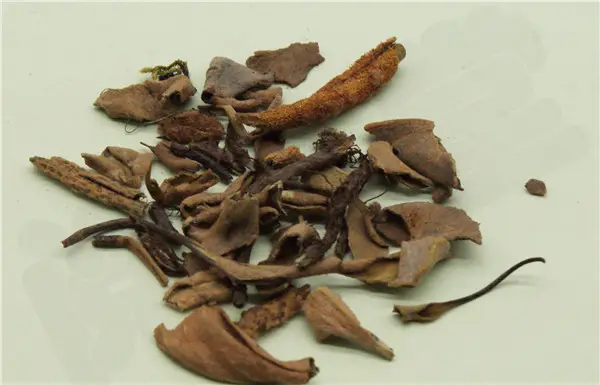
Pyrrosia leaf (Shi Wei)Materia Medica

Pyrrosia leaf (Shi Wei)

Shi Wei
PYRROSIAE FOLIUM
Nature and flavorSweet and bitter, slightly cold; lung and bladder meridians
Meridians enteredLung, bladder
Dosage6–12 g
Reference market price¥9 / kgBozhou market · spec 大叶 · 广西 · snapshot 2026-11-21

A fern leaf used in Chinese medicine to promote urination, clear lung heat and stop bleeding.

Source药物来源

The dried leaves of Pyrrosia sheareri (Bak.) Ching, Pyrrosia lingua (Thunb.) Farwell or Pyrrosia petiolosa (Christ) Ching (family Polypodiaceae). Name origin: the Bencao Gangmu says "soft skin is called wei"; the plant spreads over rocks and its leaves are like skin (Mingyi Bielu) and soft, hence Shi Wei.

Identification性状特征

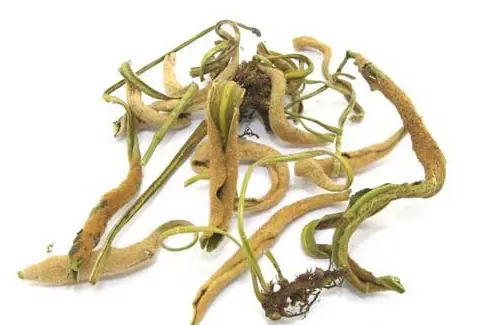
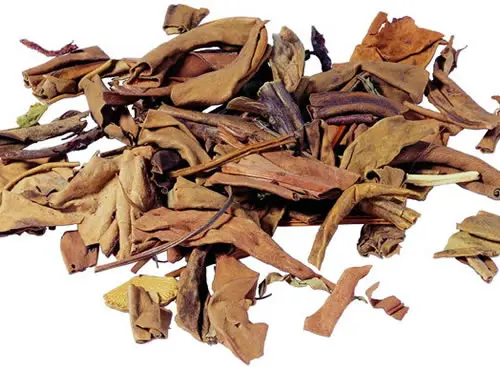
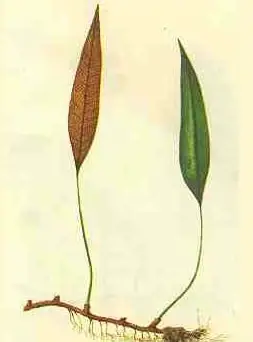
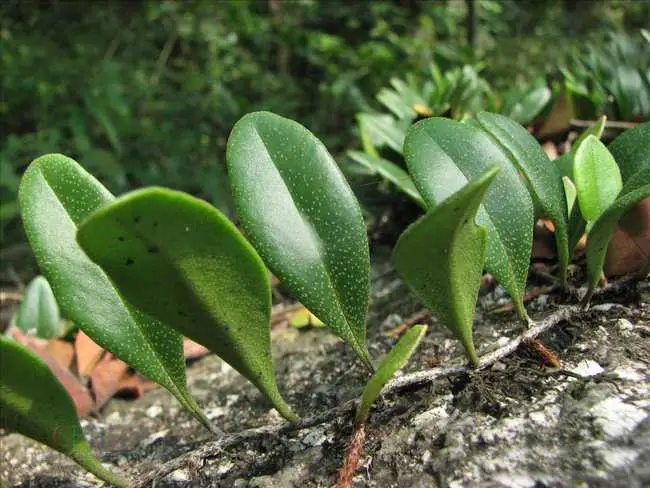
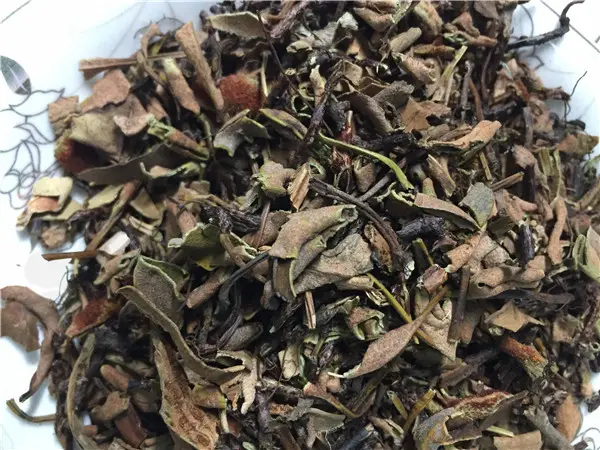
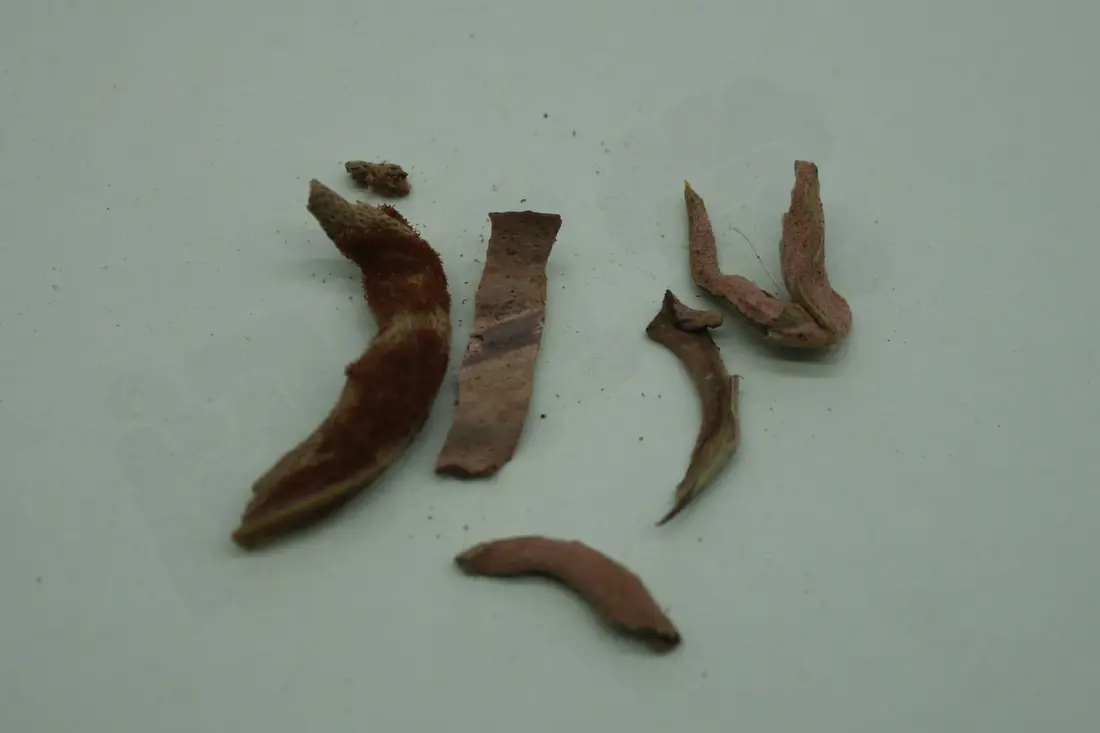
Pyrrosia sheareri: leaves slightly wrinkled, lanceolate when flattened, 10–25 cm long, 3–5 cm wide; apex acuminate, base auriculate and oblique, margin entire and often curled inward; upper surface yellow-green or grey-green with scattered small black circular pits; lower surface densely covered with reddish-brown stellate hairs, some lateral veins bearing brown dot-like sori. Petiole four-angled, 10–20 cm long, 1.5–3 mm in diameter, slightly twisted, with longitudinal grooves. Leaf leathery; odour slight, taste slightly astringent and bitter. Pyrrosia lingua: leaves lanceolate or oblong-lanceolate, 8–12 cm long, 1–3 cm wide, base cuneate and symmetrical; sori between lateral veins, closely and regularly arranged; petiole 5–10 cm long, about 1.5 mm in diameter. Pyrrosia petiolosa: leaves mostly curled into tubes, oblong or ovate-oblong when flattened, 3–8 cm long, 1–2.5 cm wide, base cuneate and symmetrical; lower surface with indistinct lateral veins and covered with sori; petiole 3–12 cm long, about 1 mm in diameter.
Properties and actions性味与功效
Actions
promote urination and treat strangury · clear lung heat and relieve cough · cool the blood and stop bleeding
Indications
Used for heat strangury, blood strangury and stone strangury, urinary obstruction, dribbling painful urination, cough and wheezing due to lung heat, hematemesis, epistaxis, hematuria and metrorrhagia.
Dosage
6–12 g, decocted and taken orally.
Caution
Slightly cold in nature: use with care in deficiency-cold of the spleen and stomach; follow professional advice.
Processing炮制
Raw
Remove impurities, wash, cut into sections, sun-dry and sift out fine debris.
Modern research现代药理
Chlorogenic acid
Contains chlorogenic acid (C16H18O9).
Classical records历代本草
The <i>Shennong Bencao Jing</i> records it as bitter and neutral, treating consumptive heat, pathogenic qi and urinary obstruction; the <i>Bencao Gangmu</i> notes it for metrorrhagia and metal wounds and to clear lung qi.
《神农本草经》:味苦,平。主治劳热,邪气,五癃闭不通,利小便水道。 《本草纲目》:崩漏金疮,清肺气。 《本草蒙筌》:味苦、甘,气平、微寒。无毒。得菖蒲妙,使杏仁良。治遗溺成淋,通膀胱利水。疗痈疽发背,去恶风止烦。益精气,补五劳,除邪热,安五脏。生瓦上者,瓦韦为名。 《开宝本草》:味苦、甘,平,无毒。止烦,下气,通膀胱满,补五劳,安五脏,去恶风,益精气。 《名医别录》:味甘,无毒。主止烦,下气,通膀胱满,补五劳,安五藏,去恶风,益精气。 《本草图经》:炒末,冷酒调服,治发背。
Audio and video语音与视频
Latin name · pronunciation
Narration and video are shared by all language versions and are in Chinese; the images and footage themselves are language-independent.
Photographs药材图片
Pyrrosia leaf (Shi Wei)
Cultivation and authentication栽培与鉴别

1 cultivation notes and 5 authentication articles exist for this herb. They are long-form field material and are published in Chinese only.

Read them in Chinese →

Compiled from public Chinese materia medica sources for study and reference. Not medical advice.
Chinese version · All herbs