Talcum (Hua Shi)
Hua Shi
TALCUM
Nature and flavorSweet, bland, cold; enters the Bladder, Lung, and Stomach meridians.
Meridians enteredBladder, Lung, Stomach
Dosage10–20 g, decocted first; topical use as appropriate.
Reference market price¥2.8 / kgBozhou market · spec common grade · Shandong · snapshot 2026-11-21
Talcum is a mineral drug that promotes urination, clears heat, and resolves dampness, used both internally and externally.
Source药物来源
This product is the mineral talcum of the talc group, a silicate mineral.
Identification性状特征
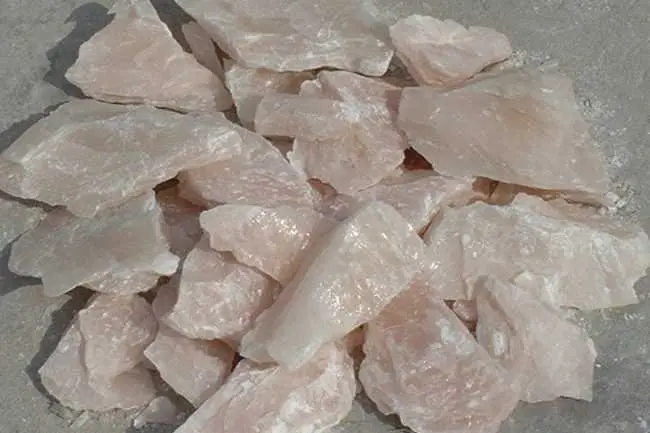
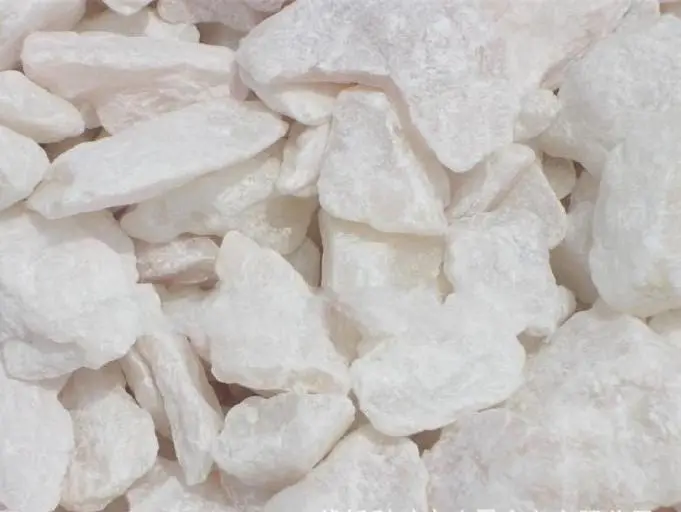
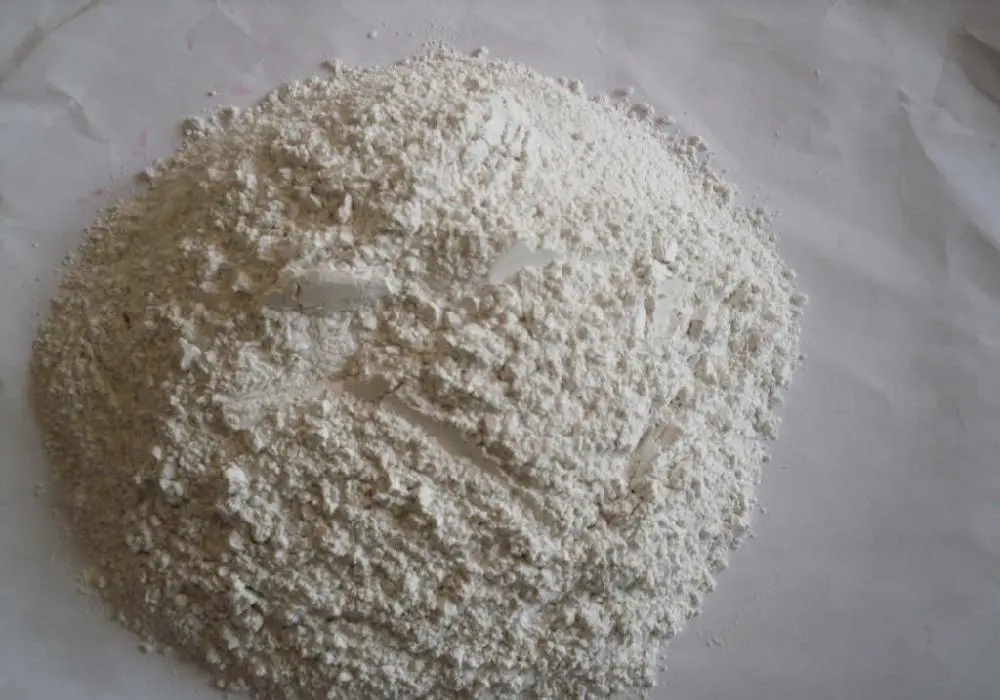
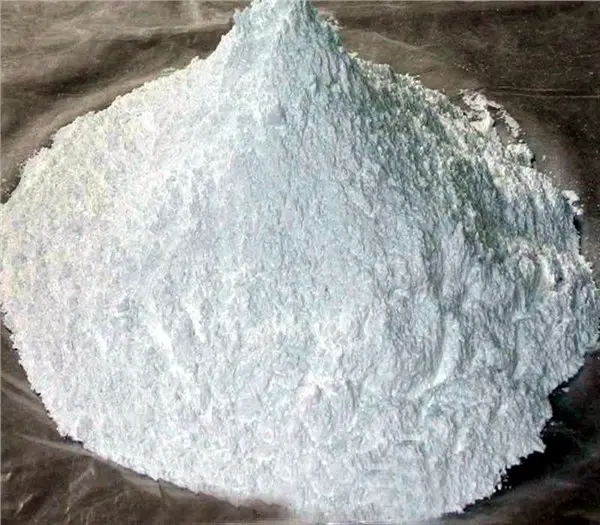
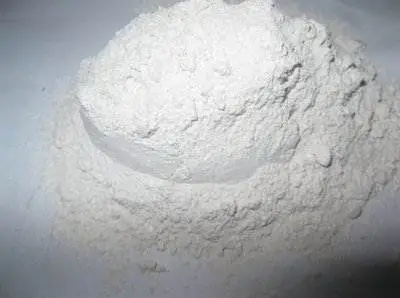
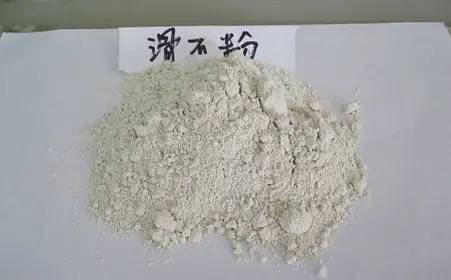
Usually massive aggregates, irregular lumps, white, yellowish-white or pale blue-gray, with waxy luster. Soft, fine, smooth to the touch, non-hygroscopic, does not disintegrate in water. Slight odor, tasteless.
Properties and actions性味与功效
Actions
Promote urination and treat strangury · Clear heat and relieve summerheat · Topically: drain dampness and astringe sores
Indications
Used for heat strangury, stone strangury, painful hot urination, summerheat-dampness with restlessness and thirst, damp-heat diarrhea; topically for eczema, damp sores, and prickly heat.
Dosage
10–20 g, decocted before other herbs. Topical use as appropriate.
Caution
Use with caution in deficiency-cold of the spleen and stomach; not suitable for pregnant women (according to classical texts).
Processing炮制
Talcum (raw)
Remove impurities, wash, dry, and crush.
Talcum powder
Crush clean talcum and grind into fine powder, or levigate with water to obtain a fine powder.
Modern research现代药理
Antibacterial effect
In vitro, talcum inhibits various pathogenic bacilli and cocci.
Protective effect
The powder protects skin and mucous membranes and prevents absorption of toxins.
Intestinal protection
Oral talcum powder protects inflamed intestinal mucosa, exerting anti-inflammatory, antidiarrheal, and antiemetic effects.
Adsorbent and astringent
Magnesium silicate in talcum has adsorbent and astringent actions, protecting skin, mucous membranes, and inflamed damaged tissues.
Classical records历代本草
Shennong Bencao Jing records it as sweet and cold, treating body heat, dysuria, and breast difficulty. Bencao Gangmu explains that its sweet-bland nature enters the stomach and disseminates fluids to the lungs and bladder, making it a diaphoretic and diuretic that clears heat and dries dampness.
《神农本草经》:味甘,寒。主治身热,泄辟,女子乳难,癃闭,利小便,荡胃中积聚寒热,益精气。
《本草纲目》:滑石利窍,不独小便也。上能利毛腠之窍,下能利精溺之窍。盖甘淡之味,先入于胃,渗走经络,游溢津气,上输于肺,下通膀胱。肺主皮毛,为水之上源。膀胱司津液,气化则出矣。故滑石上能发表,下利水道;为荡热燥湿之剂。发表是荡上中之热,利水道是荡中下之热;发表是燥上中之湿,利水道是燥中下之湿。热散则三焦宁而表里和,湿去则阑门通而阴阳利。河间之用益元散,通治表里上下诸病,盖为此意而未发矣。
疗黄疸水肿脚气,吐血衄血,金疮血出,诸疮肿毒。
《本草蒙筌》:味甘,气大寒。性沉重,降也,阴也。无毒。宜甘草。石韦为使,入足太阳。利九窍津液频生,行六腑积滞不阻。逐凝血而解烦渴,分水道以实大肠。消食毒补脾,泄止气降火。因此滑利,故加滑名。堕胎如神,妊娠忌服。
谟按:滑石治渴,非实能止渴也。资其利窍,渗去湿热,则脾气中和,而渴自止尔。假如天令湿淫太过,人患小便不利而渴,正宜用此以渗泄之,渴自不生。若或无湿,小便自利而渴者,则知内有燥热,燥宜滋润,苟误用服,是愈亡其津液,而渴反盛矣。宁不为犯禁乎!
《开宝本草》:味甘,大寒,无毒。通九窍六府津液,去留结,止渴,令人利中。
《名医别录》:大寒,无毒。通九窍、六府、津液,去留结,止渴,令人利中。
《本草图经》:古方治淋沥,多单使滑石,又与石韦同捣末,饮服刀圭,更验。烦热定,即停后服。
Culinary use民间药膳
Talcum Porridge
Talcum 20 g, polished rice 50 g, appropriate amount of white sugar.
Grind talcum into fine powder, wrap in cloth, place in a pot with 500 ml water, simmer for 30 minutes, remove cloth and keep liquid. Wash rice, add to pot, pour in talcum liquid, add water as needed, bring to boil over high heat then simmer to porridge. Add sugar and eat warm. Twice daily, one bowl each time.
Clears heat and drains dampness, promotes urination.
Audio and video语音与视频
Latin name · pronunciation
Photographs药材图片
Cultivation and authentication栽培与鉴别
0 cultivation notes and 3 authentication articles exist for this herb. They are long-form field material and are published in Chinese only.
Compiled from public Chinese materia medica sources for study and reference. Not medical advice.
Chinese version · All herbs
Chinese version · All herbs