Cibotium rhizome (Gou Ji)
Gou Ji
CIBOTII RHIZOMA
Nature and flavorBitter, sweet, warm; enters Liver and Kidney meridians.
Meridians enteredLiver, Kidney
Reference market price¥30 / kgBozhou market · spec common grade · 四川 · snapshot 2026-11-21
Cibotium rhizome is a wind-dampness-dispelling herb that also tonifies the liver and kidneys and strengthens the lower back and knees.
Source药物来源
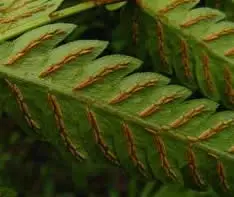
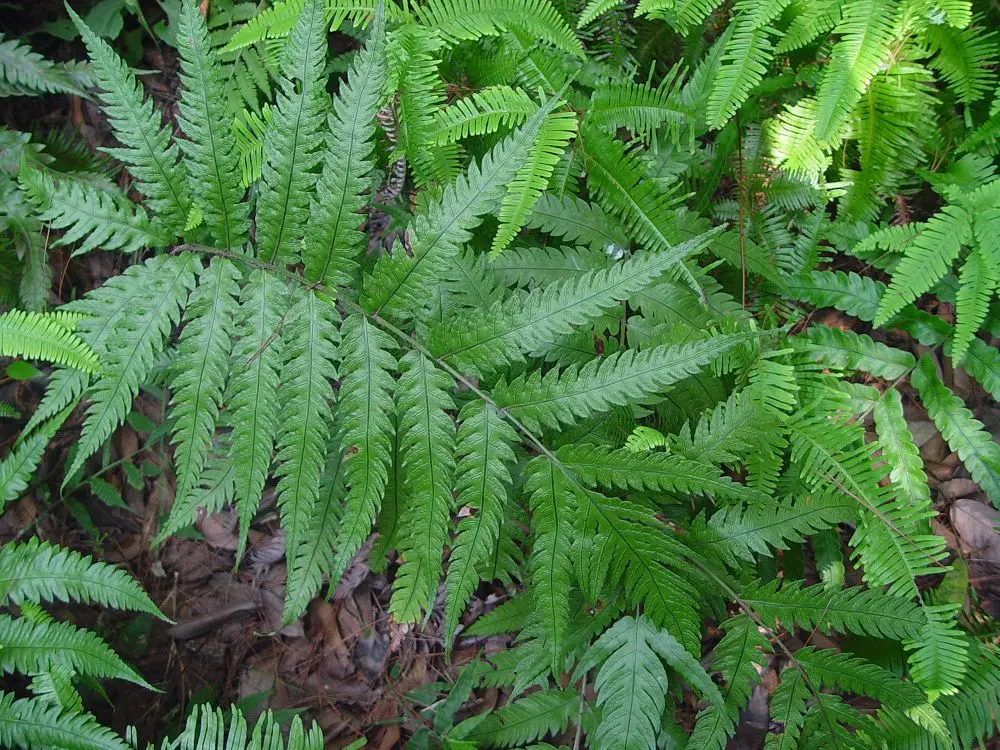
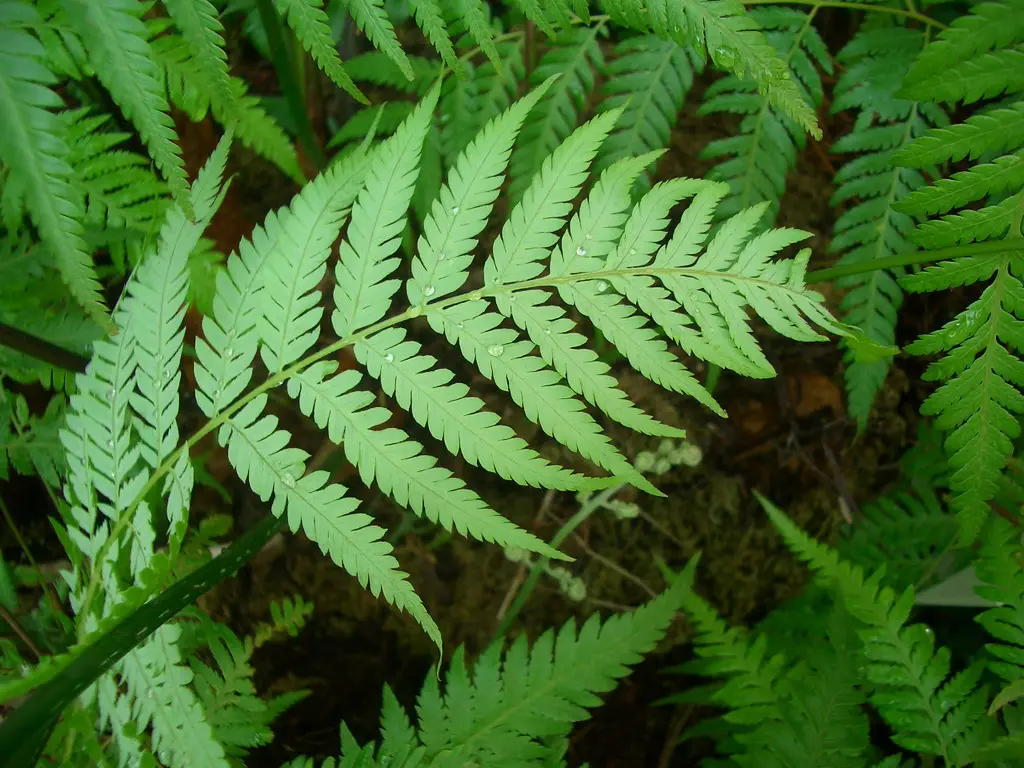
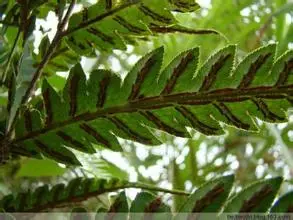
The dried rhizome of Cibotium barometz (L.) J. Sm. (family Dicksoniaceae). The name derives from the rhizome's branched, dog-spine-like shape, as noted by Su Gong.
Identification性状特征
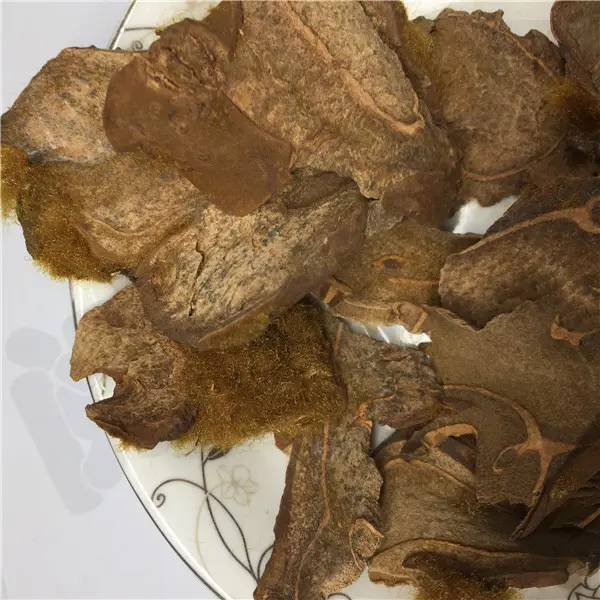
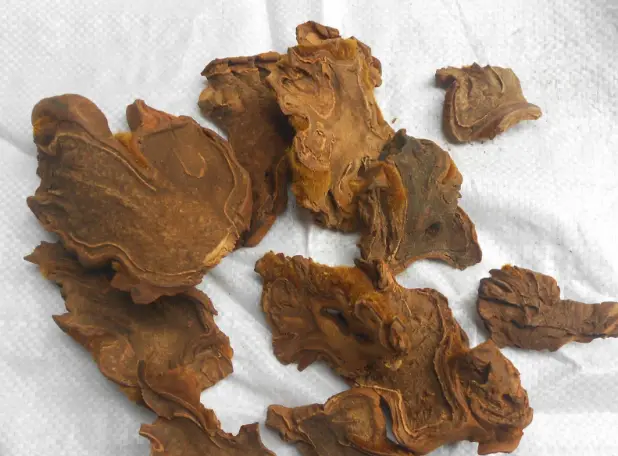
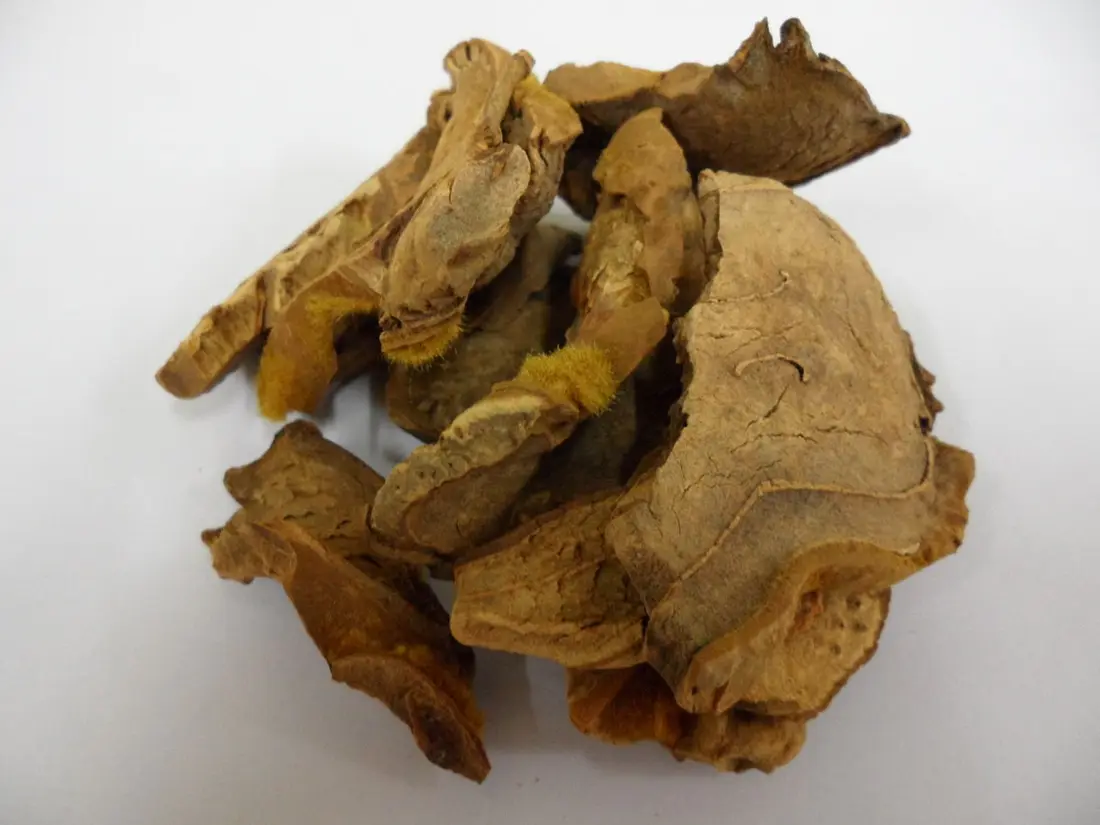
Irregular elongated lumps, 10–30 cm long, 2–10 cm in diameter. Surface dark brown with residual golden-yellow hairs; several reddish-brown woody petioles above and black fine roots below. Hard, difficult to break. Odorless; taste bland, slightly astringent. Raw slices irregularly elongated or round, 5–20 cm long, 2–10 cm in diameter, 1.5–5 mm thick; cut surface pale brown, smooth, with a brownish-yellow raised ring or stripe of xylem 1–4 mm from the edge; brittle, easily broken, starchy. Processed slices dark brown, hard.
Properties and actions性味与功效
ActionsDispel wind-dampness · Tonify the liver and kidneys · Strengthen the lower back and knees
IndicationsUsed for wind-dampness arthralgia, soreness and weakness of the lower back and knees, and weakness of the lower limbs.
CautionUse with caution in cases of yin deficiency with heat signs or damp-heat.
Processing炮制
Gou JiRemove impurities; for unsliced material, wash, soften, cut into thick slices, and dry.
Scalded Gou JiTake raw Gou Ji slices and scald with sand according to the scalding method until puffed; cool and remove residual hairs.
Stir-fried Gou JiTake clean Gou Ji and stir-fry over gentle heat until slightly scorched; remove and cool.
Salt-processed Gou JiMix clean Gou Ji with salt water until absorbed, steam for 3 hours, remove, and sun-dry.
Wine-processed Gou JiMix clean Gou Ji with wine until absorbed, steam for 3 hours, remove, and sun-dry.
Modern research现代药理
Protocatechuic acidContains protocatechuic acid (C7H6O4).
Classical records历代本草
The Shennong Bencao Jing records it as bitter and neutral, treating stiffness of the lower back, joint sluggishness, and cold-damp knee pain, and benefiting the elderly. The Bencao Gangmu notes it strengthens the liver and kidneys, invigorates the stomach, and treats wind deficiency.《神农本草经》:味苦,平。主治腰背强,关机缓急,周痹寒湿膝痛,颇利老人。
《本草纲目》:强肝肾,健胃,治风虚。
《本草蒙筌》:味苦、甘,气平,微温。无毒。根采类金毛狗脊,故假为名;恶败酱,使萆薢。治腰背强疼,关机缓急。理脚膝软弱,筋骨损伤。女子伤中欠调,老人失溺不节。周痹寒湿,并可医痊。
《开宝本草》:味苦、甘,平,微温,无毒。疗失溺不节,男子脚弱腰痛,风邪淋露,少气,目暗,坚脊,利俯仰,女子伤中,关节重。
《名医别录》:味甘,微温,无毒。主治失溺不节,男子脚弱腰痛,风邪,淋露,少气,目,坚脊,利俯仰,女子伤中,关节重。
Culinary use民间药膳
Sleep-promoting and nourishing soupBlack-boned chicken and duck meat 500 g each; Spatholobus stem, Agrimonia, and Polygonum multiflorum stem 20 g each; Cibotium rhizome, Dodder seed, Eclipta, Mulberry mistletoe, and Glossy privet fruit 12 g each; Atractylodes, Albizia bark, Rehmannia (raw), Rehmannia (prepared), and Dipsacus 8 g each; Ginseng 5 g; MSG 2 g; salt 4 g; ginger and scallion 10 g each.
Wash the 14 herbs, decoct in water, strain and reserve the liquid. Clean the chicken and duck, blanch, and cut into uniform pieces. Bring water to a boil in a pot, add the meat and boil. Cut scallion into sections and ginger into thin slices; add to the pot with the herbal liquid. Simmer over low heat for 2 hours, remove ginger and scallion, season with MSG and salt, and serve.
This soup calms the spirit, tonifies qi, and strengthens bones and muscles; suitable for patients with dual deficiency of qi and blood, frequent insomnia, and malnutrition.
Cultivation and authentication栽培与鉴别
0 cultivation notes and 3 authentication articles exist for this herb. They are long-form field material and are published in Chinese only.
Read them in Chinese →