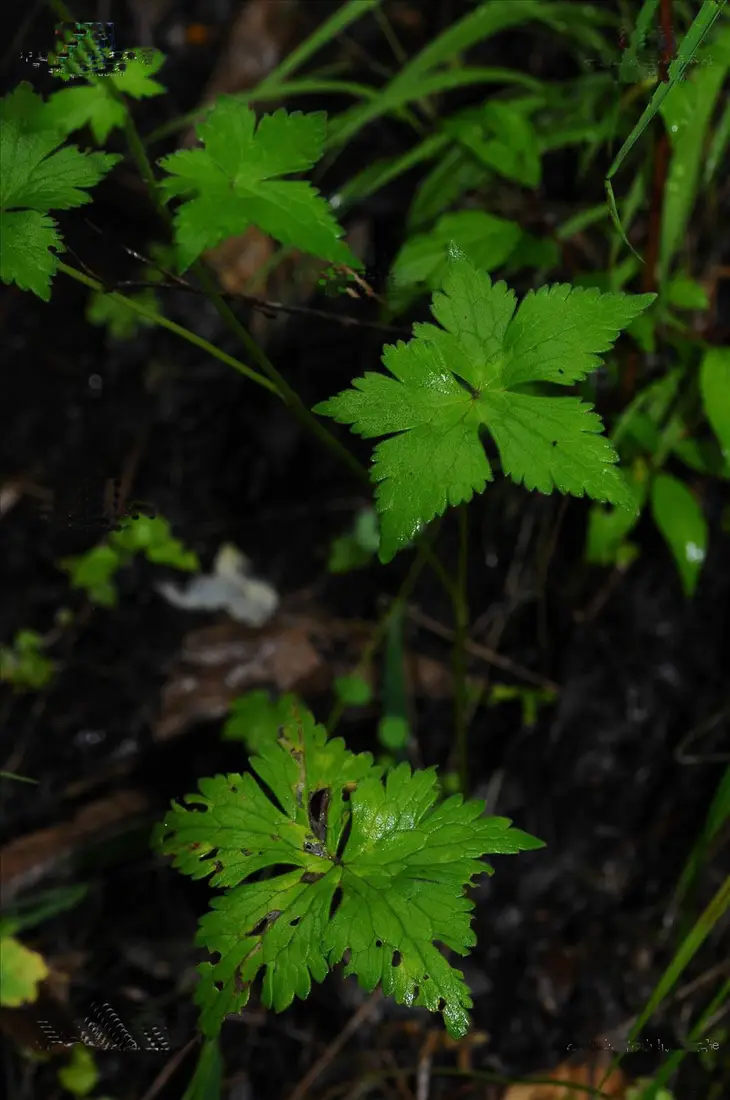
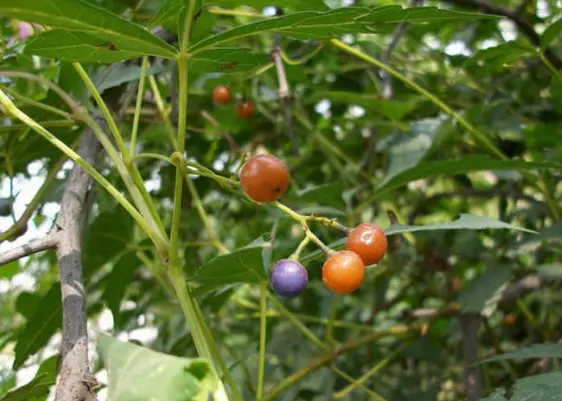
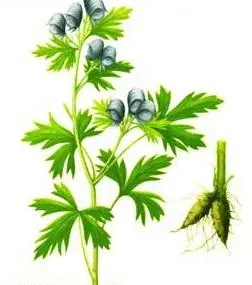
Wild Aconite Root (Cao Wu)
Cao Wu
ACONITI KUSNEZOFFII RADIX
Nature and flavorHot; pungent, bitter; highly toxic
Meridians enteredHeart, Liver, Spleen, Kidney
DosageNot specified in source
Reference market price¥50 / kgBozhou market · spec common grade · 河北 · snapshot 2026-11-06
Cao Wu is the dried root tuber of Aconitum kusnezoffii, a potent toxic herb used in traditional medicine for wind-damp and pain.
Source药物来源
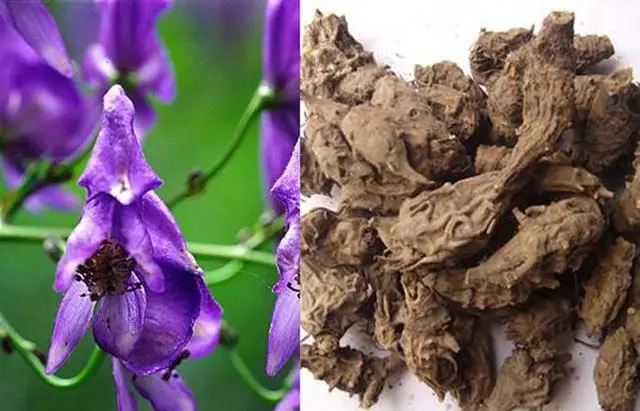
The dried root tuber of Aconitum kusnezoffii Reichb. (Ranunculaceae).
Identification性状特征
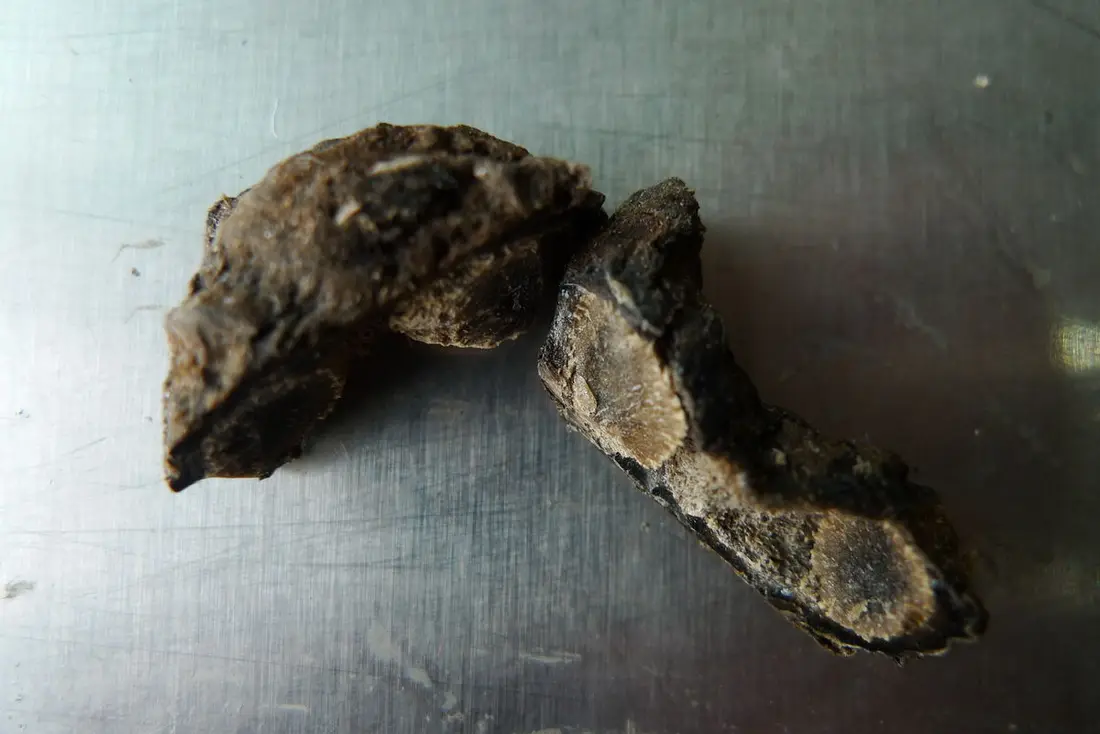
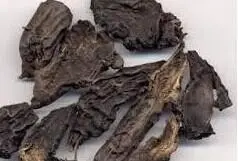
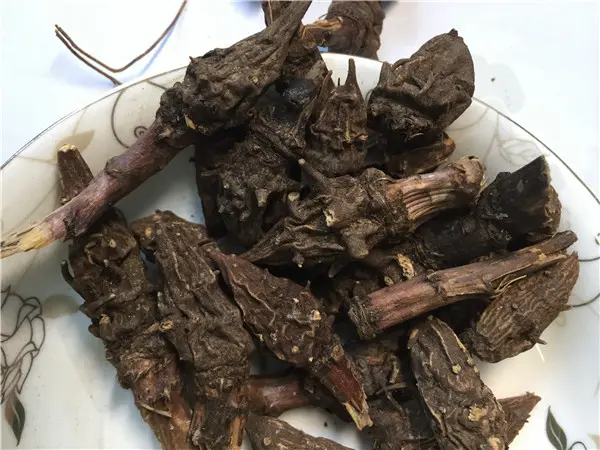
Irregular long conical, slightly curved, 2–7 cm long, 0.6–1.8 cm in diameter. Apex often with residual stem and few adventitious root remnants; sometimes a withered bud on one side and a round or flat-round adventitious root remnant on the other. Surface grayish-brown or blackish-brown, wrinkled, with longitudinal wrinkles, dotted fibrous root marks, and several nodular lateral roots. Hard; fracture grayish-white or dark gray, with fissures; cambium ring polygonal or subrounded; pith large or hollow. Odor slight; taste pungent, numbing.
Properties and actions性味与功效
ActionsDispel wind and dampness · Warm meridians and relieve pain
IndicationsFor wind-cold-dampness arthralgia, joint pain, cold pain of the heart and abdomen, and traumatic pain. Raw Cao Wu is highly toxic and mostly used externally for throat impediment, carbuncles, and scrofula.
DosageGenerally used after processing. Raw Cao Wu is for external use only. Processed Cao Wu is for internal use; dosage not specified in source.
CautionHighly toxic. Raw Cao Wu should not be taken internally. Use processed Cao Wu with caution; contraindicated in yin deficiency with heat and in pregnancy. Overdose may cause numbness, arrhythmia, or death.
Processing炮制
Raw Cao Wu (Sheng Cao Wu)Remove impurities, wash, and dry.
Processed Cao Wu (Zhi Cao Wu)Soak in water until no dry core remains; boil until a large solid piece shows no white core when cut and tastes slightly numbing; remove, air-dry to 60% dryness, slice thinly, and dry.
Modern research现代药理
Main alkaloidsAconitine (C34H47NO11), hypaconitine (C33H45NO10), mesaconitine (C33H45NO11).
Classical records历代本草
Classical texts such as Bencao Chongyuan and Bencao Gangmu emphasize that Cao Wu is more toxic than Chuan Wu and must be used with extreme caution; processing reduces toxicity for internal use.一般炮制后再用。
Folklore本草传说
According to Bencao Chongyuan, Cao Wu is more toxic than Chuan Wu because it grows wild. Historical records describe its use as arrow poison and accidental poisonings. Li Shizhen noted that birds fall and beasts stiffen on contact. The 'eighteen incompatibilities' warn against combining with Pinellia, Trichosanthes, Fritillaria, Ampelopsis, and Bletilla, yet classical formulas sometimes use them together with careful dosing. Modern practitioners like Zhang Zesheng used it for gout with cold-damp patterns, emphasizing precise diagnosis and dosage.
Cultivation and authentication栽培与鉴别
0 cultivation notes and 15 authentication articles exist for this herb. They are long-form field material and are published in Chinese only.
Read them in Chinese →