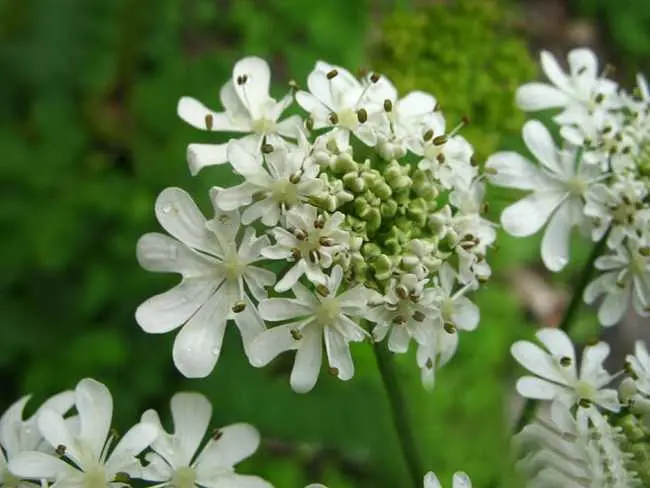
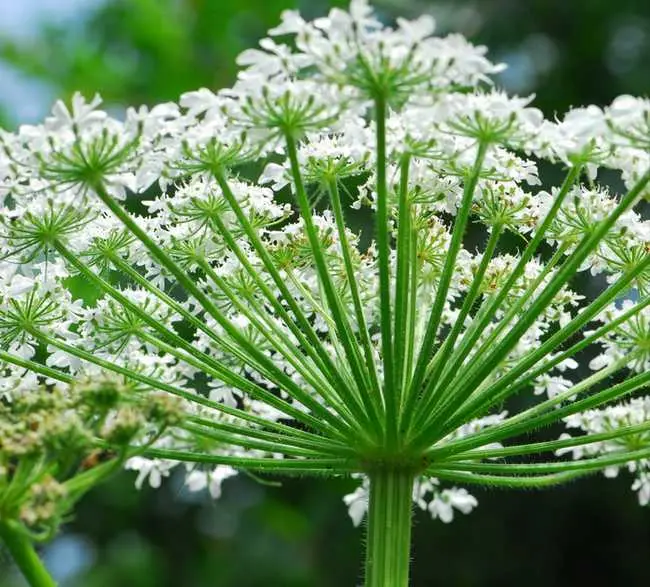
Pubescent Angelica Root (Du Huo)
Du Huo
ANGELICAE PUBESCENTIS RADIX
Nature and flavorPungent, bitter, slightly warm. Enters the kidney and bladder meridians.
Meridians enteredKidney, Bladder
Dosage3–10 g
Reference market price¥18 / kgBozhou market · spec common grade · 甘肃 · snapshot 2026-11-21
Du Huo is a traditional Chinese herb used to dispel wind-dampness and relieve pain.
Source药物来源
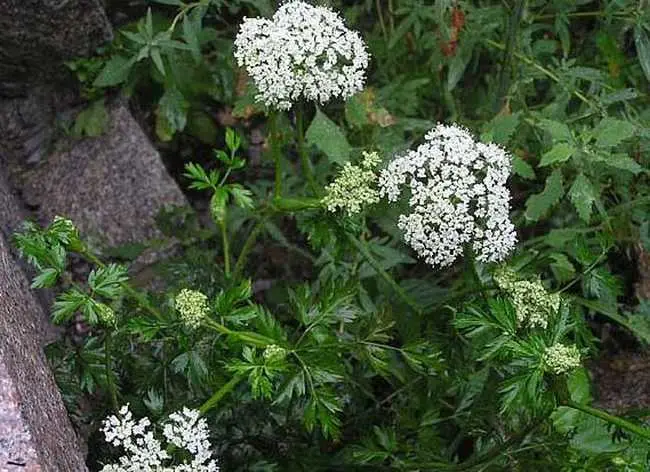
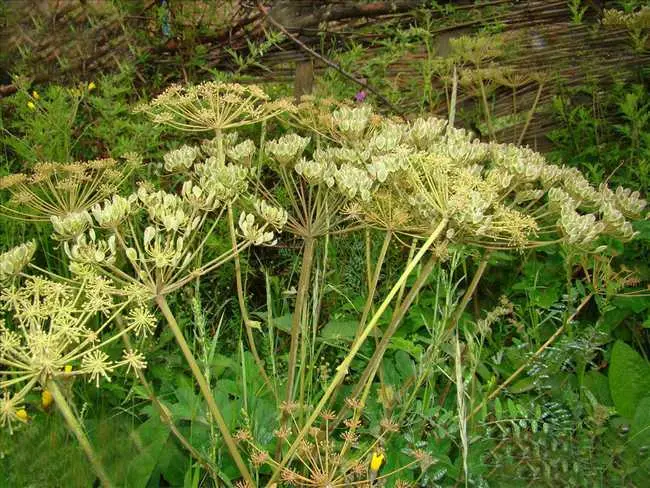
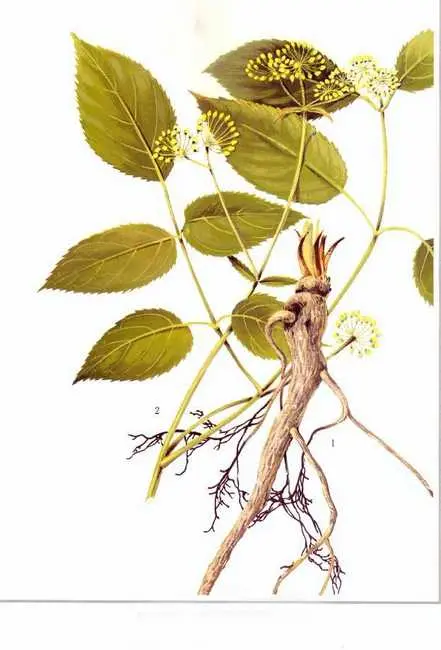
The dried root of Angelica pubescens Maxim. f. biserrata Shan et Yuan (family Apiaceae).
Identification性状特征
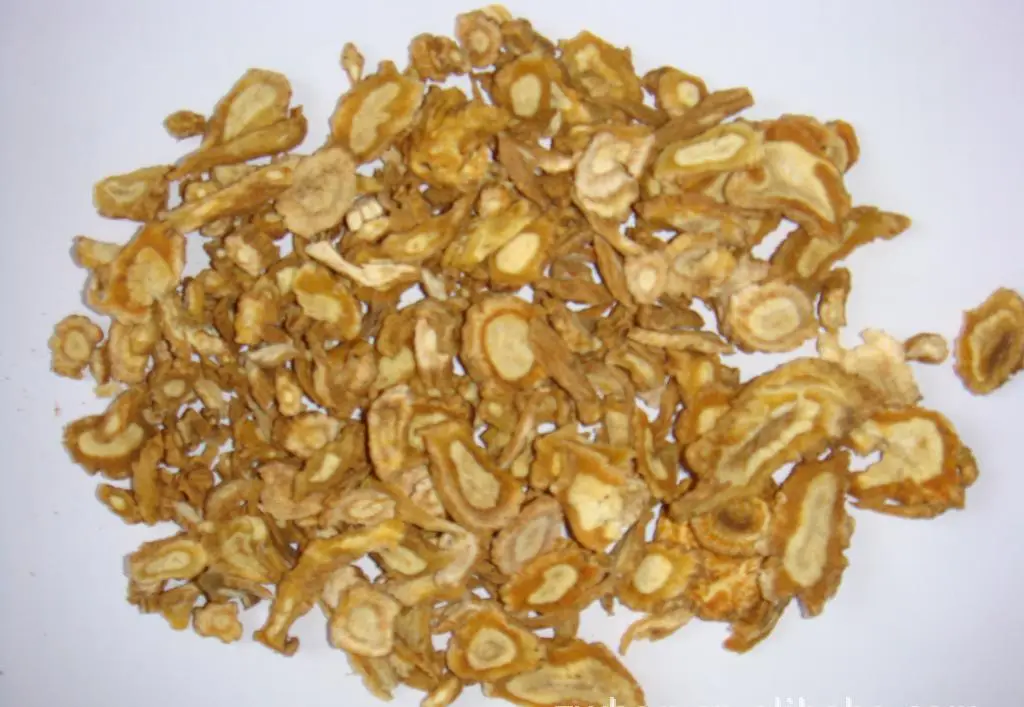
The root is roughly cylindrical, 10–30 cm long, with 2–3 or more branches below. The root head is swollen, conical, 1.5–3 cm in diameter, with many transverse wrinkles and stem or leaf remnants or depressions at the top. The surface is grayish-brown or brownish, with longitudinal wrinkles, transversely elongated lenticel-like protrusions, and slightly raised rootlet scars. It is relatively hard, becoming soft when damp. The fractured surface shows a grayish-white cortex with numerous scattered brown oil cavities, a grayish-yellow to brownish-yellow wood, and a brown cambium ring. It has a distinctive aroma, tastes bitter and pungent, and slightly numbs the tongue.
Properties and actions性味与功效
ActionsDispel wind and dampness · Unblock painful obstruction and relieve pain
IndicationsDispel wind and dampness, unblock painful obstruction, and relieve pain. Used for wind-cold-dampness arthralgia, lower back and knee pain, shaoyin latent wind headache, and wind-cold headache with dampness.
CautionUse with caution in cases of yin deficiency with heat or in patients with a dry mouth and throat.
Processing炮制
RawRemove impurities, wash, soften thoroughly, slice thinly, and dry in the sun or at low temperature.
Modern research现代药理
Osthole (C15H16O3)A coumarin compound with potential anti-inflammatory and analgesic effects.
Dihydroosthole angelate (C19H20O5)A coumarin derivative with potential pharmacological activities.
Classical records历代本草
The Shennong Bencao Jing records Du Huo as bitter and neutral, treating wind attack, metal wounds, pain, and other conditions. The Bencao Gangmu notes that Qiang Huo and Du Huo are similar but differ in quality, and that Du Huo from China is superior.《神农本草经》:味苦,平。主治风寒所击,金创,止痛,贲豚,痫痓,女子疝瘕。
《本草纲目》:羌活、独活皆能逐风胜湿,透关利节,但气有刚、劣不同尔。《素》云:从下上者,引而去之。二味苦辛而温,味之薄者,阴中之阳,故能引气上并,通达周身,而散风胜湿。唐刘师贞之兄病风,梦神人曰:但取胡王使者浸酒服,便愈。师负访问,皆不晓。复梦其母曰:胡王使者,即羌活也,松而用之,兄疾遂煎。
独活、羌活乃一类二种,以中国者为独活,西羌者为羌活。
《开宝本草》:味苦、甘,平、微温,无毒。疗诸贼风,百节痛风无久新者。
《名医别录》:味甘,微温,无毒。主治诸贼风,百节痛风无久新者。
《药性论》:君,味甘,辛。能治中诸风湿冷,奔喘逆气,皮肌苦痒,手足挛痛,劳损,主风毒齿痛。
《药性赋》:味苦、甘,平,气微温,无毒。升也,阴中之阳也。其用有三:诸风掉眩,颈项难伸,风寒湿痹,两足不仁及为足少阴之引经。
Folklore本草传说
Du Huo is said to be named because its stem grows straight and is not swayed by wind. In ancient times, it was also called Hu Wang Shi Zhe (Envoy of the Barbarian King). Legend has it that during the Tang Dynasty, Liu Shizhen's brother had rheumatism and dreamed that a spirit told him to soak Hu Wang Shi Zhe in wine. After his deceased mother explained that Hu Wang Shi Zhe was Qiang Huo, he used it and recovered. Later, Li Shizhen clarified that Qiang Huo and Du Huo are two varieties of the same kind.
Cultivation and authentication栽培与鉴别
5 cultivation notes and 7 authentication articles exist for this herb. They are long-form field material and are published in Chinese only.
Read them in Chinese →