Pharbitis Seed (Qian Niu Zi)
Qian Niu Zi
PHARBITIDIS SEMEN
Nature and flavorBitter, cold; toxic. Meridian tropism: Lung, Kidney, Large Intestine.
Meridians enteredLung, Kidney, Large Intestine
Dosage3–6 g; in pills or powder, 1.5–3 g per dose.
Reference market price¥11.5 / kgBozhou market · spec 黑 · 四川 · snapshot 2026-11-21
Pharbitis Seed is a toxic purgative used to drive out water and treat edema, constipation and intestinal parasites.
Source药物来源
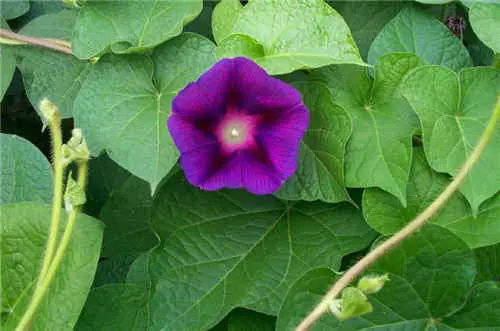
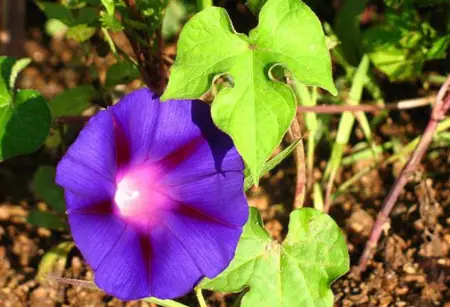
The dried ripe seeds of Pharbitis nil (L.) Choisy or Pharbitis purpurea (L.) Voigt (Convolvulaceae). Name origin: Tao Hongjing said, 'This drug first emerged when a field worker led an ox to thank the medicine.' Li Shizhen noted: 'People now conceal its name as Hei Chou (Black Ox) or Bai Chou (White Ox), because the earthly branch Chou corresponds to the ox.' It is also called Er Chou.
Identification性状特征
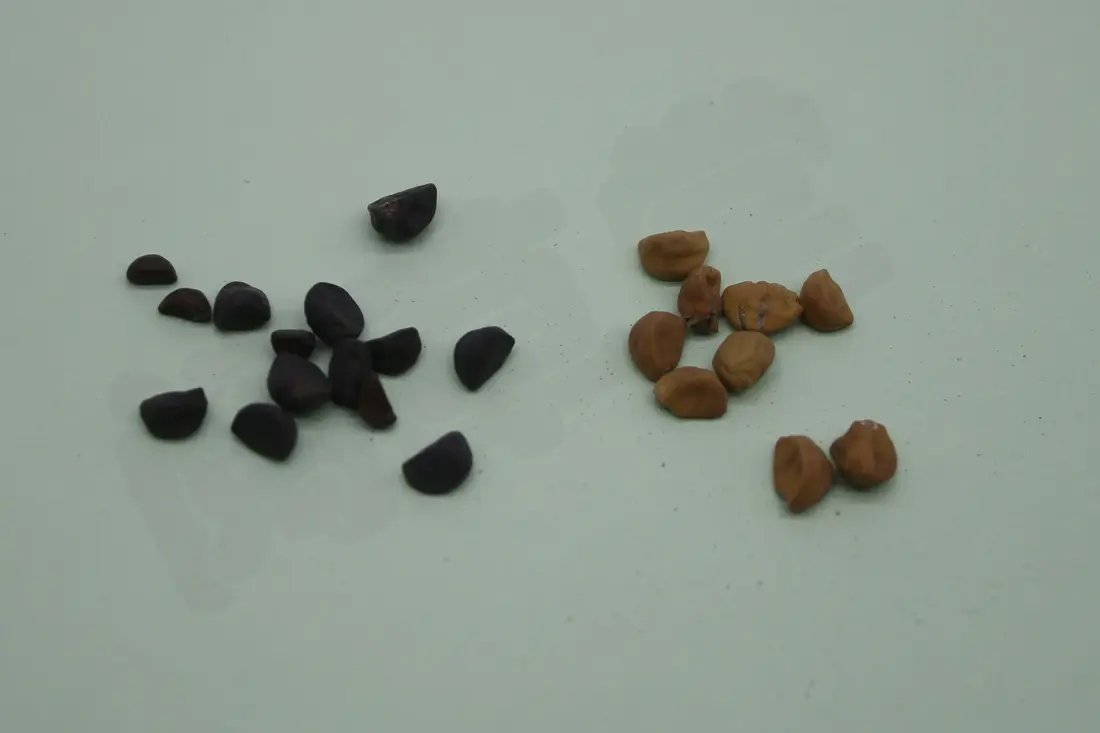
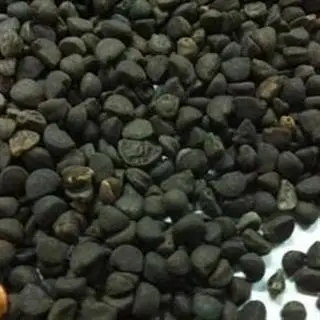
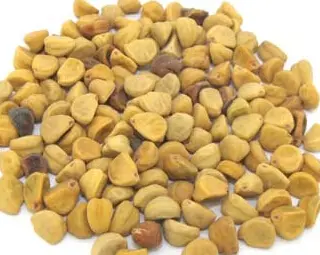
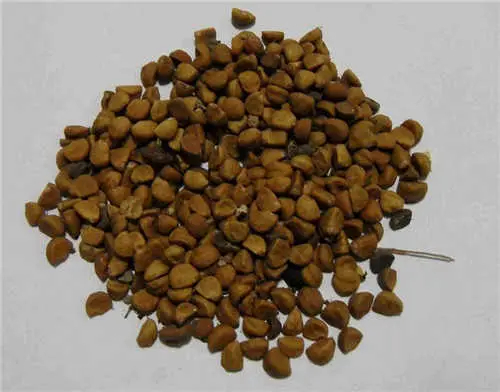
Seeds resemble orange segments, 4–8 mm long, 3–5 mm wide. Surface grayish-black or pale yellowish-white, with a shallow longitudinal groove on the dorsal side and a slightly concave dot-like hilum at the lower end of the ventral ridge. Hard; transverse section shows pale yellow or yellow-green wrinkled folded cotyledons, slightly oily. Odor slight; taste pungent, bitter, with a numbing sensation.
Properties and actions性味与功效
ActionsDrive out water and unblock the bowels · Resolve phlegm and eliminate fluid retention · Kill parasites and attack accumulations
IndicationsEdema with fullness, obstruction of urine and stool, phlegm-fluid accumulation, rebellious qi with wheezing and cough, parasitic accumulation with abdominal pain.
Dosage3–6 g. In pills or powder, 1.5–3 g per dose.
CautionToxic; contraindicated in deficiency-cold of the spleen and stomach and in yin deficiency. Do not use during pregnancy. Overdose may cause kidney irritation and hematuria.
Processing炮制
Qian Niu Zi (raw)Remove impurities, dry, and crush before use.
Chao Qian Niu Zi (stir-fried)Stir-fry clean seeds in a preheated container over gentle heat until crackling sounds occur, seeds slightly puff up, color darkens, cross-section pale yellow, and a slight aroma appears. Remove, spread to cool, and crush before use.
Modern research现代药理
Purgative effectPharbitin, the active constituent, is broken down in the intestine to pharbitic acid, which stimulates the intestinal tract and increases peristalsis, causing diarrhea.
Diuretic effectPharbitin accelerates renal excretion of glucose, exerting a diuretic effect. Large doses may irritate the kidneys, causing congestion and hematuria.
Anthelmintic effectShows some vermicidal activity against roundworms and tapeworms.
Stimulant effect on isolated intestine and uterusExcites isolated rabbit intestine and uterus.
Adenylate cyclase activationActivates adenylate cyclase.
Classical records历代本草
Li Shizhen's Bencao Gangmu records that Qian Niu Zi acts on the qi aspect to free the Triple Burner; when qi moves smoothly, phlegm and fluids are resolved, and the upper and lower passages become unobstructed. It is effective for water accumulation in the spleen, wheezing and fullness, and wind- or qi-type constipation, but should not be taken casually in blood-aspect disorders or in spleen-stomach weakness.《本草纲目》:牵牛(黑丑)自宋以后,北人常用取快。及刘守真,张子和出,又倡为通下之药。李明之目击其事,故著此说极力辟之。然东汉时此药未入本草,故仲景不知。假使知之,必有用法,不应捐弃。况仲景未用之药亦多矣。执此而论,盖矫枉过至矣。
牵牛治水气在脾,喘满肿胀,下焦郁遏,腰背胀肿,及大肠风秘气秘,卓有殊功。但病在血分;乃脾胃虚弱而痞满者,则不可取快一时,及常服暗伤元气也。一宗室夫人,年几六十。平生苦肠结病,旬日一行,甚于生产。服养血润燥药则泥膈不快,服消黄,通利药则若罔知,如此三十余年矣。时珍诊其人体肥膏粱,而多忧郁,日吐酸痰碗许乃宽,又多火病。此乃三焦之气壅滞,有升无降,津液皆优为痰饮,不能下滋肠腑,非血燥比也。润剂留滞,消黄徒入血分,不能通气,俱为痰阻,故无效也。乃用牵牛末、皂荚膏丸与服,即便通利。自是但觉肠结一服就顺,亦不妨食,且复精爽。盖牵牛能走气分,通三焦。气顺则痰逐饮消,上下通快矣。外甥柳乔,素多酒色。病下极胀痛,二便不通,不能坐卧,立哭呻吟者七昼夜。医用通利药不效。遗人叩予。予思此乃湿热之邪在精道,壅胀隧路,病在二阴之间,故前阻小便,后阻大便,病不在大肠、膀胱也。乃用楝实、茴香、穿山甲诸药,入牵牛加倍,水煎服。一服而减,三服而平。牵牛能达右肾命门,益精隧。人所不知,惟东垣李明之知之。故明之治下焦阳虚天真丹,用牵牛以盐水炒黑,入佐沉香、杜仲、破故子氏、治脾湿太过,通身浮肿,喘不得卧,腹如鼓,海金沙散,亦以牵牛为君。则东垣未尽弃牵牛不用,但贵施之得道耳。
逐痰消饮,通大肠气秘风秘,杀虫,达命门。
《本草蒙筌》:味苦,气寒。有毒。有黑白两种。黑者属水力速,白者属金效迟。炒研煎汤,并取头末。除壅滞气急,及痃癖蛊毒殊功;利大小便难,并脚满水肿极验。
谟按:东垣云:牵牛非《神农经》药,出《名医续注》,云:味苦、寒。能除湿利小便治下疰脚气。据所说气味、主治俱误。凡药中用牵牛者,少则动大便,多则泻下如水,乃导气之药。试取尝之,味则辛辣,久嚼雄壮,渐渐不绝,非辛而何?《续注》谓味苦、寒,果安在哉?牵牛但能泻气中湿热,不能泻血中湿热。况湿从下受,下焦主血,是血中之湿,宜用苦寒之味也。张仲景治七种湿证小便不利,无一药犯牵牛者,非不知牵牛能泻湿利小便也。为湿病之根在下焦,是血分中气病,而不可用辛辣气药,反泻上焦太阴之气故也。仲景尚不敢轻用,夫何世医,不分血气而一概用之乎?夫湿者,水之别称,有形者也。若肺先受湿,则宜用之。今则不问有湿无湿,但伤食,或欲动大便,或有热证,或作常服克化之药,罔不用之,岂不误哉!殊不知,牵牛比诸辛药泻气尤甚。张文懿公尝谓:牵牛不可耽嗜,脱人元气。吾初疑药有何耽嗜,后每见人因酒食病痞者,多服神芎丸等药,皆犯牵牛。初服则快,药过复痞,仍前再服,随药而效,由是愈信耽嗜久服,暗伤元气而犹不知悔悟也。治当益脾健胃,使元气生发,自然腐熟水谷,此治无以加矣。经
Folklore本草传说
The name Qian Niu Zi (Ox-Leading Seed) comes from legends. It is said a poor boy who herded oxen for a landlord fell ill with abdominal swelling and was driven away. He ate some wild seeds, passed much water, and recovered. To express gratitude, he led an ox to the herb and bowed. In another tale, a farmer's child was cured by a doctor's powder, and the family led a calf to thank him; the doctor named the herb Qian Niu Zi. Tao Hongjing wrote: 'This medicine first appeared in the fields; people led an ox to thank the medicine, hence the name.' The black and white seeds are also called Hei Chou and Bai Chou, as the branch Chou corresponds to the ox.
Cultivation and authentication栽培与鉴别
2 cultivation notes and 6 authentication articles exist for this herb. They are long-form field material and are published in Chinese only.
Read them in Chinese →