Aloe (Lu Hui)
Lu Hui
ALOE
Nature and flavorBitter, cold; enters Liver, Stomach, and Large Intestine meridians.
Meridians enteredLiver, Stomach, Large Intestine
Dosage2–5 g, in pills and powders; topical application as appropriate.
Reference market price¥130 / kgBozhou market · spec common grade · 进口 · snapshot 2026-11-21
Aloe is a bitter, cold purgative herb that clears liver fire and resolves toxicity, used for constipation and skin disorders.
Source药物来源
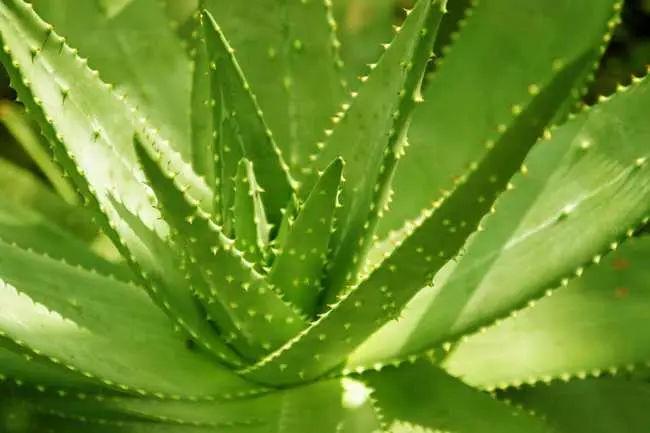
The dried concentrated juice of the leaves of Aloe barbadensis Miller, Aloe ferox Miller, or other related species of the Liliaceae family.
Identification性状特征
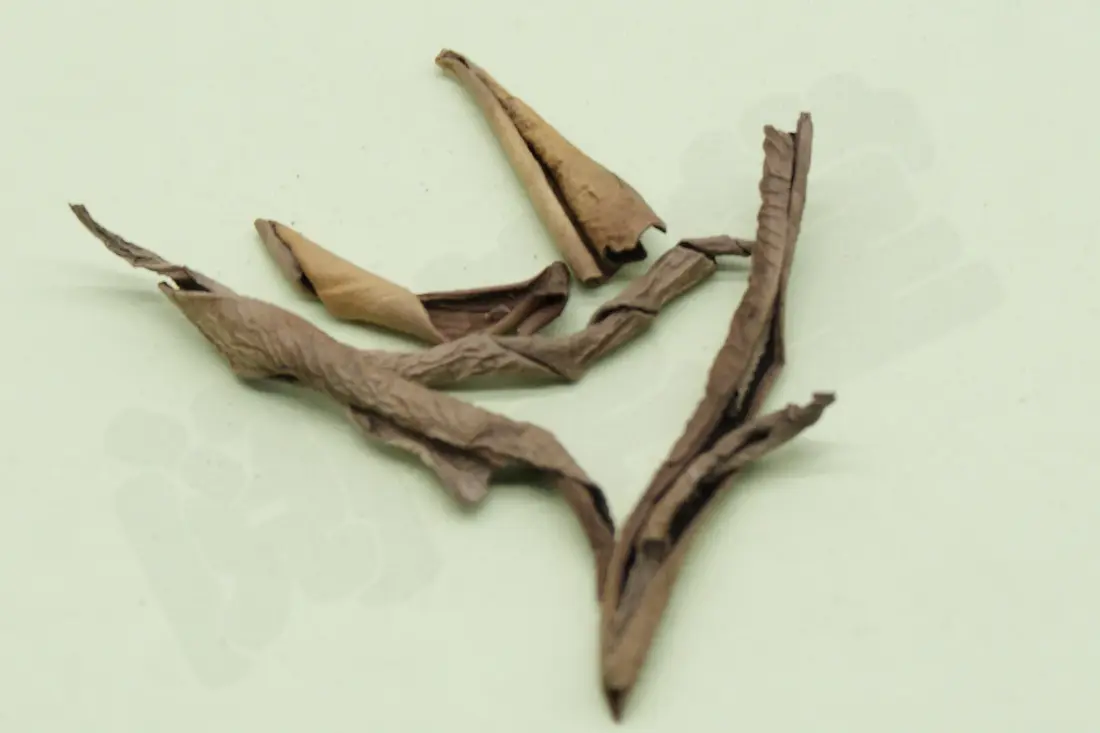
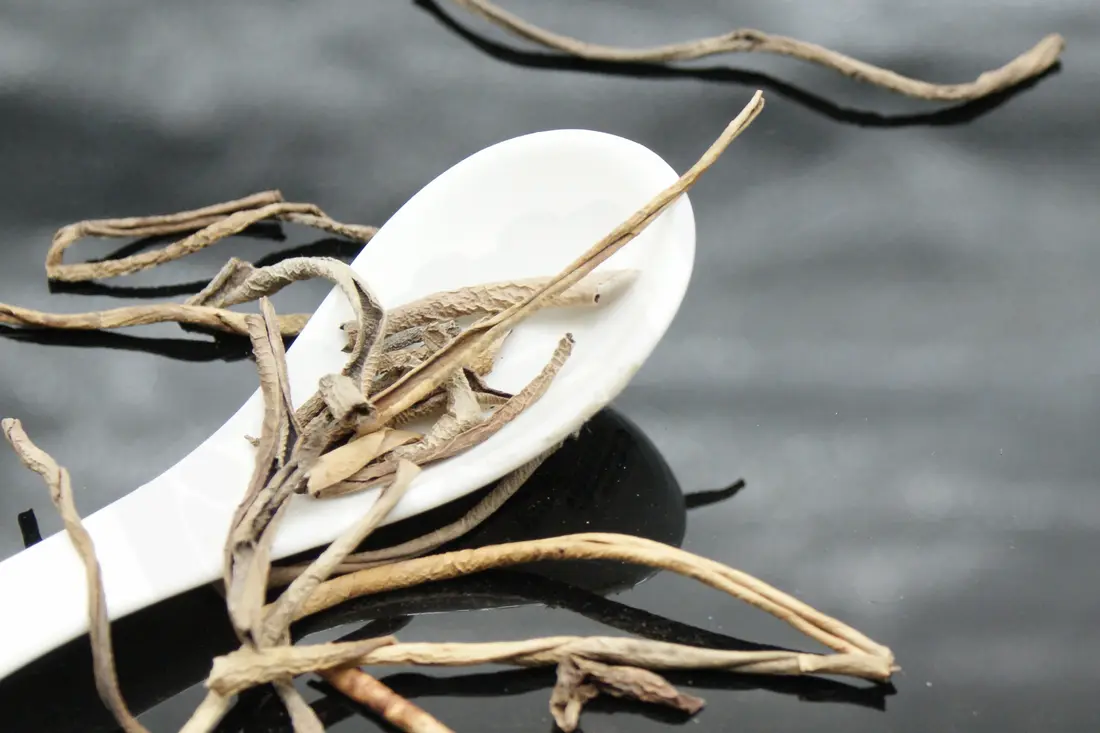
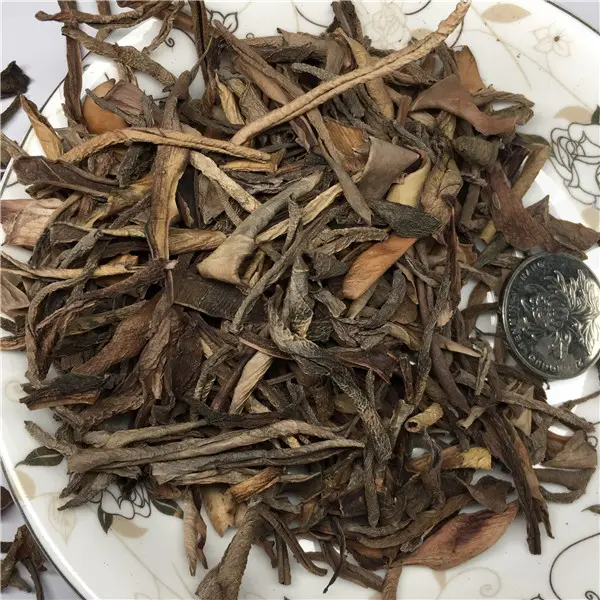
Curacao aloe: irregular lumps, often broken into angular pieces, varying in size; surface dark reddish-brown to deep brown, dull; light, hard, difficult to break; fracture rough or with mottled markings; highly hygroscopic; characteristic odor; extremely bitter taste. Cape aloe: surface dark brown, slightly greenish, lustrous; light, friable, easily broken; fracture glassy with layered striations.
Properties and actions性味与功效
ActionsPurgative, unblocks bowels · Clears liver and drains fire · Kills parasites and treats malnutrition
IndicationsUsed for constipation due to heat accumulation, seizures and convulsions, pediatric malnutrition; topically for tinea and sores.
Dosage2–5 g, suitable for pills and powders. For external use, appropriate amount, grind into powder and apply to affected area.
CautionContraindicated in deficiency-cold of the spleen and stomach with diarrhea or poor appetite. Use with caution in pregnant women.
Processing炮制
ChoppedCut into small pieces.
Modern research现代药理
Purgative effectAloe has a purgative effect; anthraquinone derivatives, especially aloe-emodin glycoside, exert a stimulant laxative action.
Wound healingAloe promotes wound healing.
Antibacterial effectAnimal studies show activity against Escherichia coli, Pseudomonas aeruginosa, and Trichophyton mentagrophytes. In vitro, aqueous decoction inhibits Epidermophyton inguinale, Trichophyton rubrum, and Nocardia asteroides. Alcoholic extract inhibits Mycobacterium tuberculosis in vitro.
Immune enhancementAloe enhances resistance to Listeria monocytogenes in mice. A polysaccharide isolated from aloe leaves has immunomodulatory and anticomplementary effects.
Anti-radiationAloe has anti-radiation damage effect.
Classical records历代本草
Materia Medica Mengquan (Bencao Mengquan) notes bitter, cold, non-toxic; relieves croton seed toxicity, kills parasites, treats malnutrition, calms the heart and brightens eyes, used for pediatric epilepsy and convulsions. Bencao Kaibao records similar uses. Bencao Jingshu explains its bitter-cold nature clears heat and kills parasites, acting on Liver and Spleen meridians; contraindicated in spleen-stomach deficiency-cold with diarrhea.《本草蒙筌》:味苦,气寒。无毒。误服巴豆,毒能解除。杀虫去疳,镇心明目。治小儿癫痫惊搐,疗大人疮瘘痔疽。癣发颈间,同甘草研匀敷效;蛪生齿缝,以盐汤漱净点瘥。
《开宝本草》:味苦,寒,无毒。主热风烦闷,胸膈间热气,明目镇心,小儿癫痫惊风,疗五疳,杀三虫及痔病疮瘘,解巴豆毒。
《本草经疏》:芦荟禀天地阴寒之气,故其味苦,其气寒,其性无毒。寒能除热,苦能泄热燥湿,苦能杀虫,至苦至寒,故为除热杀虫之要药。其主热风烦闷,胸胁间热气,明目,镇心,小儿癫痫惊风,疗五疳,杀三虫者,热则生风,热能使人烦闷,热除则风热烦闷及胸膈间热气自解。凉肝故明目,除烦故镇心。小儿癫痫惊风,热所化也,五疳同为内热脾胃停滞之证,三虫生于肠胃湿热,痔病疮瘘亦皆湿热下客肠脏,致血凝滞之所生,故悉主之。能解巴豆毒,亦除热之力也。详其功用,是足厥阴、足太阴二经药,亦可兼手少阴经。
简误:其味至苦,其性大寒,主消不主补。凡儿脾胃虚寒作泻及不思食者,禁用。
《药性论》:亦可单用,杀小儿疳蛔,主吹鼻,杀脑疳,除鼻痒。
Folklore本草传说
Liu Yuxi, a Tang dynasty writer, suffered from tinea that spread from neck to ear. A drug seller taught him to apply a powder of aloe and honey-fried licorice, which cured him quickly. Aloe has been used for skin care since ancient times: Cleopatra, Ono no Komachi, and Yang Guifei reportedly used it. After the atomic bombs in Japan, survivors applied aloe to radiation burns and healed without scars. Bathing with aloe liquid is a good skin care method.
Cultivation and authentication栽培与鉴别
13 cultivation notes and 4 authentication articles exist for this herb. They are long-form field material and are published in Chinese only.
Read them in Chinese →