Senna leaf (Fan Xie Ye)
Fan Xie Ye
SENNAE FOLIUM
Nature and flavorSweet and bitter, cold; enters the Large Intestine meridian.
Meridians enteredLarge Intestine
Dosage2–6 g, added near the end of decoction, or taken as an infusion.
Reference market price¥7 / kgBozhou market · spec common grade · 进口 · snapshot 2026-11-21
Senna leaf is a bitter, cold laxative herb used to clear heat and relieve constipation.
Source药物来源
The dried leaflets of Cassia angustifolia Vahl or Cassia acutifolia Delile (Fabaceae).
Identification性状特征
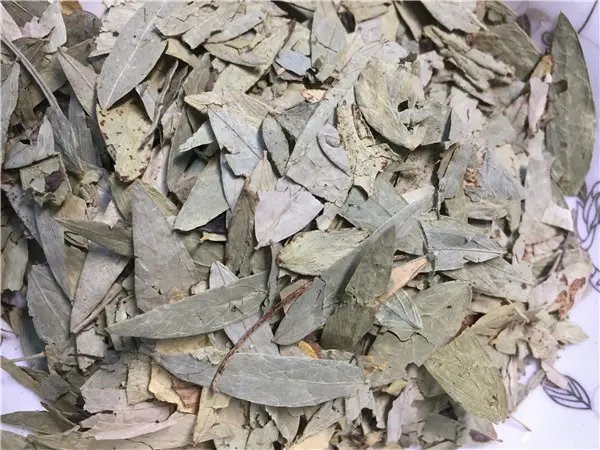
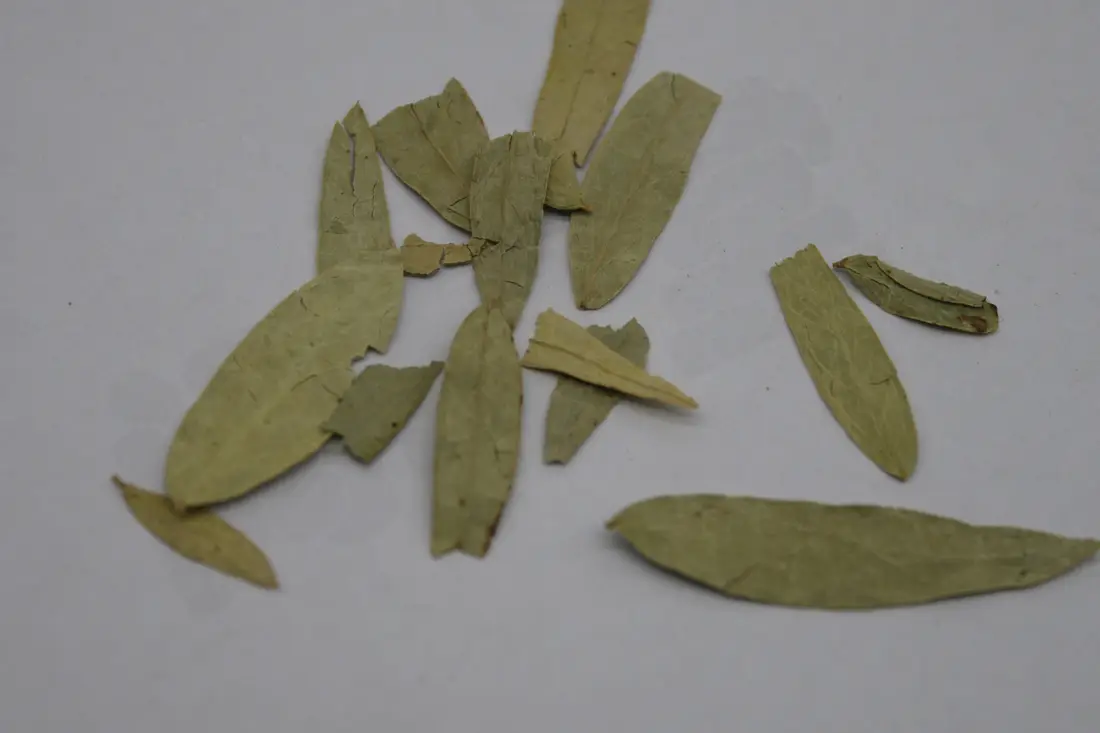
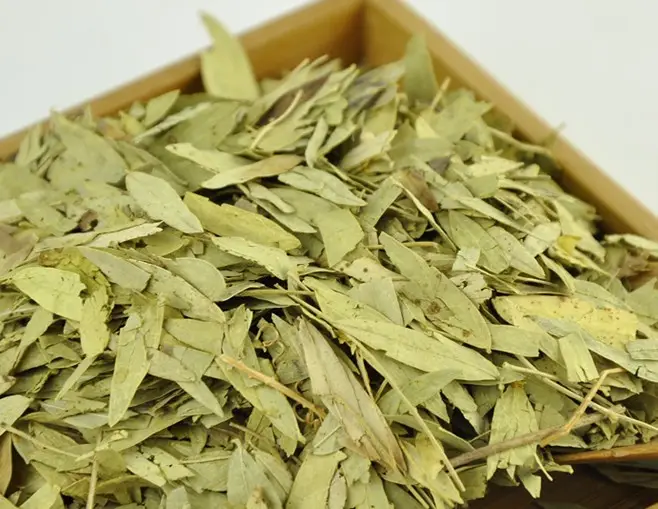
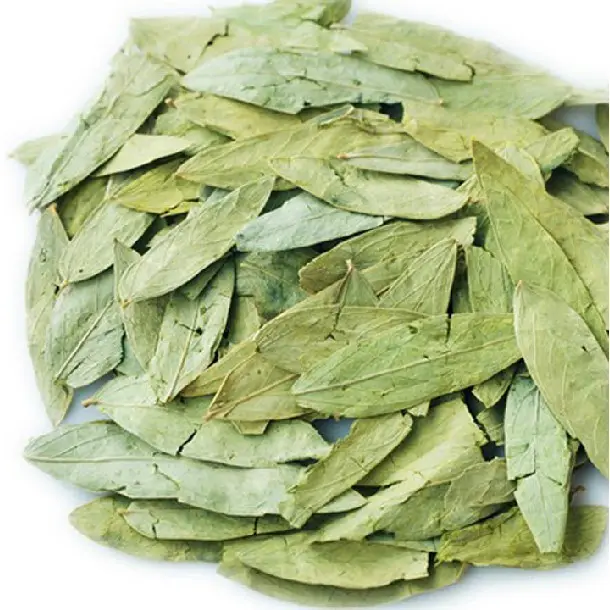
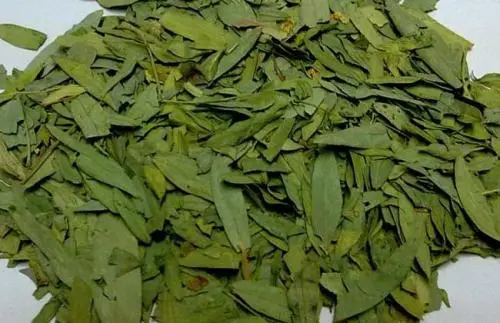
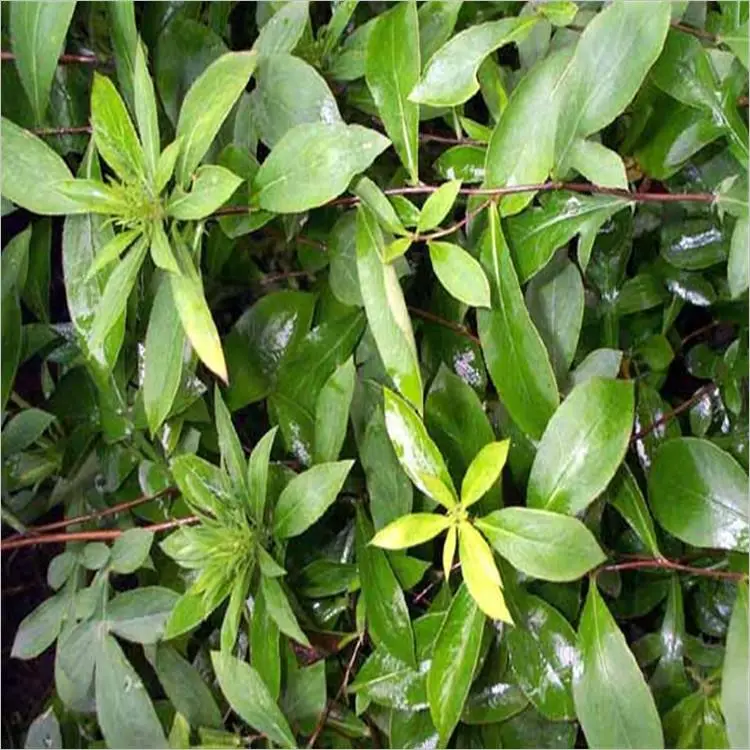
Cassia angustifolia: long ovate or ovate-lanceolate, 1.5–5 cm long, 0.4–2 cm wide, apex acute, base slightly asymmetrical, entire margin. Upper surface yellow-green, lower surface pale yellow-green, glabrous or nearly so, veins slightly raised. Leathery. Odor faint and characteristic; taste slightly bitter, somewhat mucilaginous. Cassia acutifolia: lanceolate or long ovate, slightly curled, apex shortly acute or slightly mucronate, base asymmetrical, both surfaces with fine short hairs.
Properties and actions性味与功效
ActionsClear heat and promote bowel movement · Unblock the bowels · Promote urination
IndicationsUsed for accumulation due to heat binding, constipation with abdominal pain, and edema with distention.
Dosage2–6 g, added near the end of decoction, or taken as an infusion in boiling water.
CautionContraindicated in deficiency-cold of the spleen and stomach, and should be used with caution during pregnancy or menstruation. Not for prolonged use.
Processing炮制
RawRemove impurities and coarse stems; sift out dust.
Modern research现代药理
Sennoside A (C42H38O20)Sennoside B (C42H38O20)
Classical records历代本草
The source text does not provide a classical quotation; no note is given.肠粘连缓解汤,肠驱蛔汤,牛黄清胃丸,芙蓉膏。
Culinary use民间药膳
Senna Leaf TeaSenna leaf 1.5–10 g
For mild laxation, use 1.5–3 g each time; for purgation, 5–10 g. Place the leaves in a cup and infuse in boiling water for about 5 minutes before drinking.
Laxative and guiding out stagnation
Cultivation and authentication栽培与鉴别
0 cultivation notes and 7 authentication articles exist for this herb. They are long-form field material and are published in Chinese only.
Read them in Chinese →