Digupi (Lycium Root Bark)
Di Gu Pi
LYCII CORTEX
Nature and flavorSweet, cold. Enters Lung, Liver, and Kidney meridians.
Meridians enteredLung, Liver, Kidney
Dosage9–15 g
Reference market price¥62 / kgBozhou market · spec common grade · 山西 · snapshot 2026-11-21
Digupi, the dried root bark of Lycium, clears heat, cools the blood, and steams out bone-steaming fever.
Source药物来源
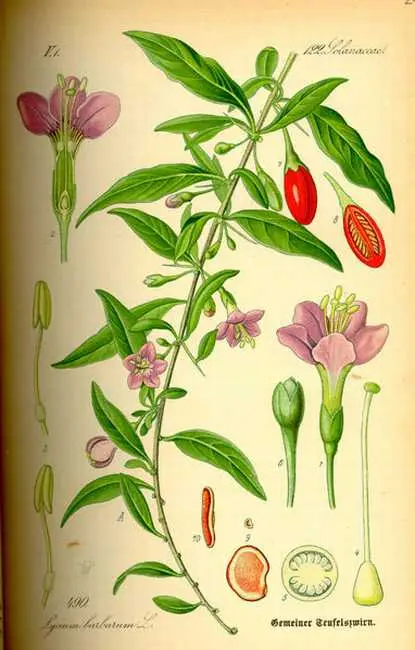
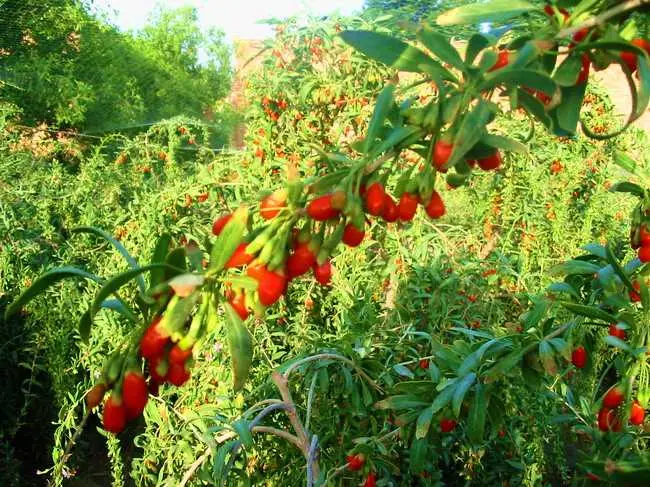
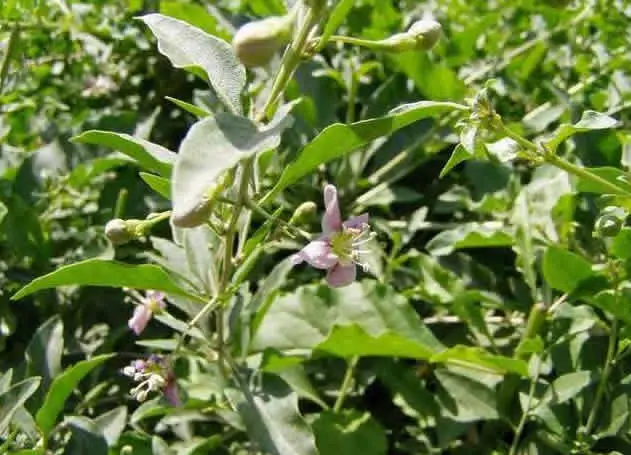
The dried root bark of Lycium chinense Mill. or Lycium barbarum L. (Solanaceae).
Identification性状特征
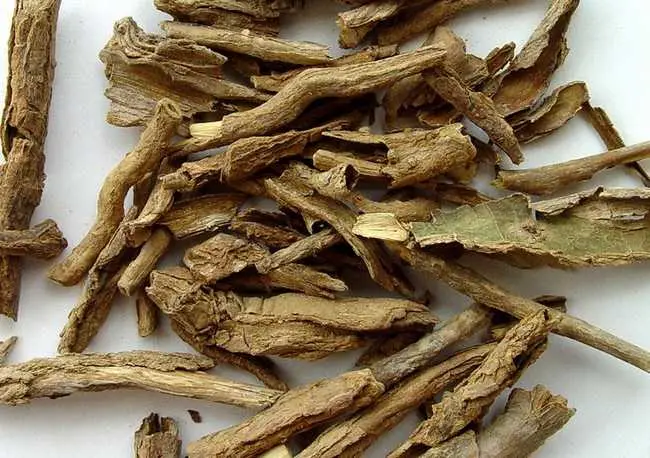
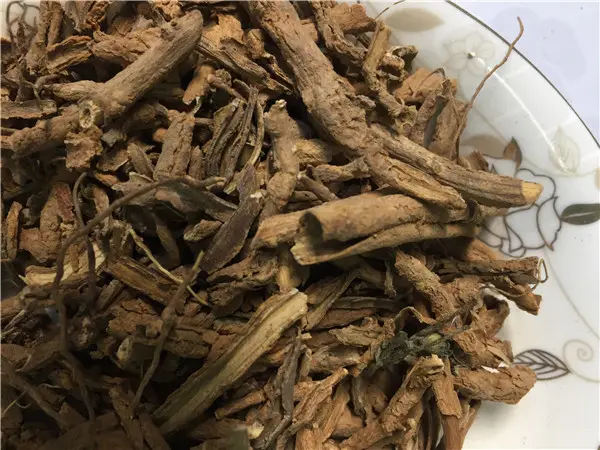
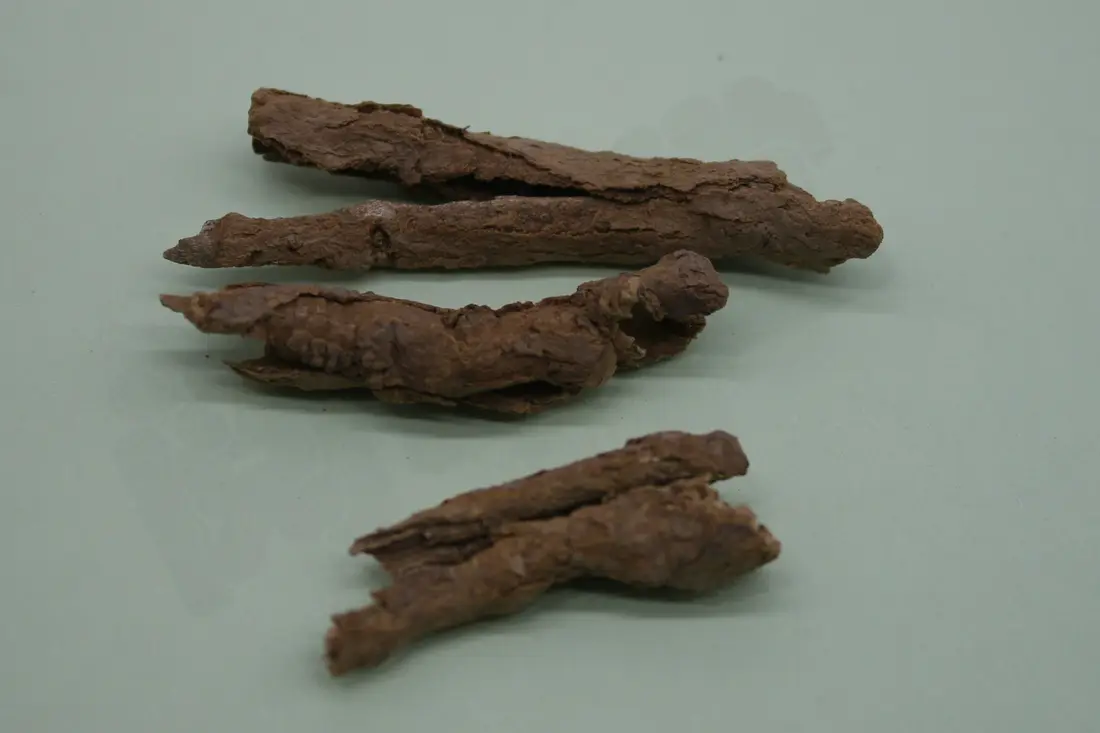
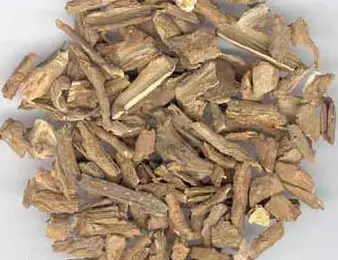
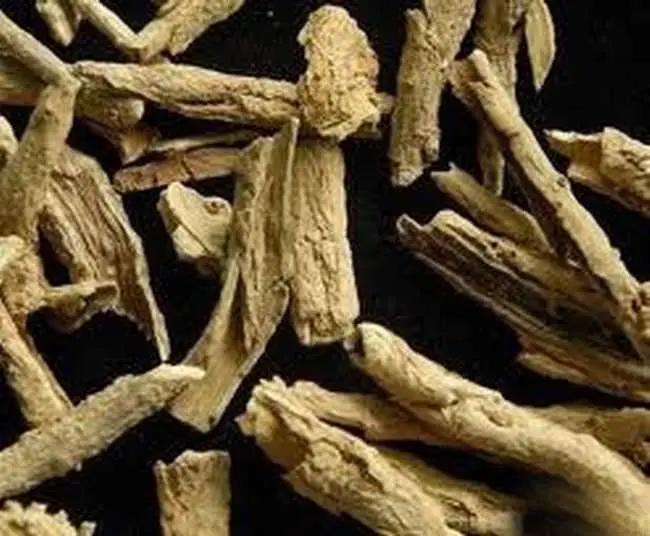
Cylindrical or trough-shaped, 3–10 cm long, 0.5–1.5 cm wide, 0.1–0.3 cm thick. Outer surface grayish-yellow to brownish-yellow, rough, with irregular longitudinal cracks, easily peeling in scales. Inner surface yellowish-white to grayish-yellow, relatively smooth, with fine longitudinal striations. Light, brittle, easily broken; fracture uneven, outer layer yellowish-brown, inner layer grayish-white. Slight odor; taste slightly sweet, then bitter.
Properties and actions性味与功效
ActionsCool the blood and eliminate steaming · Clear the lung and descend fire
IndicationsUsed for yin deficiency with tidal fever, bone-steaming and night sweats, cough due to lung heat, hemoptysis, epistaxis, and internal heat with wasting-thirst.
CautionContraindicated in cases of spleen-stomach deficiency-cold or exogenous wind-cold. Use with caution during pregnancy.
Processing炮制
RawRemove impurities and residual woody core, wash, and sun-dry.
Modern research现代药理
Antimicrobial effectThe decoction shows strong inhibitory action against Salmonella typhi, Salmonella paratyphi A, and Shigella flexneri. It also inhibits cytopathic effects caused by influenza A/Jingke/68 virus strain.
Antipyretic effectThe decoction, ether extract, water extract, and water extract of ether residue all produce antipyretic effects in experimental rabbits.
Immunomodulatory effectPolysaccharides from Digupi, injected intraperitoneally into rats for 7 days, significantly increase leukocyte counts lowered by cyclophosphamide and 60Co irradiation. Digupi also inhibits immunoglobulin E production, exerting antiallergic effects.
Classical records历代本草
The Shen Nong Ben Cao Jing records it as bitter and cold, treating internal pathogenic qi, heat in the middle, wasting-thirst, and generalized pain. The Bencao Gangmu notes it removes deficiency heat of the lower jiao, liver, and kidney.《神农本草经》:味苦、寒。主五内邪气,热中,消渴,周痹。
《本草纲目》:去下焦肝肾虚热。
《名医别录》:大寒。主风湿,下胸胁气,客热头痛。补内伤大劳嘘吸,坚筋骨,强阴,利大小肠。
《药性解》:地骨皮,味苦,性寒,无毒,入肺、肾二经。疗在表无定之风邪,退传尸有汗之骨蒸,除热清肺,止嗽解,凉血凉骨,利二便。
按:地骨皮枸杞根也,故均入肾。又入肺者,盖以其质为皮,则其用在表,肺主皮毛,所以入之。本功外与枸杞相同。
《药性赋》:味苦,平,性寒,无毒。升也,阴也。其用有二:疗在表无定之风邪,主传尸有汗之骨蒸。
Culinary use民间药膳
Baiwei DrinkBaiwei (Radix et Rhizoma Cynanchi Atrati) 10 g, Humulus scandens flower and fruit 10 g, Digupi 12 g
Decoct in water, take the liquid as a tea frequently.
Kills tuberculosis worms, clears deficiency heat.
Digupi DrinkDigupi 15 g, Ophiopogon tuber 6 g, wheat 6 g
Add water and decoct until wheat is cooked, remove residue, take the liquid as a tea frequently.
Nourishes yin, clears heat, stops sweating.
Cultivation and authentication栽培与鉴别
1 cultivation notes and 7 authentication articles exist for this herb. They are long-form field material and are published in Chinese only.
Read them in Chinese →