Viola yedoensis herb (Zi Hua Di Ding)
Zi Hua Di Ding
VIOLAE HERBA
Nature and flavorBitter, pungent, cold; enters the Heart and Liver meridians.
Meridians enteredHeart and Liver meridians
Dosage15–30 g
Reference market price¥9 / kgBozhou market · spec common grade · 安徽 · snapshot 2026-11-21
Viola yedoensis herb is a heat-clearing herb used to resolve toxicity and reduce swelling.
Source药物来源
The dried whole plant of Viola yedoensis Makino (family Violaceae).
Identification性状特征
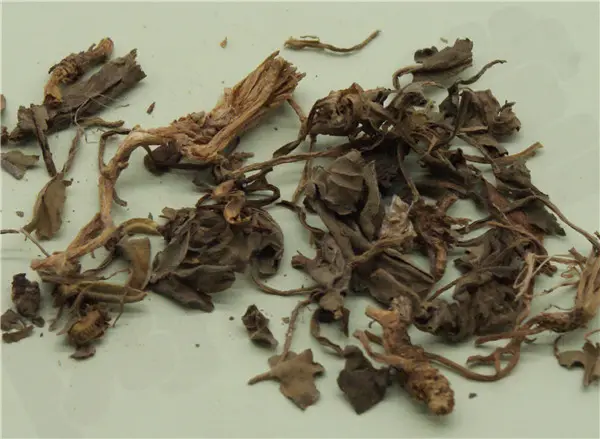
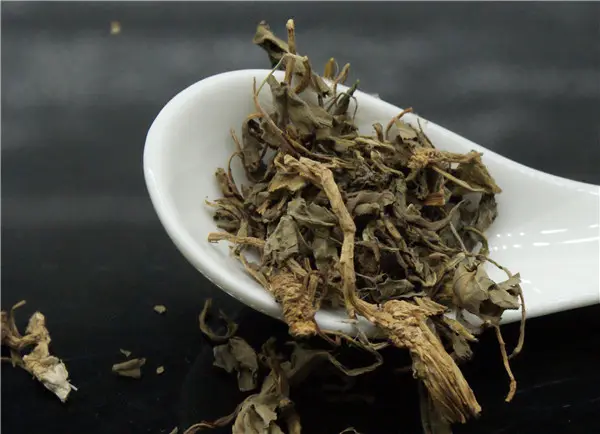
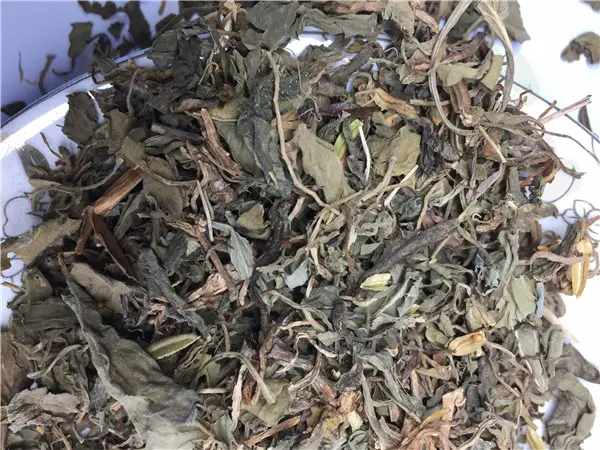
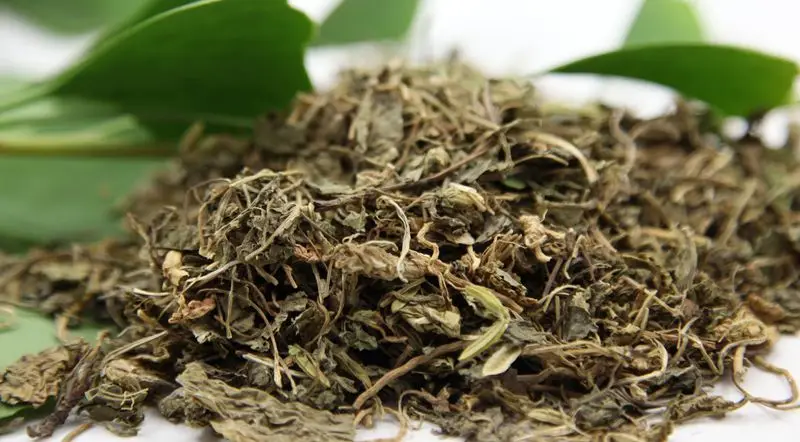
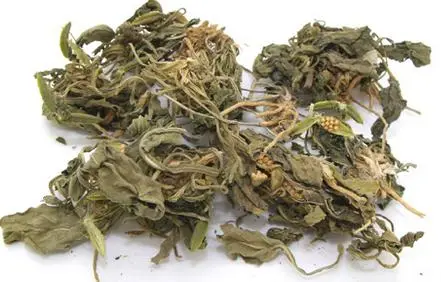
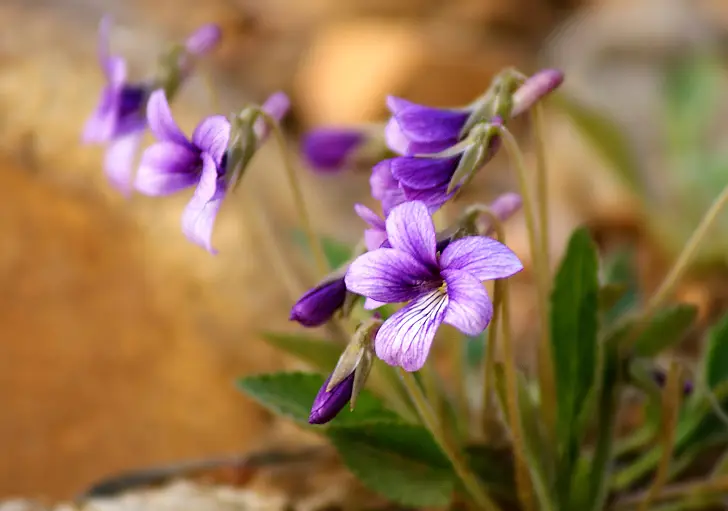
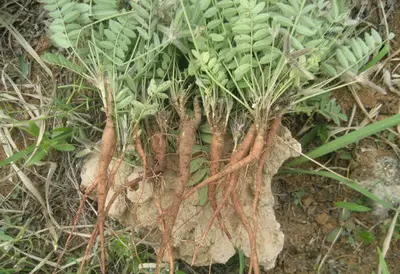
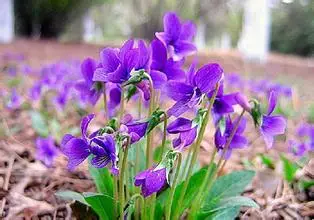
The herb is often wrinkled into a mass. The main root is long conical, 1–3 mm in diameter, pale yellowish-brown, with fine longitudinal wrinkles. Leaves basal, grayish-green; when flattened, blades lanceolate or ovate-lanceolate, 1.5–6 cm long, 1–2 cm wide; apex obtuse, base truncate or slightly cordate, margin obtusely serrate, both surfaces hairy; petioles slender, 2–6 cm long, upper part with distinct narrow wings. Flower stems slender; petals 5, violet or pale brown; spur slender tubular. Capsule ellipsoid or 3-valved, seeds numerous, pale brown. Odor slight; taste slightly bitter and somewhat viscous.
Properties and actions性味与功效
Actionsclear heat and resolve toxicity · cool the blood and reduce swelling
IndicationsUsed for carbuncles, swellings, boils and sores, deep-rooted boils, erysipelas, and snake bites.
DosageDecoct and take orally, 15–30 g.
CautionCaution is advised for patients with deficiency-cold of the spleen and stomach due to its cold nature; for external use, apply under professional guidance.
Processing炮制
Crude drugRemove impurities, wash, chop, and dry.
Modern research现代药理
Antipathogenic microorganism effectThe decoction inhibits Pseudomonas aeruginosa, Escherichia coli, Salmonella typhi, Shigella dysenteriae, etc.; alcohol and water extracts kill Leptospira; the infusion inhibits Trichophyton violaceum.
Anti-endotoxin effectViola yedoensis herb has an anti-endotoxin effect.
Heat-clearing, swelling-reducing and anti-inflammatory effectsIt has heat-clearing, swelling-reducing and anti-inflammatory effects, as well as anti-snake venom activity.
Classical records历代本草
Bencao Gangmu records it as bitter, pungent and cold, used for all types of carbuncles, boils, scrofula, and unnamed swellings and toxic sores. Bencao Beiyao notes it drains heat and resolves toxicity. Bencao Fengyuan warns that it is contraindicated for diffuse swelling without head, not red and not swollen, because its cold nature is unfavorable for yin-type abscesses.《本草纲目》:苦辛寒,一切痈疽发背,疔肿瘰疬,无名肿毒恶疮。
《本草备要》:泻热解毒。
辛苦而寒。治痈疽发背,疔肿瘰疬,无名肿毒。
《得配本草》:辛、苦,寒。治有名痈疽,无名肿毒,兼治乳疖痘疔。
《本经逢原》:治疔肿恶疮,兼疗痈疽发背,无名肿毒。其花紫者茎白,白者茎紫,故可通治疔肿。但漫肿无头,不赤不肿者禁用,以其性寒,不利阴疽也。
《本草乘雅》:丁为干火,地在气中,顺承天施而成物者,地也。故主形骸地属,失承天施,为痈,为丁,为瘰,为疬。使之仍顺乎天施,而畅于四肢,美之至者也。
Folklore本草传说
Once two flower-picking beggars, close as brothers, lived in a ruined temple. When the younger developed a painful boil on his finger, the elder sought treatment at a pharmacy but was turned away for lack of money. That evening, on a hillside, the elder chewed some violet flowers and applied the spat-out petals to the finger. The pain subsided, and after continued use the boil healed completely. Because the plant's stem is straight like a nail and bears violet flowers, they named it Zi Hua Di Ding.
Cultivation and authentication栽培与鉴别
0 cultivation notes and 4 authentication articles exist for this herb. They are long-form field material and are published in Chinese only.
Read them in Chinese →