Phellodendron Bark (Huang Bo)
Huang Bo
PHELLODENDRI CHINENSIS CORTEX
Nature and flavorBitter, cold. Enters the Kidney and Bladder meridians.
Meridians enteredKidney, Bladder
Dosage3–12 g; appropriate amount for external use.
Reference market price¥26 / kgBozhou market · spec common grade · 广西 · snapshot 2026-11-21
Phellodendron Bark is a bitter, cold herb used to clear heat and dry dampness, purge fire, and resolve toxicity.
Source药物来源
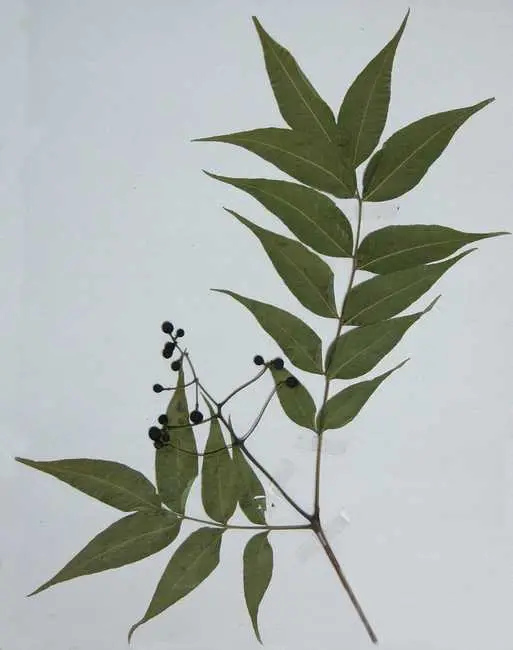
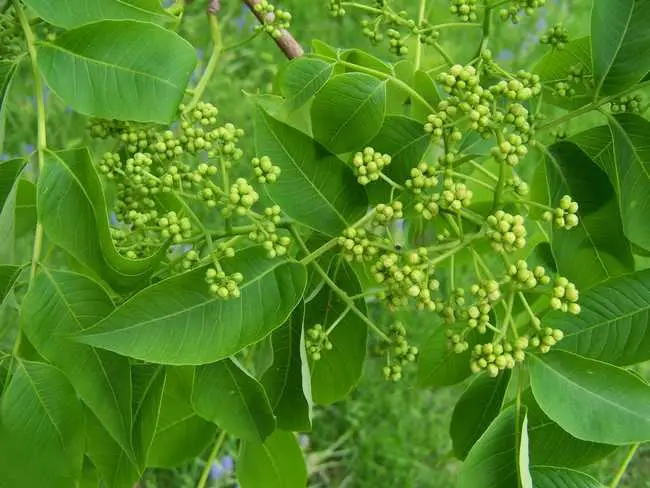
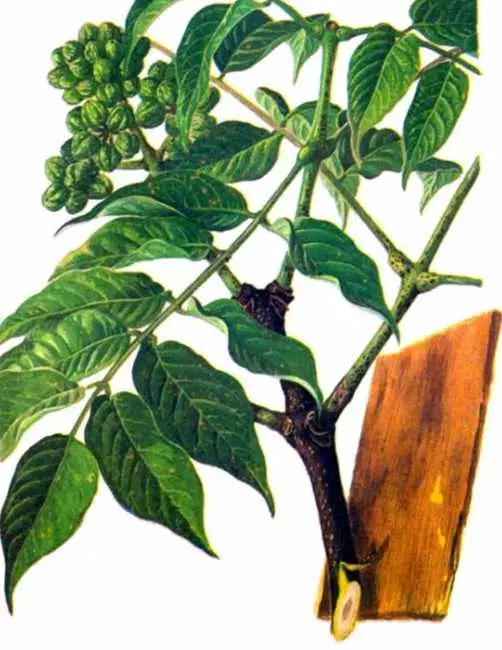
The dried bark of Phellodendron chinense Schneid. (Rutaceae), commonly known as 'Chuan Huang Bo'.
Identification性状特征
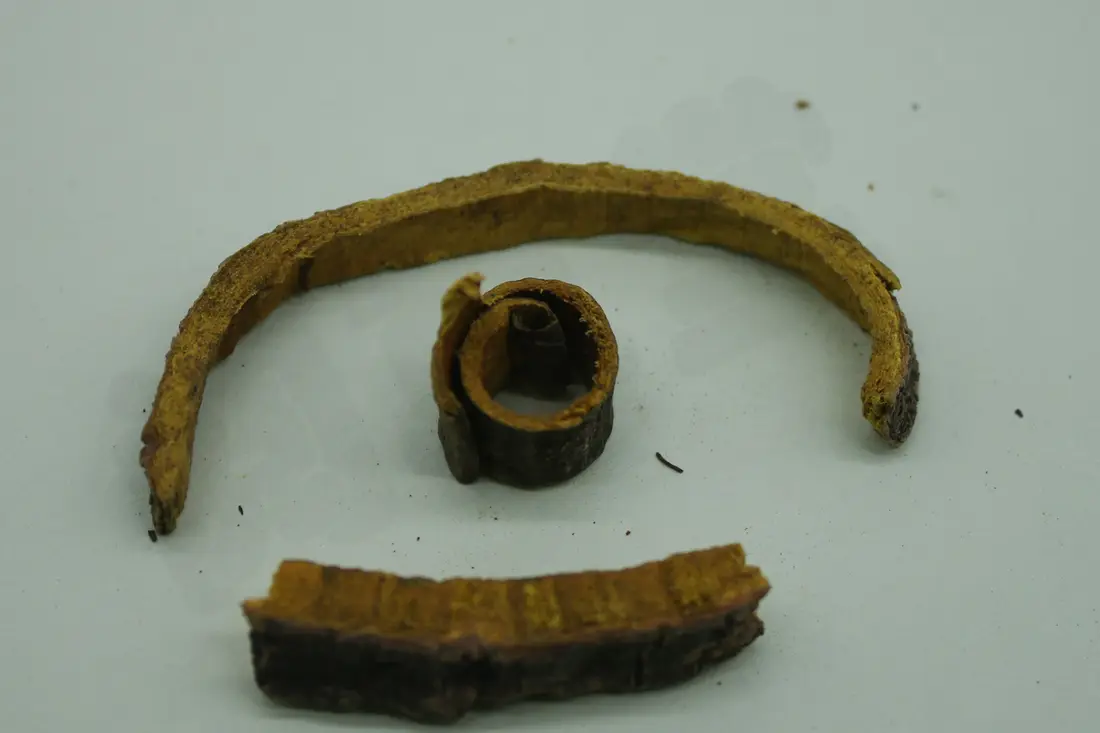
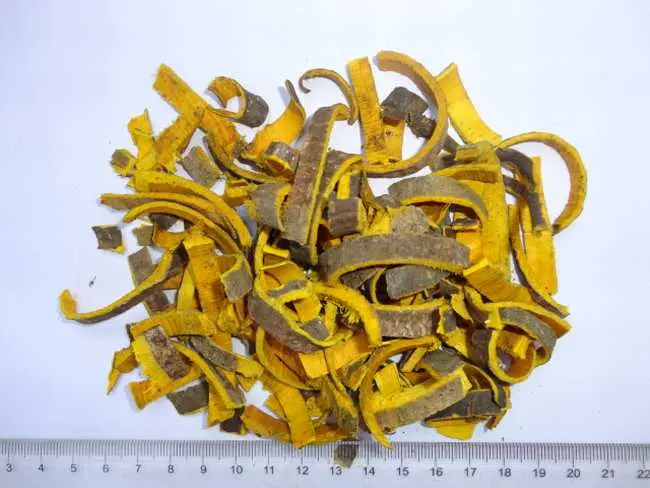
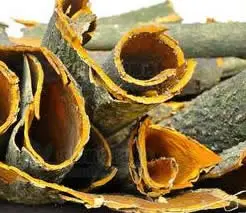
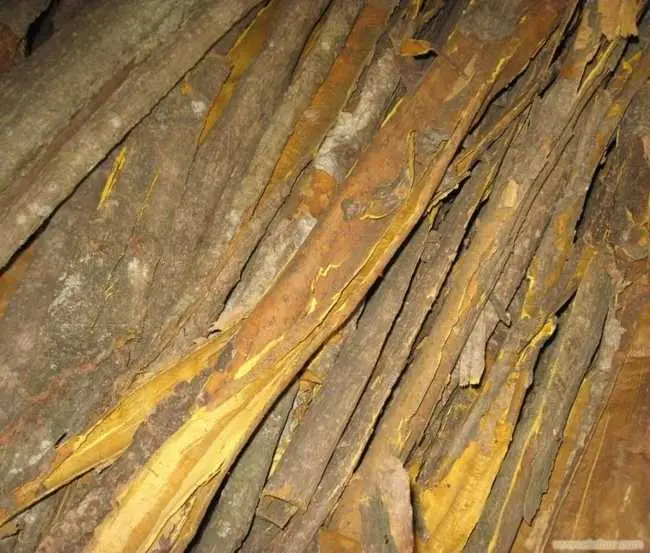
Presented as flat or shallow trough-like pieces, varying in length and width, 1–6 mm thick. Outer surface yellowish-brown or yellow-brown, smooth or with longitudinal grooves; some show lenticel scars or residual grayish-brown coarse bark. Inner surface dark yellow or pale brown, with fine longitudinal striations. Light in weight, hard, fracture fibrous and splitting into layers, deep yellow. Odor slight; taste extremely bitter, chewy and sticky.
Properties and actions性味与功效
ActionsClear heat and dry dampness · Purge fire and eliminate steaming · Resolve toxicity and treat sores
IndicationsDamp-heat diarrhea and dysentery, jaundice with dark urine, leukorrhea with genital itching, painful strangury of heat type, beriberi with atrophy and weakness, bone-steaming and consumptive heat, night sweats, spermatorrhea, sores and swellings, carbuncles, eczema and damp sores. Salt-processed Huang Bo nourishes yin and lowers fire; used for yin deficiency with hyperactive fire, night sweats and bone-steaming.
Dosage3–12 g. Appropriate amount for external use.
CautionContraindicated in deficiency-cold of the spleen and stomach; long-term use may impair spleen and stomach function. Use with caution in yin deficiency with cold manifestations.
Processing炮制
Huang Bo (raw)Remove impurities, scrape off residual coarse bark, wash, moisten thoroughly, cut into shreds, dry, and sift out debris.
Salt-processed Huang BoMix clean shreds with salt water, let stand until absorbed, stir-fry over gentle heat until dry, cool, and sift. Use 2 kg salt per 100 kg shreds.
Wine-processed Huang BoMix clean shreds with yellow wine, let stand until absorbed, stir-fry over gentle heat until dry, cool, and sift. Use 10 kg wine per 100 kg shreds.
Huang Bo charcoalStir-fry clean shreds over strong heat until surface is charred black and interior dark brown, spray with water to extinguish sparks, remove, dry, and sift.
Modern research现代药理
Anti-pathogenic microorganism effectIn vitro, decoction and alcohol extract inhibit various cocci, bacilli, Vibrio cholerae, and skin-pathogenic fungi. The decoction kills Leptospira, inhibits Candida albicans, and shows varying inhibition of Trichomonas vaginalis and HBsAg.
Blood pressure-lowering effectIntravenous or intraperitoneal injection produces significant and lasting hypotension in anesthetized animals.
Effect on acetylcholineSmall doses of berberine enhance acetylcholine action; large doses antagonize acetylcholine-induced contraction of isolated frog rectus abdominis, which can be inhibited by phellodendrine.
Cardiovascular effectsPositive inotropic and antiarrhythmic effects; delays arrhythmia during myocardial ischemia and reperfusion, reduces incidence and mortality of arrhythmia in rats.
Smooth muscle effectsPhellodendrone increases intestinal tension and contraction amplitude; powder enhances amplitude of isolated rabbit intestine; phellolactone inhibits intestinal motility.
Classical records历代本草
The Shennong Bencao Jing records Huang Bo as bitter and cold, treating heat accumulation in the five viscera and intestines, jaundice, hemorrhoids, diarrhea, and genital sores. The Bencao Gangmu notes that combining it with Anemarrhena (Zhi Mu) nourishes yin and lowers fire, but long-term use may harm the spleen and stomach.《神农本草经》:味苦,寒。主治五脏肠胃中结气热,黄疸,肠痔,止泄痢、女子漏下,赤白,阴阳蚀疮。
《本草纲目》:古书言黄柏佐知母,滋阴降火,有金水相生义。黄柏无知母,犹水母之无虾也。故洁古,东垣、丹溪皆以为滋阴降为要药,上古所未言也。盖气为阳,血为阴。邪火煎熬,则阴血渐涸,故阴虚火动之病须之。然必少壮气盛能食者,用之相宜。若中气不足而邪火炽甚者,久服则有寒中之变。近时虚损,及纵欲求嗣之人,用补阴药,往往以此二味为君,日日服饵。降令太过,脾胃受伤,真阳暗损,精气不暖,致生他病。盖不知此物,苦寒而滑渗,且苦味久服,有反从火化之害。故叶氏《医学统旨》有“四物加知柏,久服伤胃,不能生阴”之说。
傅小儿头疮。
芩、连为草,柏为木,性本不同也。
黄柏性寒而沉,生用则降实火,熟用则不伤胃。酒制则治上,盐制则治下,蜜制则治中。
《本草蒙筌》:味苦、微辛,气寒。阴中之阳,降也。无毒。恶干漆,治三焦。二制则治上焦,单制则治中焦,不制则治下焦也。乃足少阴本药,又足太阳引经。加黄芪汤中,使足膝气力涌出,痿蹶即瘥;和苍术散内,即二妙散。俾下焦湿热散行,肿胀易退。佐泽泻利小便赤涩,配细辛擦舌颊红疮。一方同青黛研细,入冰片少许,擦之亦效。安虚哕蛔虫,泻隐伏龙火。解消渴,除骨蒸。补肾强阴,洗肝明目。肠风连下血者立效,热痢先见血者殊功。去脐腹内虚疼,逐膀胱中结热。女人带漏,亦可治之。
谟按:《内经》云:肾苦燥,故肾停湿也。活人解毒汤,用黄柏、黄连、黄芩、栀子。盖栀子、黄芩入肺,黄连入心,黄柏入肾,燥湿所归,各随其类而然也。上下内外,并可治之。积热门中,诚为要药。至今医家,气虚用四君子,血虚用四物,有痰用二陈,有热用解毒,故常宗述而不易焉。
《名医别录》:无毒,主治惊气在皮间,肌肤热赤起,目热赤痛,口疮。久服通神。
《本草经疏》:黄柏禀至阴之气而得清寒之性者也,其味苦,其气寒,其性无毒,故应主五脏肠胃中结热。盖阴不足则热始结于肠胃。黄疸虽由湿热,然必发于真阴不足之人,肠澼痔漏,亦皆湿热伤血所致。泄痢者,滞下也,亦湿热干犯肠胃之病。女子漏下赤白,阴伤蚀疮,皆湿热乘阴虚流客下部而成。肤热赤起,目热赤痛,口疮,皆阴虚血热所生病也。以至阴之气,补至阴之不足,虚则补之,以类相从,故阴回热解湿燥而诸证自除矣。乃足少阴肾经之要药,专治阴虚生内热诸证,功烈甚伟,非常工药可比也。洁古用以泻膀胱相火,补肾水不足,坚肾壮骨髓,疗下焦虚,诸痿瘫痪,利下窍除热。东垣用以泻伏火,救肾水,治冲脉气逆,不渴而小便不通,诸疮痛不可忍。丹溪谓:得知母滋阴降火,得苍术除湿清热,为治痿要药。得细辛泻膀胱火,治口舌生疮。
简误:黄柏固能除热益阴,然阴阳两虚之人,病兼脾胃薄弱,饮食少进,及食不消,或兼泄泻,或恶冷物,及好热食,肾虚天明作泄,上热下寒,小便不禁,少腹冷痛,子宫寒,血虚不孕,阳虚发热,瘀血停滞,产后血虚发热,金疮发热,痈疽溃后
Cultivation and authentication栽培与鉴别
4 cultivation notes and 7 authentication articles exist for this herb. They are long-form field material and are published in Chinese only.
Read them in Chinese →