Musk (She Xiang)Materia Medica

Musk (She Xiang)

She Xiang
MOSCHUS

Musk is a precious aromatic opening-agent used in traditional Chinese medicine to open the orifices and awaken the spirit.

Source药物来源

The dried secretion from the mature male musk deer: Moschus berezovskii Flerov, Moschus sifanicus Przewalski, or Moschus moschiferus Linnaeus (family Cervidae), obtained from the musk pod.

Identification性状特征

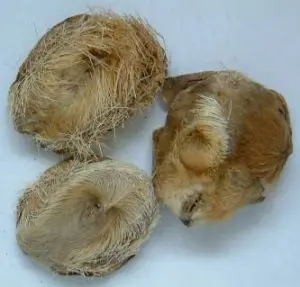
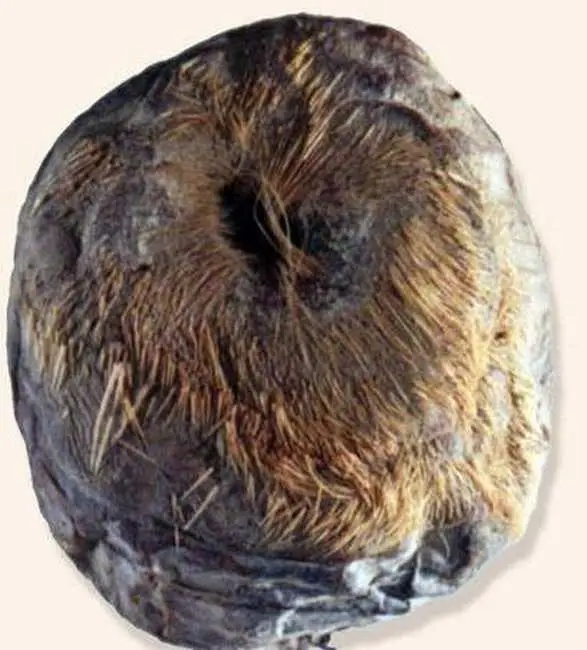
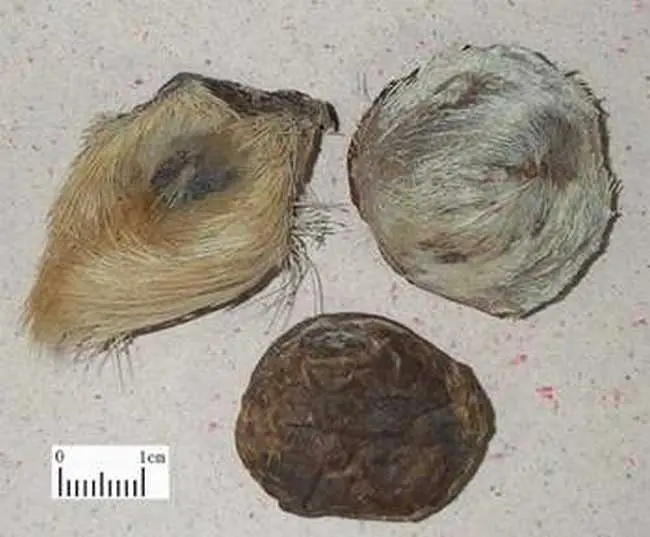
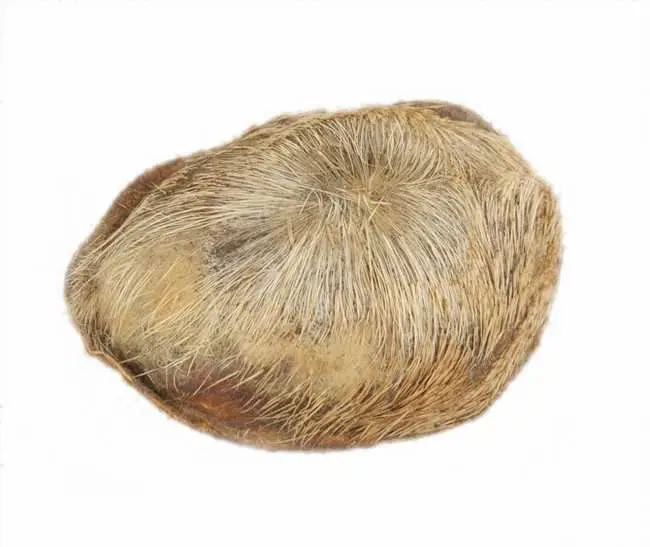
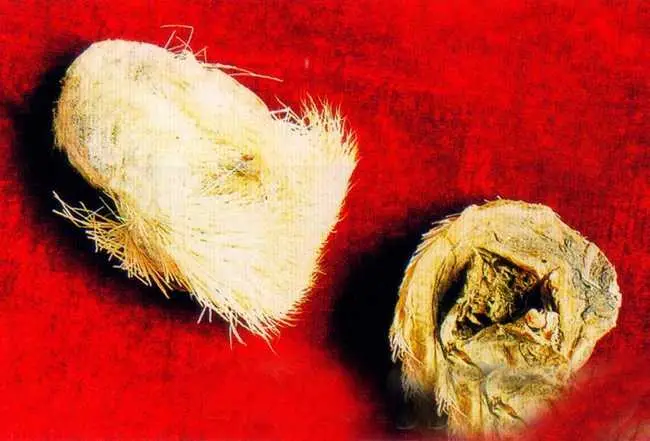
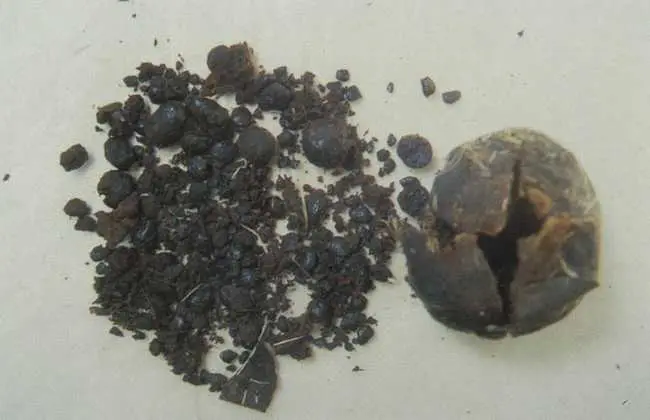
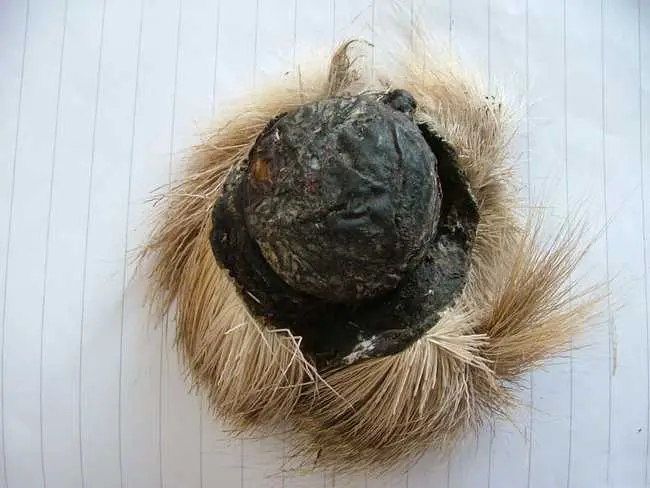
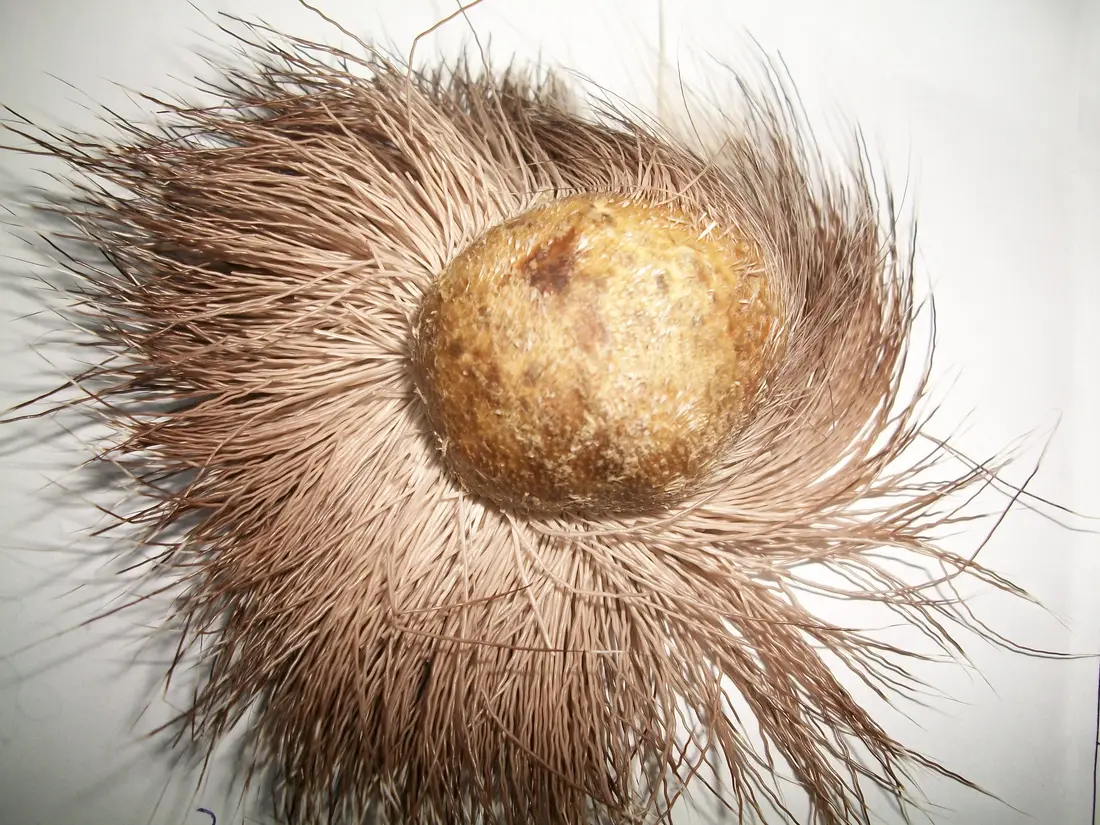
Pod musk (Mao Ke She Xiang): a扁 round or subelliptical sac-like body, 3–7 cm in diameter, 2–4 cm thick. The opening surface is leathery, brown, slightly flat, densely covered with short white or grayish-brown hairs arranged around the center, with a small sac opening in the middle. The other surface is a brownish, slightly purplish membrane, slightly wrinkled, occasionally showing muscle fibers, slightly elastic. When cut open, the middle layer is brown or grayish-brown, semi-transparent; the inner layer is brown, containing granular and powdery musk and a small amount of fine hairs and shed inner membrane (known as "silver skin"). Musk grains (She Xiang Ren): wild musk is soft, oily, loose; irregularly round or granular pieces are called "Dang Men Zi", surface mostly purple-black, oily and shiny, slightly numbed, fracture dark brown or yellow-brown; powdery form mostly brown or yellow-brown, with a little shed inner membrane and fine hairs. Cultured musk appears granular, short-strip or irregular masses; surface uneven, purple-black or dark brown, oily, slightly shiny, with a little hair and shed inner membrane. Odor strongly aromatic and characteristic; taste slightly pungent, slightly bitter and salty.

Properties and actions性味与功效
Actions
Open the orifices and awaken the spirit · Resolve toxicity and relieve pain · Invigorate blood and resolve blood stasis
Caution
Musk is strongly aromatic and penetrating; use with caution in pregnancy and in cases of qi deficiency or yin deficiency with heat. General reminder: use only under professional guidance.
Processing炮制
Raw musk
Remove the pod shell, take the musk grains, remove impurities, and grind into powder before use.
Modern research现代药理
Central nervous system
Musk has a bidirectional effect on the central nervous system: low doses excite, high doses inhibit. It acts directly on the cerebral cortex, significantly enhancing cortical electrical activity and producing an awakening effect. Musk enhances the central nervous system's tolerance to hypoxia and has a clear protective effect against hypoxic brain injury.
Peripheral vascular adrenergic β-receptors
Musk has an excitatory effect on adrenaline β-receptors in peripheral blood vessels.
Anti-early pregnancy
Musk has an anti-early pregnancy effect.
Androgen-like activity
Muscone and various androstane derivatives contained in musk can increase the weight of the prostate and seminal vesicles in castrated rats, suggesting androgen-like activity.
Immune enhancement
Water-soluble substances of musk enhance humoral and cellular immunity.
Anti-ulcer and antipyretic
Musk suspension can prevent and treat gastric ulcers. It has an antipyretic effect on normal animals and on peptone-induced fever.
Classical records历代本草
The Shen Nong Ben Cao Jing records musk as pungent and warm, used to dispel evil qi, treat malaria, abdominal masses, and expel parasites. Later works such as Ben Cao Meng Quan and Kai Bao Ben Cao further describe its use for opening the orifices, calming the spirit, and treating swellings and sores.
《神农本草经》:味辛,温。主辟恶气,杀鬼精物,温疟,蛊毒,痫至,去三虫。久服除邪,不梦寤厌寐。 《本草蒙筌》:味辛,气温。无毒。辟蛇虺,诛蛔虫,蛊疰痫至总却;杀鬼精,驱疫瘴,胀急痞满咸消。催生堕胎,通关利窍。除恍惚惊悸,镇心安神;疗痈肿疮疽,蚀脓逐血。吐风痰不梦寤魇寐,点目疾去翳膜泪眵。 《开宝本草》:味辛,温,无毒。疗诸凶邪鬼气,中恶,心腹暴痛胀急,痞满,风毒,妇人产难,堕胎,去面癍,目中肤翳。 《名医别录》:无毒。主治诸凶邪鬼气,中恶,心腹暴痛胀急,痞满,风毒,妇人产难,堕胎,去面晕,目中肤翳。 《药性论》:臣,禁食大蒜,味苦,辛。除百邪魅鬼疰,心痛,小儿惊痫客怀,镇心安神。以当门子一粒,丹砂相似,细研,熟水灌下,止小便利。能蚀一切痈疮脓。入十香丸,令人百毛九窍皆香,疗鬼疰腹痛。 《药性解》:味辛,性温,无毒,入十二经。主恶气,鬼邪、蛇虺蛊毒、惊悸痈疽、中恶心腹暴痛胀满、目中翳膜泪眵、风毒温疟痫痉,通关窍,杀虫虱,催生堕抬。忌大蒜。 按:麝香为诸香之最,其气透人骨髓,故于经络不所不入。然辛香之剂,必须耗损真元,用之不当,反引邪入髓,莫可救药,诚宜谨之。
Folklore本草传说

In Tang dynasty poetry, Wen Tingyun wrote: "Pound musk into dust, its fragrance does not fade; break a lotus inch by inch, its fibers are hard to sever." In the Tang dynasty, high-quality ink made with musk was called "musk ink" (She Mei). The Song dynasty Xiang Pu records musk blended with other aromatics for perfuming clothes, painting walls, and flavoring famous wines and foods for health. Among animal aromatics—civet, castoreum, ambergris, and musk—musk is considered the finest, known as the crown of the four fragrances. In Marrakech, Morocco, a 67-meter mosque minaret built in 1195 used mortar mixed with over 960 sacks of precious spices including musk; over 800 years later, the tower still exudes a tempting fragrance.
Audio and video语音与视频
Narration · Chinese · 7:34
Latin name · pronunciation
Narration and video are shared by all language versions and are in Chinese; the images and footage themselves are language-independent.
Photographs药材图片
Musk (She Xiang)
Musk (She Xiang)
Musk (She Xiang)
Musk (She Xiang)
Musk (She Xiang)
Musk (She Xiang)
Musk (She Xiang)
Musk (She Xiang)
Cultivation and authentication栽培与鉴别

3 cultivation notes and 14 authentication articles exist for this herb. They are long-form field material and are published in Chinese only.

Read them in Chinese →

Compiled from public Chinese materia medica sources for study and reference. Not medical advice.
Chinese version · All herbs