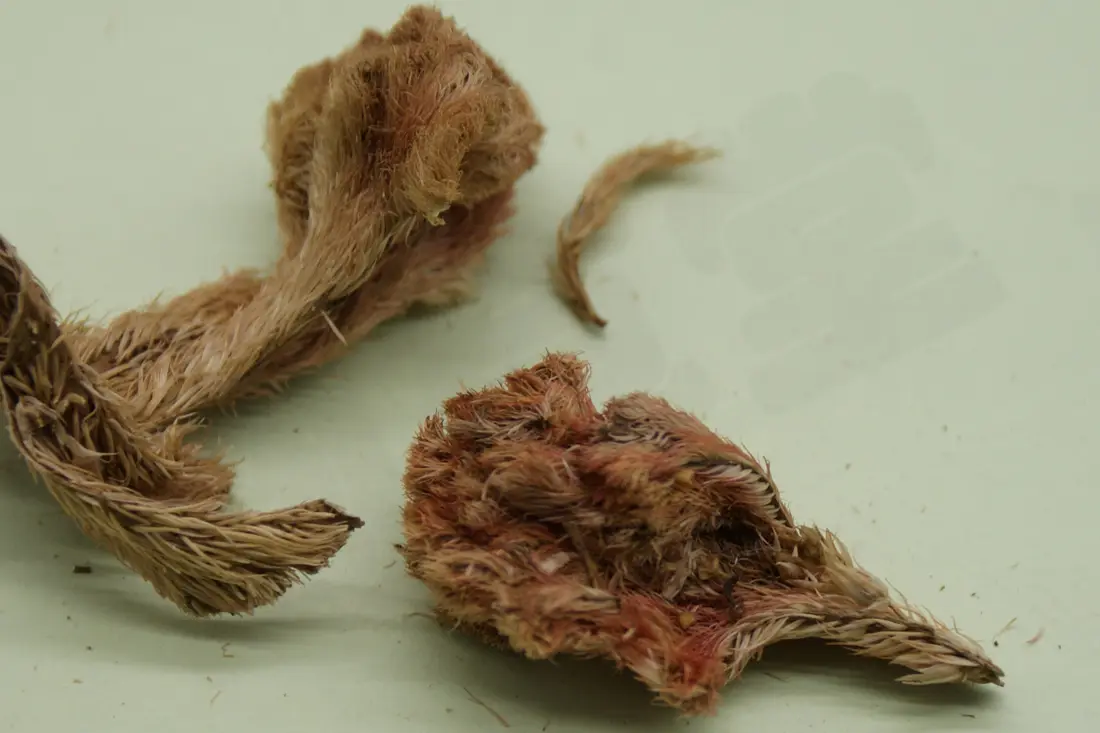
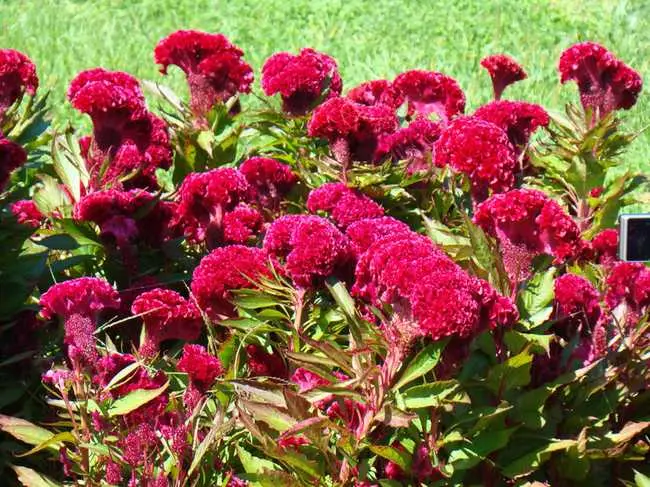
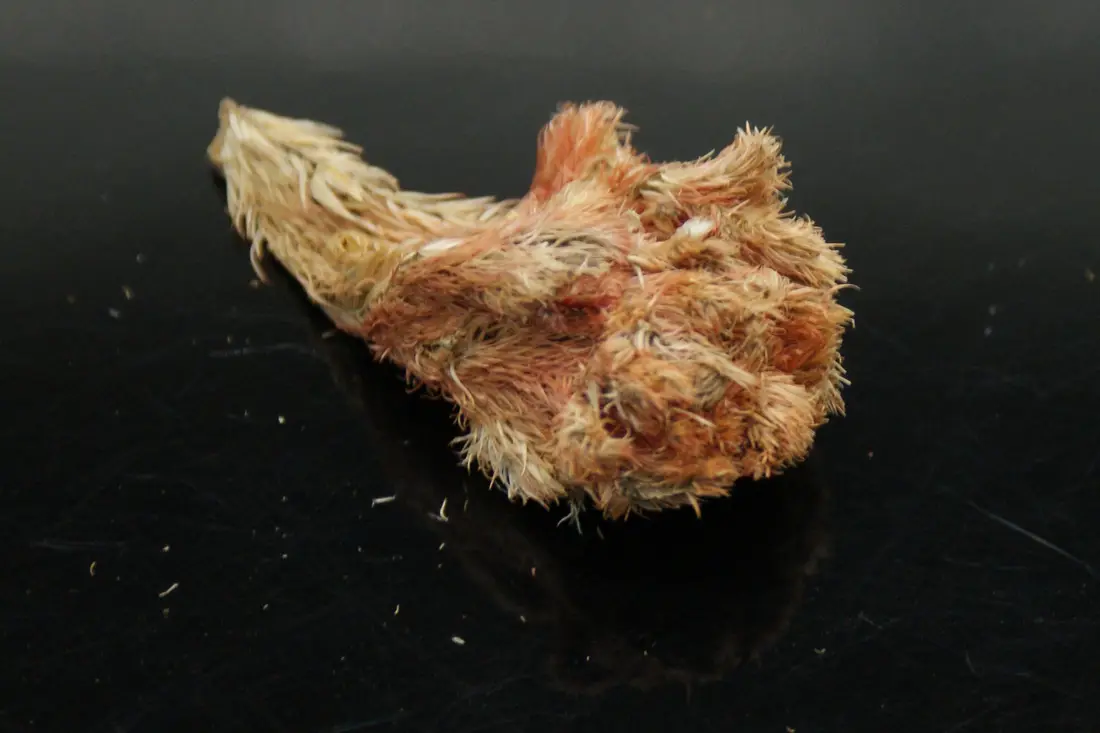
Steamed HashimaDried rose 25 g, safflower, cockscomb flower, Lingxiao flower, wild chrysanthemum each 15 g, rice flour and glutinous rice flour each 250 g, white sugar 100 g.
Soak hashima oil in warm water for 3 hours until swollen, remove black tendons, and wash. Steam ham until cooked and cut into 1–2 cm thin slices. Put the soaked hashima oil into a bowl, add chicken soup to cover, add cooking wine and salt, and steam for 1.5 hours. Finally add MSG and white sugar, sprinkle ham slices on top, and serve. Eat alone or with meals.
Nourishes yin and moistens the lung, tonifies the kidney and strengthens tendons, and beautifies. Suitable for aging and haggard appearance, withered complexion, weakness of limbs, and emaciation with fatigue due to liver-kidney insufficiency and depletion of original qi; also used as a tonic health-care product for postpartum weakness and the elderly and infirm.
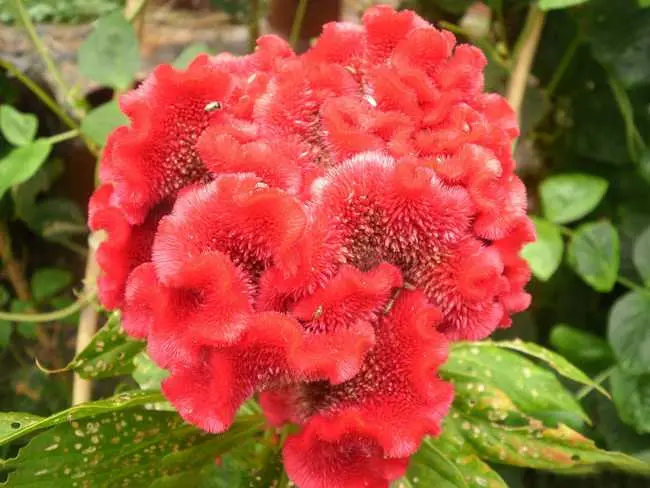
Rose Five-Flower PasteDried rose 25 g, safflower, cockscomb flower, Lingxiao flower, wild chrysanthemum each 15 g, rice flour and glutinous rice flour each 250 g, white sugar 100 g.
Crush the dried roses, safflower, cockscomb, Lingxiao, and wild chrysanthemum and set aside. Mix rice flour and glutinous rice flour; dissolve sugar in water. Add the flowers and stir quickly, gradually adding sugar water to evenly moisten the flour until it turns semi-transparent and forms cake powder. The cake powder should hold together when squeezed and crumble when rubbed. Sift the cake powder into a cake mold and steam over high heat for 12–15 minutes. Eat as a snack, 30–50 g each time, once daily.
Promotes qi movement and relieves depression, cools the blood and invigorates blood, disperses wind and resolves toxicity. Suitable for chest oppression, facial freckles, and chloasma due to liver qi stagnation and emotional distress.
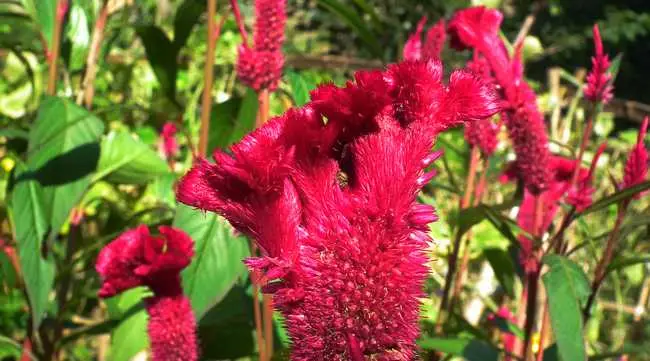
Lotus Root Juice and Cockscomb Flower Sugar DrinkFresh cockscomb flower 500 g, fresh lotus root juice 500 ml, white sugar 500 g.
Remove impurities from cockscomb flower, wash, and decoct twice in water. Filter out the residue, take the juice, and simmer over low heat to concentrate. When it is about to become a paste, add fresh lotus root juice and continue simmering over low heat until paste-like. Remove from heat, mix in white sugar to absorb the water in the decoction and mix evenly. Dry in a cool, dry, ventilated place, then crush the medicinal sugar into granules and store in a bottle. Take 10 g each time, melt in warm water, and drink frequently, or take 3 times daily in one dose.
Clears heat and cools the blood, stops bleeding and invigorates blood. Suitable for various bleedings due to blood heat running wild; or reddish-white leukorrhea, vulvar itching, etc., due to damp-heat pouring downward and dysfunction of the Chong and Ren meridians.
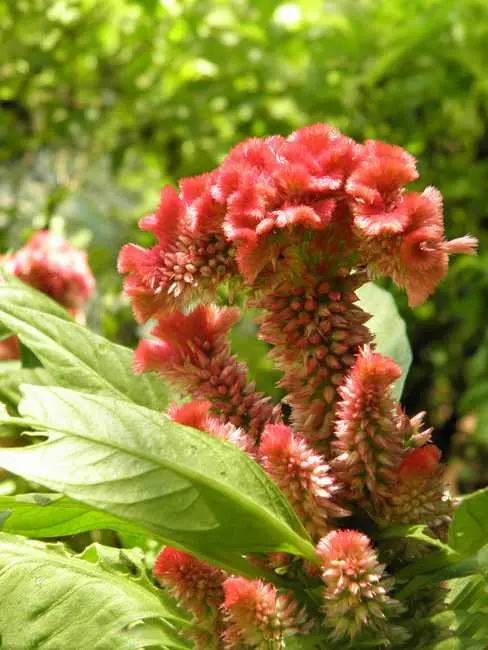
Lotus Root Juice and Cockscomb Flower SoupFresh cockscomb flower, fresh lotus root juice, white sugar.
Wash cockscomb flower, add appropriate amount of water and decoct, collecting the juice every 20 minutes, for a total of 3 times. Combine the decoctions and concentrate over low heat. Add fresh lotus root juice to the concentrated cockscomb flower juice, stir well, and continue decocting until thick and sticky. When warm, mix in white sugar, absorb all the decoction, stir evenly, dry, crush, and store in a bottle. Take 20 g each time, dissolve in boiling water, 3 times daily; suitable for long-term use.
Clears heat and cools the blood, disperses stasis and stops leukorrhea. Used for trichomoniasis, vaginitis, leukorrhea, and vulvar itching in women due to damp-toxin.