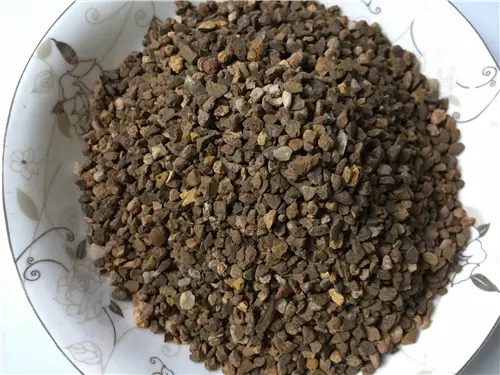
Limonite (Yu Yu Liang)Materia Medica

Limonite (Yu Yu Liang)

Yu Yu Liang
LIMONITUM
Nature and flavorSweet, astringent, slightly cold; enters the Stomach and Large Intestine meridians.
Meridians enteredStomach, Large Intestine
Dosage9–15 g, decocted first; or in pills and powders.

Limonite (Yu Yu Liang) is an astringent mineral that stops diarrhea and bleeding, used for chronic diarrhea, dysentery, and uterine bleeding.

Source药物来源

This product is the hydroxide mineral limonite.

Identification性状特征

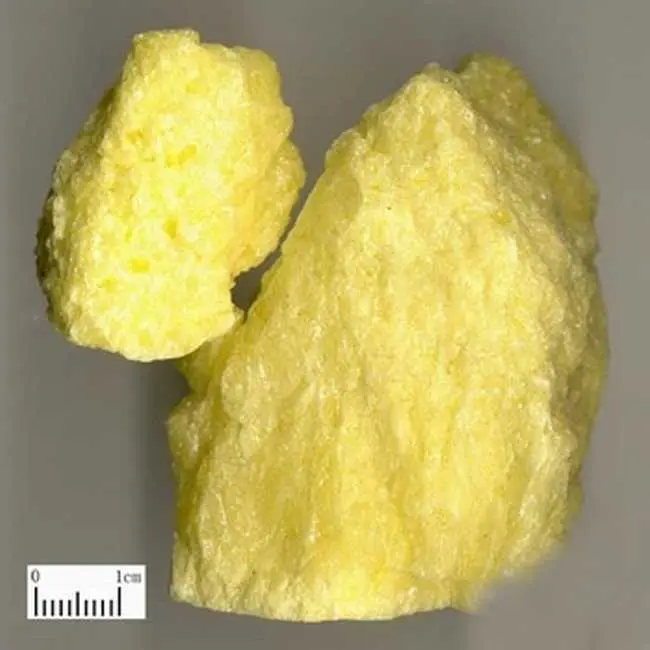
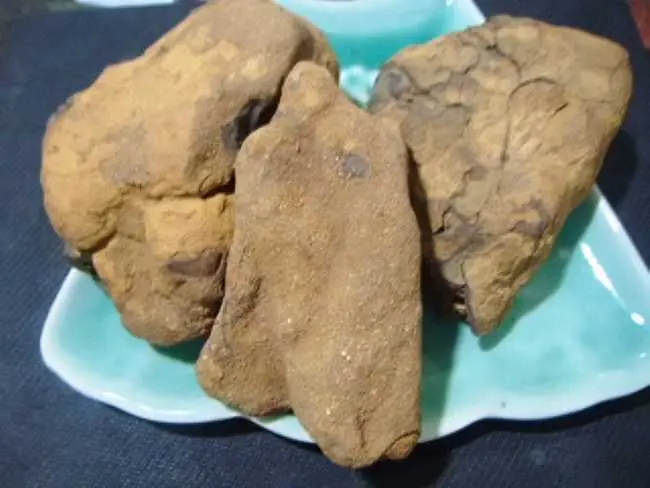
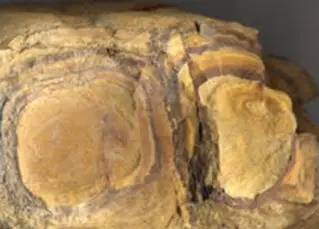
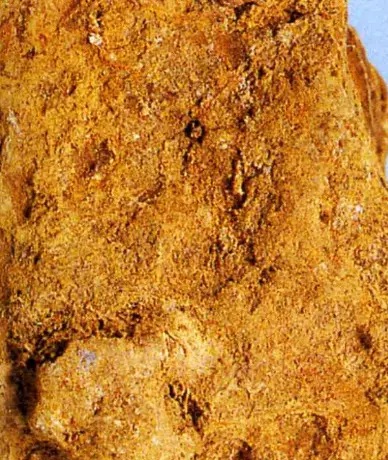
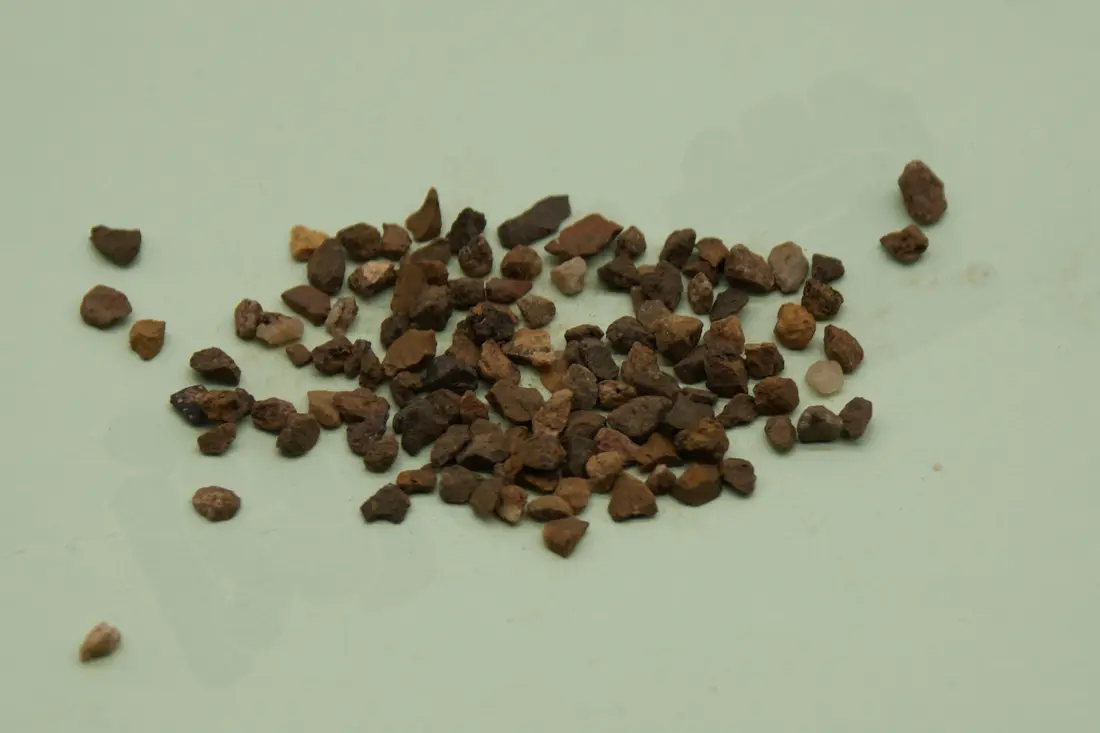
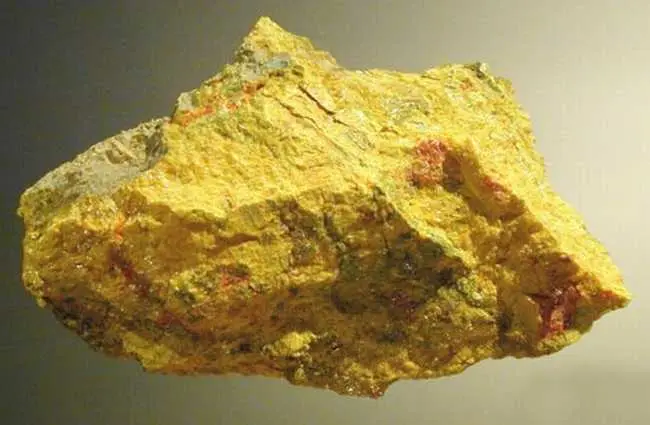
The product is a massive aggregate, occurring in irregular oblique block shapes, 5–10 cm long and 1–3 cm thick. The surface is reddish-brown, grayish-brown, or light brown, mostly uneven or covered with yellow powder. The fracture often shows alternating layers of dark brown and light brown or pale yellow, with varying hardness; the soft parts can be scratched with a fingernail. It is heavy and hard. It has a faint odor and a bland taste, with no gritty sensation when chewed.

Properties and actions性味与功效
Actions
Astringe the intestines and stop diarrhea · Astringe and stop bleeding
Indications
Used for chronic diarrhea and dysentery, bloody stool, and metrorrhagia and leukorrhea.
Dosage
9–15 g, decocted first; or made into pills and powders.
Caution
Use with caution in cases of damp-heat or qi stagnation; not suitable for prolonged use in patients with deficiency-cold of the spleen and stomach.
Processing炮制
Limonite
Remove impurities, wash with water, and dry.
Calcined Limonite
Take clean limonite, crush, and calcine until red-hot according to the calcination and quenching method.
Modern research现代药理
Chemical composition
Basic iron oxide [FeO(OH)]
Classical records历代本草
The classical formula 'Chishizhi Yuyuliang Tang' from Shanghan Lun uses limonite with halloysite for persistent diarrhea. The Sheng Hui Fang also records a formula for chronic diarrhea.
1、治伤寒服汤药,下利不止,心下痞硬。服泻心汤已,复以他药下之,利不止。医以理中与之,利益甚。 理中者,理中焦,此利在下焦:赤石脂一斤(碎),太一禹余粮一斤(碎)。上二味,以水六升,煮取二升,去滓,分温三服。(《伤寒论》赤石脂禹余粮汤) 2、治冷劳,大肠转泄不止:禹余粮四两(火烧令赤,于米醋内淬,如此七遍后,捣研如面),乌头一两(冷水浸一宿,去皮、脐,焙干,捣罗为末)。 上药相和,用醋煮面和为丸如绿豆大。每服食前,以温水下五丸。(《圣惠方》神效太乙丹) 3、灭瘢痕:禹余粮、半夏等分。末之,以鸡子黄和。先以新布拭瘢令赤,以涂之勿见风,日二。(《千金方》)
Folklore本草传说

Legend has it that during his efforts to control the floods, Yu the Great passed his home three times without entering. Once, his wife brought him a basket of steamed buns made with herbs to strengthen the body. When she saw a giant beast, she was so frightened that she fell; the beast was Yu in disguise. He picked up the buns and ate them, scattering the rest over the marshes and valleys, saying, 'Let it be the remaining grain.' The buns grew upon landing, and when broken, contained fine red powder. People called it Yu Yu Liang; in Japan it is called 'stone bun' or 'ming shi'.
Audio and video语音与视频
Narration · Chinese · 7:34
Latin name · pronunciation
Narration and video are shared by all language versions and are in Chinese; the images and footage themselves are language-independent.
Photographs药材图片
Limonite (Yu Yu Liang)
Cultivation and authentication栽培与鉴别

0 cultivation notes and 2 authentication articles exist for this herb. They are long-form field material and are published in Chinese only.

Read them in Chinese →

Compiled from public Chinese materia medica sources for study and reference. Not medical advice.
Chinese version · All herbs