Schisandra fruit (Wu Wei Zi)Materia Medica

Schisandra fruit (Wu Wei Zi)

Wu Wei Zi
SCHISANDRAE CHINENSIS FRUCTUS
Nature and flavorSour, sweet, warm; enters the Lung, Heart, and Kidney meridians.
Meridians enteredLung, Heart, Kidney
Dosage2–6 g
Reference market price¥31 / kgBozhou market · spec common grade · 辽宁 · snapshot 2026-11-21

Schisandra fruit is a traditional astringent herb used to stabilize the lungs, tonify the kidneys, and calm the spirit.

Source药物来源

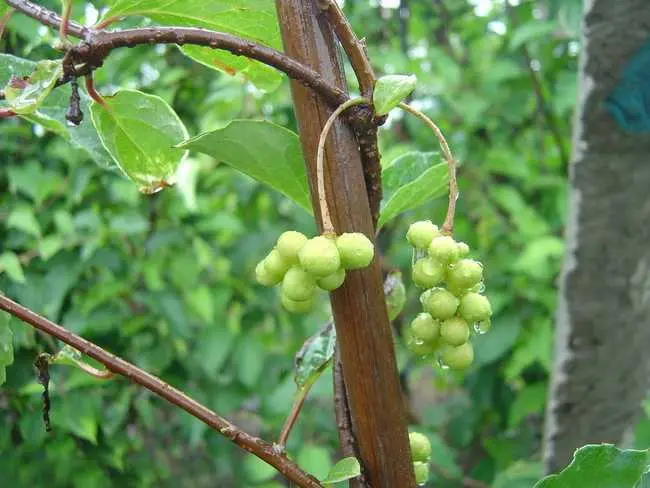
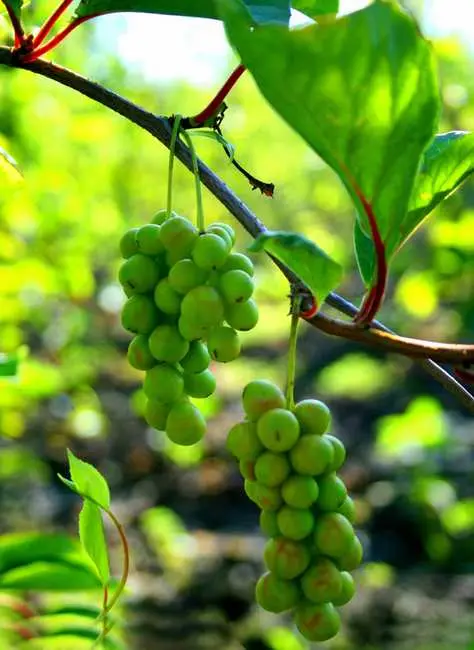
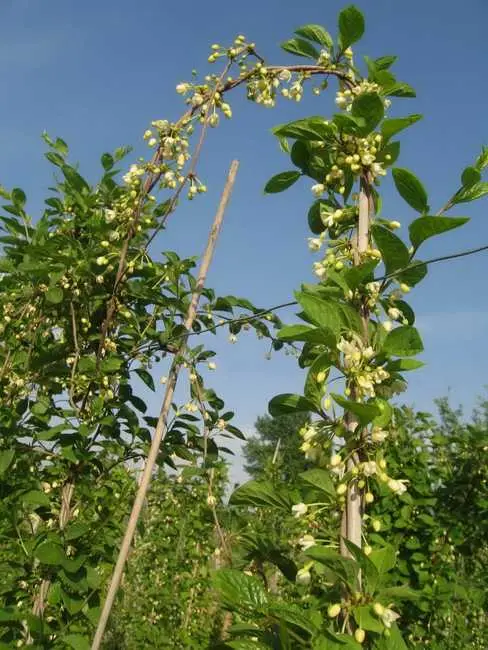
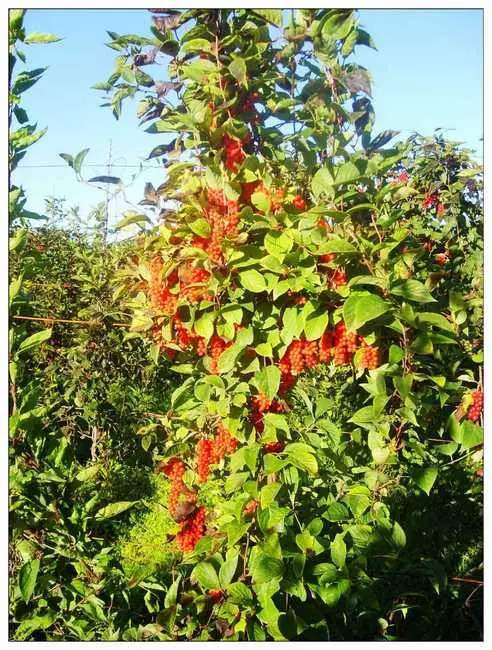
The dried ripe fruit of Schisandra chinensis (Turcz.) Baill. (family Magnoliaceae).

Identification性状特征

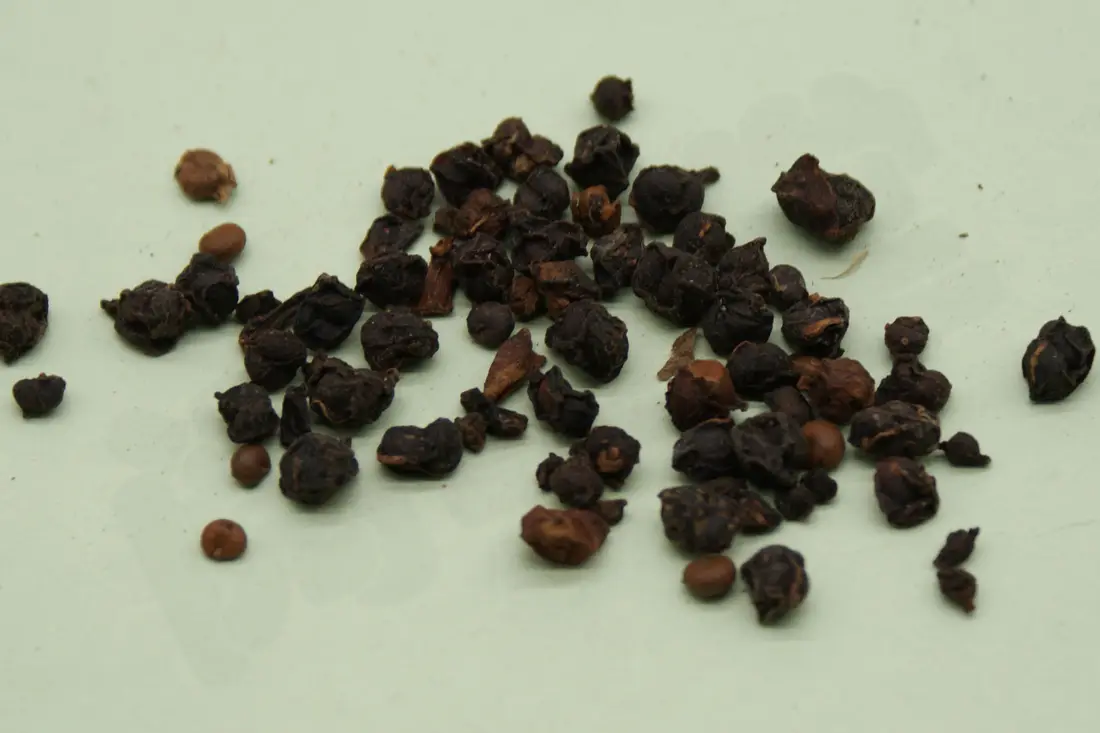
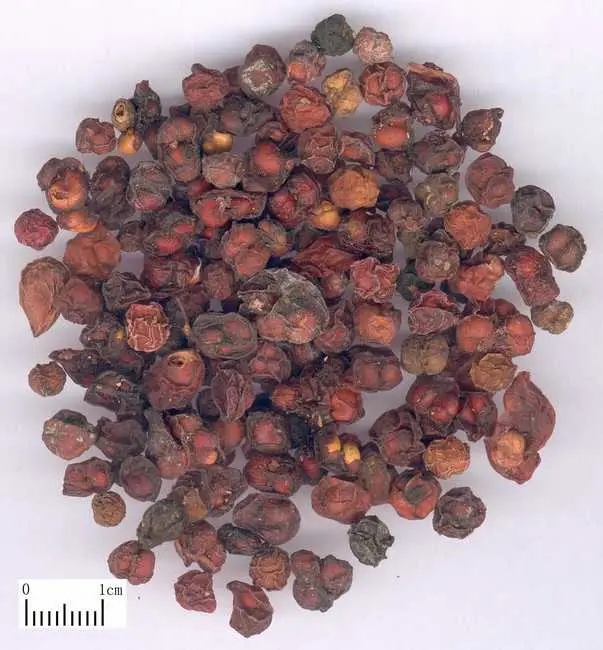
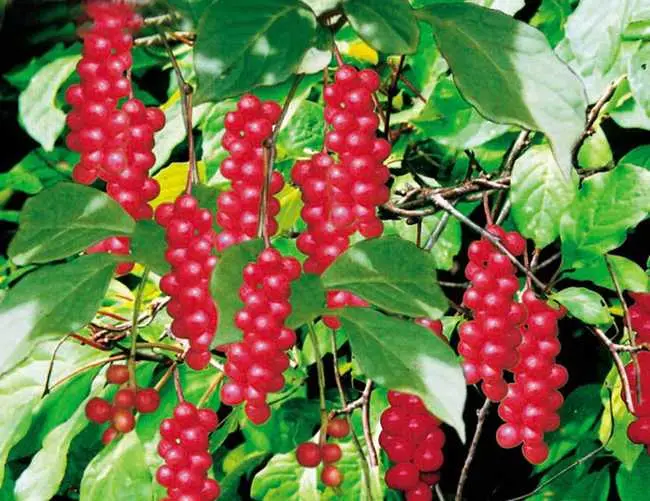
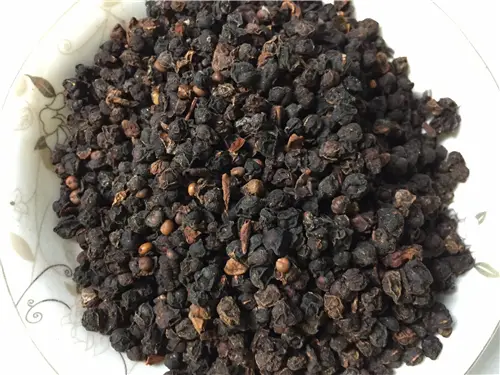
Irregularly spherical or flattened-spherical, 5–8 mm in diameter. Surface red, purplish-red, or dark red, wrinkled, oily; some blackish-red or with a "white frost." Flesh soft; seeds 1–2, kidney-shaped, brownish-yellow, lustrous, seed coat thin and brittle. Flesh has a faint odor and sour taste; crushed seeds are aromatic, pungent, and slightly bitter.

Properties and actions性味与功效
Actions
Astringe and stabilize · Tonify qi and generate fluid · Tonify the kidney and calm the heart
Indications
Used for chronic cough with deficiency panting, seminal emission and spermatorrhea, frequent urination and enuresis, chronic diarrhea, spontaneous and night sweating, thirst due to fluid depletion, wasting-thirst with internal heat, and palpitations with insomnia.
Dosage
2–6 g.
Caution
Contraindicated in excess-heat patterns or when there is external pathogen without deficiency; use with caution in cases of spleen-stomach deficiency-cold.
Processing炮制
Schisandra fruit (raw)
Remove impurities from the crude drug; crush before use.
Vinegar-processed Schisandra
Mix clean fruits with vinegar (15 kg per 100 kg), moisten, steam until vinegar is absorbed and surface turns purplish-black, then dry.
Wine-processed Schisandra
Mix clean fruits with yellow wine (20 kg per 100 kg), seal, moisten, steam until wine is absorbed and surface turns blackish, then sun-dry.
Honey-fried Schisandra
Dilute refined honey (10 kg per 100 kg) with boiling water, mix with clean fruits, moisten thoroughly, stir-fry over gentle heat until no longer sticky, then cool.
Modern research现代药理
Hepatoprotective and metabolic effects
Improves glucose utilization, promotes protein synthesis, protects against liver damage, induces drug-metabolizing enzymes, and shows therapeutic effects on viral hepatitis and fibrosis.
Gastrointestinal effects
Inhibits gastric acid secretion, promotes bile secretion, and suppresses gastric ulcers.
Cardiovascular effects
Strengthens heart function, lowers blood pressure, and improves myocardial metabolism and nutrition.
Respiratory effects
Stimulates the respiratory center, relaxes the trachea, and relieves cough and phlegm.
Immune modulation
Enhances cellular and humoral immunity, modulates macrophage phagocytosis, and protects against immune injury.
Reproductive and antimicrobial effects
Promotes reproductive function, has antimicrobial and anthelmintic actions, and affects the urinary system.
Classical records历代本草
The Shennong Bencao Jing records it as sour and warm, used to boost qi, treat cough and dyspnea, and strengthen yin. The Bencao Gangmu notes it enters the liver and kidney to tonify, and is used differently in tonifying versus cough formulas.
《神农本草经》:味酸,温。主益气,咳逆上气,劳伤羸瘦,补不足,强阴,益男子精。 《本草纲目》:酸咸入肝而补肾,辛苦入心而补肺,甘入中宫益脾胃。 入补药熟用,入嗽药生用。 《开宝本草》:味酸,温,无毒。养五脏,除热,生阴中肌。 《名医别录》:无毒。主养五藏,除热,生阴中肌。 《药性论》:君。能治中下气,止呕逆,补诸虚劳,令人体悦泽,除热气。病人虚而有气兼嗽加用之。 《药性赋》:味酸,性温,无毒。降也,阴也。其用有四:滋肾经不足之水,收肺气耗散之金,除烦热生津止渴,补虚劳益气强阴。
Folklore本草传说

Long ago, a poor orphan named Kuwa lived at the foot of Changbai Mountain. He was mistreated by a cruel landlord and fell gravely ill. One day, while left to die in the woods, a magpie dropped several seeds beside him. Overnight, vines grew bearing clusters of red-black fragrant fruit. Kuwa ate them and found they had all five flavors—sweet, sour, pungent, bitter, and salty. His health was restored, and he named the fruit "Wu Wei Zi" (five-flavor seed).

Culinary use民间药膳
Longevity Wine
Goji berry, asparagus root, schisandra, ophiopogon, Chinese yam, ginseng, raw rehmannia, prepared rehmannia each 60 g; white rice wine 3000 ml.
Slice ginseng, yam, and rehmannia; clean goji and schisandra; cut asparagus and ophiopogon in half. Place all herbs in a silk bag, tie tightly, and put into a clean jar. Pour in wine, seal with moistened cotton paper and lid. Heat the jar in a water bath for about 1 hour, remove, cool, and bury in the ground for 3–5 days to remove fire-toxicity. Unearth, open, remove the herb bag, filter through fine gauze, store in a clean bottle, and let stand for 7 days. Take 50–100 ml each morning and evening.
Darkens hair, nourishes the heart and spirit, and promotes longevity.
Polygonatum and Asparagus Turtle Soup
One turtle (about 240 g), Solomon's seal rhizome 30 g, asparagus root 24 g, schisandra 9 g, a few red dates.
Place the turtle in a basin, pour hot water over it to induce urination and kill it, then wash and remove intestines, head, and claws. Clean the herbs and remove pits from dates. Put all ingredients in a pot, add water, bring to a boil, then simmer for 2 hours. Season and consume.
Nourishes the kidney and essence, benefits intelligence, and calms the spirit.
Sheng Mai Yin
Ginseng 10 g, ophiopogon 15 g, schisandra 10 g.
Wash the herbs, cut ginseng into small pieces, place in a clay pot, add water, and simmer for about 1 hour. Take the decoction warm at any time.
Greatly tonifies original qi, generates fluid, and astringes yin to stop sweating.
Schisandra Wine
Schisandra 50 g, white liquor 500 ml.
Wash schisandra, place in a container, add liquor, seal, shake once daily, and steep for 15 days. Take 3–5 ml three times daily.
Sedative, tonic, and calming; used for neurasthenia, dizziness, palpitations, forgetfulness, insomnia, and irritability.
Stewed Meat with Schisandra
Duck or lean pork, schisandra 50 g.
Wash the meat and schisandra, steam or stew together with seasonings. Consume meat, soup, and herb.
Tonifies the lung and kidney, relieves cough, and calms wheezing; suitable for lung-kidney deficiency.
Schisandra Porridge
Schisandra 10 g, rice 100 g.
Rinse both, place in a pot with water, and simmer over low heat.
Nourishes the liver and kidney; rice protects the stomach and reduces alcohol-induced liver damage.
Schisandra Paste
Schisandra 250 g.
Wash schisandra, decoct twice, combine the decoctions, concentrate to a thin paste, add honey, and heat until thick. Take 2 tablespoons twice daily with warm water.
Nourishes the liver and kidney, generates fluid, and astringes essence.
Schisandra Tea
Schisandra 5–10 g, rock sugar to taste.
Steep schisandra and rock sugar in boiling water as tea.
Lowers blood pressure, improves hypertension symptoms, and helps prevent coronary heart disease.
Tribulus and Rehmannia Decoction
Tribulus terrestris 10 g, Tribulus cistoides 10 g, raw rehmannia 10 g, prepared rehmannia 10 g, ophiopogon 10 g, codonopsis 10 g, schisandra 10 g, mung bean coat 12 g, scrophularia 12 g, astragalus 30 g, Chinese yam 30 g, dendrobium 15 g, trichosanthes root 15 g.
Decoct in water, one dose daily, taken in two divided doses.
Nourishes blood and yin, generates fluid, and clears fire; treats blood dryness and yin damage.
Stewed Pork with Ligustrum and Schisandra
Sea cucumber and lean pork 100 g each, schisandra 6 g, ligustrum 5 g, longan aril 5 g, red dates 3, ginger 2 slices, salt to taste.
Soak schisandra, ligustrum, and longan; wash and pit dates. Soak sea cucumber in warm water until tender, cut into pieces; wash and cut pork. Place ginger, pork, sea cucumber, schisandra, ligustrum, longan, and dates in a pot, add water, simmer until meat is tender and liquid is reduced, season with salt.
Nourishes the liver and kidney.
Audio and video语音与视频
Narration · Chinese · 7:34
Latin name · pronunciation
Narration and video are shared by all language versions and are in Chinese; the images and footage themselves are language-independent.
Photographs药材图片
Schisandra fruit (Wu Wei Zi)
Cultivation and authentication栽培与鉴别

41 cultivation notes and 9 authentication articles exist for this herb. They are long-form field material and are published in Chinese only.

Read them in Chinese →

Compiled from public Chinese materia medica sources for study and reference. Not medical advice.
Chinese version · All herbs