Autumn Pear PasteAutumn pear 3200 g, Ophiopogon 32 g, coltsfoot flower 24 g, lily bulb 32 g, fritillaria 32 g, rock sugar 640 g.
Chop pears, extract juice; boil residue in water, filter, combine juices. Boil Ophiopogon, coltsfoot, lily bulb, and fritillaria in 10 volumes of water for 1 hour, filter; boil residue in 6 volumes of water for 30 minutes, filter; combine both liquids and add pear juice. Concentrate over gentle fire until syrupy, add crushed rock sugar, stir to dissolve, and boil briefly. Take 10–15 ml twice daily with warm water.
Nourish yin and generate fluid, moisten the lung and stop cough.
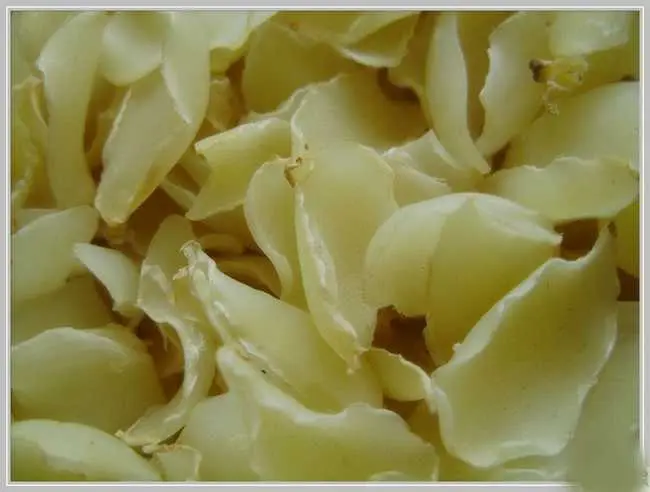
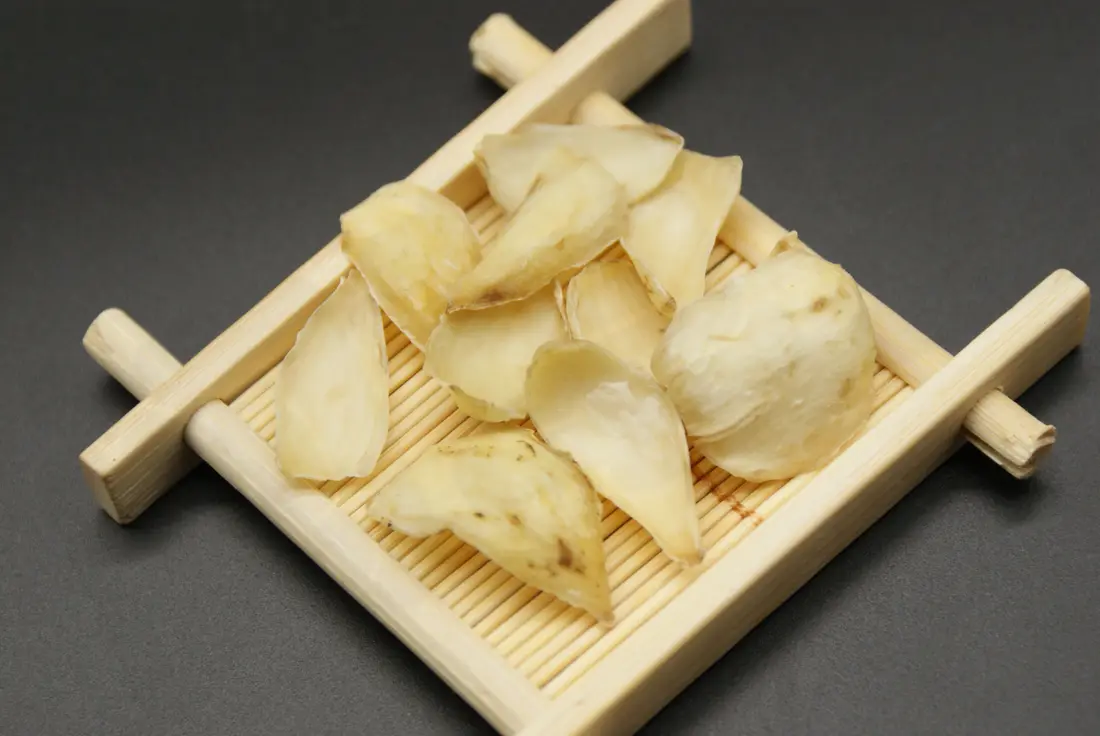
Lily Bulb CongeeLily bulb 30 g, glutinous rice 50 g, rock sugar to taste.
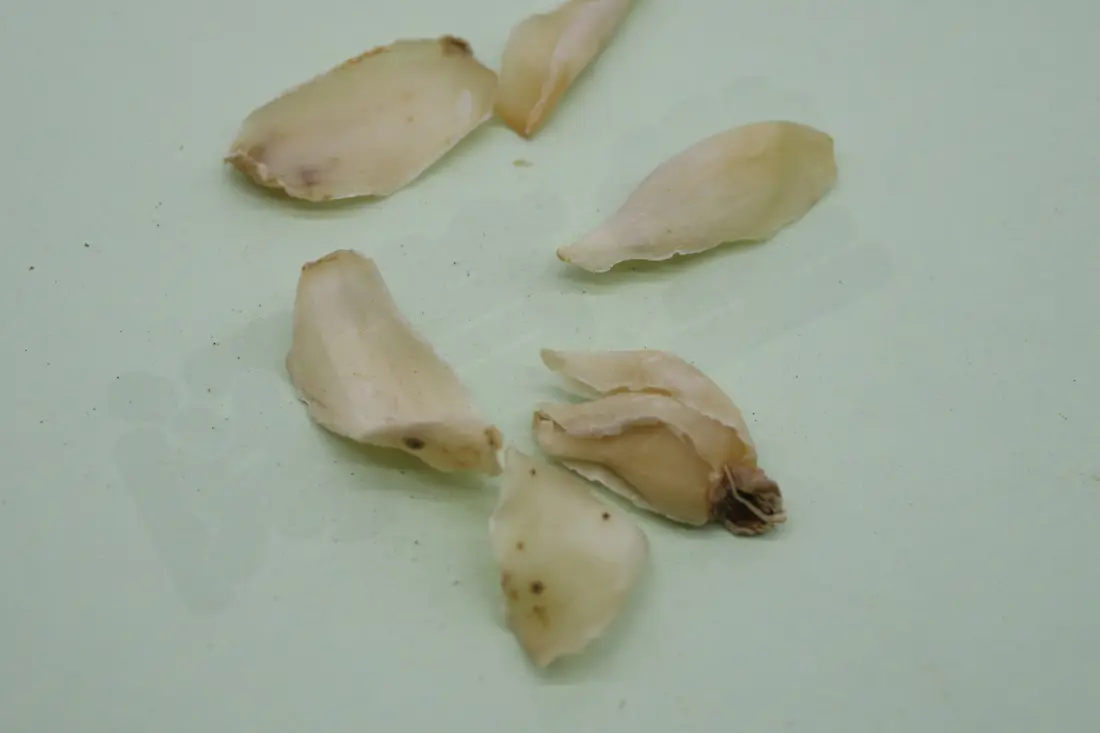
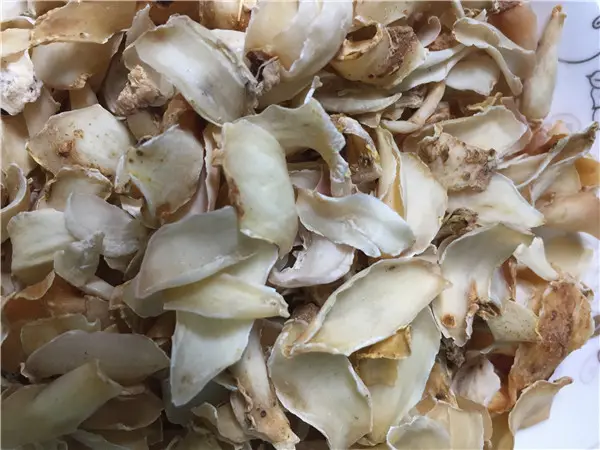
Peel lily bulb, remove fibrous roots, chop (or use 20 g dried lily powder). Wash glutinous rice and place with lily in a clay pot, add water, cook until rice is soft and congee thick, add rock sugar. Serve warm.
Calm the spirit and nourish the heart, moisten the lung and stop cough. Suitable for residual heat after febrile disease.
Red Date and Lily CongeeGlutinous rice 60 g, coix seed 30 g, red adzuki bean 30 g, large red dates 9, lily bulb 20 g.
Wash red dates; rinse coix seed, adzuki bean, glutinous rice, and lily bulb. Add 1000 ml water to pot, add all ingredients, cover and cook until congee is ready. Alternatively, soak 9 g lily flowers in boiling water; take 30 g glutinous rice and 10 red dates, wash, and cook with lily flowers in water over gentle fire to make congee, add rock sugar to taste.
Yam, Lily, and Date CongeeYam 90 g, lily bulb 40 g, red dates 15, coix seed 30 g, appropriate amount of rice.
Cook yam 90 g, lily bulb 40 g, red dates 15, coix seed 30 g, and rice together as congee. Yam strengthens the spleen and harmonizes the stomach; lily clears heat and moistens dryness; dates and coix seed strengthen the spleen and stomach. Together they nourish yin and stomach, clear heat and moisten dryness.
Lily and Millet CongeeDried lily bulb 50 g, dried white fungus 1 piece (20 g), red dates 6, peanuts 30, millet 1 paper cup, water 15 bowls, rock sugar to taste.
Soak dried lily, red dates, and peanuts in water; peel peanuts. Rinse millet and soak in water for 30 minutes. Soak white fungus, remove stem, tear into small pieces, rinse, drain. Place millet, white fungus, and peanuts in pot, add 10 bowls water, stir well; cover and bring to boil, then simmer for 40 minutes, stirring constantly to prevent sticking. When congee thickens, add 3 bowls boiling water to dilute, stirring constantly. Add red dates, lily, and rock sugar, add 1 bowl boiling water, simmer for another 30 minutes, and serve.
Lily and Polygonatum CongeeJaponica rice, lily bulb, Polygonatum odoratum.
(1) Wash lily bulb, tear into petals; (2) wash Polygonatum, cut into 4 cm segments; (3) wash rice, soak in cold water for 30 minutes, drain; (4) place rice, lily, and Polygonatum in pot, add about 1000 ml cold water, bring to boil over high heat, then simmer for about 45 minutes; (5) add white sugar, stir well, simmer briefly, and serve.
Japonica rice: enhances immune function, promotes blood circulation, reduces risk of hypertension; prevents diabetes, beriberi, age spots, and constipation; its bran fiber helps gastrointestinal motility and is effective for stomach disorders, constipation, and hemorrhoids.
Yam and Eel CasseroleIngredients: 1 white eel, lily bulb 25 g, yam 25 g. Seasonings: clear soup, tangerine peel, scallion-ginger juice, yellow wine, salt.
1. Wash lily and soak in water; wash yam and cut into strips; clean eel, cut into segments, drain, add yellow wine, scallion-ginger juice, and salt, mix well and set aside for 15 minutes. 2. Pour clear soup into clay pot, add yam, eel, tangerine peel, and lily, bring to boil over high heat, skim foam, simmer for 2 hours until eel is tender, season with salt.
This dietary therapy tonifies qi and nourishes the lung, stops cough and calms the spirit, and strengthens the body. However, it should not be consumed by those with weak spleen and kidney after illness, excessive phlegm, or diarrhea.
Fritillaria and Autumn Pear PasteColtsfoot flower, lily bulb, Ophiopogon, and Fritillaria cirrhosa each 30 g, autumn pear 100 g, rock sugar 50 g, honey 100 g.
Decoct coltsfoot flower, lily bulb, Ophiopogon, and Fritillaria in water to a thick juice, strain and reserve liquid. Peel and core autumn pear, cut into pieces, and add with rock sugar and honey to the juice. Simmer over gentle fire to a paste. Cool, bottle, and store.
Moisten the lung and nourish yin, stop cough and resolve phlegm.
Stewed Chicken with PomeloFresh pomelo 1, fresh chicken 500 g, ginger slices, scallion white, lily bulb, MSG, salt to taste.
Peel pomelo, remove pith and seeds, take 500 g flesh. Wash chicken and cut into pieces, blanch to remove blood. Place pomelo flesh and chicken in a stewing jar, arrange ginger slices, scallion white, and lily around chicken, season with salt and MSG, add appropriate amount of boiling water, cover, place in a large pot, and stew over gentle fire for 4 hours. Eat twice a week for 3 weeks.
Strengthen the spleen and promote digestion, resolve phlegm and stop cough.
Lily, Ophiopogon, and Ginkgo CongeeLily bulb 30 g, ginkgo nut 15 g, Ophiopogon 10 g, japonica rice 200 g.
Place all ingredients in a pot, add water, bring to boil, then simmer over gentle fire.
Nourish yin and moisten dryness, stop cough; suitable for dry cough in autumn.