Taizishen (Pseudostellaria root)
Tai Zi Shen
PSEUDOSTELLARIAE RADIX
Nature and flavorSweet, slightly bitter, neutral. Enters spleen and lung meridians.
Meridians enteredSpleen and lung meridians
Dosage9–30 g
Reference market price¥48 / kgBozhou market · spec common grade · 贵州 · snapshot 2026-11-21
Taizishen is a gentle qi-tonifying herb used to strengthen the spleen, boost energy, and moisten the lungs.
Source药物来源
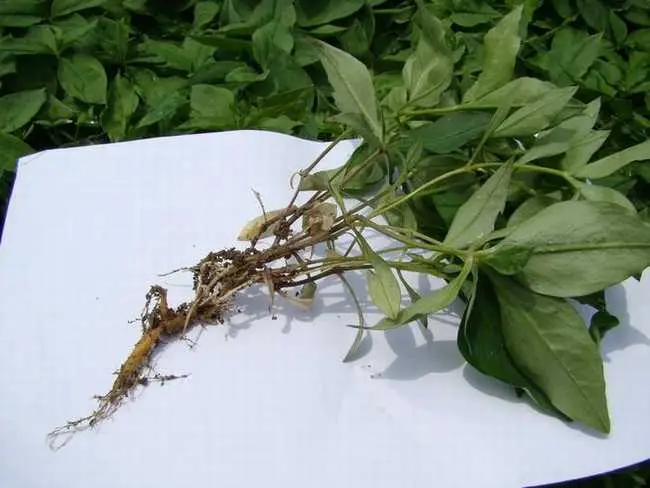
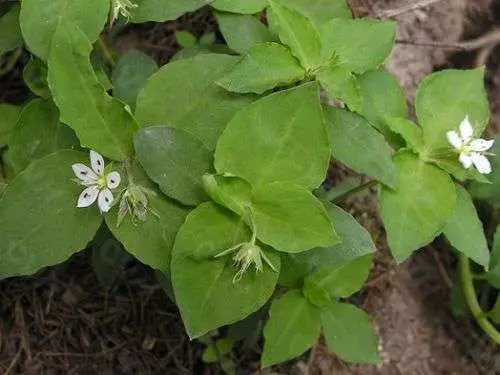
The dried root tuber of Pseudostellaria heterophylla (Miq.) Pax ex Pax et Hoffm. (family Caryophyllaceae).
Identification性状特征
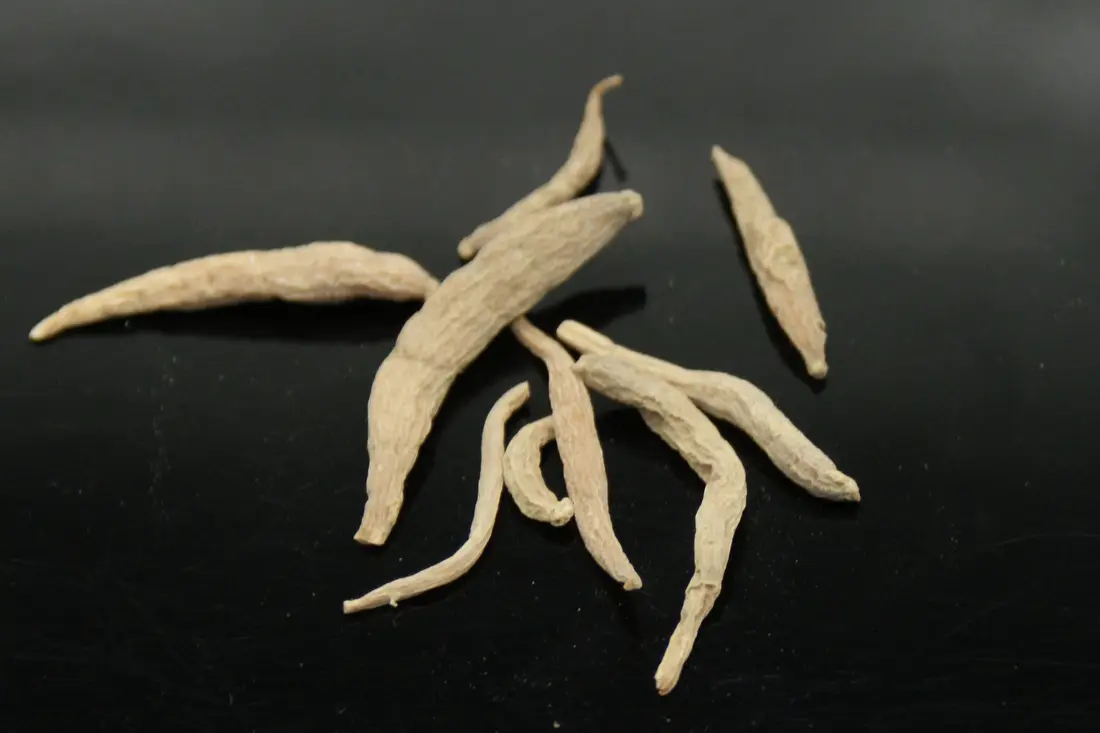
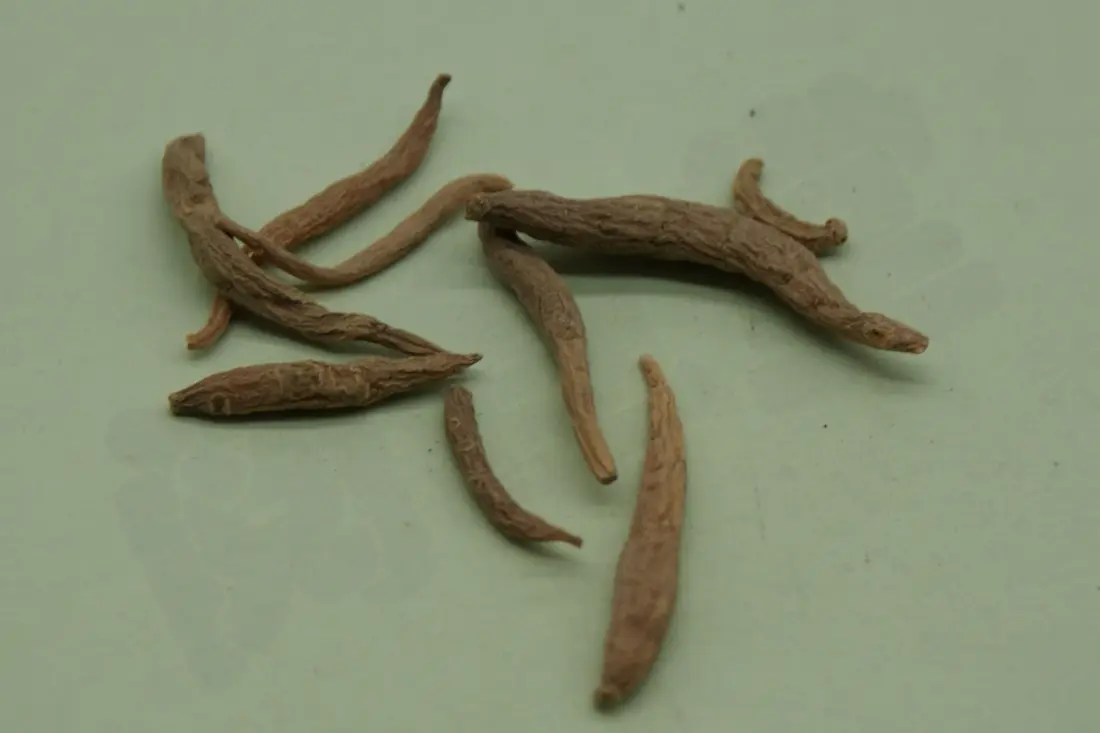
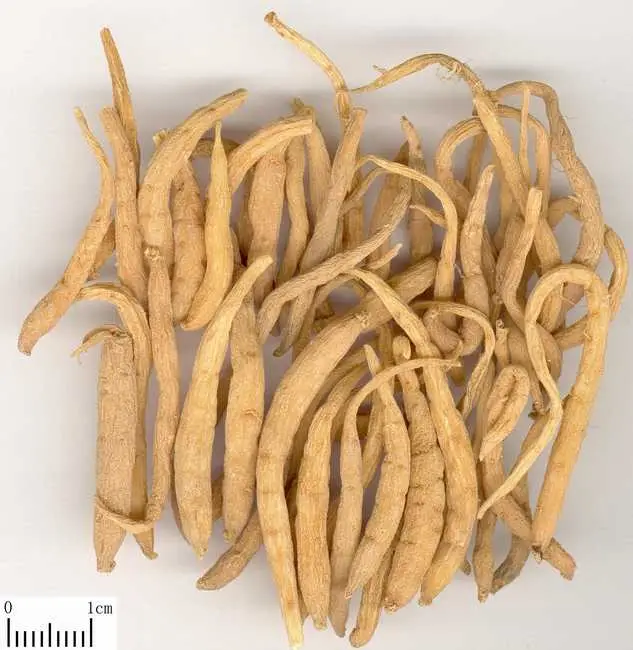
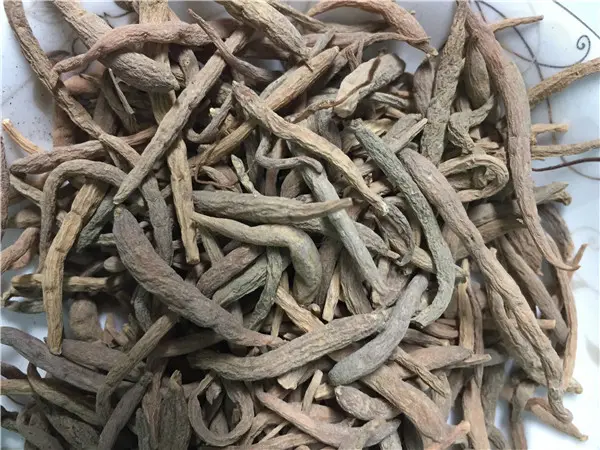
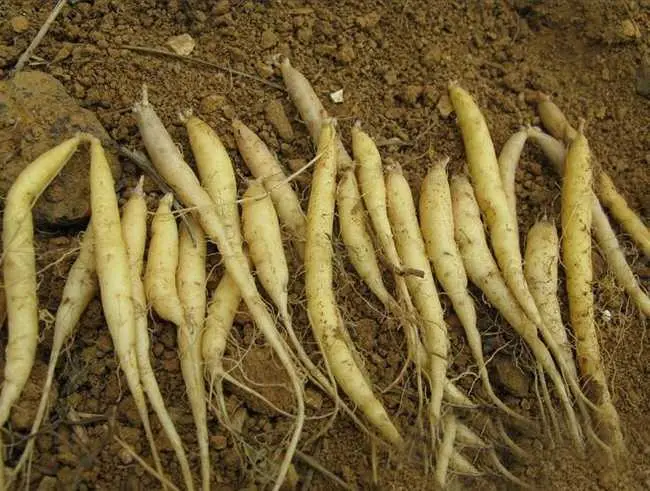
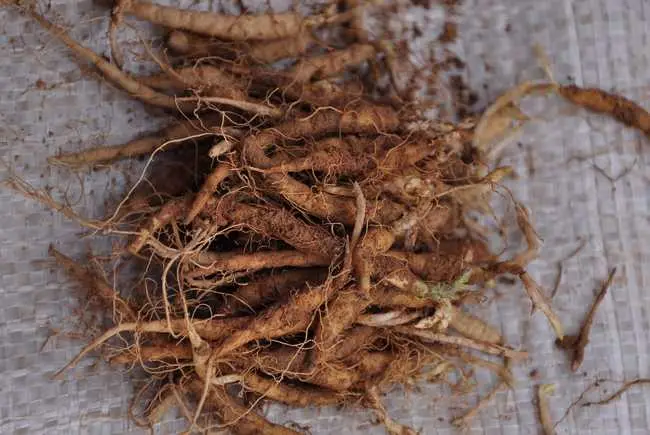
The herb is slender spindle-shaped or long and narrow, slightly curved, 3–10 cm long, 0.2–0.6 cm in diameter. Surface grayish-yellow to yellowish-brown, relatively smooth, with faint longitudinal wrinkles and rootlet scars in depressions. Stem scars at the apex. Hard and brittle; fracture relatively flat, margin pale yellowish-brown, center pale yellowish-white, horny. Odor faint, taste slightly sweet.
Properties and actions性味与功效
ActionsTonify qi and strengthen the spleen · Generate fluid and moisten the lung
IndicationsUsed for fatigue due to spleen deficiency, poor appetite, weakness after illness, deficiency of qi and yin, spontaneous sweating and thirst, and dry cough due to lung dryness.
CautionUse with caution in cases of deficiency-cold of the spleen and stomach.
Processing炮制
Crude drugRemove impurities.
Modern research现代药理
Tonic effectTaizishen has a tonic effect, improving fatigue resistance, hypoxia tolerance, and hunger/thirst tolerance in mice, and prolonging survival time.
Effect on small intestineTaizishen affects small intestinal function and significantly improves the spleen deficiency model induced by rhubarb.
Lymphocyte proliferationTaizishen significantly stimulates lymphocyte proliferation.
Macrophage increaseOral administration of Taizishen water decoction to rats with cyclophosphamide-induced leukopenia significantly increases total macrophage count.
Classical records历代本草
In 'Bencao Gangmu Shiyi' (Supplement to the Compendium of Materia Medica), it is recorded that although small, it is firm and solid, with strength not inferior to large ginseng. 'Baicaojing' states that Taizishen is the small root of Liaodong ginseng, sweet and bitter, with effects similar to Liaodong ginseng.《本草纲目拾遗》:《从新》云:虽甚细小,却紧而坚实,力不下大参。
《百草镜》云:太子参即辽参之小者,非别种也,乃苏州参行从参包中拣出短小者,名此以售客。
味甘苦,功同辽参。
Folklore本草传说
During the Spring and Autumn period, the son of the King of Zheng, aged 5, was intelligent but frail and often ill. The royal physicians failed to cure him. The king offered a reward for tonic remedies, but ginseng-type tonics did not work. One day, a white-haired old man offered a medicine, claiming it would take effect in 100 days. The prince took the slender, yellowish-white root as directed. After three months, he became robust and free from illness. The king then named him Crown Prince (Taizi) and wanted to reward the old man, but he had disappeared. When asked the name of the medicine, the old man was gone. A minister suggested: 'The medicine has ginseng-like properties and saved the Crown Prince, so let's call it Taizishen.' Thus the name spread.
Cultivation and authentication栽培与鉴别
20 cultivation notes and 7 authentication articles exist for this herb. They are long-form field material and are published in Chinese only.
Read them in Chinese →