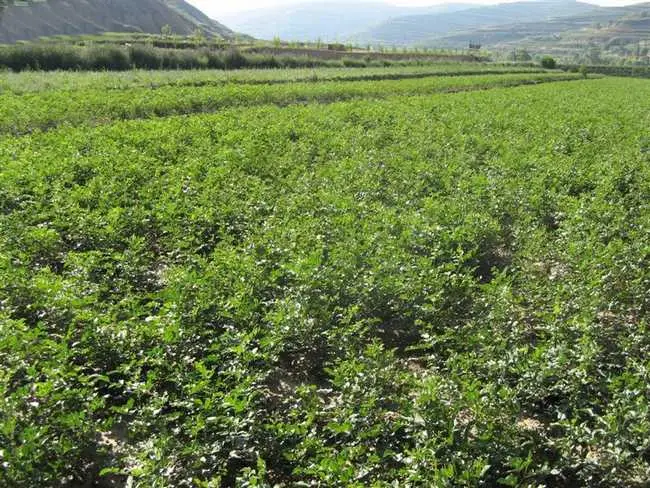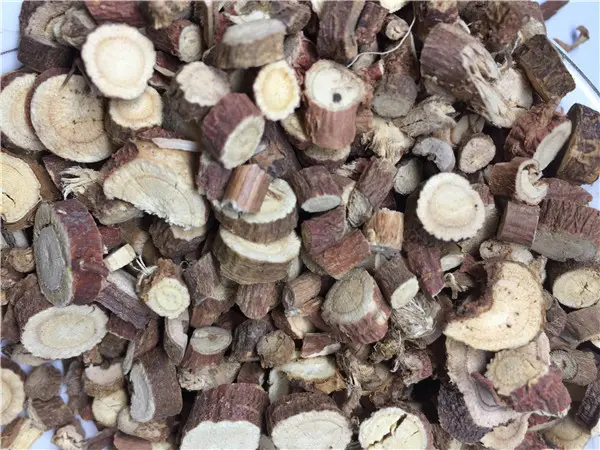
Licorice root (Gan Cao)Materia Medica

Licorice root (Gan Cao)

Gan Cao
GLYCYRRHIZAE RADIX ET RHIZOMA
Nature and flavorSweet, neutral. Enters heart, lung, spleen, and stomach meridians.
Meridians enteredHeart, Lung, Spleen, Stomach
Dosage2–10 g
Reference market price¥17 / kgBozhou market · spec common grade · 甘肃 · snapshot 2026-11-21

Licorice root is a foundational herb in traditional Chinese medicine, valued for harmonizing formulas and treating a wide range of conditions.

Source药物来源

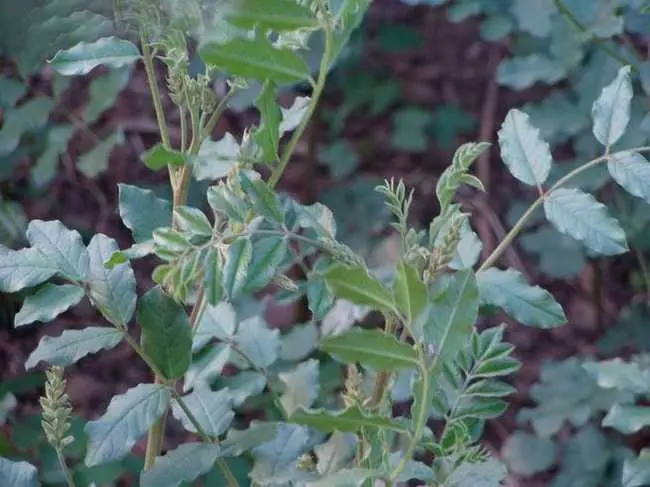
The dried root and rhizome of Glycyrrhiza uralensis Fisch., Glycyrrhiza inflata Bat., or Glycyrrhiza glabra L. (Fabaceae).

Identification性状特征

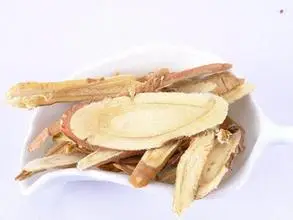
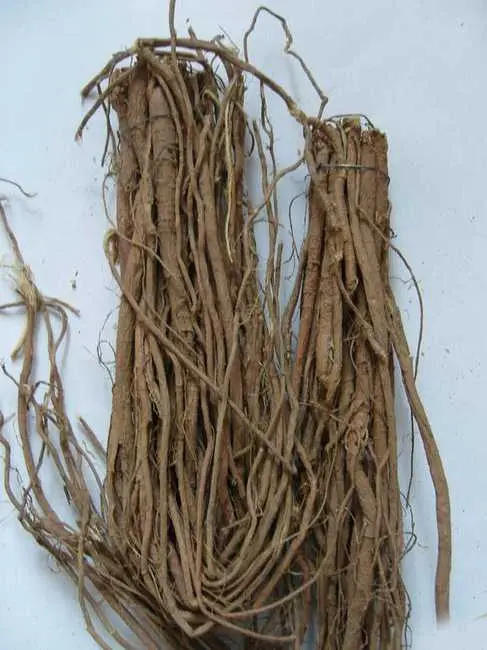
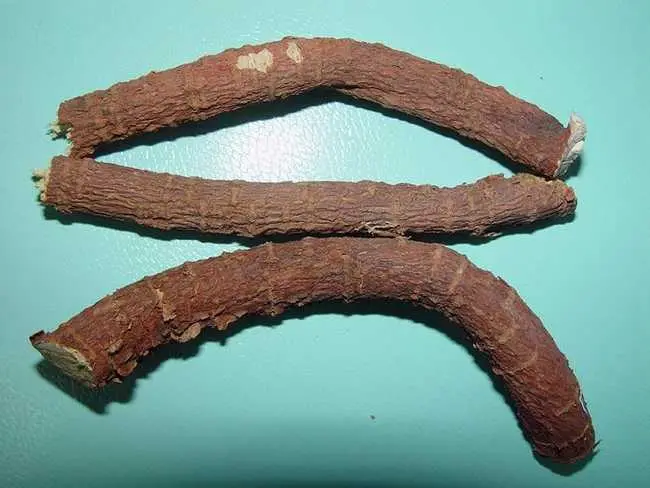
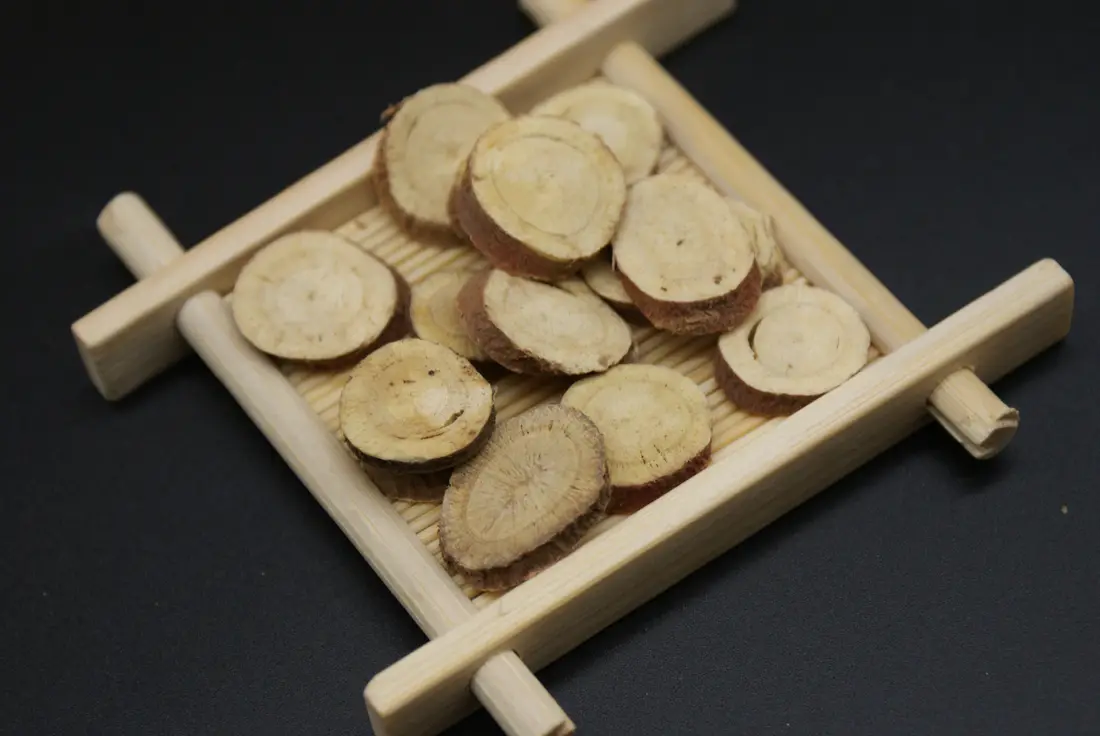
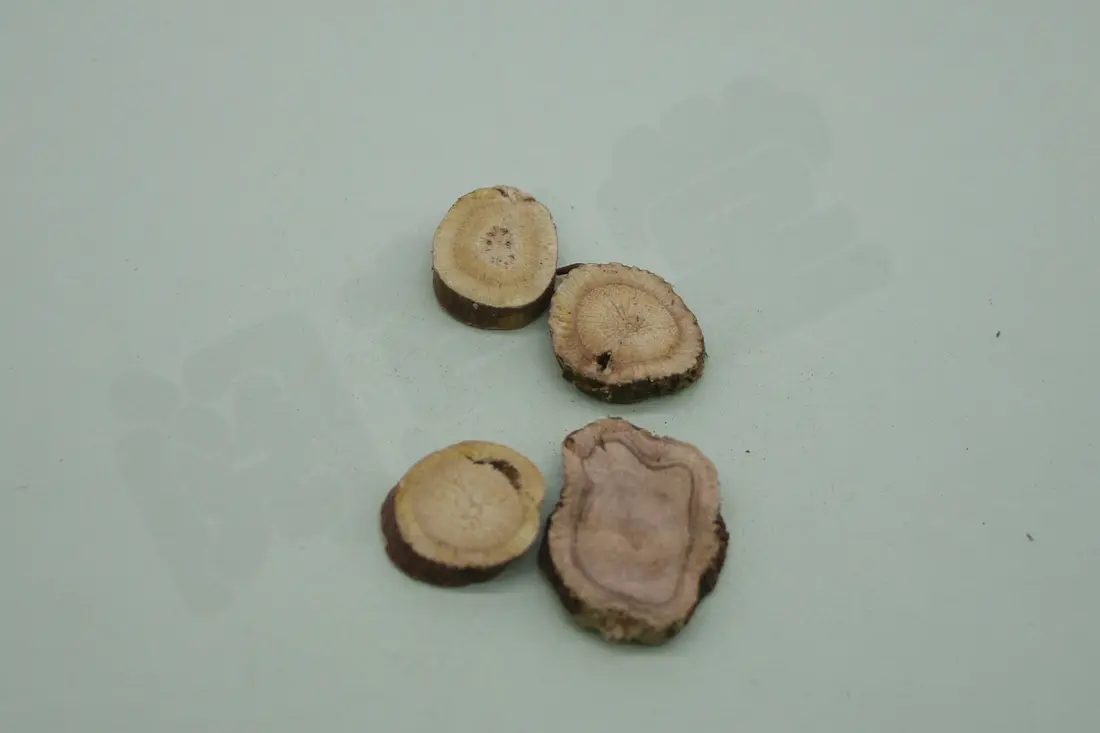
Licorice root: cylindrical, 25–100 cm long, 0.6–3.5 cm in diameter. Outer bark variable in tightness. Surface reddish-brown or grayish-brown, with distinct longitudinal wrinkles, furrows, lenticels, and sparse fine rootlet scars. Firm, fracture slightly fibrous, yellowish-white, starchy, cambium ring distinct, rays radiate, sometimes fissured. Rhizome cylindrical, with bud scars on surface, pith in center of fracture. Odor slight, taste sweet and characteristic. G. inflata: root and rhizome woody and stout, sometimes branched, outer bark rough, mostly grayish-brown or grayish-brown. Hard, woody and fibrous, less starchy. Rhizome with many adventitious buds, coarse. G. glabra: root and rhizome relatively firm, sometimes branched, outer bark not rough, mostly grayish-brown, lenticels fine and indistinct.

Properties and actions性味与功效
Actions
Tonify spleen and benefit qi · Clear heat and resolve toxicity · Resolve phlegm and stop cough · Relieve spasm and pain · Harmonize various herbs
Indications
Used for spleen and stomach weakness, fatigue and lack of strength, palpitations and shortness of breath, cough with copious phlegm, spastic pain in the epigastrium, abdomen, and limbs, carbuncles, swellings, boils and sores, and to reduce the toxicity and drastic properties of other drugs.
Dosage
2–10 g.
Caution
Contraindicated in cases of excess dampness, fullness, vomiting, or in patients with alcohol-related conditions; use with caution in edema, hypertension, or hypokalemia. Avoid concomitant use with Euphorbia pekinensis, Euphorbia kansui, Daphne genkwa, and Sargassum (eighteen incompatibilities).
Processing炮制
Licorice root (raw)
Remove impurities, wash, soften thoroughly, cut into thick slices, and sift out debris.
Honey-fried licorice root
Dilute refined honey with boiling water, sprinkle onto clean licorice slices, mix well, and let stand until the honey is absorbed. Fry over gentle heat until old yellow and non-sticky. Take out and cool. Use 25 kg honey per 100 kg licorice slices.
Modern research现代药理
Anti-ulcer effect
Licorice has strong anti-gastric ulcer activity.
Hepatoprotective and antioxidant
Licorice significantly protects the liver and has anti-lipid peroxidation effects, beneficial in preventing halothane hepatitis; it does not promote pancreatic secretion.
Anti-allergic and immunomodulatory
Licorice has anti-allergic effects and bidirectional regulation of phagocytosis: promotes phagocytosis under stress, inhibits at rest. Glycyrrhizin activates the reticuloendothelial system; different concentrations of ammonium glycyrrhizinate significantly enhance NK cell activity in mice; also enhances specific immune function.
Glucocorticoid-like and mineralocorticoid-like effects
Licorice has glucocorticoid-like effects and indirectly exerts mineralocorticoid-like effects by inhibiting hepatic metabolism of mineralocorticoids.
Sedative, antipyretic, analgesic, and anticonvulsant
Licorice has sedative, antipyretic, and analgesic effects. Its alcohol extract has weak anticonvulsant action against pentylenetetrazol-induced seizures, relieves convulsion-associated spastic pain, and effectively improves auditory acuity.
Cardiovascular effects
Licorice stimulates the heart, increases cardiac contraction amplitude, has anti-arrhythmic and lipid-lowering effects. The 3-aromatic coumarin derivative GU-7 isolated from licorice significantly inhibits platelet aggregation.
Antitussive, expectorant, and antiasthmatic
Licorice exerts antitussive effects via central nervous system action, promotes expectoration by increasing secretion of the throat and bronchi, and has some antiasthmatic effect.
Detoxifying and synergistic
Licorice has detoxifying effects on certain drugs, foods, metabolic products, and bacterial toxins, and also enhances efficacy while reducing toxicity.
Hormonal effects
Glycyrrhetinic acid and its salts have明显的 antidiuretic effects. Glycyrrhizin and glycyrrhetinic acid inhibit estrogen-induced uterine growth in immature animals. However, increased doses of glycyrrhizin may enhance estrogen-like effects, while glycyrrhetinic acid inhibits testosterone production in mouse gonads.
Classical records历代本草
Shennong Bencao Jing records licorice as sweet and neutral, treating cold-heat pathogenic qi of the five zang and six fu, strengthening sinews and bones, promoting muscle growth, boosting strength, treating metal wounds and swellings, and resolving toxicity. Bencao Gangmu praises it as a 'good minister' among herbs, harmonizing all medicines; it also notes that licorice is incompatible with Euphorbia, Daphne, and Sargassum, and that raw licorice drains fire while honey-fried warms the middle.
《神农本草经》:味甘,平。主治五脏六腑寒热邪气,坚筋骨,长肌肉,倍力,金疮肿,解毒。 《本草纲目》:甘草外赤中黄,包兼坤离;味浓气薄,资金士德。协和群品,有元老之功;普治百邪,得王道之化。赞帝力而人不知,敛神功而已不与,可谓药中之良相也。然中满、呕吐、酒客之病,不喜其甘;而大戟、光花、甘遂、海藻,与之相反。是亦迂缓不可以救昏昧,而君子尝见嫉于宵人之意欤? 解小儿胎毒惊痫,降火止痛。(甘草头)主痈肿,宜入吐药。 大抵补中宜炙用,泻火宜生用。通入手足十二经。 甘草与藻、戟、遂、芫四物相反,而胡洽居士治痰澼,以十枣汤加甘草、大黄,乃是痰在膈上,欲令通泄,以拔去病根也。东垣治项下结核,消肿溃坚汤加海藻。丹溪治劳瘵,莲心饮用芫花。二方俱有甘草,皆本胡居士之意也。故陶宏景言古方亦有相恶、相反,并乃不为害。机妙达精微者,不能知此。 《本草蒙筌》:味甘,气平。生寒炙温,可升可降。阴中阳也。无毒。忌猪肉,恶远志。反甘遂、海藻及大戟、芫花。入太阴、少阴、厥阴足经,用白术、干漆、苦参引使。生泻火,炙温中。梢去尿管涩痛,节消痈疽痈肿。子除胸热,三者宜生。身选壮大横纹,刮皮生炙随用。悬痈单服即散,凡毒生阴囊后、肛门前,谓之悬痈。以大黄纹者五钱,酒煎服下即散。咽痛旋咽能除。同桔梗,治肺痿脓血齐来;同生姜,止下痢赤白杂至。小儿初生,加黄连煎汤,拭口有益;饮馔中毒,伴黑豆煮汁,恣饮无虞。中砒毒者,此方救活百人。却脐腹急疼,驱脏腑邪热。坚筋骨,长肌肉,健脾胃,补三焦,止渴除烦,养血下气。解百药毒免害,和诸药性杜争。后人尊之,称为国老。又因性缓,能解诸急。故热药用之缓其热,寒药用之缓其寒。如附子理中,用者恐僭诸上;调胃承气,用者恐速于下。是皆缓之,非谓和也。小柴胡汤有柴胡、黄芩之寒,人参、半夏之温,内加同煎,此却调和相协,非谓缓焉。凤髓丹中又为补剂,虽缓肾湿,实益元阳。经云:以甘补之,以甘缓之,以甘泻之,悉可征矣。中满证恐甘能作胀,切禁莫加;下焦药因性缓难达,务宜少用,凡诸呕吐,亦忌煎尝。久服轻身,延年耐老。 谟按:五味之用,苦直行而泻,辛横行而散,甘上行而发,酸束而收敛,咸上而软坚。甘草味之极甘,当云上发可也。《本草》反言下气何耶?盖甘味有升降浮沉,可上可下,可内可外,有和有缓,有补有泻。居中之道,具尽故尔。 《开宝本草》:味甘,平。无毒。温中下气,烦满短气,伤脏咳嗽,止渴,通经脉,利血气,解百药毒。 《名医别录》:无毒。主温中,下气,烦满,短气,伤藏,咳嗽,止渴,通经脉,利血气,解百药毒,为九土之精,安和七十二种石,一千二百种草。 《本草图经》:《千金方》:甘草解百药毒,如汤沃雪。有中乌头、巴豆毒,甘草入腹既定,其验乃奇也。《肘后备急方》:岭南俚人解蛊毒药,并是需用之物,畏人得其法,乃言三百头牛药,或言三百两银药。久与亲狎,乃得其详。凡饮食时,先取炙熟甘草一寸,嚼之咽汁,若中毒,随即吐出。
Folklore本草传说

Licorice is the general name for plants of the genus Glycyrrhiza (Fabaceae). <i>G. uralensis</i> is produced in Inner Mongolia and Gansu; <i>G. glabra</i> in Europe and the Mediterranean; <i>G. inflata</i> in Xinjiang and Gansu. In Chinese medicine, licorice is called the 'national elder' (Guo Lao) and serves as a harmonizer in many formulas. Tao Hongjing said, 'The national elder is the teacher of the emperor; though not the sovereign, it is the ancestor of the sovereign.' Li Shizhen said, 'Licorice harmonizes all substances, has the merit of a founding elder, treats all pathogenic evils, and embodies the transformation of the kingly way; it can be called a good minister among medicines.' Licorice was recorded in the <i>Erya</i> around 200 BC. The <i>Huainanzi</i> of the Western Han says, 'Licorice is a medicine for growing flesh.' The <i>Shennong Bencao Jing</i> calls it 'beautiful herb' and 'honey sweet.' On September 20, 1986, Japanese television broadcast news that licorice was found to have anti-HIV effects, inhibiting the virus by up to 98%, and thus called it a divine herb against AIDS. In the Song dynasty, Mei Yaochen wrote a poem: 'The beautiful herb will be a staff, growing alone on the dangerous Ma Ridge... In medicine it is called the national elder, how can I, lazy, heal?' The Ming dynasty <i>Gengsi Bian</i> records that imperial physician Sheng Yin once collapsed in the pharmacy; a folk doctor cured him with a concentrated decoction of licorice alone, explaining that Sheng had entered the pharmacy on an empty stomach and was poisoned by the qi of many drugs, and licorice resolved the toxicity. The emperor greatly rewarded the doctor. Before the Jin dynasty, our ancestors knew that licorice 'treats seventy-two kinds of mineral drug toxicity and resolves one thousand two hundred kinds of plant and wood toxicity.' Sun Simiao, the Tang dynasty king of medicine, used licorice with potato juice for rapid relief of abdominal discomfort. For poisoning by aconite, use licorice, fresh ginger, and honeysuckle flower decocted; for poisoning by arisaema, pinellia, and giant typhonium, use licorice, fresh ginger, and saposhnikovia; for strychnine poisoning, use licorice and mung bean decocted. Japanese Kampo doctors believe that long-term high-dose licorice may cause edema and hypokalemia in 20% of patients, though this is debated. Ancient Chinese physicians did not oppose high doses but stressed proper compatibility. Licorice can cause impotence due to its estrogen-like effects. <i>Dunyuan Yi'an</i> by Xiao Zhuoru of Changsha records: Zhang Xichun of Yanshan once saw a strange case. A large farming family in winter drained a pond and cooked the fish for lunch. In the evening, a woman felt fullness and discomfort, but ignored it; the next day she was stiff. The family investigated and found a 4-5 inch piece of licorice in the pot besides fish soup and bones. The daughter said she had given licorice to a crying child, who might have dropped it into the pot. The woman's family was upset; a young man shouted that silver carp and licorice together have never killed anyone, and to prove it, he cooked and ate both on the spot, mocking onlookers. That night he was fine, but the next morning he was dead. Thus Zhang Xichun recommended avoiding silver carp when using licorice.
Culinary use民间药膳
Yannian Cao (Longevity Herb)
Green tangerine peel 120g, licorice 60g, fennel 30g, salt 75g.
Grind licorice into fine powder; stir-fry salt and dissolve in water to make brine; wash and soak tangerine peel to remove bitterness, then lightly roast. Mix tangerine peel, licorice, fennel, and brine evenly, seal for 10 hours, shaking once per hour. Then stir-fry over low heat until dry, avoiding burnt odor; remove licorice and fennel. Chew 1–2 pieces of the tangerine peel daily. Suitable for elderly and children, especially the elderly; chew a few pieces after breakfast for health benefits. If suffering from cold foods or fruits/vegetables, chew a few pieces to relieve stagnation.
Promotes qi flow, benefits spleen and stomach. Suitable for daily care in those with spleen-stomach insufficiency.
Melon Seed and Sesame Paste
Sweet melon seeds, Angelica dahurica, Angelica sinensis, Ligusticum chuanxiong, honey-fried licorice each 60g, pine nuts 30g, glutinous rice 150g, black sesame 500g.
First decoct Angelica dahurica, Angelica sinensis, Ligusticum chuanxiong, and honey-fried licorice to obtain liquid; soak glutinous rice, melon seeds, and pine nuts in the liquid, sun-dry, repeat until liquid is used up. Then stir-fry the rice, seeds, nuts, and sesame until fragrant, grind into powder. Take 30g each time, mix with boiling water into paste. Twice daily.
Invigorates blood and nourishes blood, nourishes hair and skin. Suitable for early white and sparse hair; also prevents aging and premature graying.
Cooked Material Beans
Processed Polygonum multiflorum and goji berry each 24g, raw and prepared Rehmannia, Angelica sinensis, stir-fried Eucommia ulmoides, Achyranthes bidentata each 12g, chrysanthemum, licorice, Ligusticum chuanxiong, tangerine peel, Atractylodes macrocephala, Paeonia lactiflora, Moutan cortex each 3g, Astragalus 6g, salt 18g, black beans 500g.
Decoct all herbs with black beans until cooked through, then sun-dry. Remove herbs and eat the black beans as snacks. About 30–50g per day.
Darkens beard and hair, strengthens teeth and brightens eyes. Suitable for blood-deficiency white hair, dizziness, palpitations, pale complexion, lips, and nails.
Shiquan Dabu Tang (Ten-Ingredient Decoction)
Ginseng, Astragalus, Atractylodes macrocephala, Poria, prepared Rehmannia, Paeonia lactiflora each 10g, Angelica sinensis and cinnamon each 5g, Ligusticum chuanxiong and licorice each 3g, jujube 12 pieces, fresh ginger 20g, cuttlefish, fat hen, old duck, cleaned pork stomach, pork knuckle each 250g, pork ribs 500g, winter bamboo shoots, mushrooms, peanuts, scallion each 50g, seasonings as needed.
Place herbs in a gauze bag and tie tightly. Clean duck, chicken, and pork stomach; wash ribs and chop into small pieces; crush ginger; cut bamboo shoots into pieces; clean mushrooms, remove impurities and woody parts. Put all ingredients in a pot, add water. Bring to a boil over high heat, then simmer over low heat; add yellow wine, Sichuan pepper, salt, and other seasonings. When meats are tender, remove and cut into strips, return to soup, remove herb bag. Bring to a boil, add MSG. Eat meat and drink soup, one small bowl each time, twice daily (morning and evening). After finishing, wait 5 days before making again.
Warms and tonifies qi and blood.
Gan Mai Da Zao Tang (Licorice, Wheat, and Jujube Decoction)
Licorice 20g, wheat 100g, jujube 10 pieces.
Put licorice in a clay pot, add 500g water, bring to a boil, simmer until 200g remains, remove residue and set aside the liquid. Wash jujube, remove impurities, put with wheat in a pot, add water, simmer until wheat is cooked, add licorice liquid, bring to a boil again and serve. Take warm on an empty stomach.
Nourishes heart and calms spirit, harmonizes the middle and relieves spasm. Suitable for restlessness, mental恍惚 due to heart deficiency and liver depression.
Xianju Tea
Agrimonia pilosa 30g, chrysanthemum 15g, honeysuckle flower 15g, licorice 6g, quartz 24g, white sugar 30g.
1. Wash Agrimonia, chrysanthemum, honeysuckle, licorice, white quartz, and purple quartz, place in an aluminum pot; 2. Add water, bring to a boil over high heat, then simmer for 20 minutes, filter out residue and keep liquid, add white sugar and stir well.
.
Suan Zao Ren Tang (Sour Jujube Seed Decoction)
Sour jujube seed (shelled, kernel), honey-fried licorice, raw Rehmannia, gardenia seed, Ophiopogon, ginseng, Angelica sinensis body, equal parts.
Take 9g of sour jujube seed, crush, decoct in water. Best taken one hour before bedtime.
Sour jujube seed inhibits the central nervous system and has a stable sedative effect. Effective for restlessness and insomnia or palpitations due to blood deficiency.
Anxin Tang (Calming Decoction)
Polygala 10g, licorice 10g, ginseng 15g, Poria with hostwood 15g, Angelica sinensis 15g, Paeonia lactiflora 15g, Ophiopogon 50g, jujube 20g.
Put all herbs in a pot, decoct in water for 30 minutes, strain. One dose daily, divided into 3 warm doses.
Treats postpartum palpitations, deficiency restlessness, and shortness of breath.
Zhu Ru Yin (Bamboo Shavings Drink)
Bamboo shavings 30g, black plum 6g, licorice 3g.
Decoct in water, take the liquid as tea frequently.
Clears stomach heat and stops vomiting, generates fluid and stops cough.
Xiaoyan Cha (Anti-inflammatory Tea)
Dandelion 400g, honeysuckle flower 400g, mint 200g, boat sterculia seed 50g, raw licorice 100g.
Grind dandelion and honeysuckle into fine powder (use only half), sift and set aside. Decoct the remaining dandelion and honeysuckle twice, combine liquids, filter, concentrate to syrup consistency, mix with starch slurry (50g starch plus water), boil to paste, then mix evenly with the reserved powder to form a soft mass, granulate through a sieve, and dry. Take 7–10g each time, 3 times daily, brew with boiling water and drink as tea.
Clears heat and resolves toxicity, reduces inflammation and relieves pain.
Audio and video语音与视频
Narration · Chinese · 7:34
Latin name · pronunciation
Narration and video are shared by all language versions and are in Chinese; the images and footage themselves are language-independent.
Photographs药材图片
Licorice root (Gan Cao)
Cultivation and authentication栽培与鉴别

24 cultivation notes and 5 authentication articles exist for this herb. They are long-form field material and are published in Chinese only.

Read them in Chinese →

Compiled from public Chinese materia medica sources for study and reference. Not medical advice.
Chinese version · All herbs