Gou Teng
Gou Teng is a key herb in traditional Chinese medicine for calming the liver, extinguishing wind, and clearing heat.
The dried stem branches with hooks of Uncaria rhynchophylla (Miq.) Miq. ex Havil., Uncaria macrophylla Wall., Uncaria hirsuta Havil., Uncaria sinensis (Oliv.) Havil., or Uncaria sessilifructus Roxb. (family Rubiaceae).
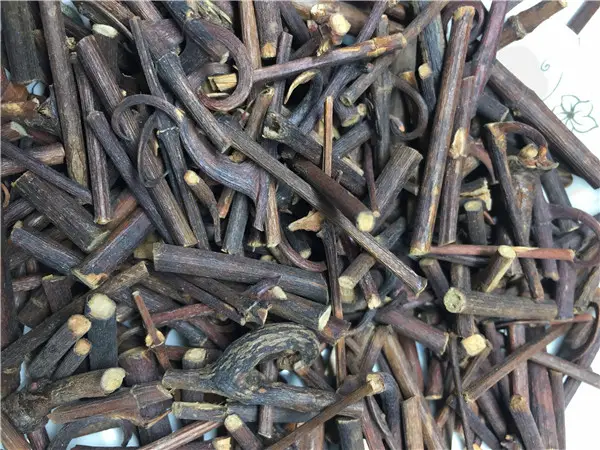
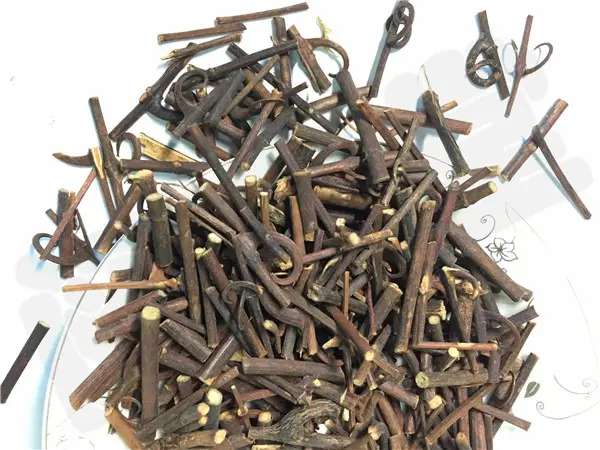
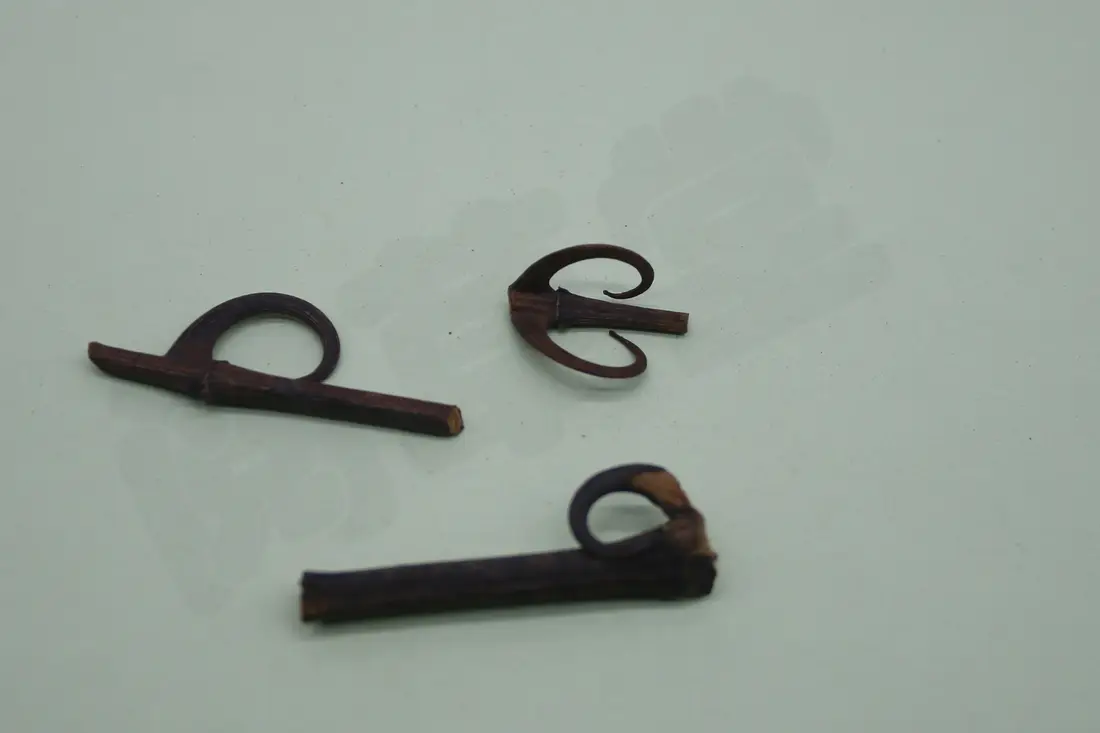
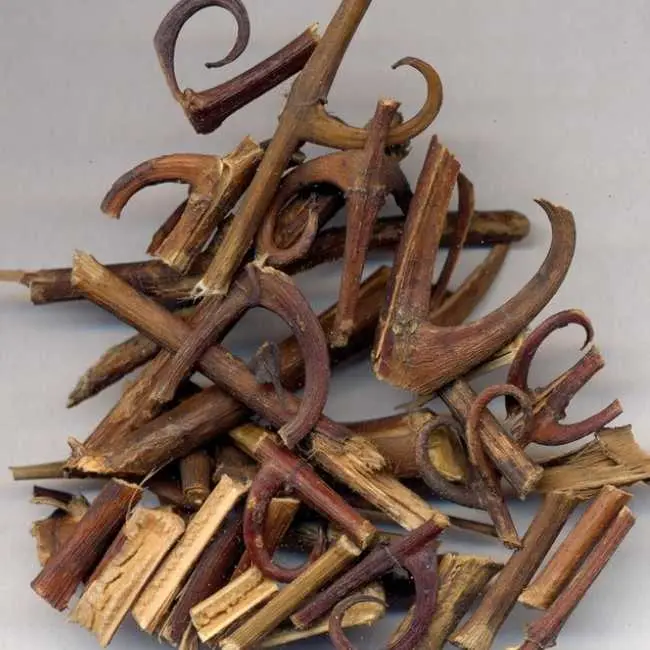
Stem branches are cylindrical or subquadrangular, 2–3 cm long, 0.2–0.5 cm in diameter. Surface red-brown to purple-red with fine longitudinal striations, smooth and hairless; or yellow-green to gray-brown with white dotted lenticels and yellow-brown pubescence. Most nodes bear two downward-curved hooks (sterile inflorescence stalks) opposite each other, or one hook with a scar on the opposite side. Hooks slightly flattened or rounded, apex fine and pointed, base broader; on the branch at the base of the hook, depression-like traces of fallen petioles and annular stipular scars are visible. Texture tough; fracture yellow-brown, cortex fibrous, pith yellow-white or hollow. Odor slight, taste weak.
Gou Teng was recorded later in medicinal literature, first appearing in Tao Hongjing's Mingyi Bielu (Supplement to the Classic of Materia Medica) from the Southern and Northern Dynasties. Li Shizhen noted its use for pediatric formulas. Ge Hong of the Jin dynasty said it was often used in pediatric prescriptions. In the Song dynasty, Zhong Yang, a pediatric specialist, said: 'Gou Teng is treasured in pediatrics; its nature is swift and effective, dispelling wind-phlegm, opening qi blockages, and calming fright epilepsy in emergencies.' Modern physician Zhang Shanlei said: 'Gou Teng is light and clear in qi, sweet and cool in flavor, most suitable for young children whose yin is not yet full and yang is easily exuberant.' Gu Songyuan also said: 'Gou Teng dispels liver wind without dryness, treasured in pediatrics for treating cold-heat, fright, and crying.' Later generations used it in adults to pacify the liver and lower blood pressure, often in large doses. Ni Zhumo of the Ming dynasty in Bencao Huiyan said: 'Gou Teng loses its power with prolonged decoction; add it after other herbs have been boiled for about ten minutes for best effect.' Thus prescriptions often note 'add near the end'. In Chapter 84 of Dream of the Red Chamber, Xia Jingui, wife of Xue Pan, caused liver qi rebellion and left rib pain due to anger; Bao Chai quickly had Gou Teng decocted and gave it to her mother, and the pain gradually subsided after sleep.
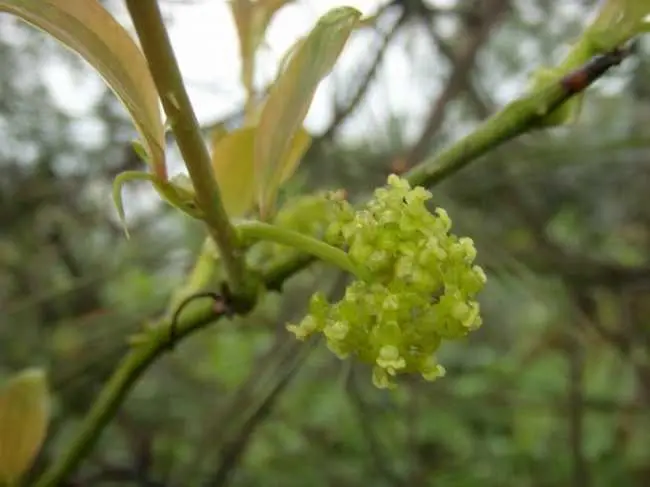
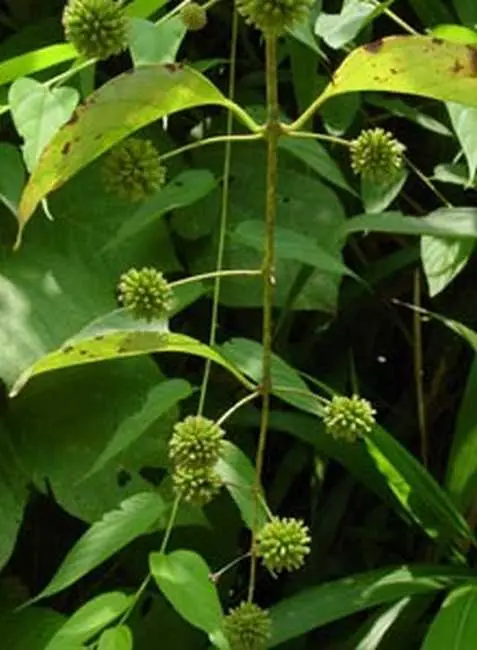
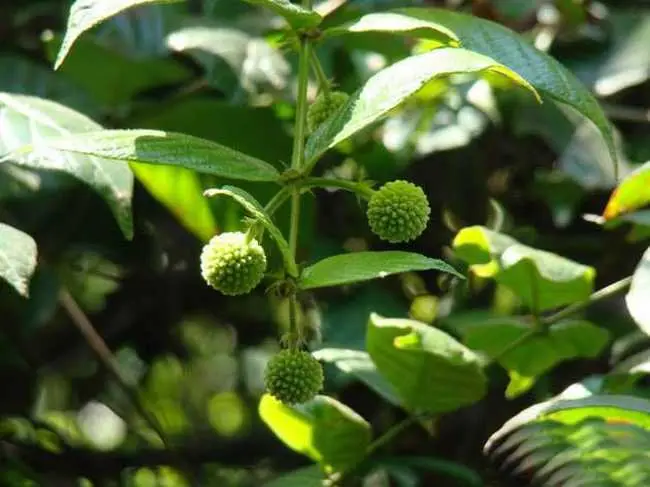
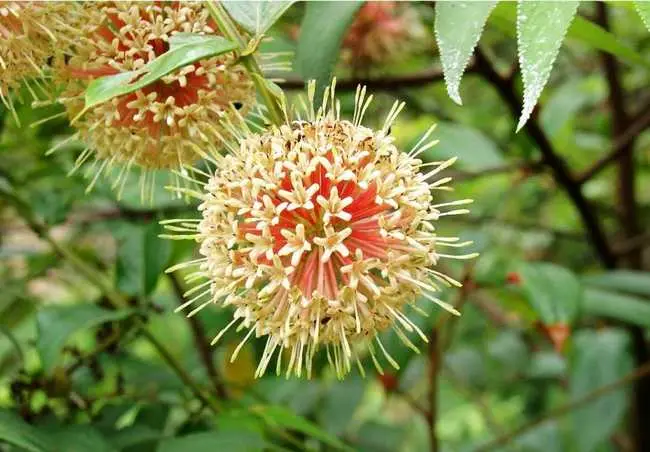
2 cultivation notes and 7 authentication articles exist for this herb. They are long-form field material and are published in Chinese only.
Chinese version · All herbs