Stemona root (Bai Bu)Materia Medica

Stemona root (Bai Bu)

Bai Bu
STEMONAE RADIX
Nature and flavorSweet, bitter, slightly warm; meridian tropism: Lung.
Meridians enteredLung
Dosage3–9 g; appropriate amount for external use.
Reference market price¥23 / kgBozhou market · spec common grade · 湖北 · snapshot 2026-11-21

Stemona root is a traditional Chinese herb used to moisten the lung, stop cough, and kill parasites.

Source药物来源

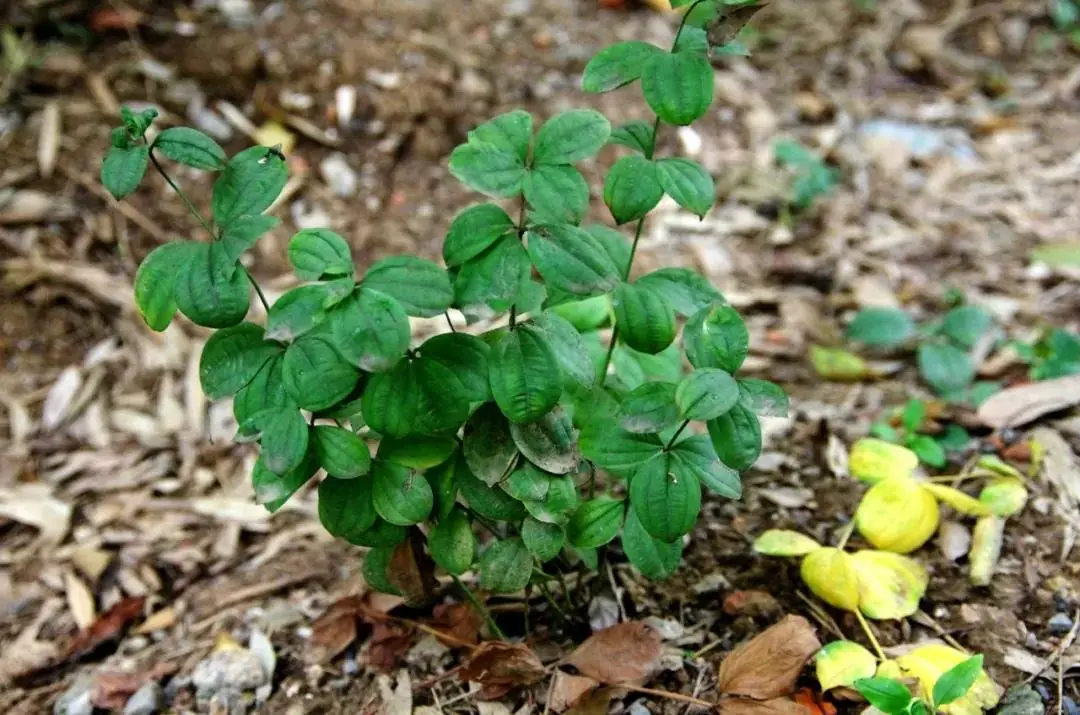
The dried root tuber of Stemona sessilifolia (Miq.) Miq., Stemona japonica (Bl.) Miq., or Stemona tuberosa Lour. (family Stemonaceae).

Identification性状特征

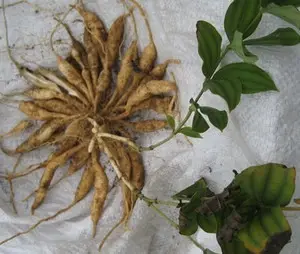
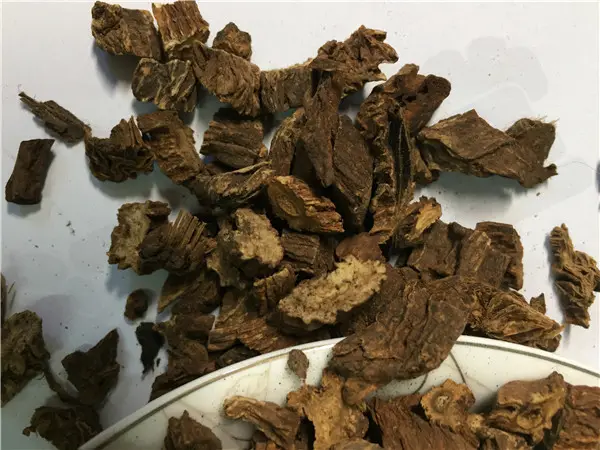
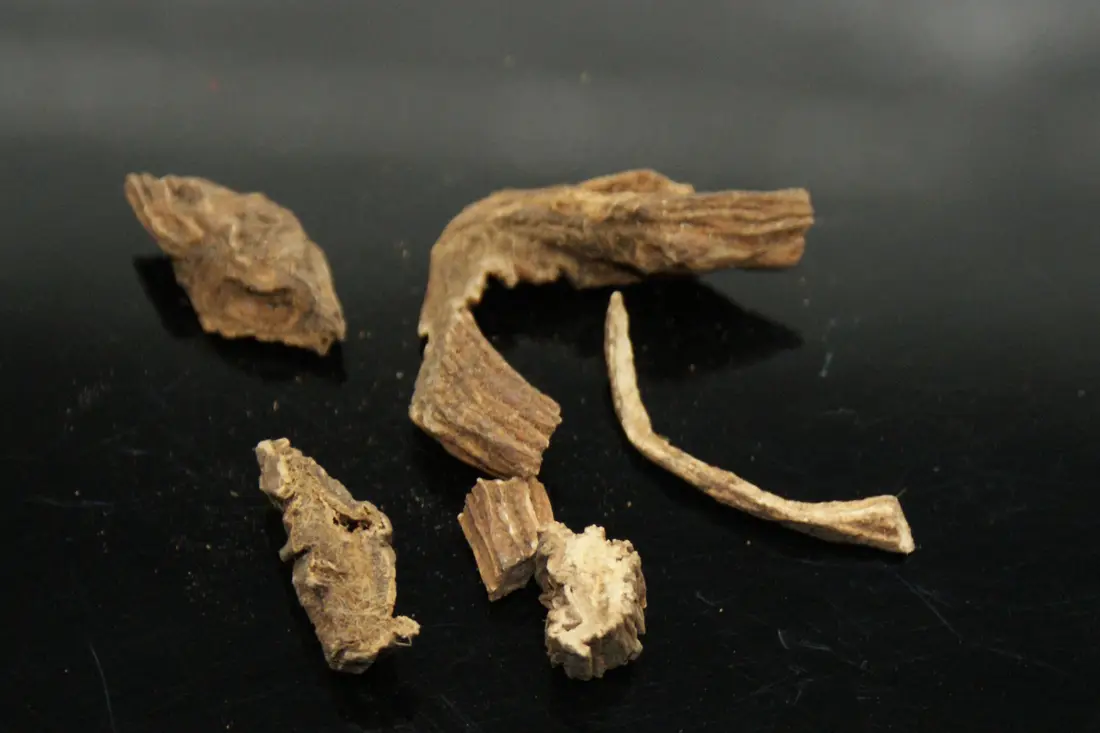
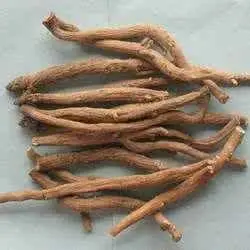
Erect stemona: spindle-shaped, upper end slender, wrinkled and curved, 5–12 cm long, 0.5–1 cm in diameter. Surface yellow-white or pale brownish-yellow, with irregular deep longitudinal grooves and occasional transverse wrinkles. Brittle, easily broken, fracture flat, horny, pale yellow-brown or yellow-white; cortex relatively wide, stele flattened. Slight odor; taste sweet and bitter. Climbing stemona: slightly narrowed at both ends, surface with irregular wrinkles and transverse wrinkles. Tuberous stemona: long spindle-shaped or long strip-shaped, 8–24 cm long, 0.8–2 cm in diameter. Surface pale yellow-brown to gray-brown, with shallow longitudinal wrinkles or irregular longitudinal grooves. Texture firm, fracture yellow-white to dark brown, stele relatively large, pith almost white.
Properties and actions性味与功效
Actions
Moisten the lung and direct qi downward to stop cough · Kill parasites and lice
Indications
Used for acute and chronic cough, cough due to pulmonary tuberculosis, pertussis; externally for head lice, body lice, pinworm infection, and genital itching. Honey-fried stemona root moistens the lung and stops cough. Used for consumptive cough due to yin deficiency.
Dosage
3–9 g. Appropriate amount for external use, decocted in water or soaked in wine.
Caution
Because the raw herb is slightly toxic and may irritate the stomach, the oral dose should not be excessive. Use with caution in patients with deficiency-cold of the spleen and stomach. For internal use, stir-baked with honey is preferred.
Processing炮制
Stemona root
Remove impurities, wash, soften thoroughly, cut into thick slices, dry, and sieve out fragments.
Honey-fried stemona root
Mix clean stemona root slices with refined honey diluted in a little boiling water, cover and let stand until the honey is absorbed, then stir-fry over gentle heat until no longer sticky. Take out and cool. Use 12.5 kg of refined honey per 100 kg of stemona root slices.
Modern research现代药理
Antitussive and antiasthmatic effects
Stemona root has antitussive and antiasthmatic effects; the active components are stemona alkaloids.
Insecticidal effects
Stemona root has insecticidal effects. Its water and alcohol extracts kill pinworms, head lice, body lice, and pubic lice, and are toxic to bedbugs, fly maggots, and mosquito larvae.
Antibacterial and antiviral effects
Stemona root has antibacterial and antiviral effects, inhibiting various cocci, bacilli, some pathogenic fungi, influenza virus, and Newcastle disease virus to varying degrees.
Antispasmodic effects
Stemona root has antispasmodic effects; its alkaloid extract relaxes histamine-induced bronchial spasms in isolated guinea pig trachea.
Central inhibitory effects
Stemona root has central inhibitory effects.
Classical records历代本草
Li Shizhen's Bencao Gangmu notes that stemona root is warm in nature and suitable for cold-type cough, while Asparagus root is cold and suitable for heat-type cough. Other sources record its use for chronic cough, tuberculosis, and parasitic infections, and caution that patients with weak spleen and stomach should combine it with spleen-protecting herbs.
《本草纲目》:百部,亦天门冬之类,故皆治肺病杀虫。但百部气温而不寒,寒嗽宜之。天冬性寒而不热,热嗽宜之。此为异耳。 《本草蒙筌》:味甘、苦,气微温。又云:微寒。无毒。一云:有小毒。主肺热上气,止年久咳嗽急求;治传尸骨蒸,杀寸白蛔虫须用。又专治虱,亦可去疳。烧汤洗牛马身虱不生,烧烟熏树木蛀虫即死。人家烧烬,尽逐蠓蝇。 《名医别录》:微温,有小毒,主治咳嗽上气。 《本草拾遗》:火炙,浸酒,空腹饮,去虫,蚕咬,兼疥癣疮。 《本草经疏》:百部根正得天地阴寒之气,故《蜀本》云微寒。日华子言苦。《本经》言微温者,误也。苦而下泄,故善降肺气,升则喘嗽,故善治咳嗽上气。能散肺热,故《药性论》主润益肺。其性长于杀虫,传尸骨蒸劳,往往有虫,故亦主之。疳热有虫,及蛔虫、寸白虫、蛲虫,皆能杀之。 简误:百部味苦,脾虚胃弱人,宜兼保脾安胃药同用,庶不伤胃气。
Culinary use民间药膳
Huangdan and Gallnut Water
Huangdan 12 g, baked alum 12 g, white alum 12 g, Chinese gall 15 g, stemona root 15 g, realgar 6 g, Angelica dahurica 6 g, Dictamnus dasycarpus 6 g, sulfur 6 g, cinnabar 3 g, calomel 3 g, Cnidium monnieri 9 g, Bai Fuzi 9 g, white balsam 9 g, aged rice vinegar 1500 ml.
Grind each ingredient into powder. Boil the aged rice vinegar in an iron pot, add Huangdan and stir well with chopsticks, then add the fine powders of Chinese gall, stemona root, Cnidium monnieri, Bai Fuzi, Angelica dahurica, Dictamnus dasycarpus, and white balsam, stir well, then slowly add the remaining 6 powdered ingredients (baked alum, etc.), stir well, and remove from heat.
For various tinea infections, tinea manuum (palm eczema), and onychomycosis.
Stemona Root and Ginger Juice
Stemona root 50 g, fresh ginger 50 g.
Wash and crush the fresh ginger, put it with stemona root in a clay pot, add water and bring to a boil, remove the residue, then simmer over low heat for 15 minutes. Drink when warm.
Dispels cold, benefits the lung, stops cough, and relieves asthma.
Audio and video语音与视频
Narration · Chinese · 7:34
Latin name · pronunciation
Narration and video are shared by all language versions and are in Chinese; the images and footage themselves are language-independent.
Photographs药材图片
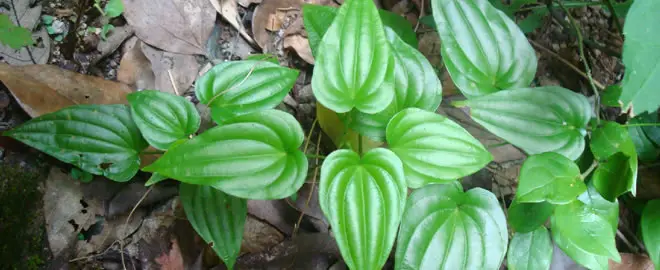
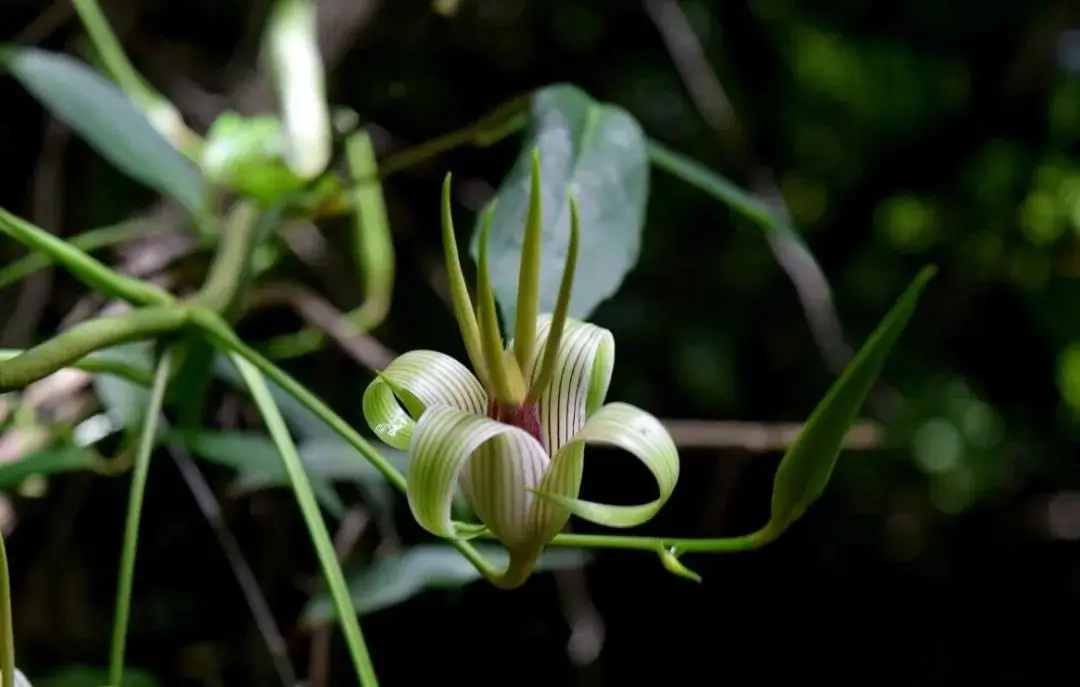
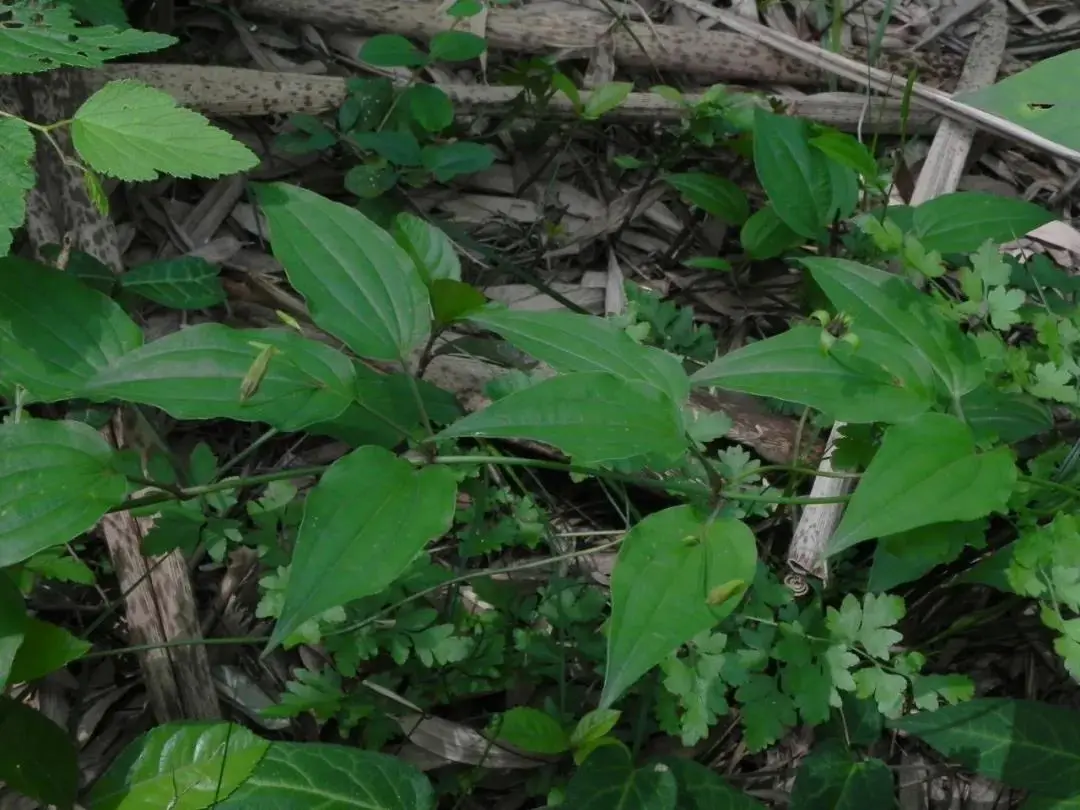
Stemona root (Bai Bu)
Cultivation and authentication栽培与鉴别

2 cultivation notes and 7 authentication articles exist for this herb. They are long-form field material and are published in Chinese only.

Read them in Chinese →

Compiled from public Chinese materia medica sources for study and reference. Not medical advice.
Chinese version · All herbs