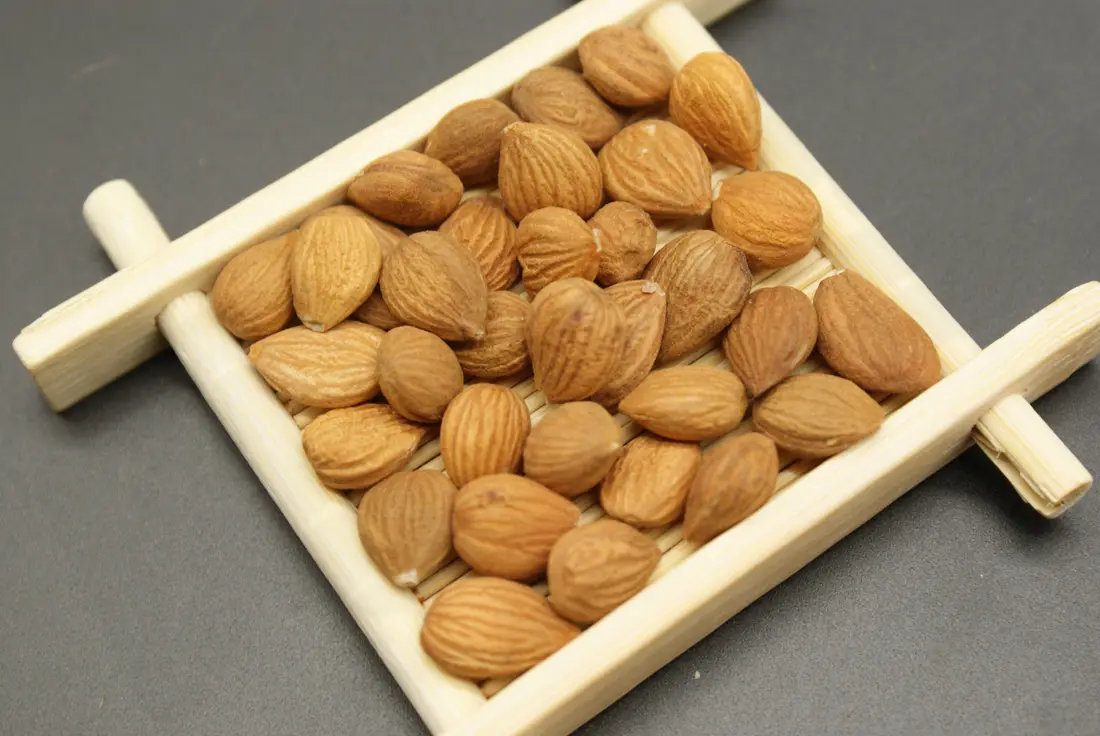
Bitter Apricot Seed (Ku Xing Ren)Materia Medica

Bitter Apricot Seed (Ku Xing Ren)

Ku Xing Ren
ARMENIACAE SEMEN AMARUM
Nature and flavorBitter, slightly warm; mildly toxic.
Meridians enteredLung, Large Intestine.
Dosage5–10 g, added near the end of decoction when used raw.
Reference market price¥20 / kgBozhou market · spec common grade · 内蒙古 · snapshot 2026-11-21

Bitter Apricot Seed is a classic herb for cough and wheezing with phlegm, and for dry constipation, used with care because of its mild toxicity.

Source药物来源

The dried ripe seeds of Prunus armeniaca L. var. ansu Maxim., Prunus sibirica L., Prunus mandshurica (Maxim.) Koehne, or Prunus armeniaca L. (family Rosaceae).

Identification性状特征

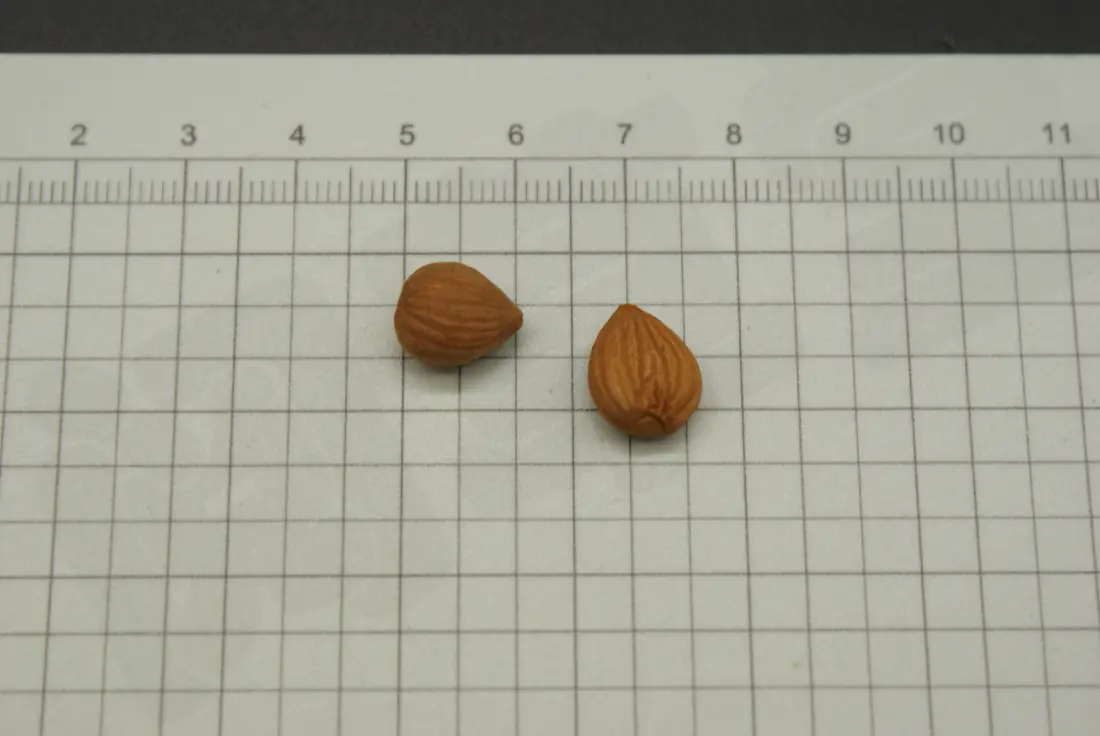
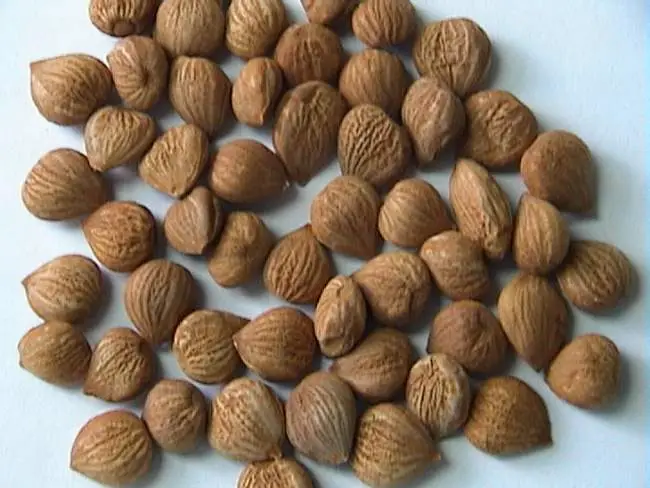
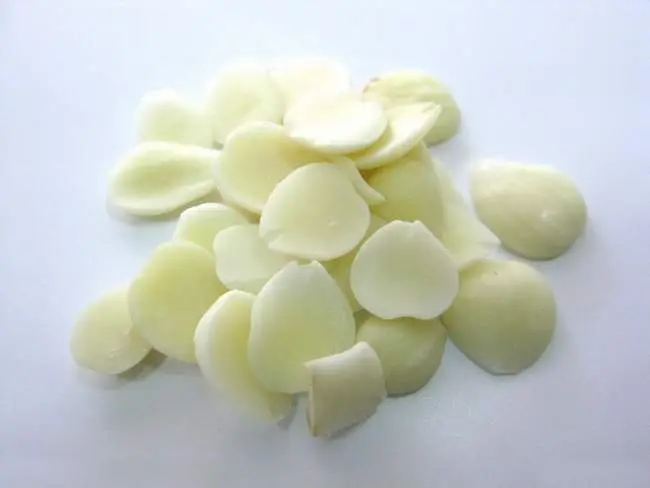
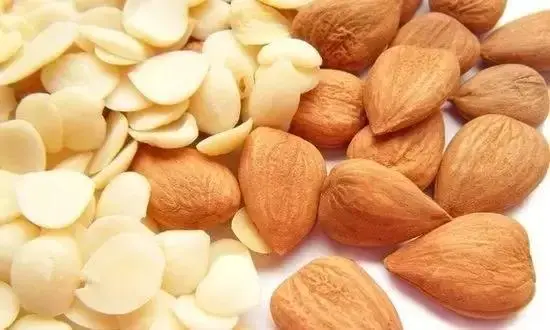
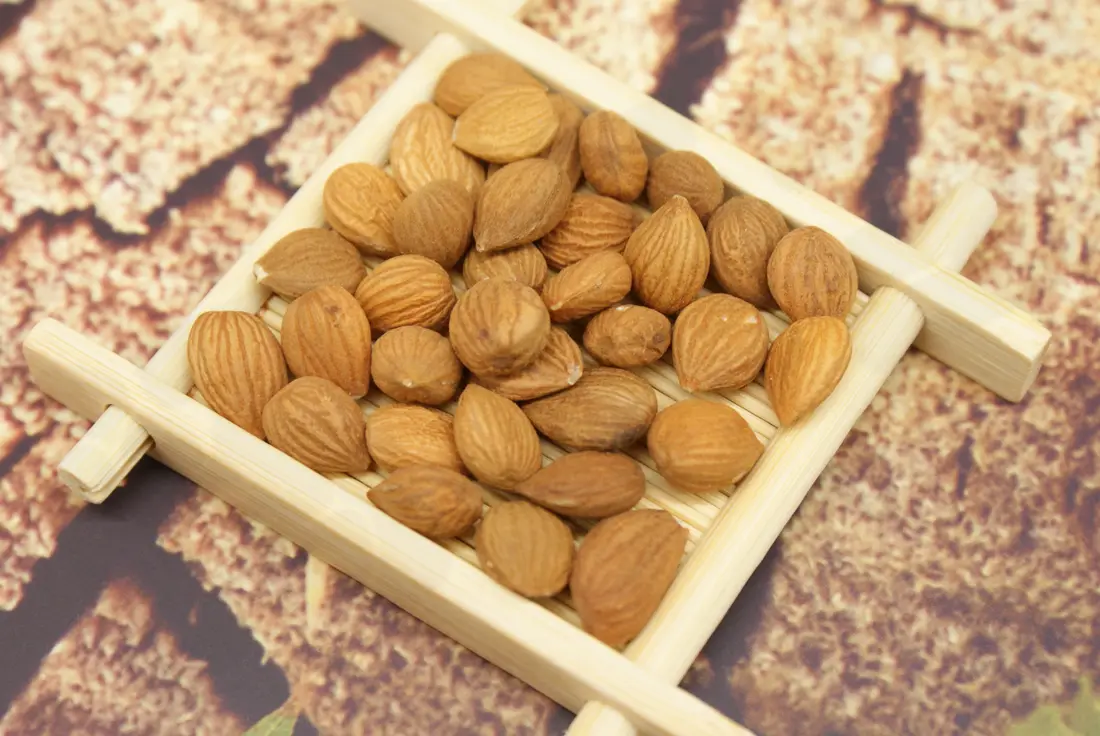
Flattened heart-shaped, 1–1.9 cm long, 0.8–1.5 cm wide, 0.5–0.8 cm thick. Surface yellowish-brown to dark brown; one end pointed, the other blunt and rounded, thick, asymmetrical. A short linear hilum at the pointed end; numerous dark brown veins extending upward from the chalaza at the rounded end. Seed coat thin; two cotyledons, milky white, oily. Slight odor; bitter taste.

Properties and actions性味与功效
Actions
Direct qi downward, stop cough and relieve wheezing · Moisten the intestines and unblock the bowels
Indications
Used for cough and wheezing, chest fullness with profuse phlegm, and constipation due to intestinal dryness.
Dosage
5–10 g; when the raw product is used in decoction, add near the end.
Caution
Mildly toxic; do not overdose. Use with caution in deficiency-cold of the spleen and stomach.
Processing炮制
Bitter Apricot Seed (raw)
Sift out debris, remove residual shell and brown seeds. Crush before use.
Scalded Bitter Apricot Seed
Briefly boil in 10 volumes of boiling water for about 5 minutes until the seed coat slightly swells; soak in cool water, rub off the seed coat, dry, and sift. Crush before use.
Stir-fried Bitter Apricot Seed
Stir-fry scalded seeds over gentle heat until slightly yellow with occasional scorched spots and a fragrant aroma; cool. Crush before use.
Modern research现代药理
Respiratory effects
Relaxes bronchial smooth muscle and relieves spasm; amygdalin has antitussive, antiasthmatic, and expectorant effects.
Cardiovascular effects
Intravenous decoction produces marked and prolonged hypotension in cats and dilates coronary arteries, increasing coronary flow.
Digestive effects
Benzaldehyde, a hydrolysis product of amygdalin, inhibits pepsin digestion and has an anti-ulcer effect.
Antitumor effect
Shows antitumor activity.
Pulmonary surfactant
Promotes synthesis of pulmonary surfactant.
Anthelmintic, antibacterial, antiviral
Bitter apricot oil kills Ascaris, earthworms, pinworms, and hookworms in vitro and inhibits Salmonella typhi and paratyphi; processing reduces activation of Epstein-Barr virus early antigen.
Antimutagenic and antidiabetic
Amygdalin has antimutagenic activity and treats alloxan-induced diabetes.
Classical records历代本草
The Shennong Bencao Jing records bitter apricot seed for cough with qi rushing upward, throat impediment, and qi-descending. The Bencao Gangmu notes it can disperse and descend, resolving muscle layer, dispelling wind, descending qi, moistening dryness, and killing parasites.
《神农本草经》:味甘,温。主治咳逆上气,雷鸣,喉痹,下气,产乳,金创,寒心,贲豚。 《本草纲目》:杏仁能散能降,故解肌散风,降气润燥,消积治伤损药中用之。治疮杀虫,用其毒也。《医余》云:凡索面、豆粉,近杏仁则烂。顷一兵官食粉成积,医师以积气丸、杏仁相半,研为丸,熟水下,数服愈。 杀虫,治诸疮疥,消肿,去头面诸风气疮。 《本草蒙筌》:味甘、苦,气温。可升可降,阴中阳也。有小毒。所恶药有三般,黄芪黄芩干葛。专入太阴肺经,乃为利下之剂。除胸中气逆喘促,止咳嗽坠痰;润大肠气闭便难便难,逐贲豚散结。研纳女人阴户,又治发痒虫疽。 谟按:东垣云:杏仁下喘,用治气也。桃仁疗狂,用治血也。俱治大便闭燥,但有气血之分。昼则便难,得阳气也;夜则便难,行阴血也。年高人便闭,不可泄者。脉浮在气,宜杏仁陈皮治之;脉沉在血,宜桃仁陈皮治之。所以俱用陈皮者,以其手阳明病与手太阴相为表里,故用之以为使也。 《开宝本草》:味甘、苦,温,冷利,有毒。惊痫,心下烦热,风气去来,时行头痛,解肌,消心下急,杀狗毒。 《名医别录》:味苦,冷利,有毒。主治惊痫,心下烦热,风气去来,时行头痛,解肌,消心下急,杀狗毒。 《本草拾遗》:本功外,杀虫,烧令烟末尽,细研和脂,物裹内匿齿孔中。亦主产门中虫疮痒不可忍者,去人及诸畜疮中风,取人去皮,熬令赤和桂末研如泥,绵裹如指大含之,利喉咽,去喉痹痰唾咳嗽,喉中热结生疮。
Folklore本草传说

According to the Shenxian Zhuan, the physician Dong Feng of the Three Kingdoms period lived in seclusion on Mount Lu, treating patients without charge. Those cured of severe illness planted five apricot trees, and those with mild illness one, until after several years more than 100,000 trees formed a forest, called 'Dongxian Apricot Forest.' The proceeds from selling apricots provided food and clothing and helped the poor, giving rise to the phrase 'apricot forest warm with spring.' Ever since, 'apricot forest' has been a byname for the medical profession. In Fiji, a South Pacific island nation, people often eat dried apricots and have been said to show low cancer rates and longevity. In the Dream of the Red Chamber, Grandmother Jia chose almond tea, appreciating its health value.
Culinary use民间药膳
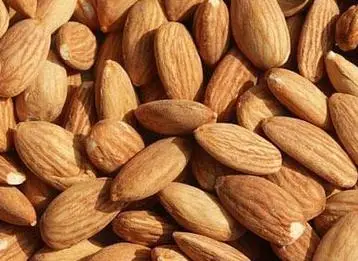
Almond Paste
Sweet apricot seed 15 g, bitter apricot seed 3 g
Soak sweet and bitter apricot seeds in water until soft, peel, and mash. Add to a pot with rice and water, bring to a boil, then simmer into a thick porridge. Alternatively, grind the seeds into powder and mix with boiling water. Serve hot.
Moistens the lung, stops cough, benefits the heart and vessels, and nourishes the skin.
Almond Tofu
Sweet apricot seed 45 g, bitter apricot seed 5 g
Soak sweet and bitter apricot seeds in water several times, then grind into a slurry. Add about 5 g sugar and bring to a boil. Add a little agar or softened agar to help set, cool and chill. Serve with a little rock sugar syrup if desired.
Anticancer, antibacterial, lowers blood sugar, prevents thrombosis, aids digestion, and prevents ulcers.
Bitter Apricot Seed and Pig Lung Porridge
Bitter apricot seed 15 g, rice 100 g, pig lung 100 g, oil, salt, and MSG to taste
Peel the bitter apricot seeds and remove the tips, boil in a pot for 15 minutes, then add washed rice and cook until half done. Add washed, squeezed, and cubed pig lung, and simmer over low heat until porridge is done. Season with oil, salt, and MSG. Take warm once in the morning and once in the evening, one bowl each time.
Moistens the lung and stops cough.
Audio and video语音与视频
Narration · Chinese · 7:34
Latin name · pronunciation
Narration and video are shared by all language versions and are in Chinese; the images and footage themselves are language-independent.
Photographs药材图片
Bitter Apricot Seed (Ku Xing Ren)
Cultivation and authentication栽培与鉴别

3 cultivation notes and 3 authentication articles exist for this herb. They are long-form field material and are published in Chinese only.

Read them in Chinese →

Compiled from public Chinese materia medica sources for study and reference. Not medical advice.
Chinese version · All herbs