White Peony Root (Bai Qian)
Bai Qian
CYNANCHI STAUNTONII RHIZOMA ET RADIX
Nature and flavorPungent, bitter, slightly warm. Enters the Lung meridian.
Meridians enteredLung
Dosage3–10 g
Reference market price¥13 / kgBozhou market · spec common grade · 湖北 · snapshot 2026-11-21
Bai Qian is a traditional Chinese herb used to direct qi downward, resolve phlegm, and relieve cough.
Source药物来源
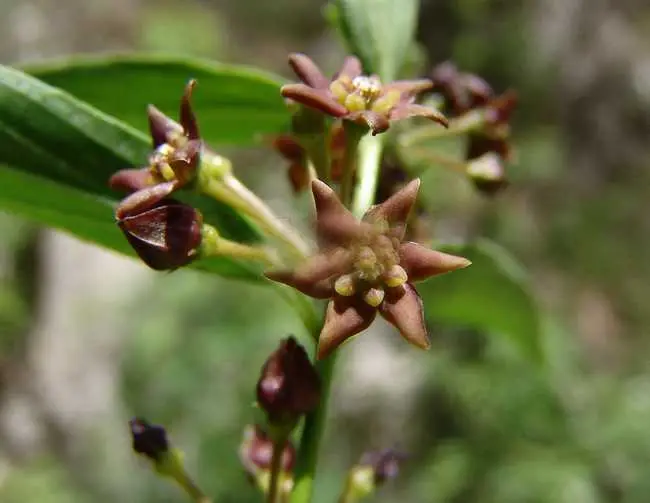
The dried rhizome and root of Cynanchum stauntonii (Decne.) Schltr. ex H. Lév. or Cynanchum glaucescens (Decne.) Hand.-Mazz. (family Asclepiadaceae).
Identification性状特征
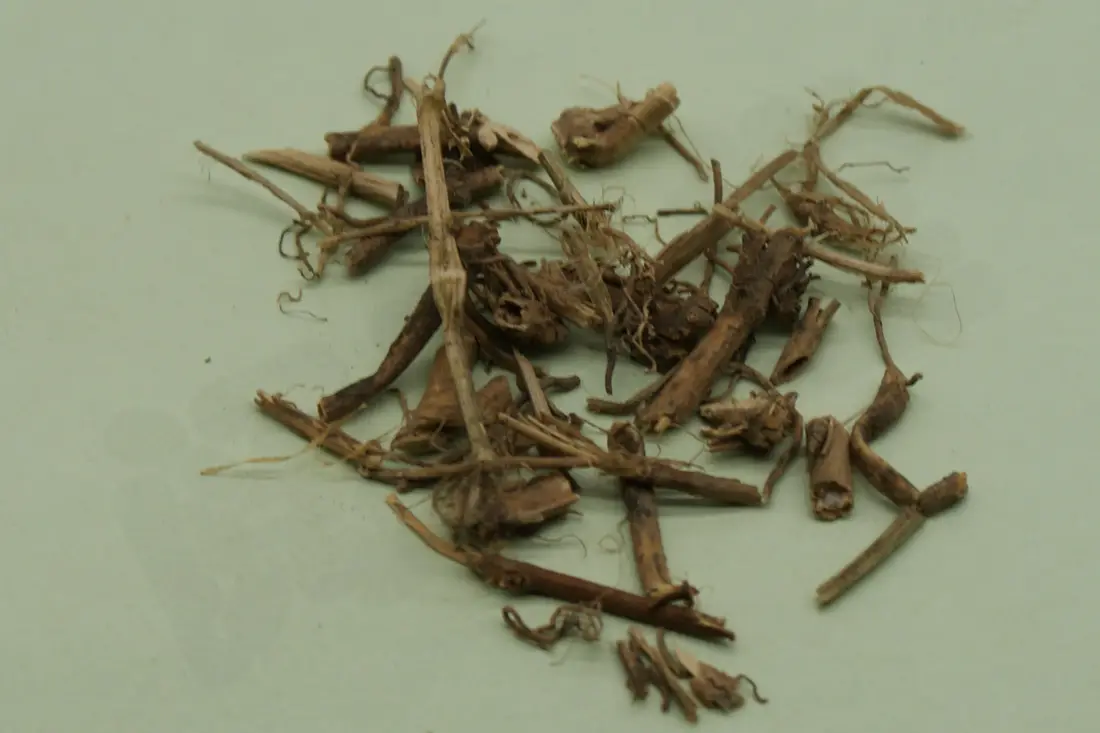
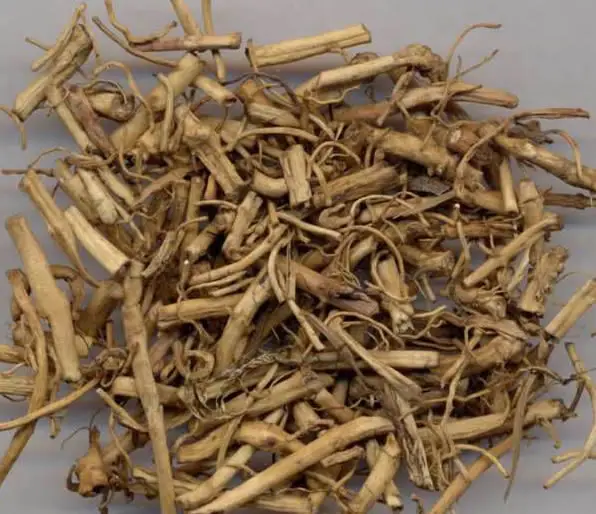
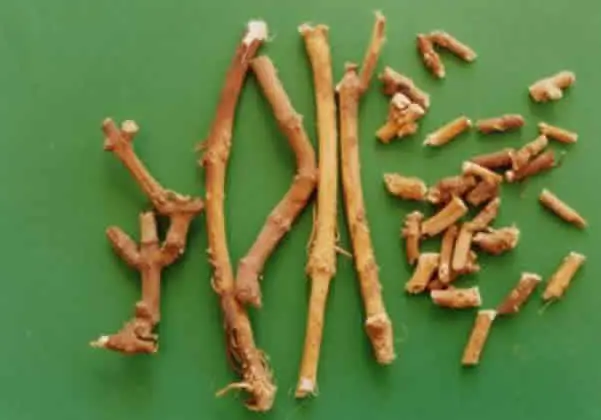
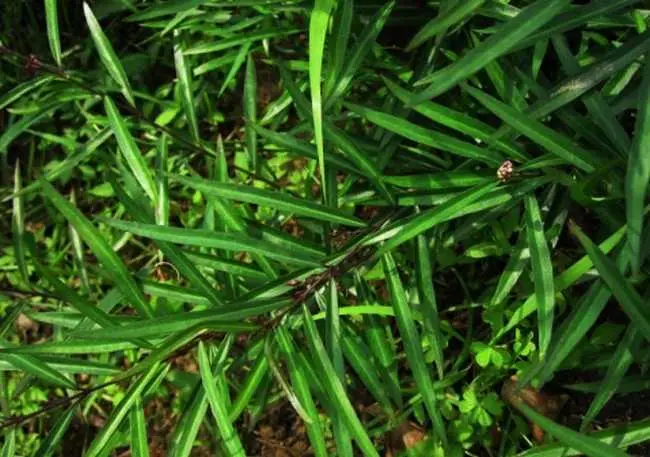
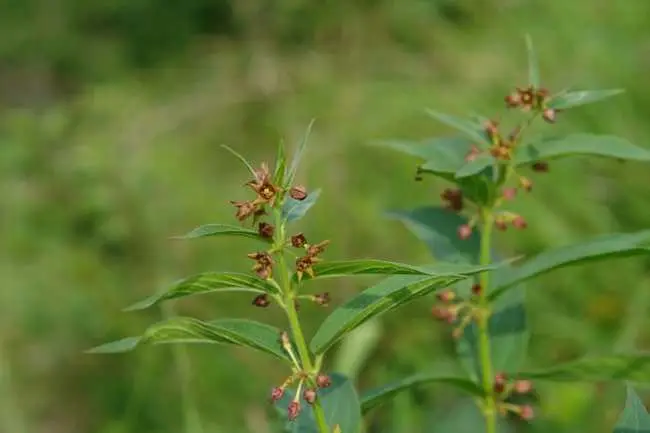
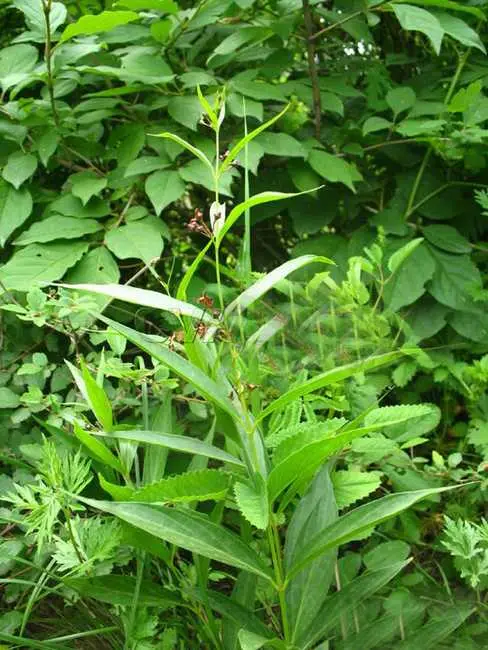
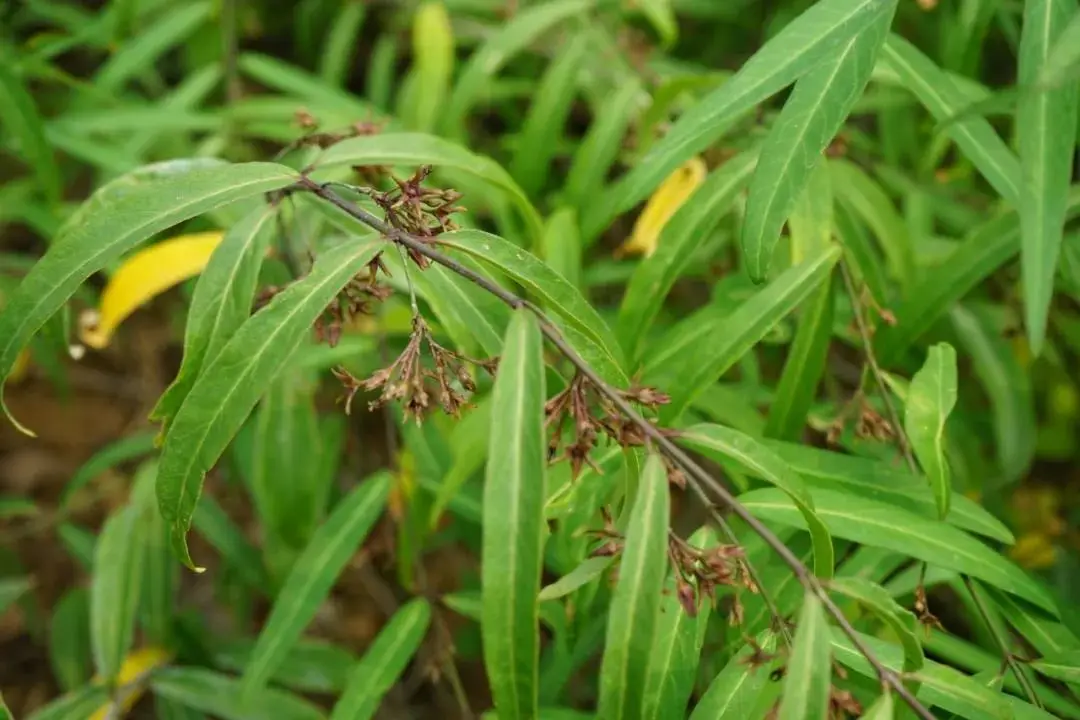
Cynanchum stauntonii: Rhizome slender, cylindrical, branched, slightly curved, 4–15 cm long, 1.5–4 mm in diameter. Surface yellowish-white or yellowish-brown, nodes distinct, internodes 1.5–4.5 cm long, apex with residual stem. Texture brittle; fracture hollow. At nodes, clusters of fine, curved roots up to 10 cm long, less than 1 mm in diameter, repeatedly branched and hair-like, often coiled into clumps. Odor slight; taste slightly sweet.
Cynanchum glaucescens: Rhizome shorter and smaller or somewhat tuberous; surface grayish-green or grayish-yellow, internodes 1–2 cm long. Texture relatively hard. Roots slightly curved, about 1 mm in diameter, few branches.
Properties and actions性味与功效
ActionsResolve phlegm and relieve cough · Direct qi downward
IndicationsUsed for cough with profuse phlegm due to accumulation of excess in the lungs, and for chest fullness with rapid breathing.
CautionUse with caution in cases of deficiency-cold of the spleen and stomach due to its slightly warm and dispersing properties; not for cough due to qi deficiency without excess.
Processing炮制
Bai Qian (raw)Remove impurities, wash, soften thoroughly, cut into segments, and dry.
Honey-fried Bai QianTake clean Bai Qian and stir-fry with honey according to the honey-frying method until it no longer sticks to the hands.
Modern research现代药理
Expectorant, antitussive, and antiasthmatic effectsBai Qian has expectorant, antitussive, and antiasthmatic actions.
Anti-inflammatory effectBai Qian has anti-inflammatory actions.
Classical records历代本草
The Bencao Gangmu (Compendium of Materia Medica) states that Bai Qian is sweet and slightly pungent, enters the Hand Taiyin Lung meridian, and is good at directing qi downward; it is suitable for lung qi congestion with phlegm but contraindicated in deficiency with frequent choking. The Bencao Mengquan notes its use for cough with upward qi, counterflow qi in the chest and hypochondrium, and qi rushing to the throat with a sound like a water fowl. The Kaibao Bencao and Mingyi Bielu also record it for chest and hypochondriac counterflow qi and cough with upward qi. The Bencao Jingshu emphasizes its bitter, sweet, slightly warm nature and its ability to direct qi downward, but warns against use in qi deficiency where qi does not return to its source.《本草纲目》:白前色白而味微辛甘,手太阴经药也。长于降气,肺气壅实而有痰者宜之。若虚而长哽气者,不可用也。仲景治嗽而脉浮,泽漆汤中亦用之,方见《金匮》,药多不录。降气下痰。(又名嗽药)。
《本草蒙筌》:味甘、辛,气微温。无毒。咳嗽上气能降,胸胁逆气堪驱。气壅膈,倒睡不得者殊功;气冲喉,呼吸欲绝者立效。仍治气塞咽嗌,时作水鸡声鸣。故古人气嗽方中,每每用之不遗,亦以其善主一切气也。又有保定肺气,温药佐使尤奇。
《开宝本草》:味甘,微温,无毒。主胸胁逆气,咳嗽上气。
《名医别录》:味甘,微温,无毒。主治胸胁逆气,咳嗽上气。
《本草经疏》:白前感秋之气而得土之冲味,故味甘辛,气微温。苏恭又谓微寒。性无毒,阳中之阴,降也。入手太阴肺家之要药。甘能缘,辛能散,温能下。以其长于下气,故主胸胁逆气,咳嗽上气二病。皆气升气逆,痰随气壅所致,气降则痰自降,能降气则病本立拔矣。微温,微寒,见人参条下。
简误:白前辛温,走散下气之药,性无补益。凡咳逆上气,咳嗽气逆,由于气虚气不归元,而不由于肺气因邪客壅实者,禁用。《深师方》中所主久咳上气,体肿短气胀满,当是有停饮、水湿、湿痰之病乃可用之。病不由于此者,不得轻施。
Folklore本草传说
One year, Hua Tuo was practicing medicine in Henan when he was caught in a heavy rainstorm and stayed at an inn owned by a man named Bai. That night, he heard a child coughing and, as a physician, sensed the cough was severe. He urged the innkeeper to take him to the child. After examining the child, Hua Tuo said a medicinal herb was needed urgently. Despite the heavy rain, he and the child's father searched everywhere and finally found the herb on a bank near the inn. Hua Tuo dug it up, prepared a decoction for the child, and left the leaves as a sample for further use. The child recovered fully. Because the herb was first found near Bai's inn, people named it "Bai Qian".
Cultivation and authentication栽培与鉴别
2 cultivation notes and 6 authentication articles exist for this herb. They are long-form field material and are published in Chinese only.
Read them in Chinese →