Cimicifuga rhizome (Sheng Ma)
Sheng Ma
CIMICIFUGAE RHIZOMA
Nature and flavorPungent, slightly sweet, slightly cold.
Meridians enteredLung, spleen, stomach and large intestine meridians.
Dosage3–10 g.
Reference market price¥70 / kgBozhou market · spec common grade · 内蒙古 · snapshot 2026-11-21
Cimicifuga rhizome (Sheng Ma) is a wind-heat releasing herb that also clears heat and resolves toxicity and raises yang qi.
Source药物来源
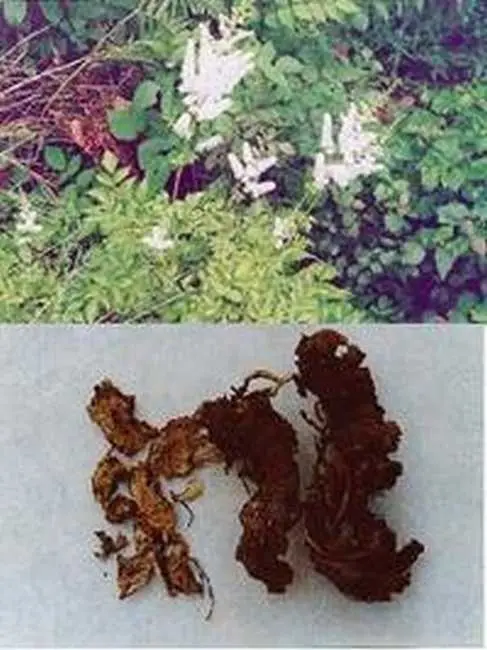
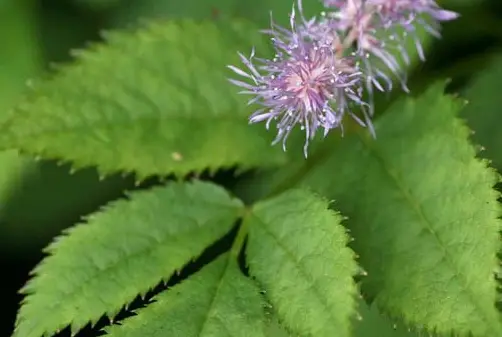
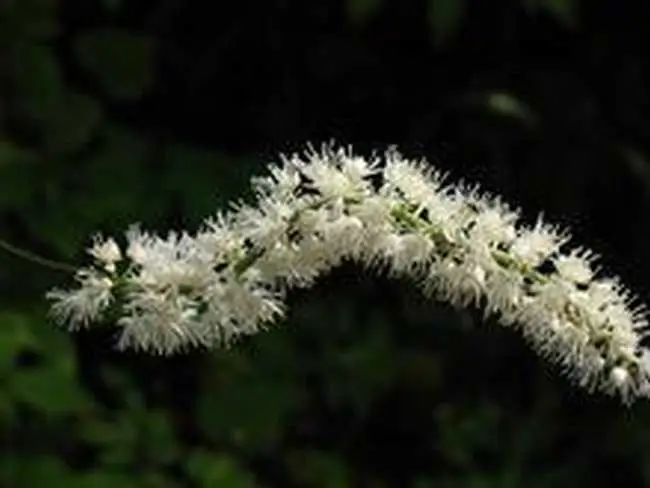
Dried rhizome of Cimicifuga heracleifolia Kom., Cimicifuga dahurica (Turcz.) Maxim., or Cimicifuga foetida L. (Ranunculaceae). Name origin: its leaves resemble hemp (ma) and its nature is to rise, hence the name (Bencao Gangmu).
Identification性状特征
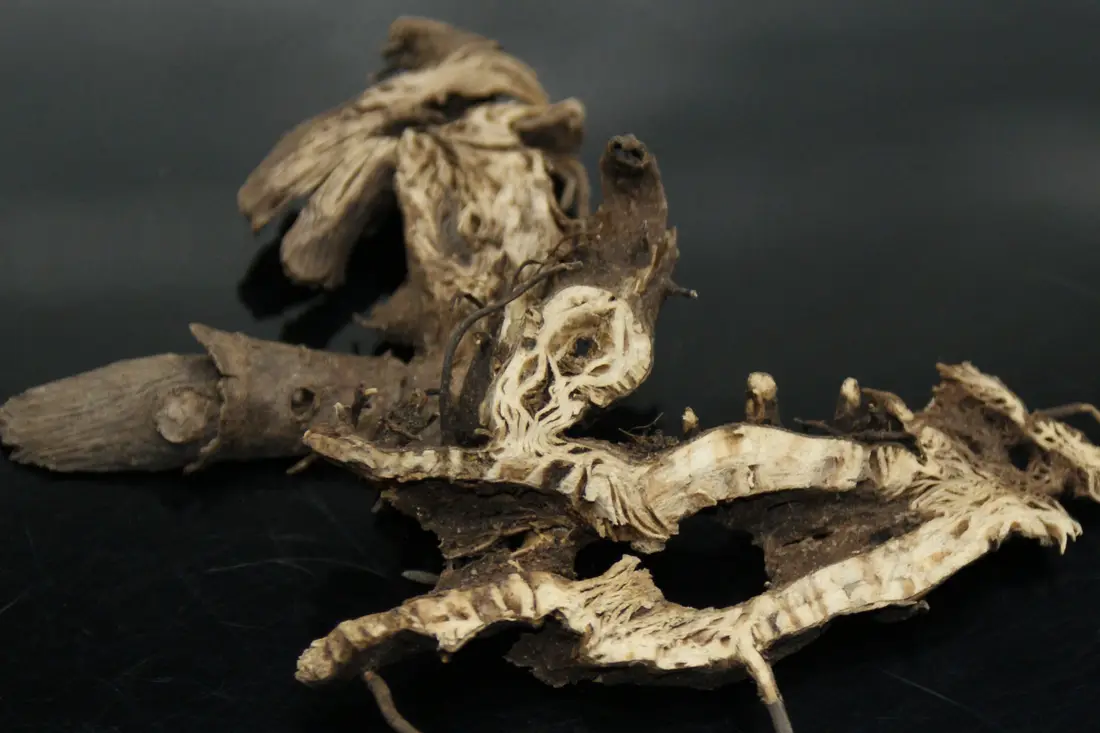
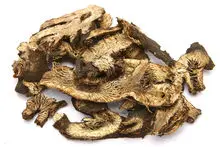
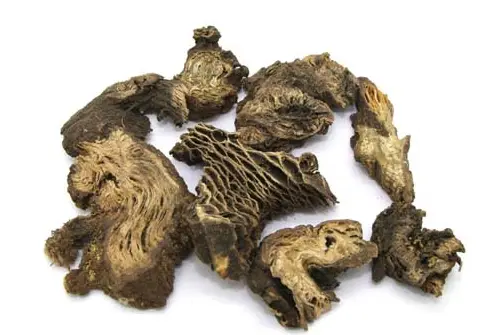
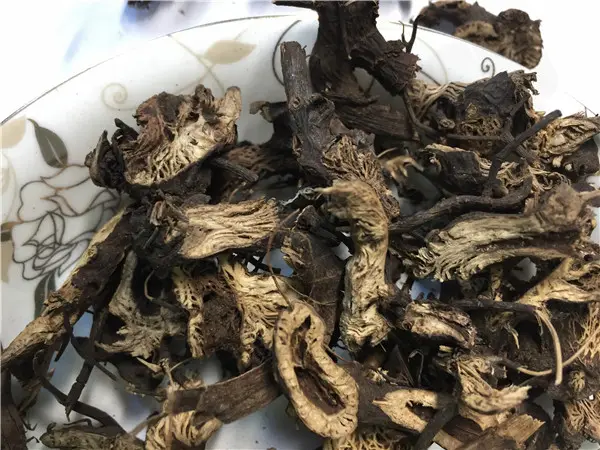
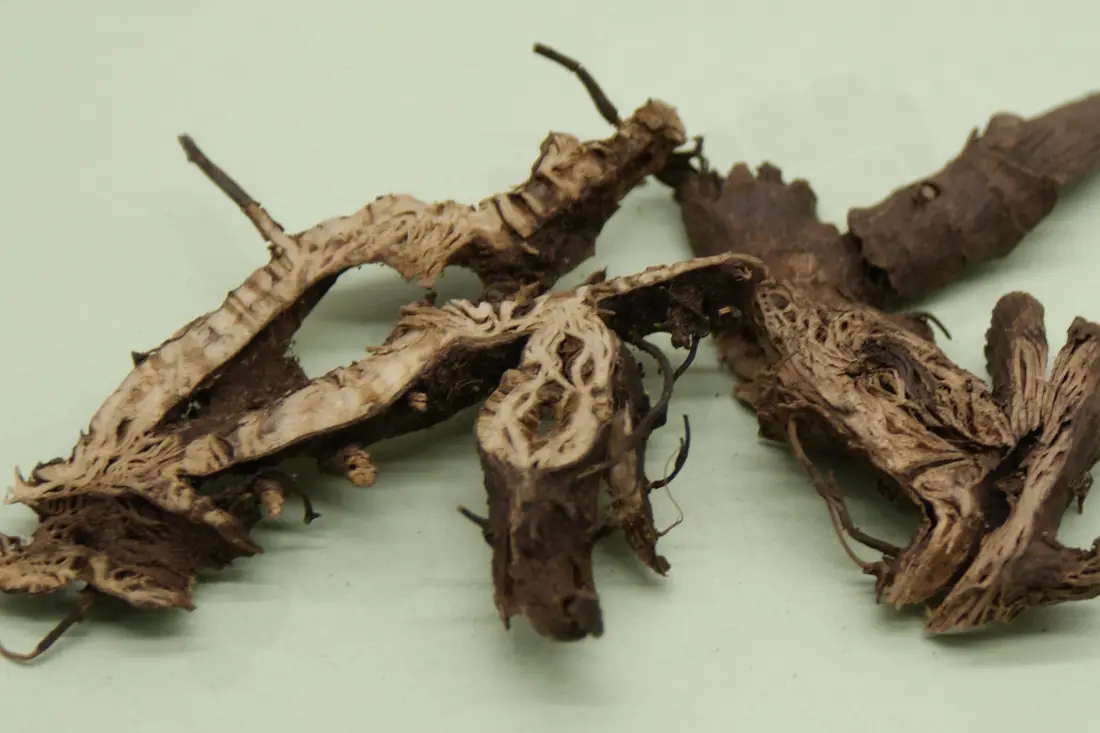
Irregular long lumpy pieces, often branched and nodular, 10–20 cm long, 2–4 cm in diameter. Surface blackish-brown or brownish, rough, with remnants of hard fine rootlets; upper surface shows several round hollow stem scars with reticulate inner walls; lower surface uneven with rootlet scars. Light, hard, difficult to break; fracture uneven, fissured, fibrous, yellow-green or pale yellowish-white. Slight odor; taste slightly bitter and astringent.
Properties and actions性味与功效
ActionsRelease the exterior and promote eruption · Clear heat and resolve toxicity · Raise yang qi
IndicationsUsed for wind-heat headache, toothache, mouth sores, sore throat, incomplete eruption of measles, yang-toxin macules, rectal prolapse, and uterine prolapse.
CautionUse with caution in deficiency-cold of the spleen and stomach; not suitable for patients with yin deficiency or heat due to yin deficiency.
Processing炮制
Sheng Ma (raw)Remove impurities, soak briefly, wash clean, soften thoroughly, cut into thick slices, and dry.
Honey-fried Sheng MaTake clean Sheng Ma, add refined honey diluted with appropriate amount of boiling water, mix well, let stand briefly until honey is absorbed, then stir-fry over gentle heat until yellowish-brown and no longer sticky to the touch; remove and cool.
Modern research现代药理
Central nervous systemCimicifuga has an inhibitory effect on the central nervous system. Extracts of Cimicifuga and Cimicifuga simplex reduce animal activity and lower normal body temperature in rats; they have antipyretic effect on fever induced by typhoid-paratyphoid vaccine in rats and analgesic effect in mice. The extract can antagonize convulsions induced by camphor or strychnine.
Antibacterial actionCimicifuga inhibits the growth of Mycobacterium tuberculosis in vitro and has moderate antibacterial activity against Staphylococcus aureus, Staphylococcus albus and Neisseria catarrhalis. It also inhibits fungi such as Trichophyton schoenleinii, Microsporum audouinii, Trichophyton mentagrophytes and Epidermophyton rubrum in vitro.
Cardiovascular systemCimicifuga inhibits the heart, slows heart rate and lowers blood pressure. Its constituent cimicifugoside has hypotensive effect.
Hepatoprotective effectThe methanol extract and cimigenol xyloside from Cimicifuga inhibit carbon tetrachloride-induced liver injury in animals, reducing hepatocellular degeneration, necrosis and elevation of alanine aminotransferase.
Smooth muscleThe decoction stimulates isolated rabbit uterus and bladder and non-pregnant uterus, and inhibits isolated intestine and pregnant uterus. The constituent cimifugin significantly relaxes guinea pig jejunum and inhibits intestinal spasms induced by acetylcholine chloride, histamine hydrochloride or barium chloride.
Anticoagulant and hemostatic effectsCimicifuga extract prolongs the thrombin clotting time of human fibrinogen in vitro, showing anticoagulant activity. Both before and after charring, it shortens bleeding time and to some extent clotting time, showing hemostatic effect.
Classical records历代本草
Shennong Bencao Jing records it as sweet and neutral, used to resolve various toxins, eliminate pestilential qi and treat gu toxins. Bencao Gangmu notes that Sheng Ma and Chai Hu guide the qi of yang up, and that Sheng Ma guides the clear qi of the yangming and taiyin meridians upward; it is a key herb for guiding other herbs to the spleen and stomach when congenital constitution is weak or when internal damage from overwork, hunger, satiety, or cold foods occurs. It also states that Sheng Ma can resolve smallpox toxin, but should be used with caution after the rash has appeared.《神农本草经》:味甘、平。解百毒,杀百精老物殃鬼,辟温疫、瘴气、邪气、蛊毒。
《本草纲目》:升麻,柴胡,引生发之气上行。同葛根,能发阳明汗。
升麻引阳明清气上行,柴胡引少阳清气上行。此乃禀赋素弱,元气虚馁,乃劳役饥饱生冷内伤,脾胃引经最要药也。升麻葛根汤,乃发散阳明风寒药。余每用治阳气郁遏及元气下陷诸病,时行赤眼,每有殊效。神而明之,方可拘泥乎?一人素饮酒,因寒月哭母受冷,遂病寒中,食无姜、蒜,不能一啜。至夏酷暑,又多饮水,兼怀怫郁。因病右腰一点胀痛,牵引右胁,上至胸口,则必欲卧。发则大便里急后重,频欲登圊,小便长而数,或吞酸,或吐水,或作泻,或阳痿,或厥逆,或得酒少止,或得热稍止。但受寒食寒,或劳役或入房,或怒或饥,即时举发。一止则诸证泯然,如无病人,甚则日发数次。服温脾胜湿、滋补消导诸药,皆微止随发。余思之,此乃饥饱劳逸,内伤元气,清阳陷遏,不能上升所致。遂以升麻葛根汤合四君汤,加柴胡、苍术、黄芪,服后仍饮酒一、二杯以助之,其药入,觉清气上行,胸膈爽快,手足和暖,头目精明,神采迅发,诸证如扫。每发一服即止,神验无比。若减升麻、葛根,或不饮酒,则效便迟。大抵人年五十以后,其气消者多,长者少;降者多,升者少;秋冬之令多,而春夏之令少。若禀受弱而有前诸证者,并宜此药治法治之。《素》:阴精所奉其人寿,阳精所降其人夭。千古之下,窥其奥而阐其微者,张洁古、李东垣二人而见。外此,则著《参同契》、《悟真篇》者,皆与此同也。又升麻能解痘毒,惟初发热时,可用解毒,痘已出后,气弱或泄泻者,亦可少用。其升麻葛根汤,则见斑后必不可用,为其解散也。本草以升麻为解毒,吐蛊毒要药,盖以其为阳明本经药,而性又上升故也。按《范石湖文集》云:李焘为雷州推官,鞫狱得治蛊方:毒上在,用升麻吐之;在腹,用郁金下之,或合二物服之,不吐则下。此方活人甚众也。
消斑疹,行瘀血,治阳陷眩运,胸胁虚痛,久泄下痢,后重遗浊,带下崩中,血淋下血,阴痿足寒。
《本草蒙筌》:味苦、甘,气平、微寒。气味俱薄,浮而升,阳也。无毒。乃足阳明太阴行经之药,凡补脾胃必此引之。若得白芷葱白同煎,又走手经阳明太阴。非此四经,不可用也。解百毒,杀百精殃鬼;释诸瘴,辟诸疫瘟邪。去伤风于皮肤,散发热于肌肉。倘太阳证俱误服,是先引贼寇破家。东垣云:初病太阳证,便服升麻葛根汤,是遗太阳不惟遗经,反引太阳邪气入于阳明不能解也,故曰引贼破家云。务认分明,切勿卤莽。止头痛喉痛齿痛,并中恶腹痛;理口疮疥疮斑疮,及豌豆烂疮。治风肿风痫,疗痈肺痿。故圣药为疮家之号,的药来风家之称。升提元阳,不下陷阴分;挟引诸药,同行达四经。东垣云:引葱白,散手阳胆风邪;引石膏,止阳明齿痛是也。
谟按:仲景《伤寒论》云:瘀血入里,若衄血、吐血者,犀角地黄汤主之。夫犀角,乃阳明圣药也。又曰:如无犀角,代以升麻。其犀角、升麻气味大相远隔,何以代云?不过知升麻亦阳明经药,用
Folklore本草传说
Long ago, in a poor family named Zhao, the mother fell ill with uterine prolapse and became bedridden. Her daughter Qingmei, unable to afford a doctor, posted a notice: whoever could cure her mother would marry her. A poor young herb gatherer dreamed of an immortal saying, 'When the bamboo horse arrives, the wedding candles will be lit.' He searched the mountains and found a brown-black herb called 'bamboo horse', which cured Qingmei's mother. They married happily, and the herb became known as Sheng Ma.
Cultivation and authentication栽培与鉴别
3 cultivation notes and 13 authentication articles exist for this herb. They are long-form field material and are published in Chinese only.
Read them in Chinese →