Drynaria rhizome (Gu Sui Bu)
Gu Sui Bu
DRYNARIAE RHIZOMA
Nature and flavorBitter, warm. Enters the liver and kidney meridians.
Meridians enteredLiver, kidney
Dosage3–9 g
Reference market price¥52 / kgBozhou market · spec common grade · 贵州 · snapshot 2026-11-21
Drynaria rhizome is a traditional Chinese herb used to invigorate blood, relieve pain, and tonify the kidneys.
Source药物来源
The dried rhizome of Drynaria fortunei (Kunze) J.Sm. (family Polypodiaceae).
Identification性状特征
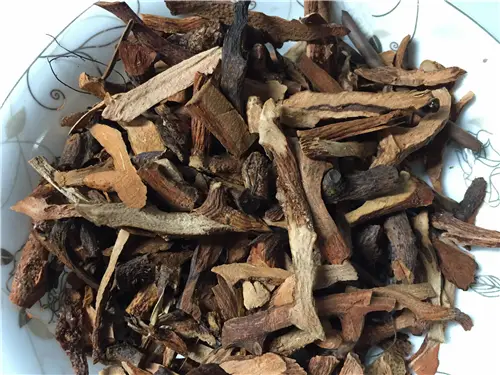
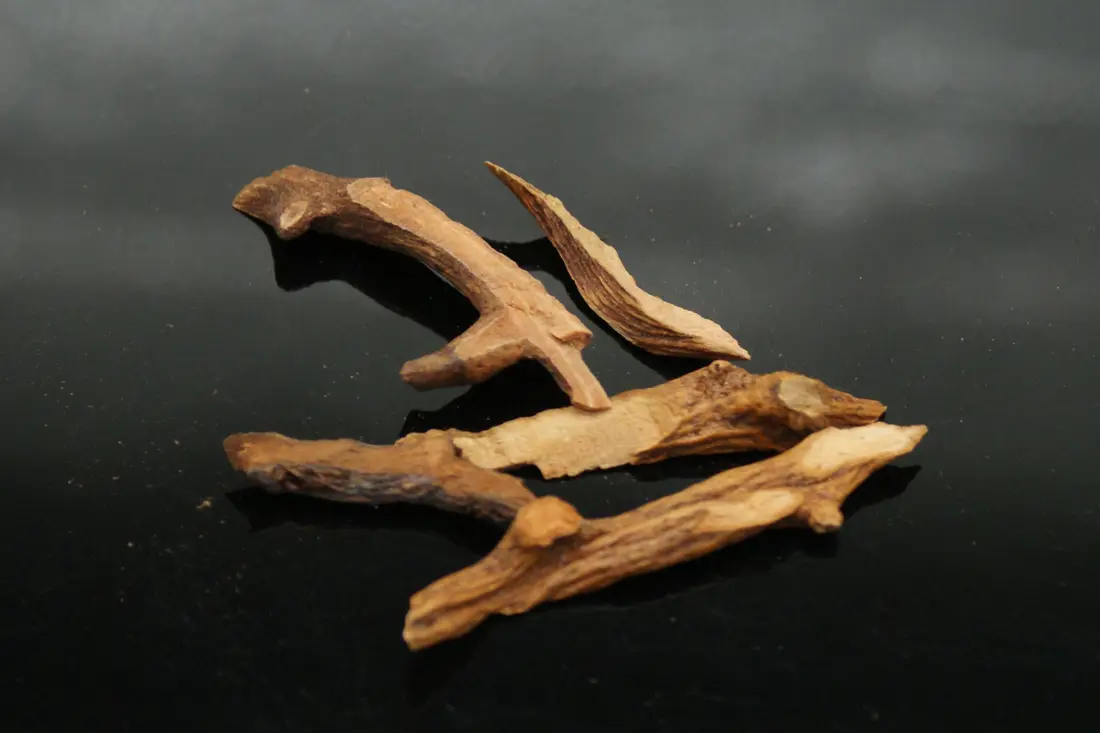
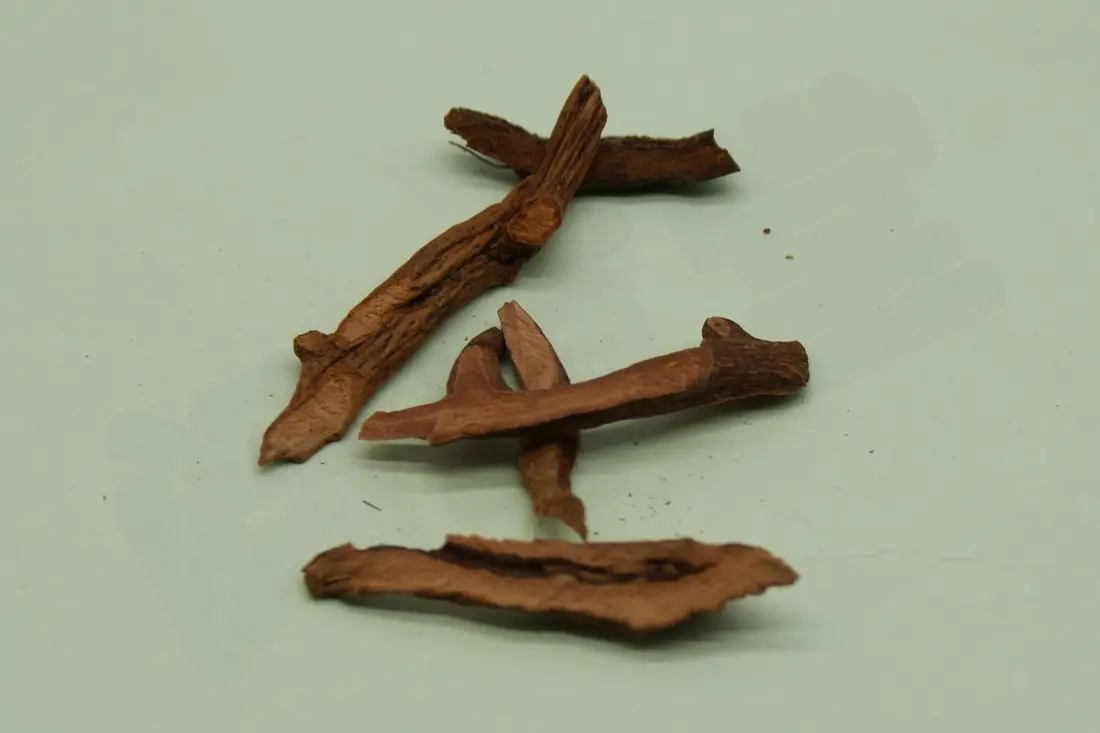
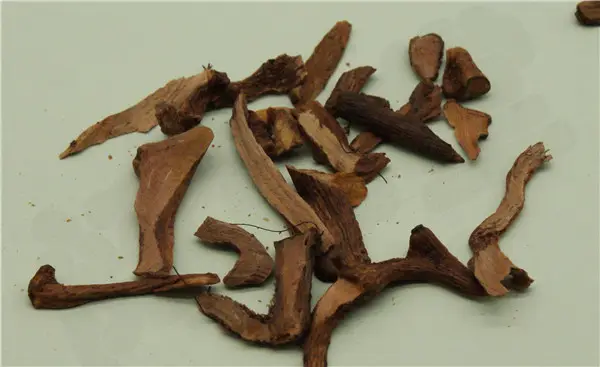
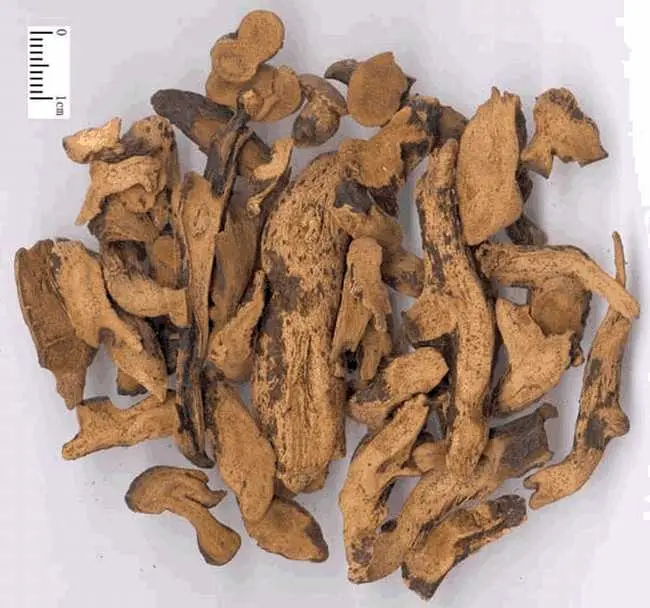
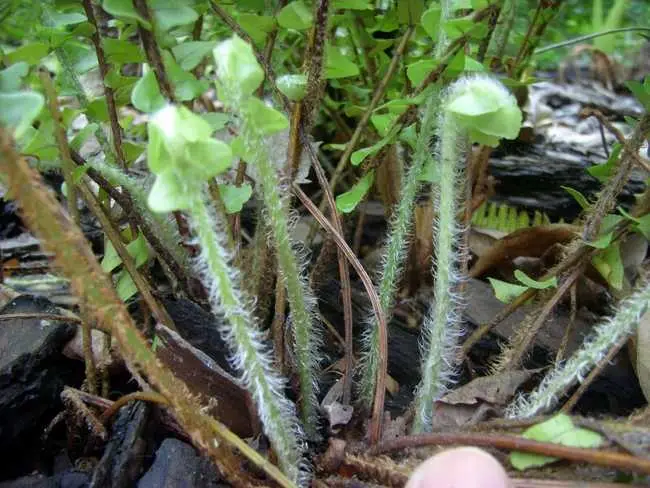
Flat, elongated, often curved, branched, 5–15 cm long, 1–1.5 cm wide, 0.2–0.5 cm thick. Surface densely covered with dark brown to dark brownish small scales, soft like hair; after singeing, brownish or dark brown. Both sides and upper surface have raised or sunken circular leaf scars; a few have leaf stalk remains and fibrous roots. Light, brittle, easily broken; fracture reddish-brown, vascular bundles yellow dotted, arranged in a ring. Slight odor, taste bland, slightly astringent.
Properties and actions性味与功效
ActionsInvigorate blood and resolve blood stasis · Relieve pain · Tonify the kidney and strengthen bones
IndicationsUsed for traumatic injuries, sprains, tendon and bone fractures, kidney deficiency with low back pain, weakness and atrophy of tendons and bones, tinnitus and deafness, loose teeth; topically for alopecia areata and vitiligo.
CautionUse with caution in cases of yin deficiency with heat or in those with stomach heat.
Processing炮制
Drynaria rhizome (raw)Take the raw herb, remove impurities, wash, soften thoroughly, cut into thick slices, and dry.
Sand-fried Drynaria rhizomePlace sand in a preheated wok, heat over high heat until the sand is flexible, add the cleaned Drynaria rhizome, fry until puffed and the hairs are scorched yellow, quickly remove, sift out the sand, cool, and remove the hairs.
Modern research现代药理
NaringinContains naringin as a major constituent.
Classical records历代本草
The Bencao Gangmu (Compendium of Materia Medica) records that Gu Sui Bu enters the kidney meridian and is used for bone and dental disorders, and for chronic diarrhea due to kidney deficiency. The Bencao Mengquan notes its use for fractured bones and blood stasis pain, and mentions its name changed by Emperor Ming of Tang. The Kaibao Bencao lists it as bitter, warm, non-toxic, for breaking blood stasis and stopping bleeding, and for mending fractures.《本草纲目》:骨碎补,足少阴经药也。故能入骨,入牙,及久泄痢。昔有魏刺史子久泄,诸医不效,垂殆。予用此药末入猪肾中煨熟与食,顿住。盖肾主大小便,久泄属肾虚,不可专从脾胃也。《雷公》用此方治耳鸣,耳亦肾之窍也。戴原礼《证治要诀》痢后下虚,不善调养,或远行,或房劳,或外感,致两足痿软,或痛或痹,遂成痢风,宜用独活寄生汤,加虎骨四斤丸,明以骨碎补三分之一,同研取汁,酒解服之。外用杜牛膝、杉木节、萆薢、白芷、南星煎汤,频频熏洗。此亦从肾虚骨痿而治也。
《本草蒙筌》:味苦,气温。无毒。补骨节伤碎,疗风血积疼。破血有功,止血亦效。本名曰胡孙姜,唐明皇以其主折伤甚验,故易名骨碎补也。
《开宝本草》:味苦,温,无毒。主破血,止血,补伤折。
《本草图经》:骨碎补,入妇人血气药。蜀人治闪折筋骨伤损,取根捣筛,煮黄米粥,和裹伤处有效。人药中亦多使。
《药性论》:使,能主骨中毒气,风血疼痛,五劳六极,口手不收,上热下冷,悉能主之。
《药性解》:骨碎补,味苦,性温,无毒,入肾经。主拆伤,补骨碎,去毒风疼痛,固齿牙,疗蚀疮,杀诸虫。
按:骨碎补温而不行,专入肾家,以理骨病,齿者骨之余地,故能固之。又能杀虫者,盖以虫生于湿,今能去毒风而虫之巢穴捣矣,岂能生耶。
Folklore本草传说
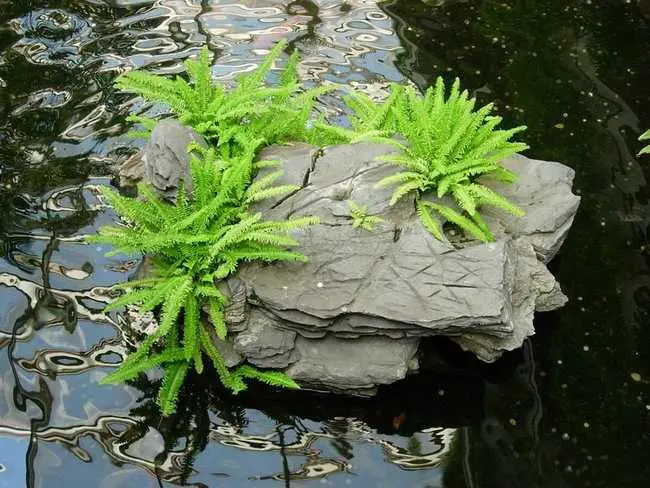
According to the Bencao Gangmu, a governor suffered from chronic diarrhea and was near death; the herb was administered with pig kidney and the condition stopped. Later, Emperor Mingzong of Later Tang was hunting when a leopard frightened his concubine, causing her to fall from her horse and break bones. A guard gathered a herb from the rocks, pounded it, and applied it, immediately stopping the bleeding and pain, and the bone healed. The emperor then named the herb 'Gu Sui Bu' (bone-mending).
Culinary use民间药膳
Pig Tail and Drynaria Rhizome Soup2 pig tails, 20 g each of Drynaria rhizome and Spatholobus stem, appropriate amounts of ginger slices and yellow wine.
Wash and cut pig tails into sections. Put Drynaria rhizome and Spatholobus stem into a gauze bag, place in a clay pot, add 60 ml of water, bring to a boil, add ginger slices, yellow wine, and salt, simmer until tender, remove the herb bag, add MSG, and mix well.
.
Cultivation and authentication栽培与鉴别
1 cultivation notes and 4 authentication articles exist for this herb. They are long-form field material and are published in Chinese only.
Read them in Chinese →