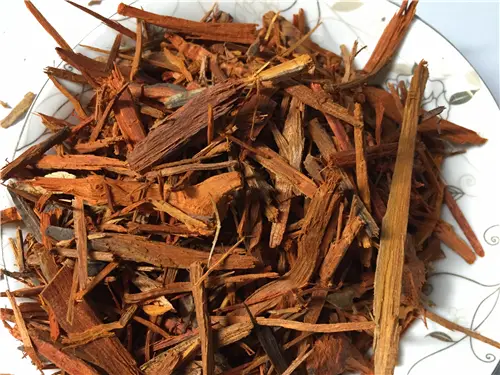
Sappan wood (Su Mu)
Su Mu
SAPPAN LIGNUM
Nature and flavorSweet, salty, neutral. Enters heart, liver, and spleen meridians.
Meridians enteredHeart, liver, spleen
Dosage3–9 g
Reference market price¥12 / kgBozhou market · spec common grade · 广东 · snapshot 2026-11-21
Sappan Wood is a traditional herb used to invigorate blood, resolve blood stasis, and relieve pain.
Source药物来源
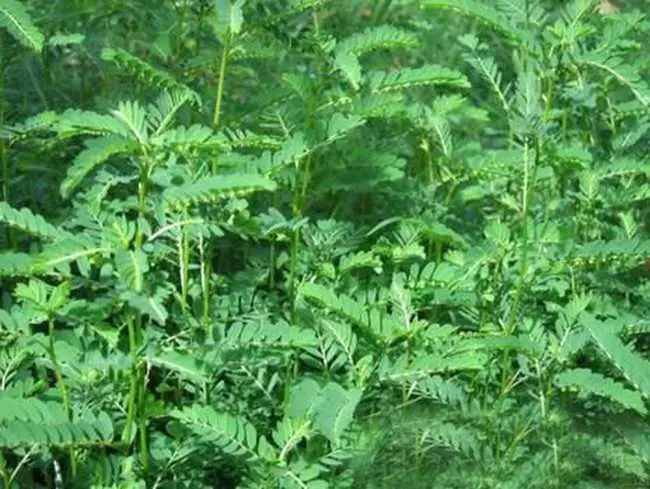
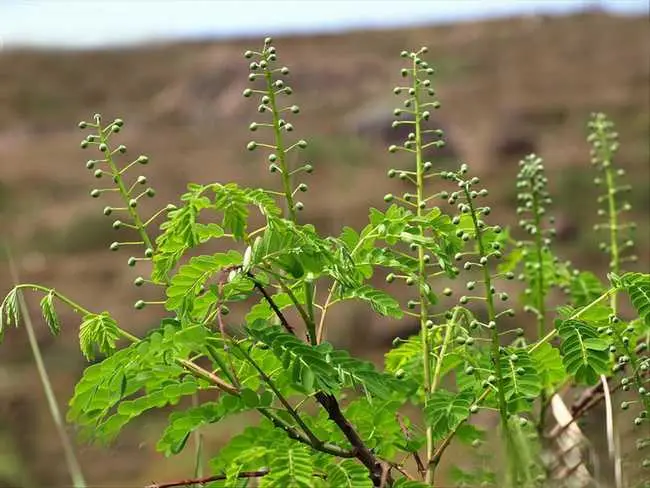
The dried heartwood of Caesalpinia sappan L. (Fabaceae).
Identification性状特征
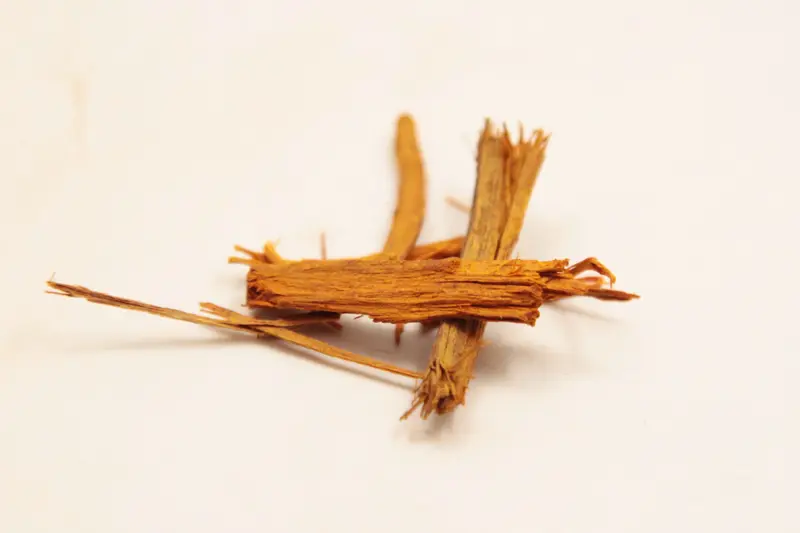
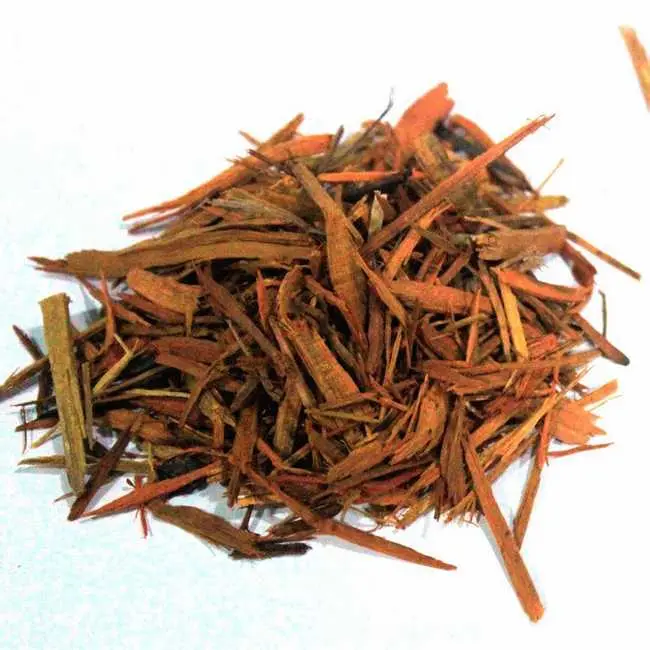
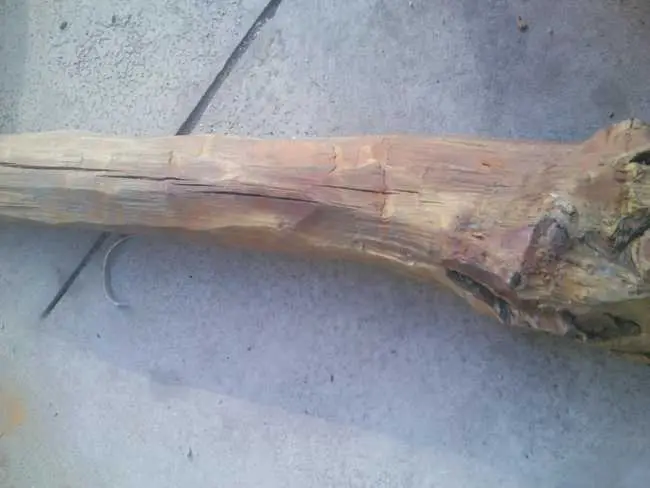
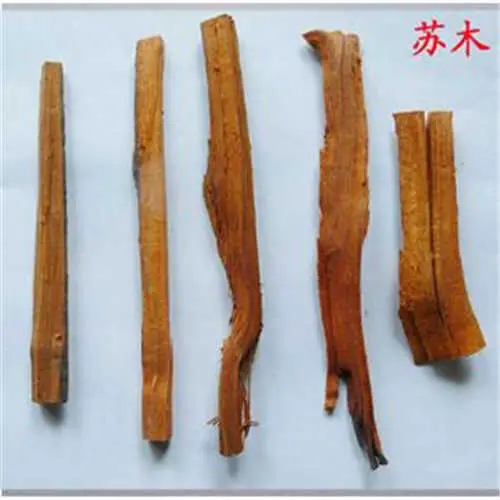
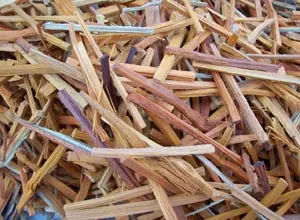
Long cylindrical or split semi-cylindrical pieces, 10–100 cm long, 3–12 cm in diameter. Surface yellow-red to brown-red, with knife marks and longitudinal cracks. Hard; fracture somewhat lustrous, annual rings distinct, sometimes dark brown, loose pith with shining stars visible. Slight odor, slightly astringent taste.
Properties and actions性味与功效
Actions
Invigorate blood and resolve blood stasis · Reduce swelling and relieve pain
Indications
Used for traumatic injuries, fractures and tendon injuries, pain and swelling due to blood stasis, amenorrhea and dysmenorrhea, postpartum blood stasis, prickling pain in the chest and abdomen, and carbuncles with swelling and pain.
Dosage
3–9 g.
Caution
Contraindicated in cases of blood deficiency with abdominal pain after postpartum lochia has cleared. Use with caution in individuals with blood deficiency.
Processing炮制
Raw
Sawed into pieces about 3 cm long, then split into slices or crushed into coarse powder.
Modern research现代药理
Anti-inflammatory
Brazilin has anti-inflammatory effects.
Improves microcirculation
Sappan wood can increase coronary blood flow and improve microcirculation. Its decoction and brazilin can enhance the contractility of isolated frog hearts.
Anti-platelet aggregation
Experiments show that both brazilin and hematoxylin have anti-platelet aggregation effects.
Sedative-hypnotic
Sappan wood has sedative and hypnotic effects.
Classical records历代本草
According to ancient texts such as Bencao Gangmu, Sappan wood is a blood-stage herb for the three yin meridians; small doses harmonize blood, large doses break blood stasis. Bencao Mengquan notes its sweet, salty, neutral nature, entering the blood to promote circulation and dispel stagnation, making it essential for postpartum women.
《本草纲目》:苏木乃三阴经血分药,少用则和血,多用则破血。
《本草蒙筌》:味甘、咸,气平。可升可降,阳中之阴。无毒。入药惟取中心,煎酒专行积血。女科资通月水,产后败血立除。外科仗散肿痈,跌扑死血即逐。同防风散表里风气,调乳香治口噤风邪。
《汤液本草》:气平,味甘、咸。甘而酸、辛,性平。甘胜于酸、辛,阳中之阴,无毒。
《本草拾遗》:寒。主霍乱呕逆,及人常呕吐,用水煎服之,破血当以酒煮为良。
《本草经疏》:苏木禀水土之气以生,故其味甘咸,气平无毒。好古加辛。降多于升,阳中阴也。入足厥阴,兼入手少阴,足阳明经。凡积血,与夫产后血胀闷欲死,无非心肝二经为病。此药咸主入血,辛能走散,败浊瘀积之血行,则二经清宁,而诸证自愈。日华子主妇人血气心腹痛,月候不调,及蓐劳,排脓止痛,消痈肿,扑损瘀血,女人失音血噤。《海药》主虚劳,血癖,气壅滞,产后恶露不净,心腹搅痛,及经络不通。悉取其入血行血,辛咸消散,亦兼有软坚润下之功,故能祛一切凝滞留结之血,妇人产后,尤为所须耳。
简误:产后恶露已尽,由血虚腹痛者,不宜用。
Audio and video语音与视频
Narration · Chinese · 7:34
Latin name · pronunciation
Photographs药材图片
Cultivation and authentication栽培与鉴别
1 cultivation notes and 3 authentication articles exist for this herb. They are long-form field material and are published in Chinese only.
Compiled from public Chinese materia medica sources for study and reference. Not medical advice.
Chinese version · All herbs
Chinese version · All herbs