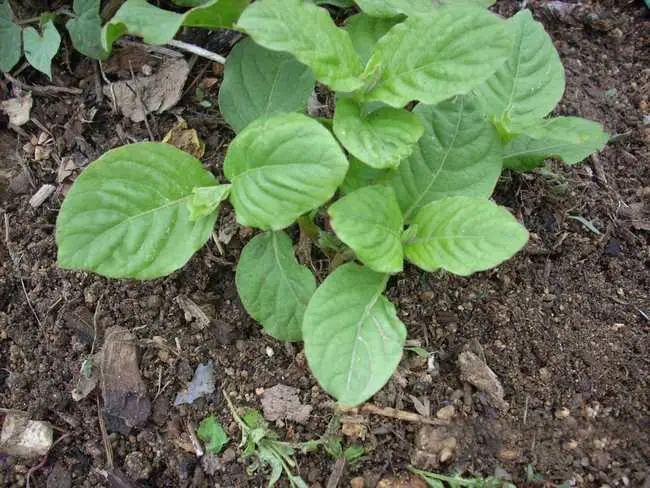
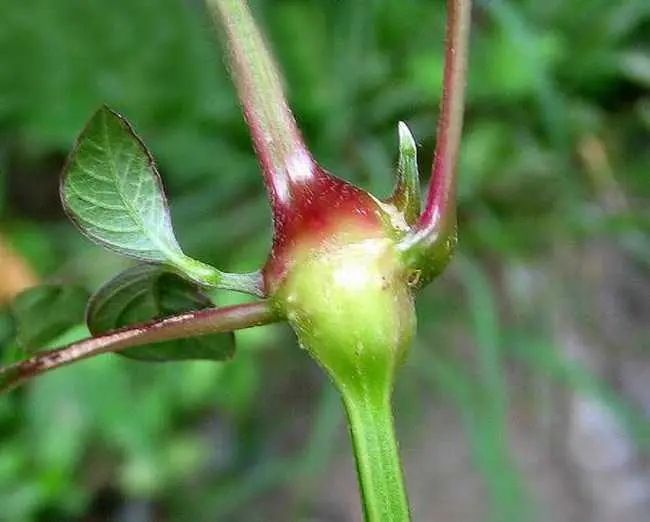
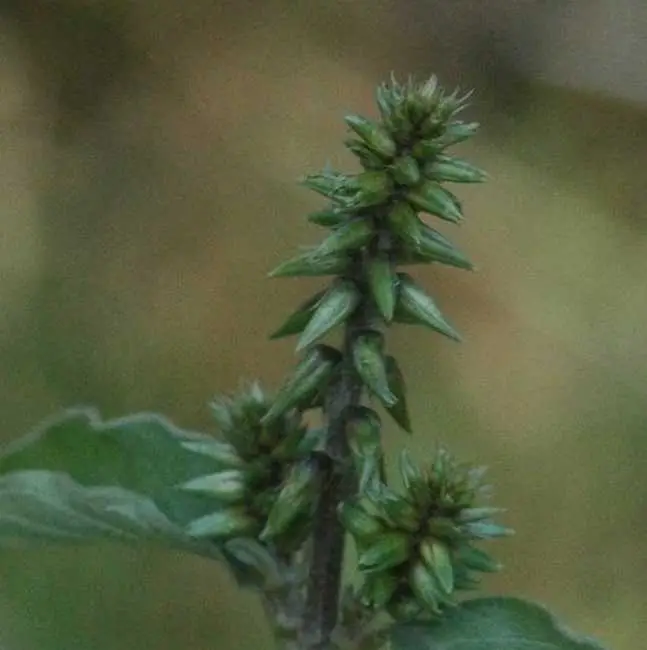
Achyranthes Root (Niu Xi)Materia Medica

Achyranthes Root (Niu Xi)

Niu Xi
ACHYRANTHIS BIDENTATAE RADIX
Nature and flavorBitter, sweet, sour; neutral. Enters liver and kidney meridians.
Meridians enteredLiver, kidney
Dosage5–12 g
Reference market price¥15 / kgBozhou market · spec 二肥 · 河南 · snapshot 2026-11-21

Achyranthes root is a traditional Chinese medicine used to invigorate blood, tonify the liver and kidneys, and strengthen bones and tendons.

Source药物来源

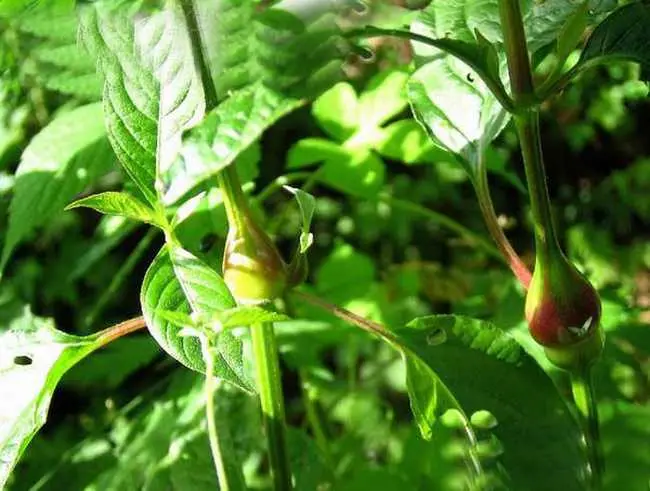
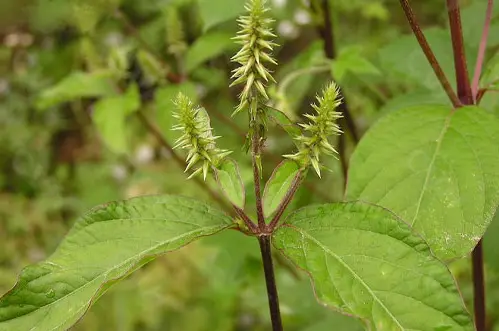
The dried root of Achyranthes bidentata Bl. (family Amaranthaceae).

Identification性状特征

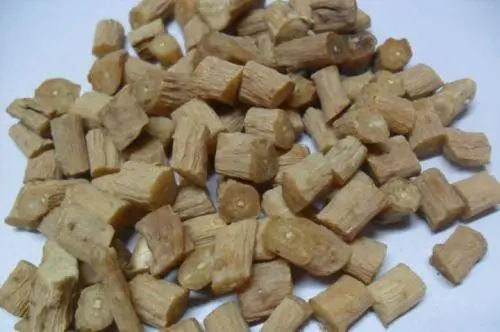
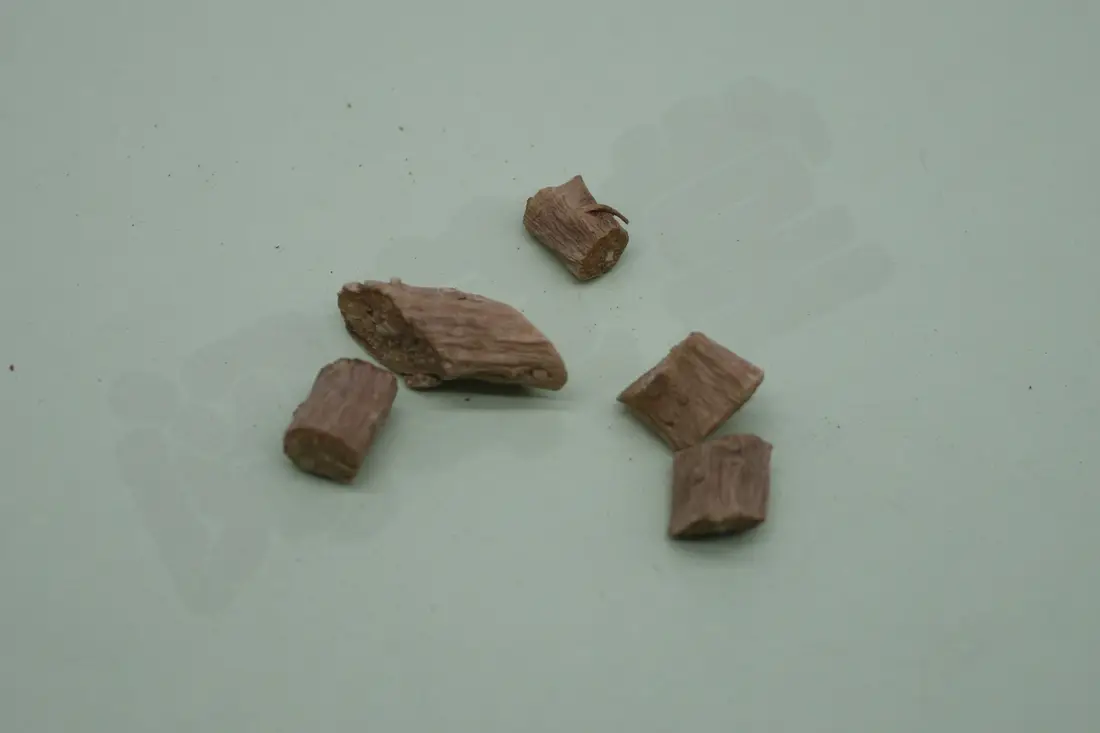
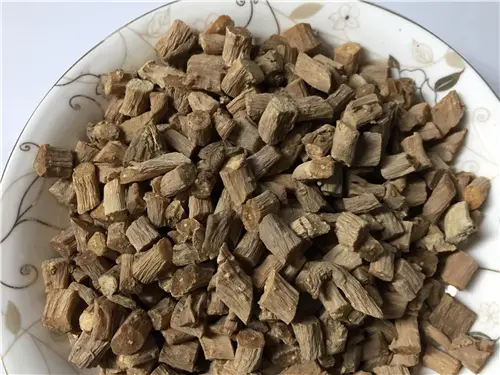
The drug is slender cylindrical, straight or slightly curved, 15–70 cm long, 0.4–1 cm in diameter. Surface grayish-yellow or pale brown, with slightly twisted fine longitudinal wrinkles, sparsely arranged lateral root scars, and transversely elongated lenticel-like protrusions. Texture hard and brittle, easily broken; softens when damp. Fracture smooth, pale brown, slightly horny and oily, with a relatively large yellowish-white xylem in the center, surrounded by numerous yellowish-white dotted vascular bundles arranged discontinuously in 2–4 rings. Odor slight; taste slightly sweet and slightly bitter-astringent.

Properties and actions性味与功效
Actions
Invigorate blood and resolve stasis · Tonify liver and kidney, strengthen bones and tendons · Promote urination and treat strangury · Guide blood downward
Indications
Used for amenorrhea, dysmenorrhea, aching pain of the waist and knees, weakness of bones and tendons, strangury, edema, headache, dizziness, toothache, mouth sores, hematemesis, and epistaxis.
Dosage
5–12 g.
Caution
Contraindicated in pregnancy and in cases of excessive menstrual bleeding. Use with caution in patients with deficiency-cold of the spleen and stomach.
Processing炮制
Achyranthes Root (raw)
Remove impurities, wash, moisten thoroughly, remove root head, cut into sections, and sun-dry.
Wine-processed Achyranthes Root
Mix clean Achyranthes root sections with a measured amount of yellow wine, moisten briefly, and stir-fry over gentle heat until dry. Use 10 kg of yellow wine per 100 kg of root sections.
Salt-processed Achyranthes Root
Mix clean Achyranthes root sections with a measured amount of salt water, moisten, and stir-fry over gentle heat until dry. Use 2 kg of table salt per 100 kg of root sections.
Modern research现代药理
Cardiovascular effects
The alcohol extract and decoction inhibit the heart and lower blood pressure. A mixture of two alkaloids from the whole plant of Achyranthes aspera stimulates the heart.
Anticoagulant and blood-invigorating effects
Achyranthes root has anticoagulant and blood-invigorating effects.
Effects on smooth muscle
Total saponins excite uterine smooth muscle. The drug also excites intestinal smooth muscle.
Anti-inflammatory and anti-swelling effects
A 200% extract of the root has strong anti-inflammatory and anti-swelling effects.
Analgesic effect
The decoction has an analgesic effect, with the strongest effect from the Henan product (Huai Niu Xi).
Protein synthesis promotion
Ecdysterone in Achyranthes root strongly promotes protein synthesis.
Antifertility effects
Total saponins (250 mg/kg) show significant antifertility, anti-implantation, and anti-early-pregnancy effects. At 50 mg/kg, the antifertility effect is 100%.
Diuretic effect
The decoction or alcohol extract has a mild diuretic effect.
Hypoglycemic effect
Ecdysterone from Achyranthes root lowers blood glucose.
Classical records历代本草
The Shennong Bencao Jing records its use for cold-dampness and arthralgia, and to expel blood stasis. The Bencao Gangmu notes that with wine it tonifies liver and kidney, while used raw it removes bad blood, and explains its indications accordingly.
《神农本草经》:味苦。主治寒湿痿痹,四肢拘挛,膝痛不可屈伸,逐血气,伤热火烂,堕胎。 《本草纲目》:牛膝乃足厥阴、少阴之药,所主之病,大抵得酒则补肝肾,生用则去恶血,二者而已。其治腰膝骨痛,足痿阴消,失溺久疟,伤中少气诸病,非取其补肝肾之功欤?其徵瘕心腹诸痛,痈肿恶疮,金疮折伤喉齿、淋痛尿血,经候胎产诸病,非取其去恶血之功欤?《经验方》:得九江守王南强书云:老人久苦淋疾,百药不效。偶见《集要方》中用牛膝者,服之而愈。又叶朝议亲人患血淋,流下小便在盆内凝如,久而有变如鼠形,但无足耳。百治不效。一村医用牛膝煎浓汁,日饮五服,名地髓汤,虽未即愈,而血色渐淡,久乃复旧。后十年病又作,服之以瘥。因检本草,见《肘后方》治小便不利,茎中痛欲死,用牛膝并叶,以酒煮服之。今再拈出,表其神功。杨士瀛《直指方》云:小便淋痛,或尿血,或砂石胀痛,用川牛膝一两,水二盏,煎一盏,温服。一妇患此十年,服之得效。或入麝、乳香尤良。治久疟寒热,五淋尿血,茎中痛,下痢,喉痹口疮齿痛,痈肿恶疮伤折。 《本草蒙筌》:味苦、酸,气平,无毒。善理一身虚羸,能助十二经脉。主手足寒湿痿痹,大筋拘挛;理膀胱气化迟难,小便短少。补中续绝,益阴壮阳。填髓除腰膝酸疼,滑血滋须发乌黑。竹木刺入肉,嚼烂厚罨;老疟久弗痊,单煎连服。卒得不识恶毒,捣生根敷上即瘥;尿管涩痛几危,煮浓酒饮下立愈。治女人血癥血瘕,月水行迟;疗产妇血晕血虚,儿枕痛甚。同麝香堕胎甚捷,牡牛膝一两、麝香一钱,捣细,蜡搓成长条,插阴户内即堕。此诸药下走如奔。故凡病在腰腿胻踝之间,必兼用之而勿缺也。 《开宝本草》:味苦、酸,平,无毒。疗伤中少气,男子阴消,老人失溺,补中续绝,填骨髓,除脑中痛及腰脊痛,妇人月水不痛,血结,益精,利阴气,止发白。 《名医别录》:味酸,平,无毒。主伤中少气,男子阴消,老人失溺,补中续绝,填骨髓,除脑中痛及腰脊痛,妇人月水不通,血结,益精,利阴气,止发白。
Culinary use民间药膳
Boiled Black Beans with Herbs
Prepared Polygonum multiflorum 24 g, goji berry 24 g, raw Rehmannia 12 g, prepared Rehmannia 12 g, angelica 12 g, fried Eucommia 12 g, Achyranthes root 12 g, chrysanthemum 3 g, licorice 3 g, Ligusticum wallichii 3 g, tangerine peel 3 g, Atractylodes macrocephala 3 g, white peony 3 g, Moutan cortex 3 g, astragalus 6 g, salt 18 g, black beans 500 g.
Boil all herbs with black beans until well cooked, then sun-dry. Remove herbs and eat the black beans as a snack, about 30–50 g daily.
Darkens hair, strengthens teeth, and brightens eyes. Suitable for blood-deficiency white hair, dizziness, palpitations, and pale complexion, lips, and nails.
Seven Treasures Beard Beautifying Eggs
Prepared Polygonum multiflorum 90 g, Poria cocos 60 g, Huai Achyranthes root 30 g, angelica 30 g, goji berry 30 g, Cuscuta chinensis 30 g, Psoralea corylifolia 40 g, fresh eggs 10, star anise 6 g, cinnamon 6 g, tea leaves 3 g, scallion, ginger, salt, sugar, soy sauce as needed.
Place all ingredients in a clay pot with water. Bring to a boil over high heat, then simmer for 10 minutes. Remove eggs, shell them, and return to the pot; simmer for another 20 minutes. Eat 2–3 eggs daily. The brine can be reused 3–4 times with fresh eggs, keeping refrigerated and seasoning each time.
Tonifies liver and kidney, darkens hair, and strengthens bones. Suitable for premature graying, hair loss, or dry hair due to liver-kidney deficiency.
Morinda and Achyranthes Wine
Morinda officinalis 100 g, Huai Achyranthes root 100 g, white liquor 1500 g.
Soak both herbs in the liquor. Take 15–30 ml each morning and evening.
Tonifies kidney yang, replenishes essence and blood, and strengthens bones and tendons.
Achyranthes Compound Wine
Achyranthes root 120 g, Salvia miltiorrhiza 60 g, Eucommia 60 g, raw Rehmannia 60 g, Dendrobium 60 g, good white liquor 1500 g.
Crush the five herbs, place in a porcelain jar, add liquor, seal, and steep for 7 days. Strain and store. Take 30 ml, 1–2 times daily.
Invigorates blood and unblocks collaterals, tonifies kidney and strengthens bones. For joint stiffness, bone and tendon pain, muscle soreness, and kidney-deficiency low back pain.
Gastrodia and Uncaria Drink
Uncaria (added later) 12 g, Chuan Achyranthes root 12 g, abalone shell 18 g (pre-decocted), gardenia 9 g, astragalus 9 g, gastrodia 9 g, Eucommia 9 g, Leonurus 9 g, mistletoe 9 g, Polygonum multiflorum stem 9 g, Poria cocos 9 g.
Decoct all ingredients in water and take orally.
Pacifies liver and extinguishes wind, clears heat and invigorates blood, tonifies liver and kidney. For headache or dizziness, insomnia due to liver-yang hyperactivity; may be used for hypertension or acute cerebrovascular disease with these patterns.
Stewed Pig Trotters with Chuan Achyranthes
Chuan Achyranthes root, pig trotters, yellow wine, salt, MSG, pepper.
Clean pig trotters, cut into pieces, and stew with Achyranthes root in 500 ml water in a double boiler until tender. Remove Achyranthes root and consume the meat and soup.
Chuan Achyranthes root invigorates blood, dispels wind-dampness, tonifies liver and kidney, strengthens tendons and bones, and promotes urination. Pig trotters tonify weakness and kidney essence. Together they strongly tonify kidney and strengthen the body.
Eucommia and Achyranthes Pig Trotter Soup
1 pig trotter, Eucommia 30 g, Achyranthes root 15 g.
1. Clean and chop pig trotter. 2. Wash Eucommia and Achyranthes. 3. Put all in a pot with water, bring to a boil, then simmer for 2–3 hours. Season and serve.
Tonifies liver and kidney, invigorates blood and resolves stasis. Pig trotters are rich in collagen; Eucommia tonifies liver and kidney, strengthens bones, and lowers blood pressure; Achyranthes tonifies liver and kidney, invigorates blood, and guides blood downward.
Acanthopanax Wine
Acanthopanax root bark 60 g, glutinous rice 1000 g, sweet wine starter as needed (some recipes add angelica, Achyranthes, and Sanguisorba).
Wash Acanthopanax, scrape off outer bark, decoct to obtain a concentrated juice, and brew wine with the juice, rice, and starter. Drink in moderation.
Dispels wind-dampness, tonifies liver and kidney, and relieves arthralgia.
Audio and video语音与视频
Narration · Chinese · 7:34
Latin name · pronunciation
Narration and video are shared by all language versions and are in Chinese; the images and footage themselves are language-independent.
Photographs药材图片
Achyranthes Root (Niu Xi)
Cultivation and authentication栽培与鉴别

15 cultivation notes and 10 authentication articles exist for this herb. They are long-form field material and are published in Chinese only.

Read them in Chinese →

Compiled from public Chinese materia medica sources for study and reference. Not medical advice.
Chinese version · All herbs