Trogopterus Dung (Wu Ling Zhi)
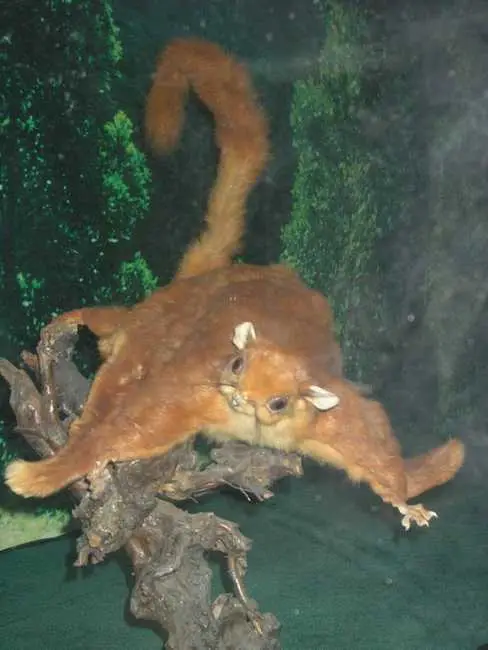
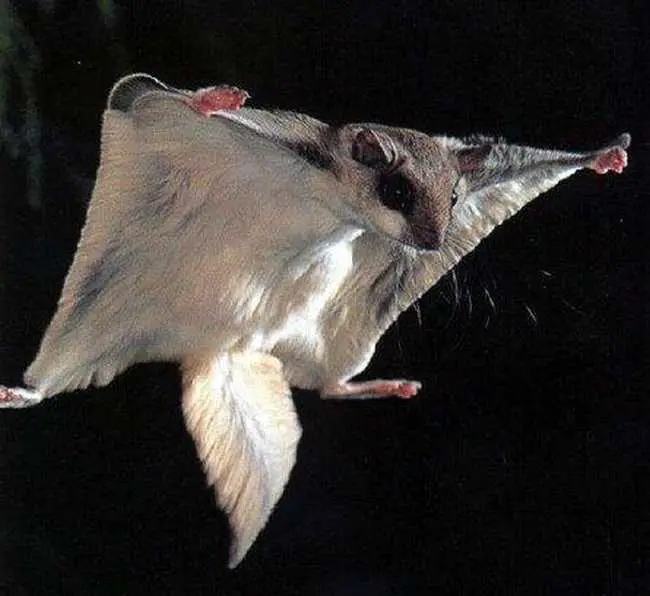
Wu Ling Zhi, the dried feces of the flying squirrel, is a well-known blood-invigorating and pain-relieving herb in traditional Chinese medicine.
The dried feces of Trogopterus xanthipes Milne-Edwards (family Pteromyidae) or Pteromys volans L. (family Pteromyidae).
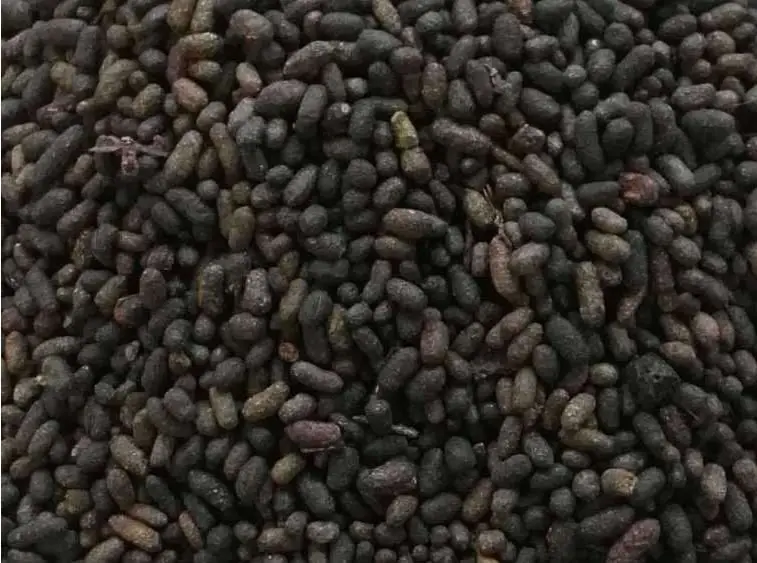
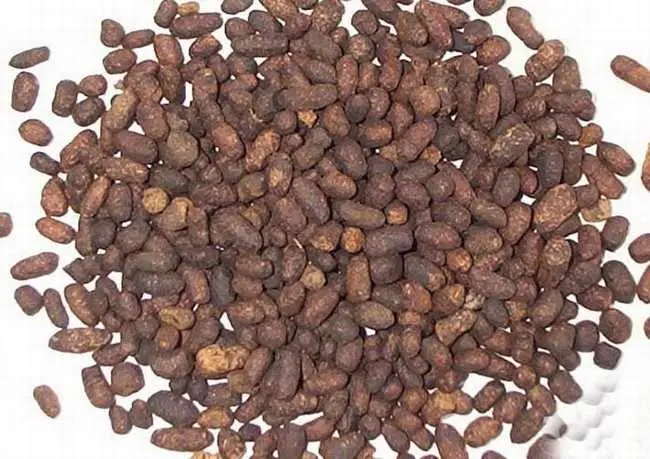
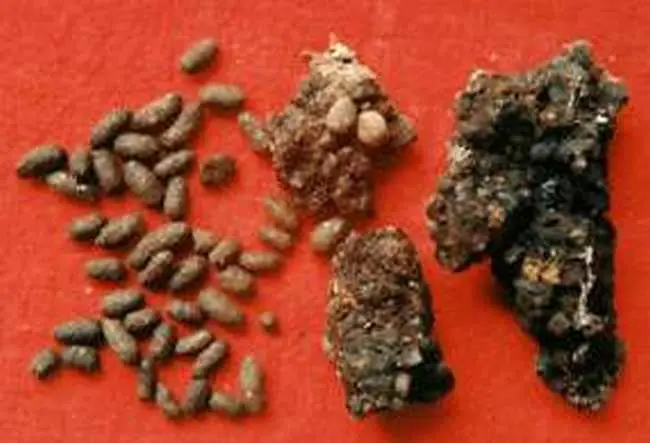
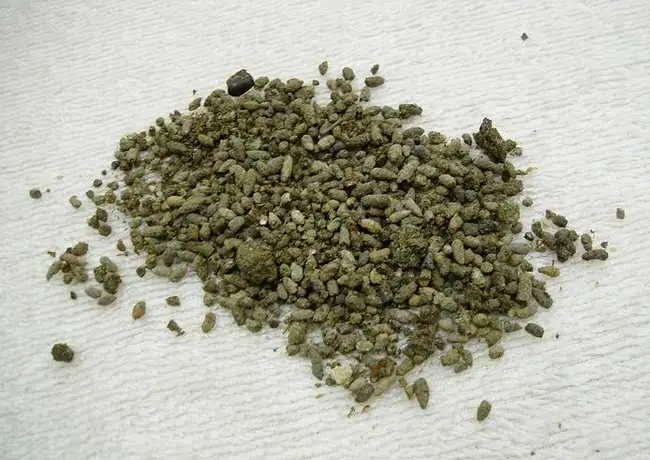
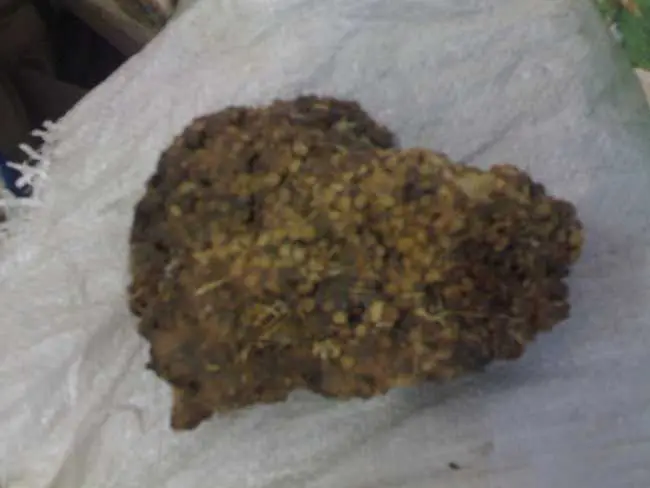
1. Lingzhi Kuai (sugar lingzhi): irregular lumps formed by concretion of many fecal pellets, varying in size. Surface blackish-brown, yellowish-brown, reddish-brown, or grayish-brown, uneven, some with an oily luster; fecal pellets are elongated cylindrical, surface often fractured, fibrous. Light in weight, relatively hard but easily broken, fracture uneven, showing indistinct pellet shapes, sometimes fibrous. Odor fishy and foul, taste bitter. Best if in lumps, blackish-brown, lustrous, oily, and free from impurities. 2. Lingzhi Mi (scattered lingzhi): elongated elliptical cylindrical, with blunt rounded ends, 5–15 mm long, 3–6 mm in diameter. Surface blackish-brown, relatively smooth with slight roughness, often with light-colored spots, some lustrous. Light and loose, easily broken, fracture yellow, yellowish-green, or blackish-brown, fibrous. Odor weak, taste slightly bitter and salty.
0 cultivation notes and 8 authentication articles exist for this herb. They are long-form field material and are published in Chinese only.
Chinese version · All herbs