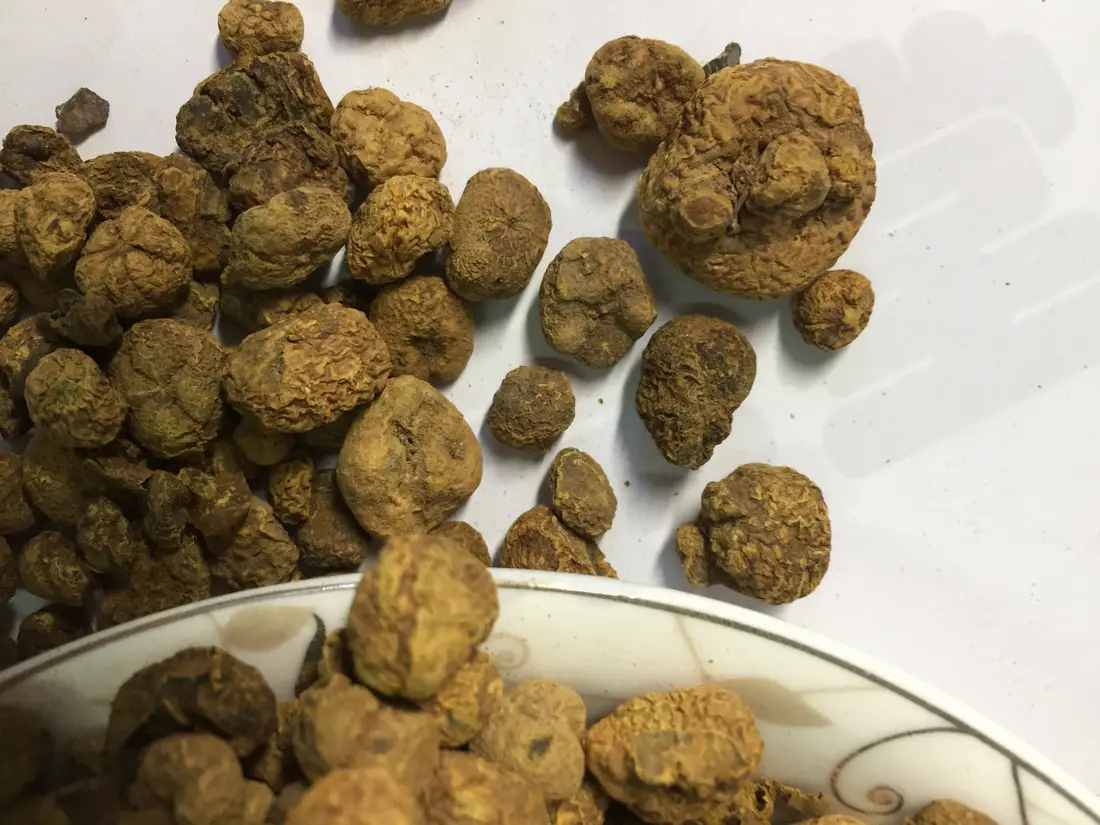
Corydalis Rhizoma (Yan Hu Suo)
Yan Hu Suo
CORYDALIS RHIZOMA
Nature and flavorPungent, bitter, warm. Enters the Liver and Spleen meridians.
Meridians enteredLiver and Spleen
Dosage3–10 g; ground into powder and swallowed, 1.5–3 g per dose.
Reference market price¥52 / kgBozhou market · spec common grade · 浙江 · snapshot 2026-11-21
Corydalis Rhizoma (Yan Hu Suo) is a warm, pungent and bitter herb used to invigorate blood, promote qi movement, and relieve pain.
Source药物来源
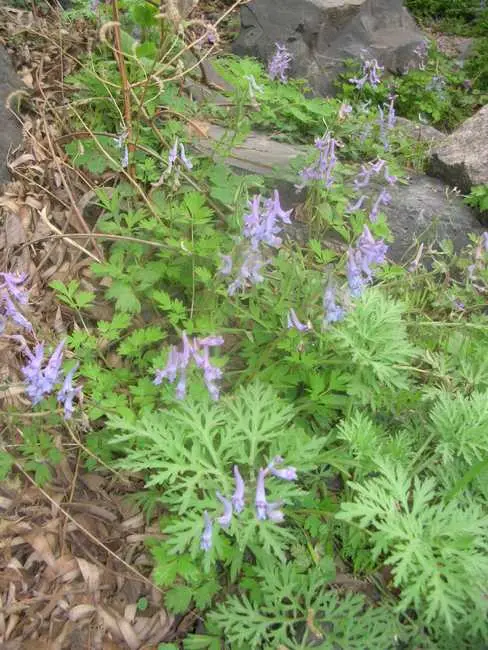
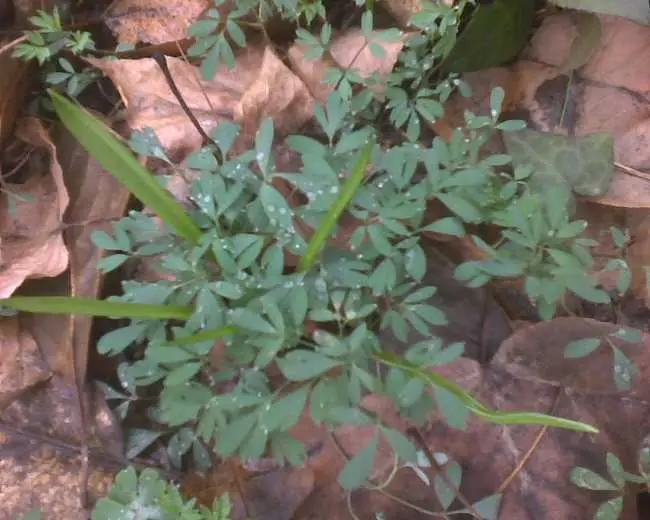
The dried tuber of Corydalis yanhusuo W.T.Wang (family Papaveraceae).
Identification性状特征
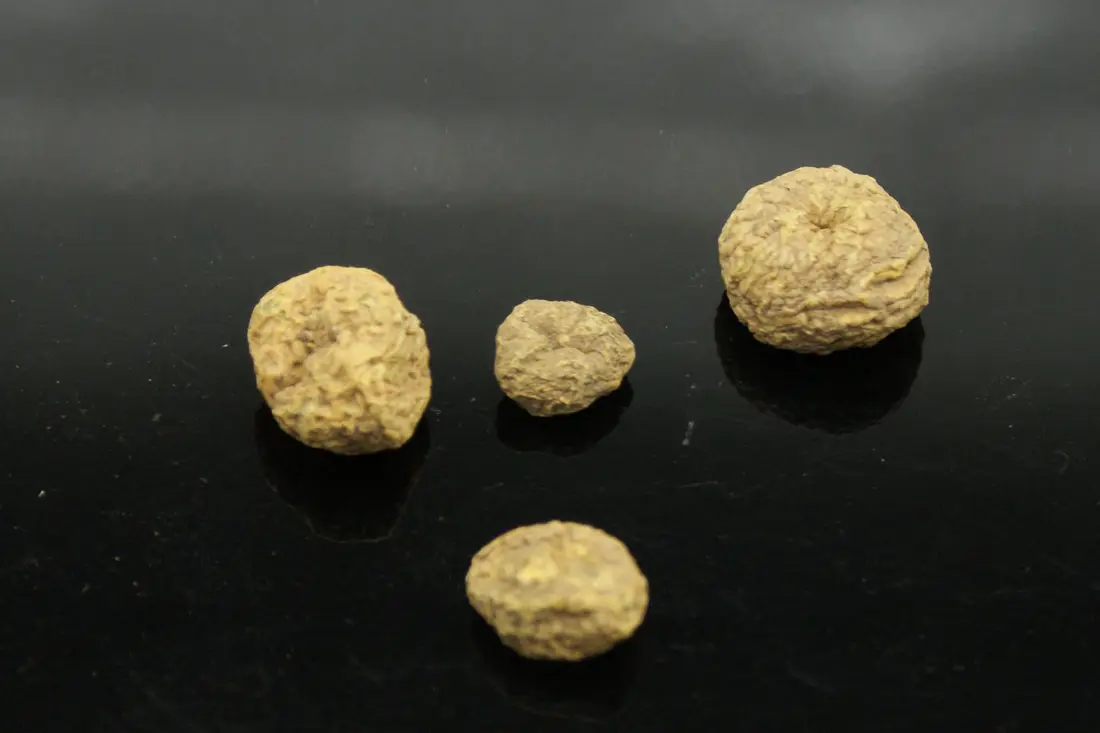
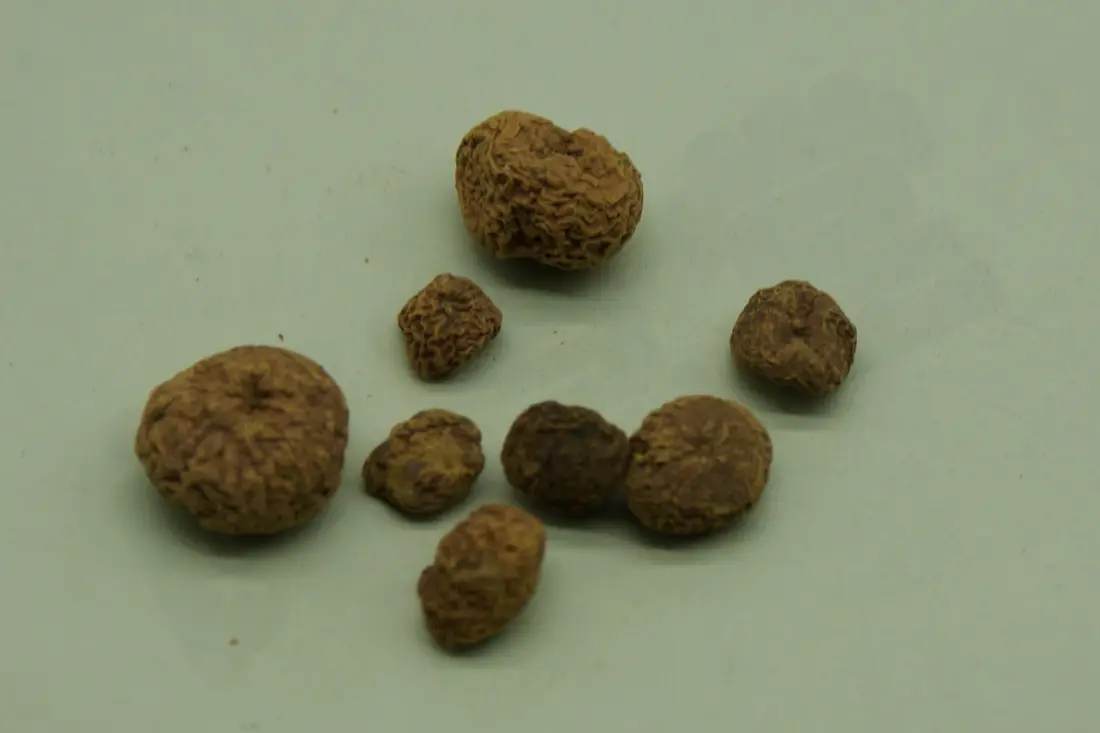
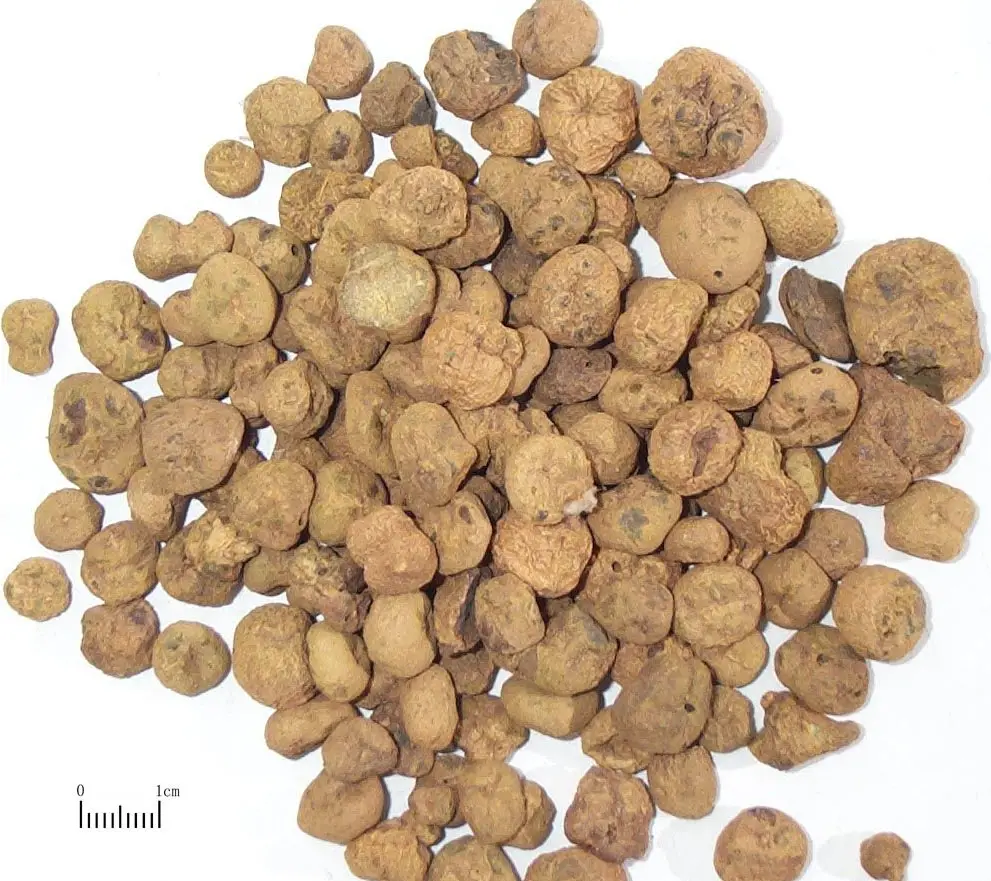
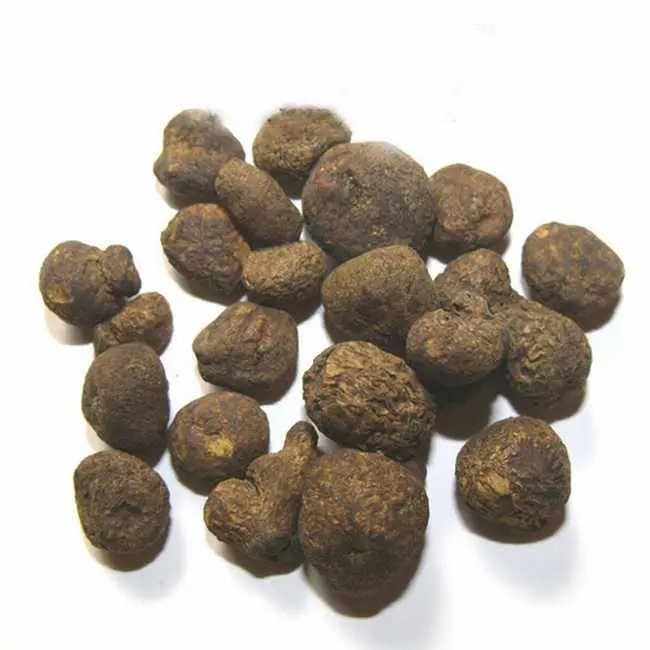
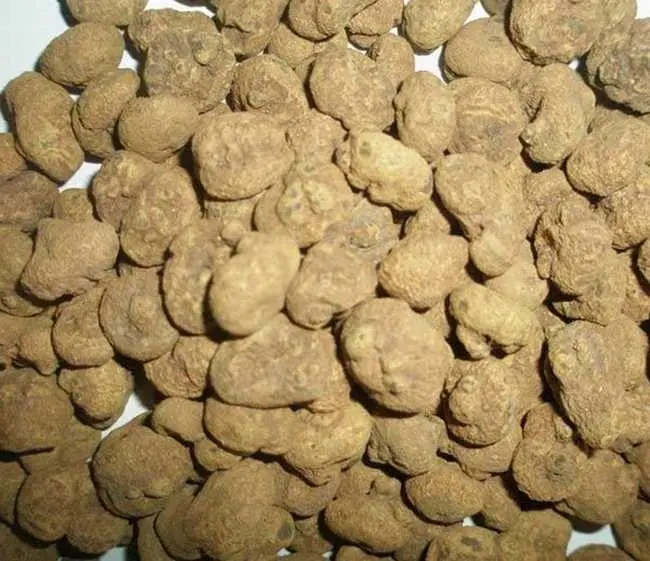
Irregular flattened spheres, 0.5–1.5 cm in diameter. Surface yellow or yellowish-brown, with irregular reticulate wrinkles. Apex with a slightly depressed stem scar, base often with knot-like protrusions. Hard and brittle; fracture yellow, horny, with a waxy luster. Slight odor; taste bitter.
Properties and actions性味与功效
Actions
Invigorate blood · Promote qi movement · Relieve pain
Indications
Used for pain in the chest and hypochondria, epigastrium and abdomen; chest impediment and heart pain; amenorrhea and dysmenorrhea; postpartum blood stasis; traumatic swelling and pain.
Dosage
3–10 g; ground into powder and swallowed, 1.5–3 g per dose.
Caution
Use with caution in cases of yin deficiency with heat or in pregnant women.
Processing炮制
Corydalis Rhizoma (raw)
Take the raw crude drug, separate by size, wash, soak briefly, moisten thoroughly, slice into thick pieces, and dry. Or crush before use.
Vinegar-processed Corydalis Rhizoma
Take clean Corydalis Rhizoma or slices, mix evenly with a measured amount of rice vinegar, cover and moisten until the vinegar is absorbed, then place in a frying container, heat over gentle fire until dry, take out and cool. Sift out debris. Use 20 kg rice vinegar per 100 kg Corydalis Rhizoma. (Extended processing: take clean Corydalis Rhizoma, add a measured amount of rice vinegar and appropriate amount of water, place in a boiling container, heat over gentle fire until thoroughly cooked. When the vinegar liquid is absorbed, take out, air-dry until 60% dry, slice into thick pieces, sun-dry. Sift out debris; or crush after drying. Use 20 kg rice vinegar per 100 kg Corydalis Rhizoma.)
Wine-processed Corydalis Rhizoma
Take Corydalis Rhizoma slices, mix evenly with a measured amount of yellow rice wine, cover and moisten until the wine is absorbed, then place in a frying container, heat over gentle fire until dry, take out and cool. Sift out debris. Use 15 kg yellow rice wine per 100 kg Corydalis Rhizoma slices.
Modern research现代药理
Cardiac effects
Tetrahydropalmatine has a bidirectional regulatory effect on the heart, first exciting then inhibiting. Corydalis alkaloids inhibit heart rhythm.
Coronary and myocardial effects
Total alkaloids of Corydalis, Corydalis macrophyllum, or alcohol extracts of Corydalis all dilate coronary arteries, increase coronary blood flow, and have anti-myocardial infarction effects.
Anti-arrhythmic effect
Total alkaloids of Corydalis have a significant protective effect against arrhythmias.
Sedative and analgesic effects
Tetrahydropalmatine has significant sedative, hypnotic, and tranquilizing effects. Corydalis powder and corydaline, tetrahydropalmatine, and protopine all have analgesic effects. Tetrahydropalmatine has mild central antiemetic and hypothermic effects.
Gastric ulcer effects
Total alkaloids of Corydalis inhibit various types of gastric ulcers. Tetrahydropalmatine, corydaline, and dehydrocorydaline can inhibit gastric acid secretion.
Hypoxia and adrenal effects
Tetrahydropalmatine has protective effects against normobaric and hypobaric hypoxia, and promotes pituitary-adrenal secretion.
Classical records历代本草
The Bencao Gangmu records that Corydalis Rhizoma acts on qi stagnation in blood and blood stagnation in qi, and is specifically used for various pains throughout the body. It also cites cases of epigastric pain and dysentery relieved by Corydalis. The Bencao Mengquan notes its use for regulating menstruation, postpartum blood rushing, and traumatic bleeding. The Kaibao Bencao mentions its use for breaking blood stasis and postpartum blood-related disorders. The Haiyao Bencao describes its use for kidney qi and postpartum lochia. The Bencao Shiyi states it stops heart pain when taken with wine.
《本草纲目》:延胡索,味苦微辛,气温,入手足太阴,厥阴四经,能行血中气滞,气中血滞,故专治一身上下诸痛,用之中的,妙不可言,荆穆王妃胡氏,因食荞麦面着怒,遂病胃脘当心痛,不可忍。医用吐下行气化滞诸药,皆入口即吐,不能奏功,大便三日不通。因思《雷公》云:心痛欲死,速觅延胡。乃以延胡索末三钱,温酒调下,即纳入,少顷大便行而痛遂止。又华圭年五十年余,病下痢腹痛垂死,已备棺木。予用此药三钱,米饮服之,痛即减十之五,调理而安。《方勺泊宅编》:一人病遍体作痛,殆不可忍。都下医或云中风,或云中湿,或云脚气,药悉不效。周离亨言:是气血凝滞所致。用延胡索、当归、桂心等分,为末,温酒服三、四钱,随量频进,以止为度,遂痛止。盖延胡索能活血化气,第一品药也。其后赵侍制霆因导引失节,肢体拘挛,亦用此数服而愈。
活血利气,止痛,通小便。
《本草蒙筌》:味辛、苦,气温。无毒。专入太阴脾肺,一云又走肝经。调月水气滞血凝,止产后血冲血晕。跌扑下血、淋露崩中,心腹卒疼、小腹胀痛并治之而即效也。
《开宝本草》:味辛,温,无毒。主破血,产后诸病因血所为者,妇人月经不调,腹中结块,崩中淋露,产后血晕,暴血冲上,因损下血。
《海药本草》:味苦、甘,无毒。主肾气,破产后恶露及儿枕,与三棱、鳖甲、大黄为散,能散气,通经络。
《本草拾遗》:止心痛,酒服。
Culinary use民间药膳
Red Date and Glutinous Rice Porridge
Black rice 50 g, glutinous rice 100 g, dried dates 10 g, Angelica sinensis 6 g, Corydalis Rhizoma 3 g, rock sugar 15 g
1. Wash glutinous rice and black rice separately, soak in cold water for 3 hours, drain. 2. Wrap Corydalis Rhizoma in a small cloth bag. 3. Wash Angelica sinensis and red dates in cold water. 4. Add about 1500 ml cold water to a pot, add black rice, glutinous rice, Angelica sinensis, and the Corydalis bag, bring to a boil over high heat. 5. Reduce to low heat and simmer for about 30 minutes, add red dates, continue simmering for 15 minutes. 6. Add rock sugar to taste, simmer briefly, then serve.
Audio and video语音与视频
Narration · Chinese · 7:34
Latin name · pronunciation
Photographs药材图片
Cultivation and authentication栽培与鉴别
11 cultivation notes and 5 authentication articles exist for this herb. They are long-form field material and are published in Chinese only.
Compiled from public Chinese materia medica sources for study and reference. Not medical advice.
Chinese version · All herbs
Chinese version · All herbs