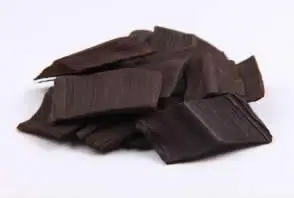
Trachycarpi Petiolus Carbonisatus
Zong Lv Tan
Petiolus Trachycarpi
Nature and flavorBitter and astringent, neutral. Liver, Lung, and Large Intestine meridians.
Meridians enteredLiver, Lung, and Large Intestine meridians.
Dosage5-15 g, decocted, three times a day; or ground into powder.
Zong Lv Tan is a processed crude drug used in traditional Chinese medicine for its astringent hemostatic properties.
Source药物来源
The leaf petiole of Trachycarpus fortunei, an evergreen plant of the Palmae family.
Identification性状特征
The drug appears as long, flat pieces, narrow and thick at one end, wider and thinner at the other, of variable size. The surface is reddish-brown, rough, with longitudinal wrinkles; one side has prominent protruding fibers with numerous brown hairs on both sides. It is hard and tough, not easily broken, with a fibrous fracture. Odorless, tasteless.
Properties and actions性味与功效
Actions
Stop bleeding · Astringe to stop bleeding
Indications
Used for hematemesis, epistaxis, hemafecia, and metrorrhagia. Astringent hemostasis: indicated for hemoptysis, hematemesis, epistaxis, hemafecia, metrorrhagia, menorrhagia, and other bleeding disorders without blood stasis.
Dosage
Ground into powder. 5-15 g, decocted and taken orally, three times a day.
Caution
Contraindicated in cases of bleeding with blood stasis. Use with caution in patients with deficiency-cold of the spleen and stomach.
Processing炮制
Charred Trachycarpus Petiole (Zong Lv Tan)
Place clean segments or pieces in a pot, cover with a smaller pot, seal the junction with salt-clay, place a weight on top, and attach a white paper strip or a few grains of rice. Heat over moderate to strong fire until the paper or rice turns deep yellow. Stop heating, cool, and take out. The finished product is blackish-brown or black, lustrous, brittle, and has a bitter and astringent taste. Processing enhances astringent hemostatic action.
Modern research现代药理
Hemostatic effect
The water decoction and suspension of charred Trachycarpus petiole have a significant hemostatic effect. Experimental studies have shown that it is correct to use charred old Trachycarpus petiole in traditional medicine, preferably charred form; older materials are considered better.
Classical records历代本草
In Bencao Gangmu, the charred drug is described as astringent and suitable for bleeding with exhaustion of stasis; it is often combined with charred human hair. Other texts such as Bencao Mengquan and Bencao Shiyi also record its hemostatic properties.
《本草纲目》:棕灰性涩,若失血去多,淤滞已尽者,用之切当,所谓涩可去脱也。与乱发同用更良。年久败棕,入药尤妙。
《本草蒙筌》:味苦、涩,气平。无毒。血证宜求。涩肠禁泄痢肠风,养血治崩中带下。药求陈者,烧研汤调。止鼻洪吐衄殊功。塞肠风崩带立效。
《本草拾遗》:味苦,涩,平,无毒。烧作灰,主破血止血。
《海药本草》:平,温。主金疮疥癣,生肌止血,并宜烧灰使用。
《本草经疏》:棕榈炭禀微阳之气以生,故其味苦涩,气平无毒。《本经》主诸病,皆烧灰用者,凡血得热则行,得黑灰则目,故主鼻洪,吐血。苦能泻热,涩可去脱,故主崩中,带下,及肠风,赤白痢也。止血固脱之性,而能消瘀血,故能破癥也。凡失血过多,内无瘀滞者用之切当。与乱发灰同入更良。如暴得吐血,瘀滞主动,暴得崩中,恶露未竭,湿热下痢,初发肠风,带下方炽,悉不宜遽用,即用亦无效。入药须年久败者良。
Audio and video语音与视频
Latin name · pronunciation
Photographs药材图片
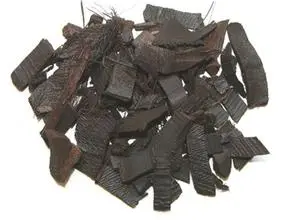
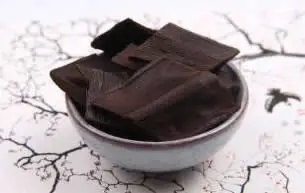
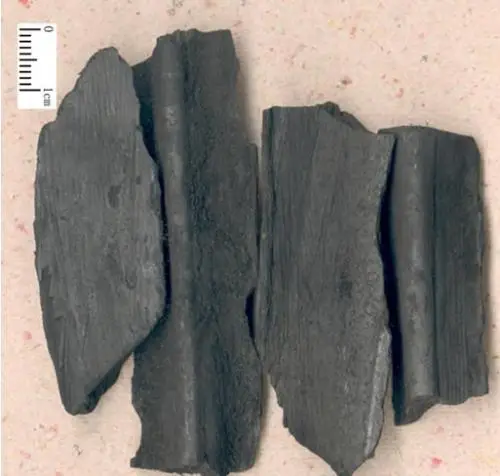
Compiled from public Chinese materia medica sources for study and reference. Not medical advice.
Chinese version · All herbs
Chinese version · All herbs