Saposhnikovia root (Fang Feng)Materia Medica

Saposhnikovia root (Fang Feng)

Fang Feng
SAPOSHNIKOVIAE RADIX
Nature and flavorPungent, sweet, slightly warm; enters Bladder, Liver and Spleen meridians.
Meridians enteredBladder, Liver, Spleen
Dosage5–10 g
Reference market price¥20 / kgBozhou market · spec common grade · 内蒙古 · snapshot 2026-11-21

Fang Feng is a wind-dispelling herb used for wind-cold headache, rheumatism and wind rash.

Source药物来源

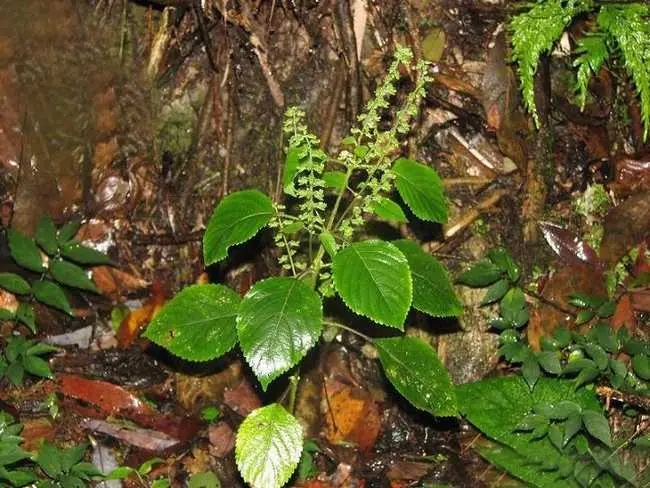
The dried root of Saposhnikovia divaricata (Turcz.) Schischk. (family Apiaceae). The name comes from its ability to 'guard against external wind' as recorded in Bencao Gangmu and Bencao Haili.

Identification性状特征

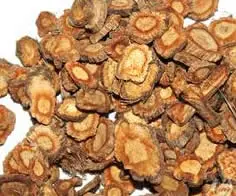
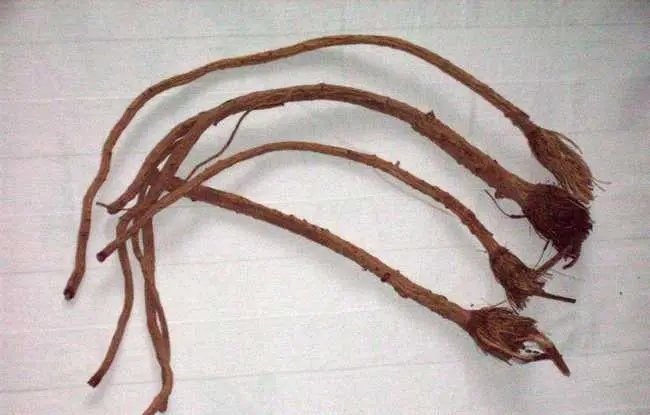
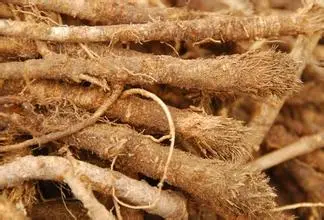
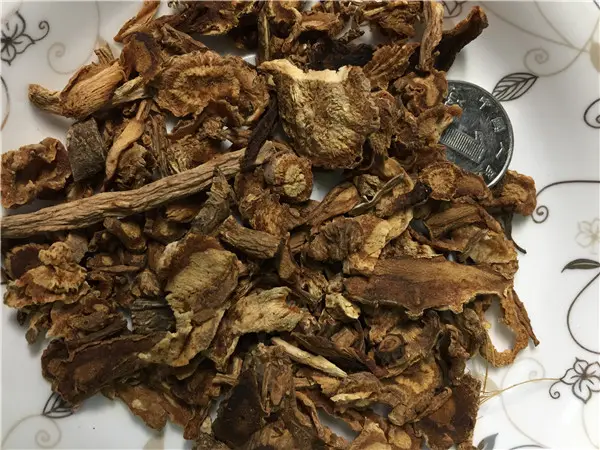
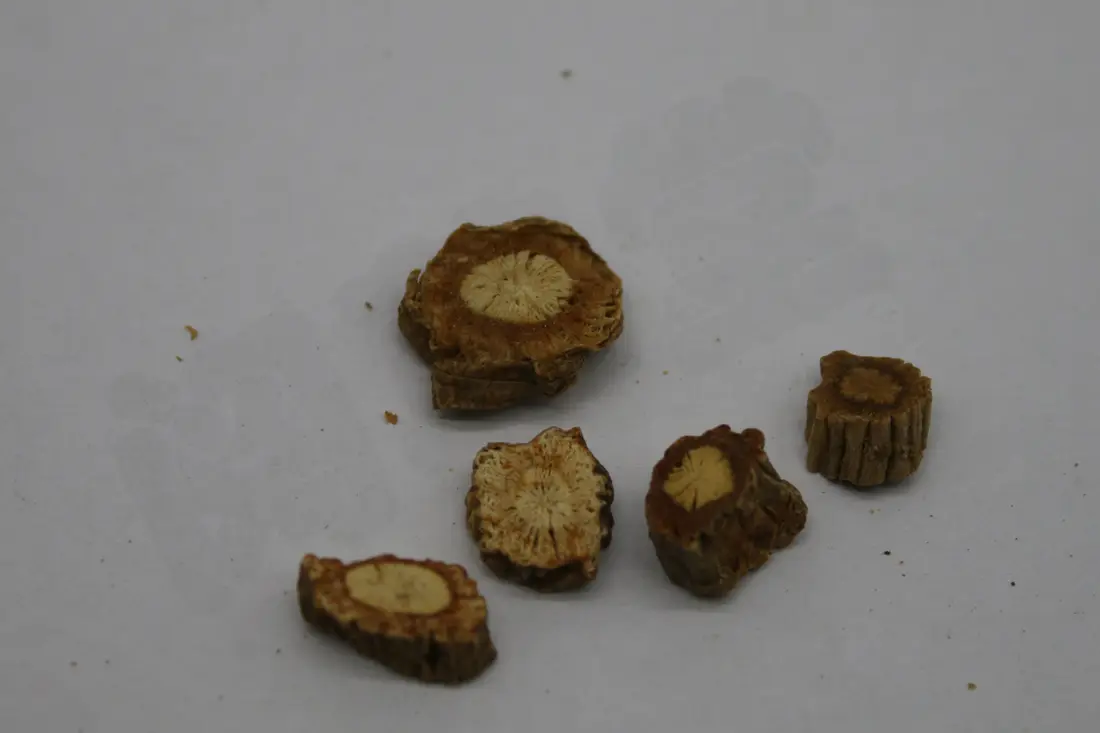
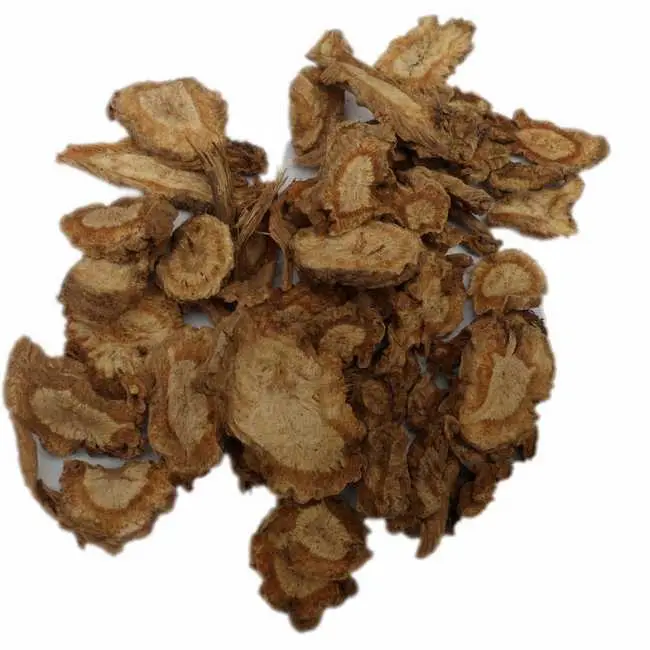
Long conical or long cylindrical, tapering below, sometimes slightly curved, 15–30 cm long, 0.5–2 cm in diameter. Surface grayish-brown or brownish, rough, with longitudinal wrinkles, many transversely elongated lenticel-like protrusions and dotted rootlet scars. Root head with distinct dense annular rings, some bearing residual brownish hairy leaf bases. Light, loose texture, easily broken; fracture uneven, cortex brownish-yellow to brown with fissures, wood yellow. Characteristic odor, slightly sweet taste.

Properties and actions性味与功效
Actions
Dispel wind and release the exterior · Overcome dampness and relieve pain · Stop spasms
Indications
Used for common cold with headache, wind-dampness arthralgia, wind rash and pruritus, and tetanus.
Dosage
5–10 g.
Caution
Use with caution in cases of yin deficiency and blood dryness; not suitable for those without wind-dampness pathogens.
Processing炮制
Raw
Remove impurities and residual stems, scrape off hairs from the rhizome head, wash quickly, slice, and dry.
Modern research现代药理
Sedative and anticonvulsant
Fang Feng has sedative and anticonvulsant effects.
Antipyretic and analgesic
Fang Feng has antipyretic and analgesic effects.
Antibacterial and antiviral
The decoction inhibits various cocci, Penicillium chrysogenum, Aspergillus versicolor, Columbia SK virus, and Microsporum canis. In chicken embryo tests, it inhibits influenza virus A3.
Anti-inflammatory and anti-allergic
Fang Feng has anti-inflammatory and anti-allergic effects.
Immune system
Oral administration for 4 days enhanced peritoneal macrophage phagocytosis in mice.
Anticoagulant
The n-butanol extract prolongs clotting time and bleeding time in mice.
Classical records历代本草
Shennong Bencao Jing records it for severe wind, headache, dizziness, joint pain and irritability. Bencao Mengquan notes it is a moistening wind herb that treats all body pain and is a key herb for upper jiao wind.
《神农本草经》:味甘温。主治大风,头眩痛,恶风,风邪,目盲无所见,风行周身,骨节痹,烦满。 《本草蒙筌》:味甘、辛,气温。升也,阳也,无毒。杀乌头大毒,恶藜蔹芫姜。藜芦、白、芫花、干姜。系太阳本经之药,又通行脾胃二经。职居卒伍卑贱之流,听命即行,随引竟至。尽治一身之痛,而为风药中之润剂也。治风通用,散湿亦宜。身去身半以上风邪,梢去身半以下风疾。收滞气面颊,尤泻肺实有余;驱眩晕头颅,更开目盲无见,故云除上焦风邪要药。倘或误服,反泻人上焦元气,为害岂浅浅哉! 《开宝本草》:味甘、辛,温,无毒。胁痛胁风,头面去来,四肢挛急,字乳金疮内痉。 《名医别录》:味辛,无毒,主治肋痛、肋风头面去来,四肢挛急,字乳金疮内痉。 《汤液本草》:纯阳,性温,味甘辛,无毒。 足阳明胃经、足太阴脾经,乃二经之行经药。太阳经本经药。
Folklore本草传说

According to historical records, Fang Feng was collected in February and October. The best quality comes from Pengcheng and Lanling (near Langya), with a solid, moist root and a head as hard as an earthworm's. It was also grown in Qizhou, Zizhou, Yanzhou and Qingzhou. The young leaves were once eaten as a vegetable in Jiangdong.
Culinary use民间药膳
Di Yu and Pig Intestine Soup
Fang Feng, Di Yu (Sanguisorba root) and Huai Jiao (Sophora fruit) 15 g each, one section of pig intestine, seasonings.
Clean the herbs and pig intestine, stuff the herbs into the intestine, cook until done, remove herbs, slice the intestine, return to the soup, season and bring to a boil.
Dispels wind and stops bleeding; suitable for bleeding hemorrhoids.
Mao Gen and Dan Pi Tea
Fresh Bai Mao Gen (Imperata rhizome) 30 g, Dan Pi (Moutan cortex) and Fang Feng 10 g each.
Place all ingredients in a pot with 500 ml cold water, boil, and strain. Take one dose daily, divided before breakfast and dinner.
Clears heat and cools blood, enhances immunity, prevents wind-heat cold.
Bai Hua She Wine
Bai Hua She (Agkistrodon) 1, Qiang Huo 60 g, Dang Gui Shen 60 g, Tian Ma 60 g, Qin Jiao 60 g, Wu Jia Pi 60 g, Fang Feng 30 g, glutinous rice wine 4000 ml.
Wash the snake with wine, remove bones and spikes, take meat; chop herbs, put in silk bag, place in wine jar, bury in a pot, boil in water for one day, then bury in shade for 7 days. Drink 1–2 cups (30–60 ml). The residue can be dried, ground, made into pills with wine paste, size of paulownia seeds; take 50 pills (9 g) with warmed wine.
Dispels wind and dampness, unblocks collaterals, relieves pain, strengthens sinews and bones.
Fang Feng Congee
Fang Feng 10–15 g, scallion white 2 stalks, polished rice 100 g.
Decoct Fang Feng and scallion white, strain; cook rice into congee, add the decoction when nearly done, cook into thin congee. Eat for breakfast and dinner.
Dispels wind and releases the exterior, dissipates cold and relieves pain.
Audio and video语音与视频
Narration · Chinese · 7:34
Latin name · pronunciation
Narration and video are shared by all language versions and are in Chinese; the images and footage themselves are language-independent.
Photographs药材图片
Saposhnikovia root (Fang Feng)
Cultivation and authentication栽培与鉴别

17 cultivation notes and 11 authentication articles exist for this herb. They are long-form field material and are published in Chinese only.

Read them in Chinese →

Compiled from public Chinese materia medica sources for study and reference. Not medical advice.
Chinese version · All herbs