Lei Wan (Omphalia)
Lei Wan
OMPHALIA
Nature and flavorSlightly bitter, cold. Enters the Stomach and Large Intestine meridians.
Meridians enteredStomach, Large Intestine
Dosage15–21 g, generally ground into powder; 5–7 g per dose, taken with warm water after meals, 3 times daily for 3 consecutive days. Not suitable for decoction.
Reference market price¥120 / kgBozhou market · spec common grade · 云南 · snapshot 2026-11-21
Lei Wan is a dried fungal sclerotium used in traditional medicine to expel intestinal worms and relieve abdominal pain due to parasites.
Source药物来源
The dried sclerotium of the fungus Omphalia lapidescens Schroet.
Identification性状特征
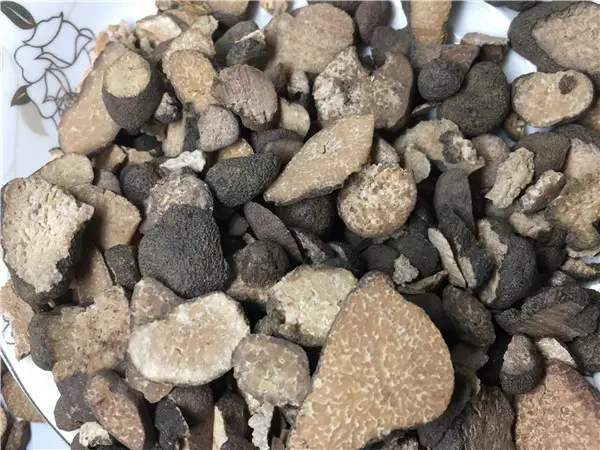
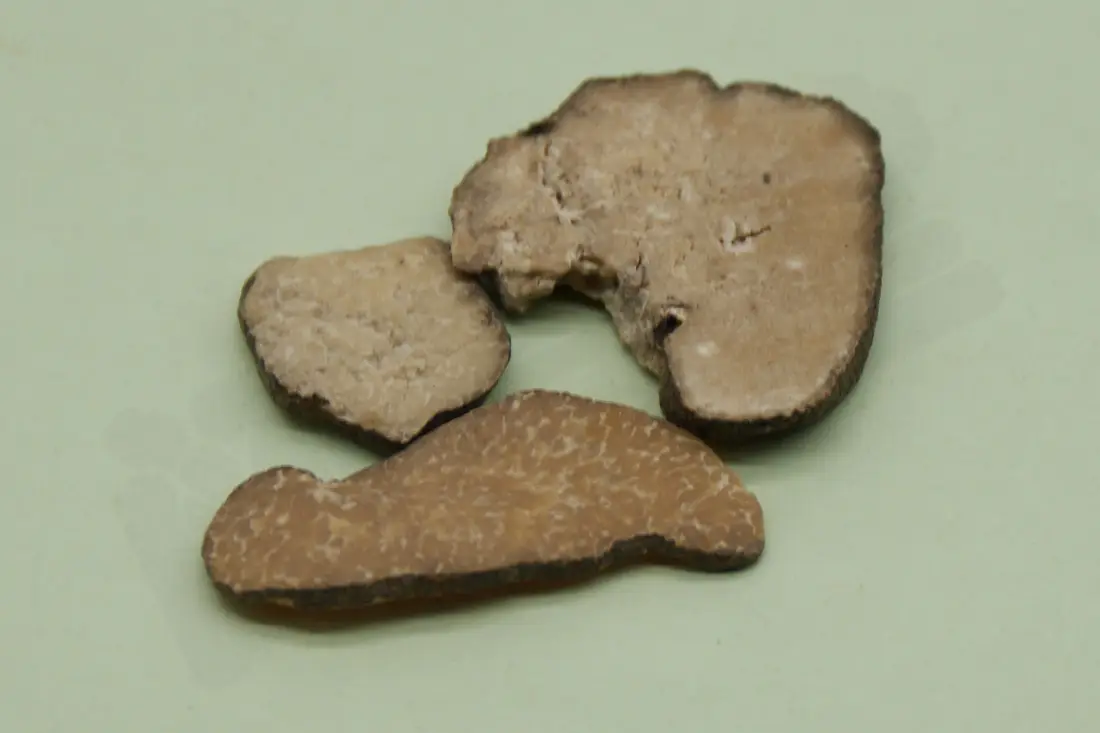
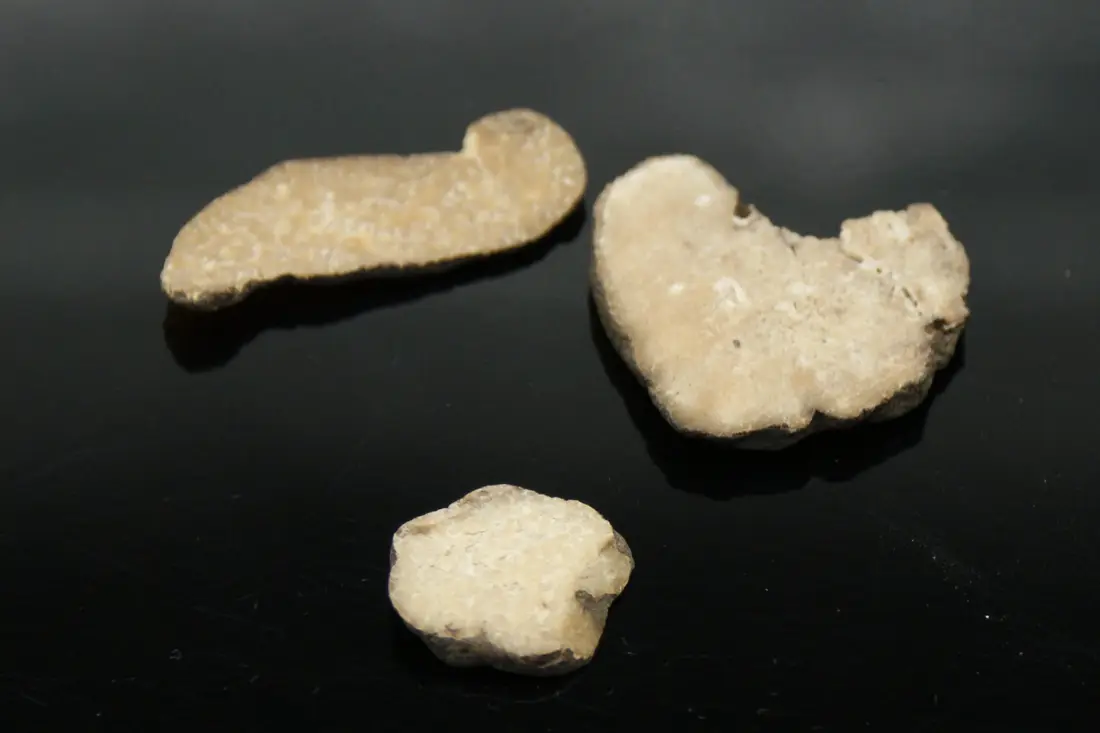
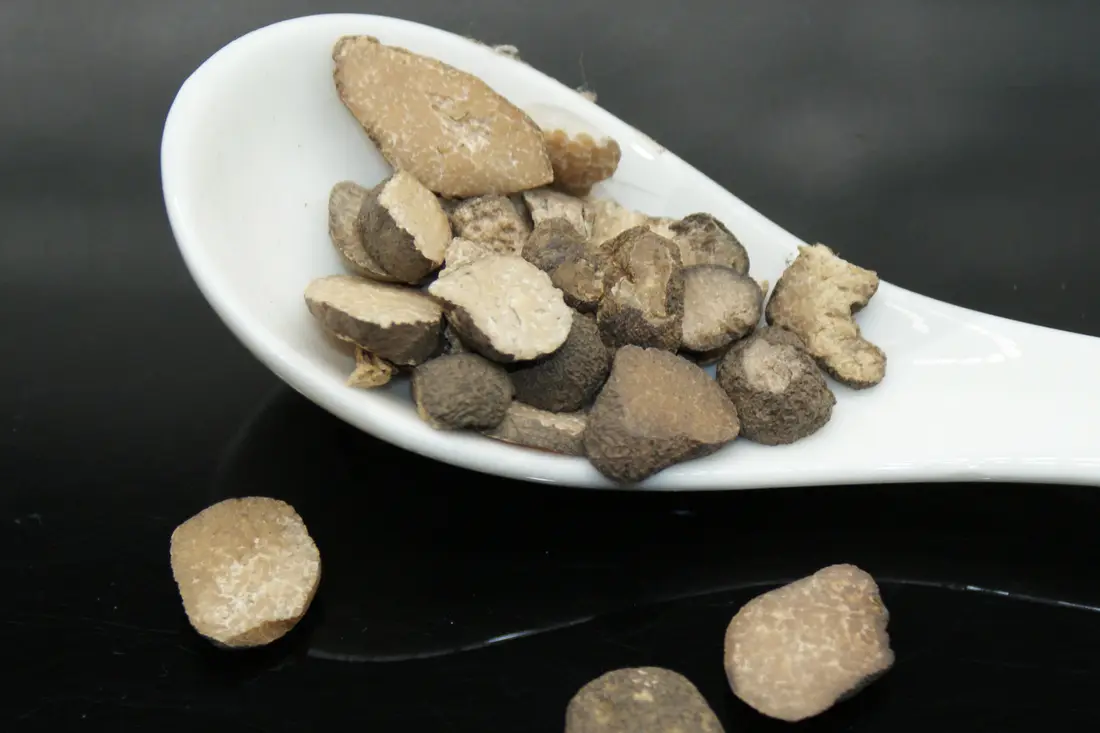
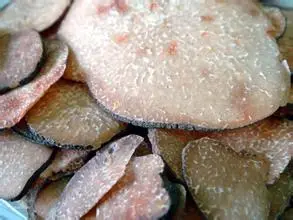
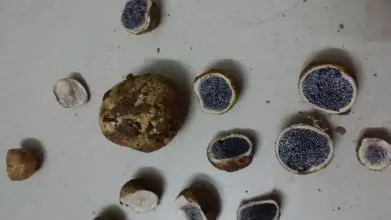
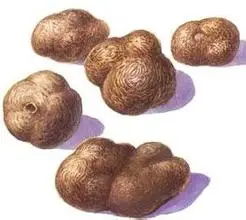
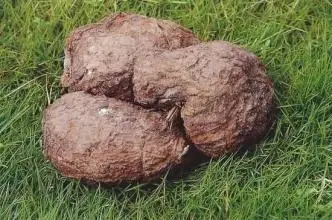
Subspherical or irregular lumps, 1–3 cm in diameter. Surface dark brown or brownish-black with slightly raised irregular reticulate fine wrinkles. Texture hard, not easily broken; fracture uneven, white or light grayish-yellow, often with yellowish-white marble-like striations. Odor slight; taste slightly bitter, gritty when chewed, slightly mucilaginous, no residue after prolonged chewing. Those with brownish, horny fracture should not be used medicinally.
Properties and actions性味与功效
ActionsExpel intestinal parasites · Reduce accumulation
IndicationsExpels intestinal parasites and reduces accumulation. Used for tapeworm infection, hookworm infection, roundworm infection, abdominal pain due to parasitic accumulation, and pediatric malnutrition with accumulation.
Dosage15–21 g, not to be decocted; generally ground into powder, 5–7 g per dose, taken with warm water after meals, 3 times daily for 3 consecutive days.
CautionContraindicated in cases of spleen and stomach deficiency-cold. Prolonged use may cause impotence; use with caution.
Processing炮制
RawWash clean, sun-dry, and pulverize. Do not steam, boil, or bake at high temperature.
Modern research现代药理
Anthelmintic effectLei Wan has activity against tapeworms and roundworms.
Antiprotozoal effectLei Wan has anti-Trichomonas vaginalis activity.
Anti-inflammatory effectLei Wan exhibits anti-inflammatory properties.
Immunomodulatory effectLei Wan polysaccharides enhance both nonspecific and specific immune functions.
Classical records历代本草
The Shennong Bencao Jing records Lei Wan as bitter and cold, used to kill three types of worms and remove toxic qi. The Bencao Gangmu recounts a case of 'echo worm' cured by Lei Wan. The Bencao Mengquan notes its use for epilepsy and warns that prolonged use may cause impotence.《神农本草经》:味苦,寒。主杀三虫,逐毒气,胃中热,利丈夫,不利女子。作膏摩,除小儿百病。
《本草纲目》:《遁斋闭览》云:杨氏中年得异疾,每发语,腹中有小声应之,久渐声大。有道士见之曰:此应声虫也。但读本草,取不应者治之。读至雷丸,不应。遂顿服数粒而愈。
《本草蒙筌》:味苦、咸,气寒。有小毒。建平属南直隶出累累相连,状如丸因而名此。胃热可解,虫毒能驱。杀三虫仍杀白虫,利丈夫利女子。非利益之利,乃疏利也。主癫痫狂走,疗汗出恶风。又作摩积之膏,专却小儿百病。久服阴痿,尤宜慎之。
《开宝本草》:味苦、咸,微寒,有小毒。逐邪气,恶风,汗出,除皮中热结,积聚蛊毒,白虫,寸白自出不止。久服令人阴痿。
《名医别录》:味咸,微寒,有小寒。逐邪气,恶风,汗出,除皮中热结,积聚蛊毒,白虫、寸白自出不止。久服令人阴痿。
Folklore本草传说
A merchant who often traveled for business developed a strange illness: whenever he spoke, a voice from his belly would repeat his words. The voice grew louder, causing him great embarrassment. He sought treatment everywhere but to no avail. One day, he stayed at a small temple, and the old monk told him it was an 'echo worm' disease. The monk advised him to read aloud from a materia medica and take the herb that the worm did not echo. The merchant borrowed a copy of the Bencao and read through the herbs; the worm echoed each one until he reached Lei Wan, which it did not echo. He then bought Lei Wan and took it, and was cured. Though the story is bizarre, Lei Wan is indeed an effective anthelmintic.
Cultivation and authentication栽培与鉴别
2 cultivation notes and 3 authentication articles exist for this herb. They are long-form field material and are published in Chinese only.
Read them in Chinese →